
Shiba Inu
Japan's ancient small hunting dog, the fox-like Shiba Inu is dignified, clean and famously cat-like in its independence. Alert and loyal, but very much its own dog. It suits experienced owners who'll socialise it early, secure the garden against a strong prey drive, and accept that recall and biddability are never a Shiba's strong suit.
Shiba Inu scorecard
Overview
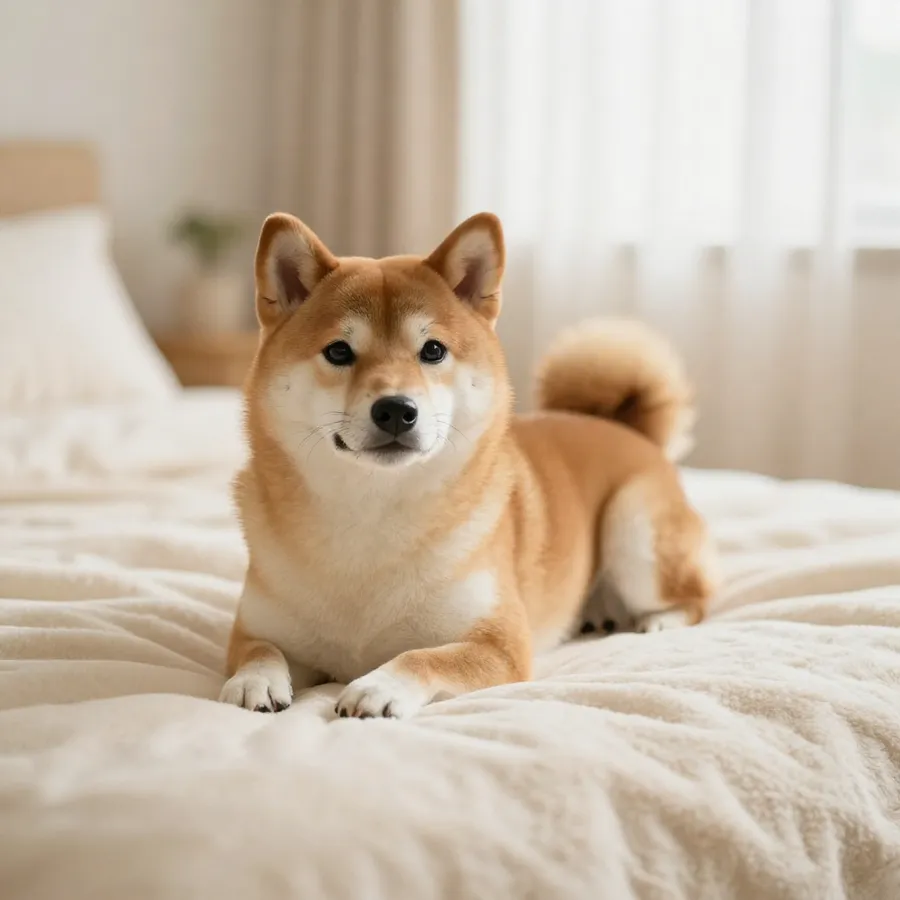
The Shiba Inu is a small, fox-like spitz breed from Japan, the smallest of Japan's native dog breeds. Compact and well-balanced, it stands around 37–40 cm at the shoulder and typically weighs about 8–10 kg, with a curled tail, pricked ears, a dense double coat and an alert, confident, slightly cat-like air. Coat colours include the classic red, along with black and tan, sesame and cream, all with the pale 'urajiro' markings on the cheeks, chest and underside. The breed is long-lived for a dog of its size, commonly reaching 13–16 years.
The Shiba is prized for being clean, hardy, dignified and undemanding in some respects, but it is far from a biddable lapdog. It is independent, strong-willed and often aloof, with a notable prey drive and frequently unreliable off-lead recall. Owners often describe Shibas as 'cat-like' for their fastidious self-grooming and their tendency to do things on their own terms. They can make wonderful companions for owners who understand and respect their nature, but they are not an easy first dog for those expecting eager-to-please obedience.
Good to know — a Shiba Inu is best with a garden and better with some experience. Every dog is an individual, so meet a few and chat to a good breeder or rescue before deciding.
Save the Shiba Inu guide
Thinking about a Shiba Inu? Pop your email in and we’ll send this guide so you can come back to it any time — handy while you compare breeds.
Popular searches for the Shiba Inu
History & origins
The Shiba Inu is an ancient Japanese breed, originally developed for flushing and hunting small game and birds in the mountainous regions of Japan. The name is usually understood to refer to a small or brushwood dog. Several regional types existed historically, and the modern breed is a unified descendant of these older mountain hunting dogs.
The breed came close to extinction in the twentieth century, suffering heavy losses during and after the Second World War and from a distemper outbreak in the post-war years. Surviving dogs from different regional lines were used to rebuild the breed, and the Shiba was designated a Japanese natural monument. It has since become enormously popular both in Japan and internationally. The Kennel Club recognises the Shiba Inu within the Utility Group, and it is recognised internationally as a Japanese spitz-type breed.
Temperament & family fit
Shibas are bold, alert and spirited, with a strong sense of their own independence. They tend to be loyal and affectionate with their own families while remaining reserved or aloof with strangers, and many are watchful and make good little alarm dogs. They are generally quiet but can be vocal when they choose, and some are known for a dramatic, high-pitched protest sound — the so-called 'Shiba scream' — when displeased.
This is a dog with a definite will of its own. Shibas can be possessive over food, toys or space, and many are not especially sociable with other dogs, particularly of the same sex, so early socialisation and sensible management are important. Their strong prey drive means small pets and free-roaming cats may not be safe around them. Owners need to appreciate that a Shiba's cooperation is often earned rather than freely given, and to enjoy the breed for its proud, self-possessed character.
- Families with older, respectful children
- Owners ready for consistent training
- Homes with a secure garden
Training & intelligence
Training a Shiba Inu calls for patience, consistency and realistic expectations. They are intelligent and quick to learn but equally quick to decide whether something is worth their while, so reward-based methods using high-value motivation, kept fun and varied, tend to work best. Harsh or heavy-handed approaches typically backfire with such an independent, sensitive dog. Early socialisation with people, dogs and everyday experiences is particularly important to head off reactivity and resource guarding.
Recall is a well-known weak point: the breed's independence and prey drive mean many Shibas can never be fully trusted off-lead in unsecured areas, and owners are often advised to keep them on a lead or long line outside enclosed spaces. Housetraining is usually relatively straightforward given the breed's natural cleanliness. Overall, owners should approach training as a long-term partnership built on mutual respect rather than expecting instant obedience.
- Start socialisation & handling early
- Reward-based methods only — no harsh corrections
- Keep sessions short, calm and consistent
Exercise needs
A healthy adult Shiba Inu typically needs around an hour a day (roughly 60–80 minutes), split across walks, play and a little training. A good sniffy walk, some play and a little training usually keeps them content. Puppies, seniors and dogs with health conditions need adjusted amounts — check with your vet.
Grooming & coat
The Shiba's dense double coat is naturally clean and largely self-maintaining, needing only a weekly brush for most of the year. However, it sheds heavily, and twice a year it 'blows' its undercoat in a dramatic seasonal moult, during which daily brushing is needed to manage the volume of loose hair. They are fastidious dogs that keep themselves clean and rarely have a strong doggy odour, so baths are only needed occasionally. Routine nail trimming, dental care and ear checks complete the grooming routine.
- Brush occasionally to remove loose hair
- Bathe every few weeks or as needed
- Check ears, nails and teeth weekly
Feeding a Shiba Inu
Feed a complete, balanced diet suited to the dog's age and activity level, divided into measured meals and adjusted to maintain a lean, well-proportioned body, as the breed's compact frame can hide weight gain. Shibas can be choosy or food-possessive, so consistent feeding routines and, in multi-pet homes, separate feeding areas can help. Fresh water should always be available, and any change of diet should be introduced gradually; discuss specific dietary needs with your vet.
A small breed
An adult Shiba Inu typically weighs 8–10 kg, so a healthy Shiba Inu eats a modest amount compared with other breeds. Every feeding guide on a bag is written per kilo of body weight, not per breed — start there, then adjust to the dog in front of you.
Life stage
A small breed is usually done growing at 10–12 months, which is roughly when a puppy food has finished its job. With a typical lifespan of 13–16 years, there is a long adult stretch in the middle; switch to a senior food when your vet thinks it is worth it rather than on a birthday.
Small mouths, crowded teeth
Smaller breeds get dental disease more often than big ones, largely because the same number of teeth are packed into a shorter jaw. Kibble size is worth checking, and a dental chew counts towards the daily 10% of calories from treats.
How much should a Shiba Inu weigh?
Adult 8–10 kgfully grown at 10–12 months
| Age | Stage | Typical weight | Of adult size |
|---|---|---|---|
| 8 weeks | Just home | 1.3–1.7 kg | 17% |
| 3 months | Young puppy | 2.2–2.7 kg | 27% |
| 6 months | Growing fast | 4.3–5.4 kg | 54% |
| 10–12 months | Fully grown | 8–10 kg | 100% |
A guide, from the same rule of thumb our puppy growth predictor uses — each age is that share of the way to maturity for a small breed. Puppies grow fastest early, so a real puppy usually sits a little above the middle rows. Weigh yours and ask your vet if the number worries you.
Complete dog foods that suit a Shiba Inu
Complete foods from our range, matched to a Shiba Inu's size band and what the breed typically needs. Stock levels and delivery dates are live on each product.

Burns Adult/Senior Weight Control Chicken and Oats
A low-fat weight control dry food for adult and senior dogs, oat-based
£35.99


Pedigree Can in Jelly Puppy 6 Pack
Complete Pedigree puppy food in jelly with chicken, lamb and poultry recipes
£10.15

Forthglade Cold Pressed Natural Turkey
Cold-pressed turkey kibble for dogs from 2 months, soft enough to mix with water for young pups
£45.99

Forthglade Cold Pressed Grain Free Salmon
Cold-pressed grain-free dry food for dogs, built on fresh and dried salmon
From£16.99

Forthglade Cold Pressed Grain Free Duck
Cold-pressed grain-free duck food with fruit and botanicals, in two bag sizes
From£16.99

Forthglade Cold Pressed Grain Free Chicken
Cold-pressed grain-free chicken food with fruit and botanicals, in three bag sizes
From£16.99

Forthglade Complete Meal Lightly Baked Turkey
A lightly baked complete dry food, 50% turkey, for adult dogs of any breed
From£12.49

Forthglade Cold Pressed Grain Free Turkey
Grain-free cold-pressed turkey kibble for dogs, gentle on sensitive stomachs
£69.69

Forthglade British Classics Chicken Family Lunch
Complete Forthglade wet dog food with 75% chicken in a 395G tray
£2.45

Harringtons Puppy Turkey & Rice
Complete turkey puppy food with 30% protein and feeding bands by adult weight
£6.49

Harringtons Just 6 Dry Dog Food Lamb
Grain-free lamb dry dog food in 2KG and 12KG sizes, with size-specific formulas
From£13.99
Shiba Inu health & costs
Before bringing a Shiba Inu home it pays to budget for the whole picture — food, insurance, grooming and routine vet care all add up. The figures below are typical UK estimates for a healthy adult; your real costs vary with where you live, your dog's health and the cover you choose.
Food
£250–400 / year
Complete food sized to weight & life stage
Insurance
£15–32 / month
Lifetime cover — varies by age, breed & area
Grooming
£0–60 / year
Mostly DIY at home
Routine vet care
£200–450 / year
Vaccines, flea/worm, annual check
The Shiba Inu is generally a healthy, hardy and long-lived breed, which is one of its attractions, but like all breeds it has some conditions that are worth being aware of and that responsible breeders screen for. Joint problems, eye conditions and allergies are among the more commonly noted issues, and good breeding combined with sensible day-to-day care helps keep the breed sound.
Responsible breeders test breeding stock for hip and knee problems and for inherited eye disease, and prospective owners should ask about the health testing of the parents. Skin and allergy problems are not uncommon and may need ongoing management. As with all dogs, routine preventive care — vaccination, parasite control, dental care and weight management — together with prompt veterinary attention for any concerns, supports the breed's typically long and healthy life.
Common health conditions to be aware of
- Patellar luxation — slipping kneecaps that can cause intermittent lameness and may need surgery in severe cases.
- Hip dysplasia — a malformation of the hip joint that can lead to pain and arthritis.
- Progressive retinal atrophy — an inherited degeneration of the retina causing gradual loss of sight.
- Glaucoma and other eye conditions — raised pressure within the eye and related problems that can affect vision.
- Allergies and atopic dermatitis — skin allergies causing itching and irritation that may need long-term management.
- Hypothyroidism — an underactive thyroid gland that can cause weight gain, lethargy and coat changes.
These reflect typical, size- and coat-related risks for dogs like the Shiba Inu; individual breeds carry their own predispositions. Always buy from health-tested parents and speak to your vet — this isn't a diagnosis.
Protect against surprise bills
A single emergency can run into thousands. Lifetime insurance spreads the risk.
Estimate insurance →How pet insurance works →Puppy & senior care
Bringing home a Shiba Inu puppy
Puppies need controlled exercise (a rough guide is five minutes per month of age, twice a day) to protect growing joints, little-and-often meals of a complete puppy food, early socialisation, and a calm routine for toilet training and sleep. Book first vaccinations, microchipping and a vet check early.
New puppy checklist →Caring for a senior Shiba Inu
As they age, watch weight, joints and teeth, switch to a senior diet if your vet advises, keep exercise gentle but regular, and consider orthopaedic bedding and ramps. Twice-yearly vet checks help catch issues early.
Orthopaedic beds & mobility →Pros & cons
The good bits
- Clean, compact and dignified
- Alert, hardy and loyal
Things to consider
- Independent and stubborn with unreliable off-lead recall
- Strong prey drive and can be aloof with other dogs
Shiba Inu health & care guides
In-depth, vet-sensible guides written for Shiba Inu owners:
Compare the Shiba Inu
See how the Shiba Inu measures up against similar breeds before you decide:
More breeds like the Shiba Inu
Same breed group
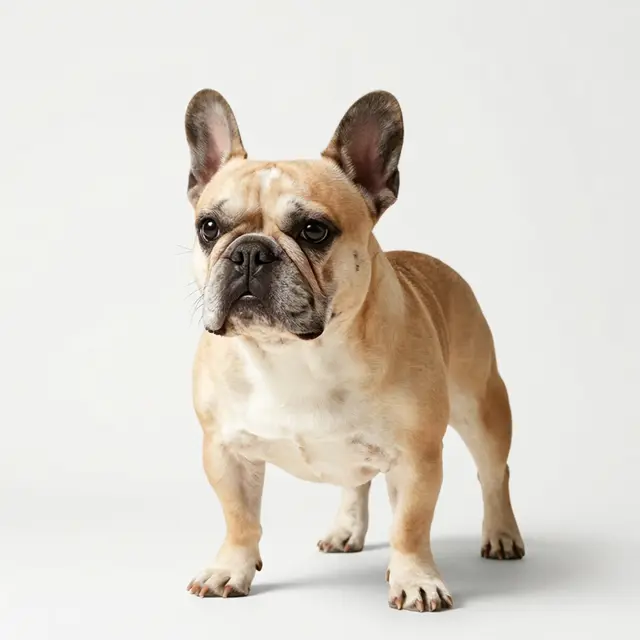
French Bulldog
A compact, easy-going companion that suits flats and modest exercise — but with serious health considerations.
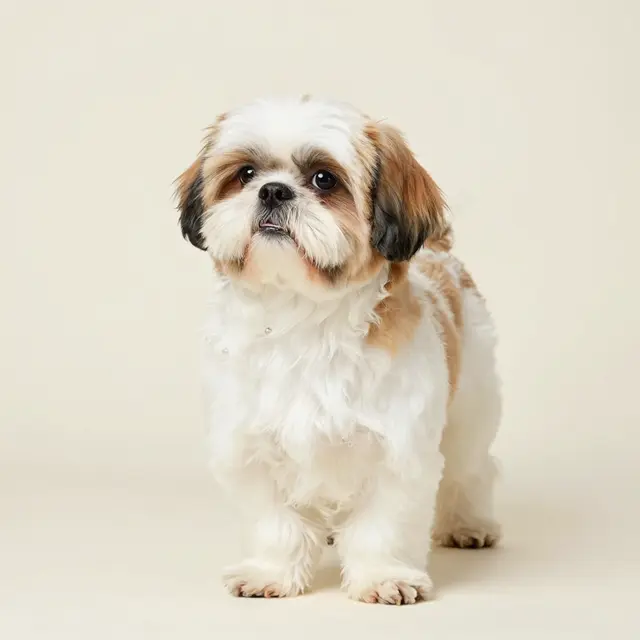
Shih Tzu
A friendly, low-energy companion bred purely for company — perfect for flats if you keep up the grooming.
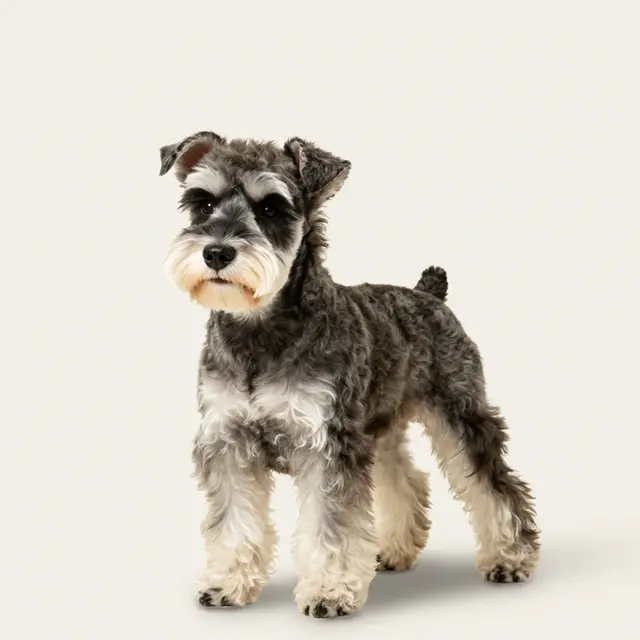
Miniature Schnauzer
A smart, spirited and low-shedding companion that adapts well to flats but likes to have its say.
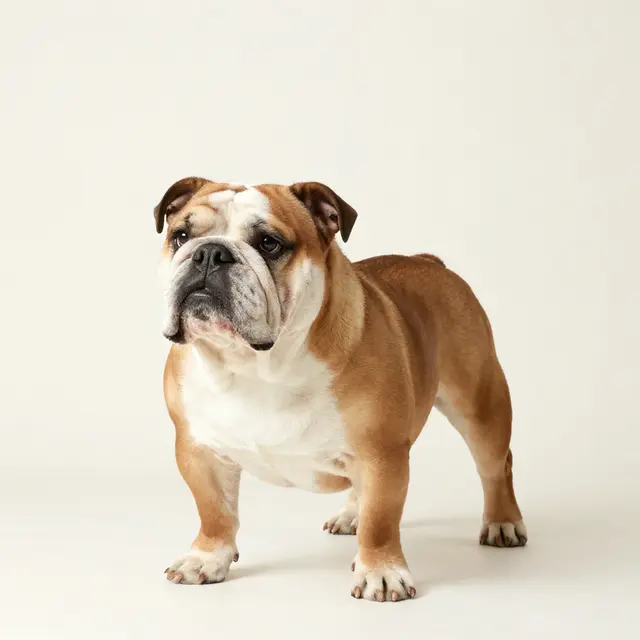
Bulldog
A placid, affectionate companion that’s happy with gentle walks — but burdened by serious health issues.
Similar temperament
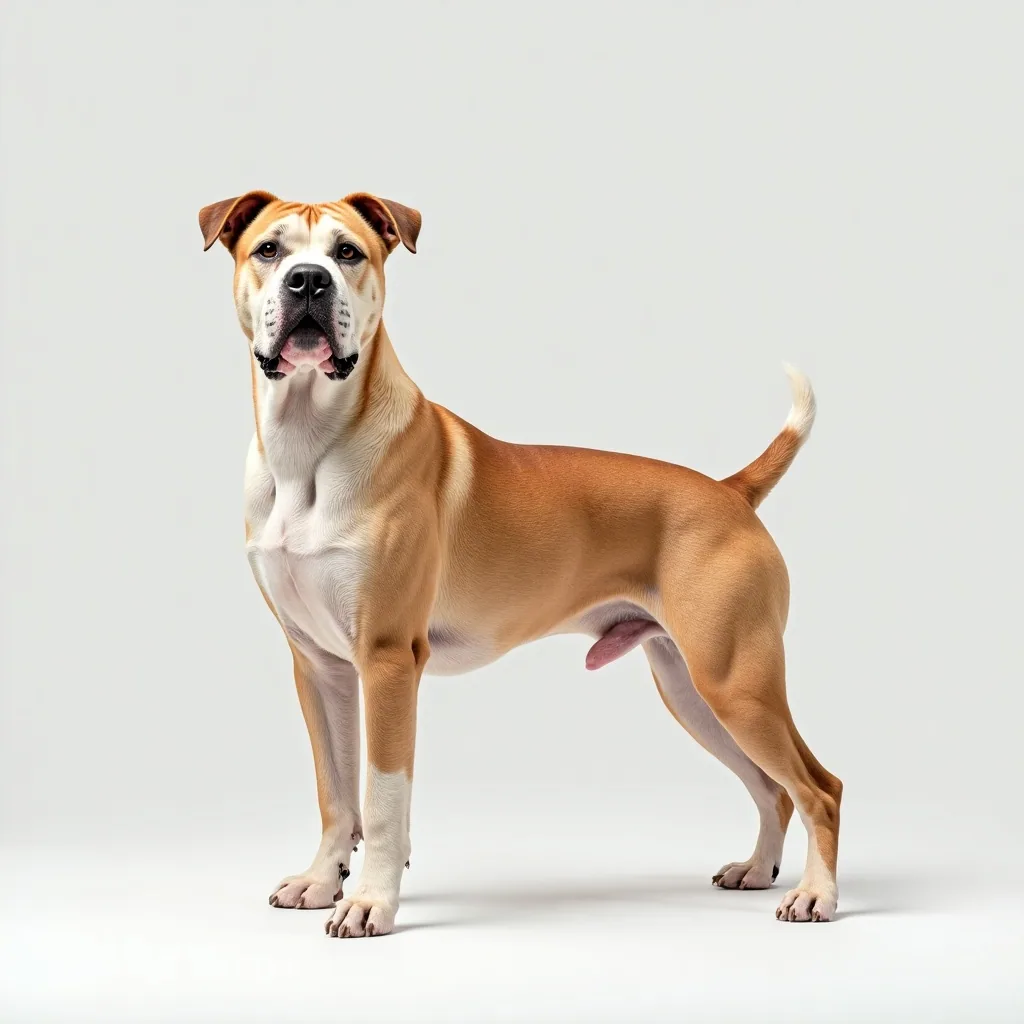
Bullpei
A medium, stocky Bulldog and Shar Pei cross that is devoted but often reserved and headstrong. Wrinkles and a flat-ish face can bring skin and breathing issues, and it tends to be wary with other dogs.
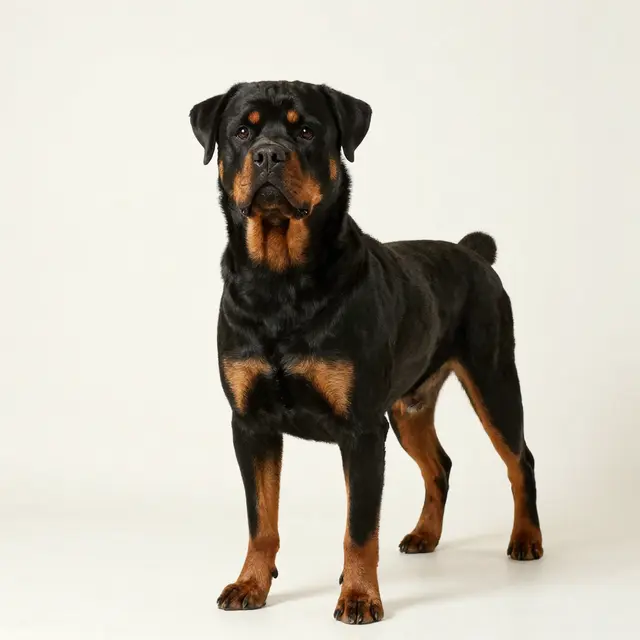
Rottweiler
A powerful, confident guardian that’s calm and devoted in the right hands — but needs an experienced owner.
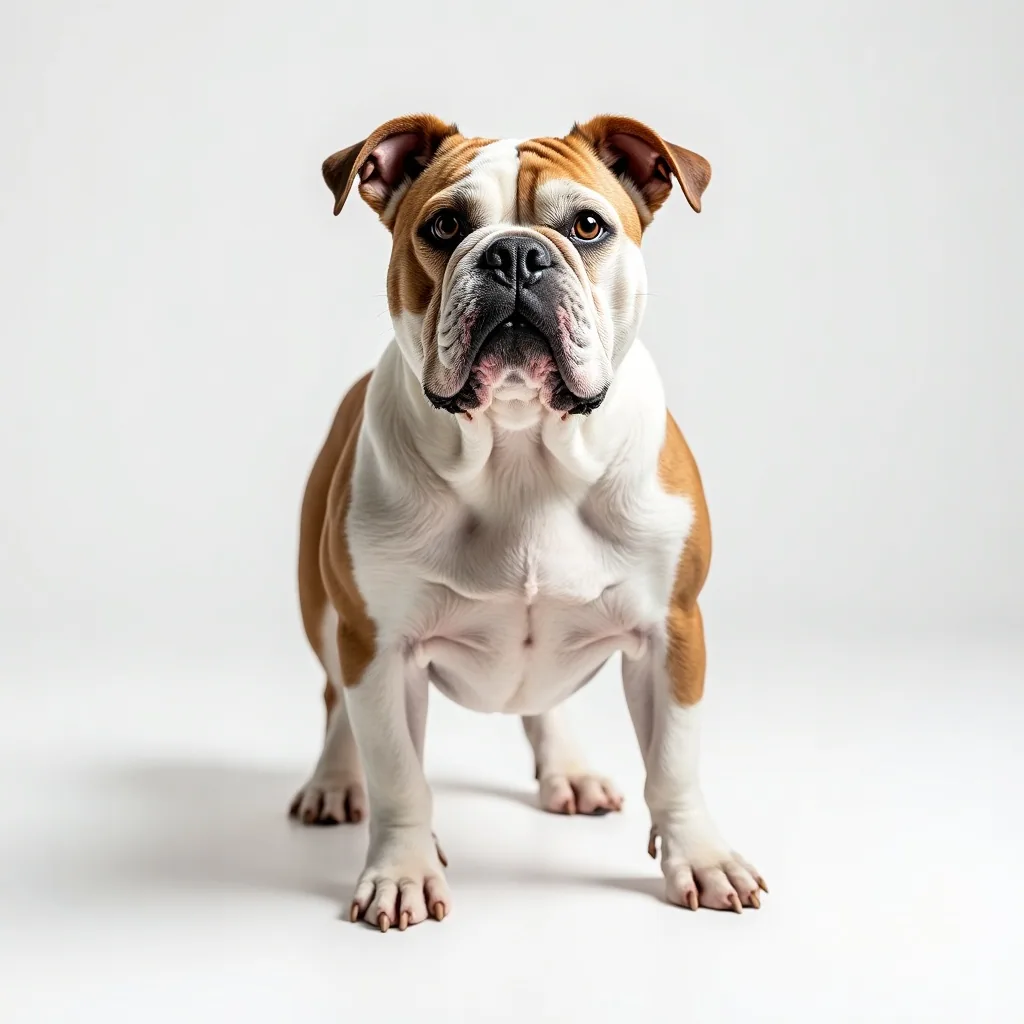
Campeiro Bulldog
A robust Brazilian working bulldog historically used to handle cattle in slaughteryards. Brave, loyal and tenacious, with strong guarding instincts and a need for firm handling.
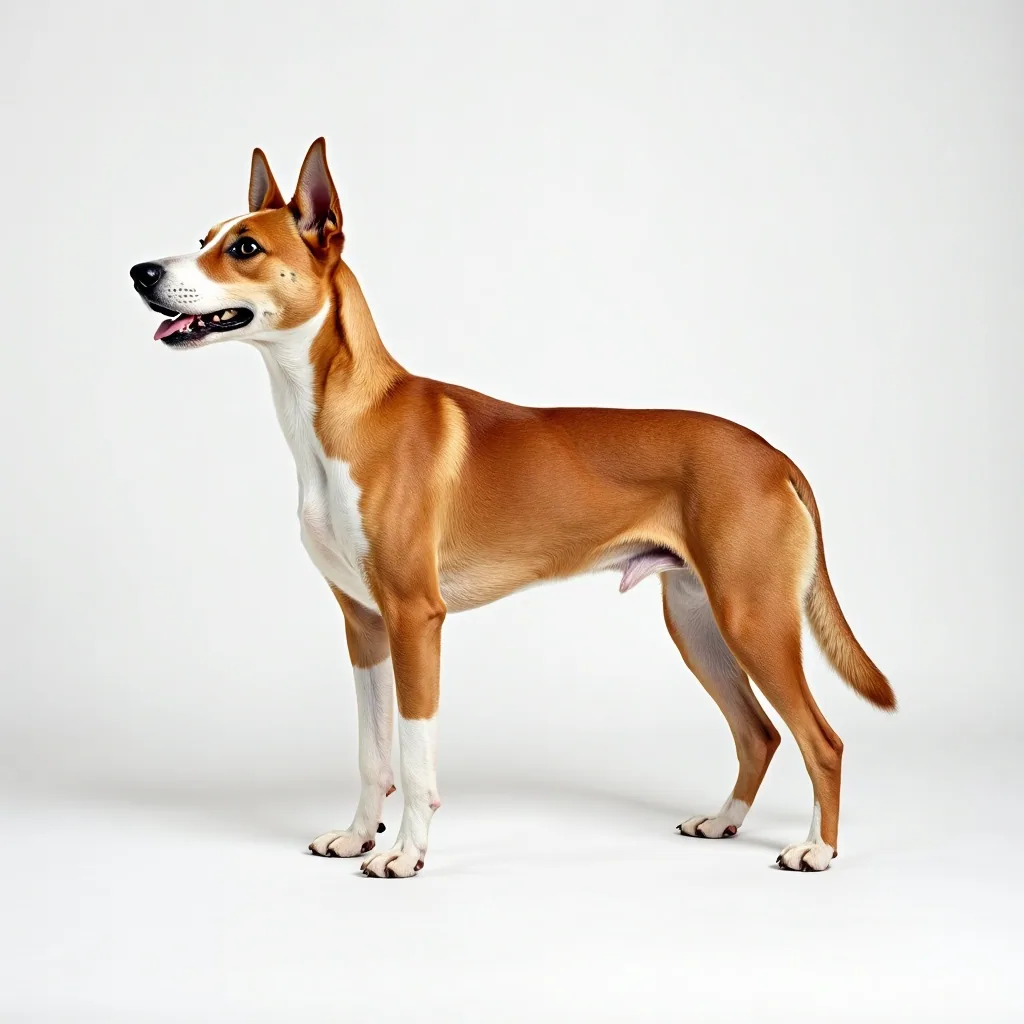
Kai Ken
A rare brindle-coated Japanese spitz-type hunting dog, devoted to one person and a natural climber and swimmer. Intelligent and loyal, but reserved with strangers and independent-minded.
Similar size, different type
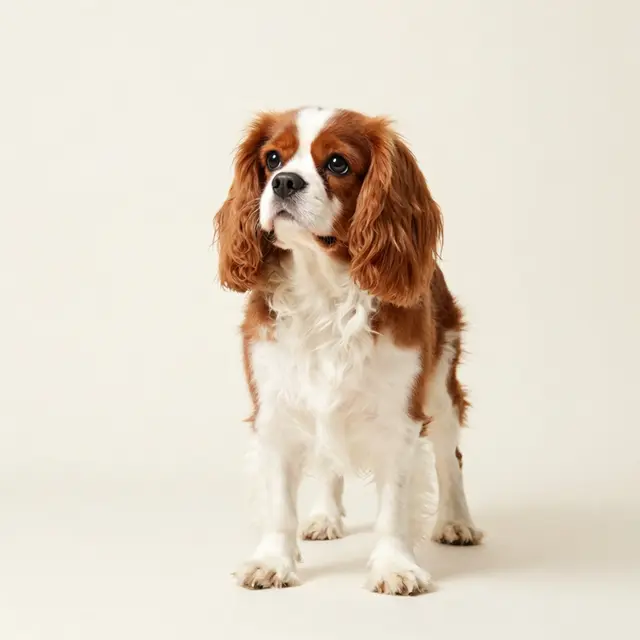
Cavalier King Charles Spaniel
A gentle, affectionate lap dog that’s wonderful with children and adapts happily to flat or house living.
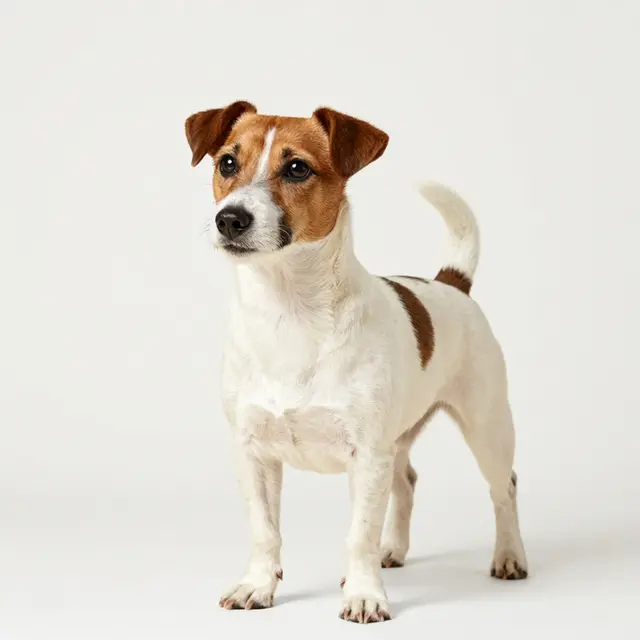
Jack Russell Terrier
A small dog with a huge personality — bold, clever and bursting with energy and prey drive.
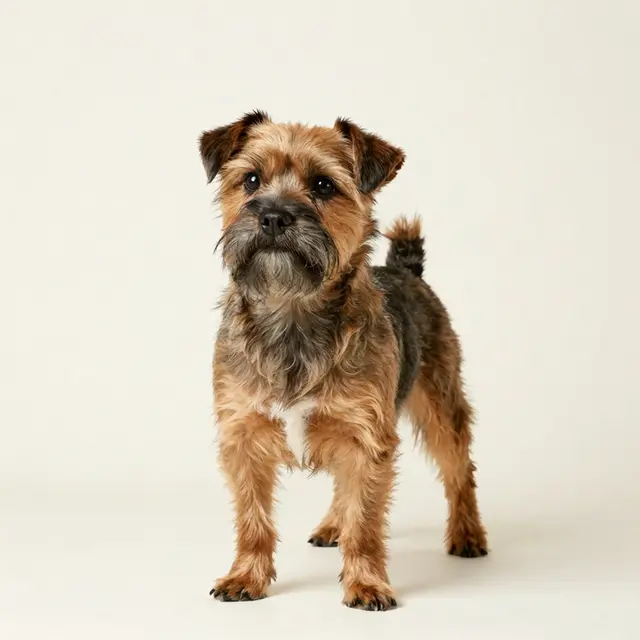
Border Terrier
A hardy, good-natured working terrier that’s friendlier with people and dogs than many of its terrier cousins.
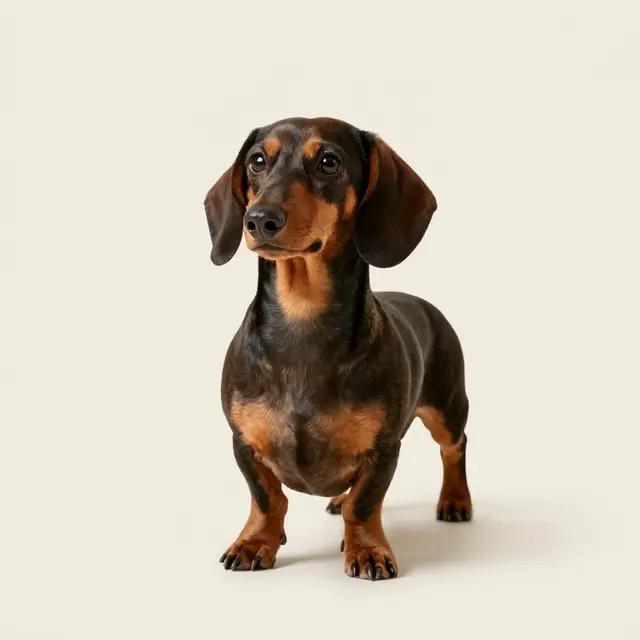
Dachshund
A bold, characterful "sausage dog" that suits smaller homes but needs careful handling of its long back.
Is the Shiba Inu your breed?
Create your pet profile and get personalised food, toy, insurance and health recommendations — tailored to your dog.
Frequently asked questions
Are Shiba Inus good family dogs?
Shiba Inus can fit into a family, but they are an honest choice rather than an easy one. They are independent, aloof and not naturally eager to please, so they bond closely with their household yet rarely fawn over everyone. Many are possessive of food, toys or resting spots and dislike rough or unpredictable handling, so they suit calm, dog-savvy families with older children better than homes with very young toddlers. Early socialisation and respectful, hands-off interactions make all the difference.
Are Shiba Inus easy to train?
No — Shibas are intelligent but famously stubborn and independent, with a strong streak of doing what suits them. They learn quickly when they see a reason to, but they will not work simply to please you the way a Labrador might. Reward-based, patient, consistent training works best, started early and kept short and motivating. Recall is the hardest part: their strong prey drive and self-reliance mean many Shibas can never be trusted off-lead in unfenced spaces.
Do Shiba Inus shed a lot?
Yes. Shibas have a thick double coat and shed steadily year-round, then dramatically twice a year when they 'blow' their coat — usually spring and autumn — losing huge amounts of undercoat over a few weeks. Regular brushing keeps it manageable, increasing to daily during a coat blow, and an undercoat rake or deshedding tool helps. You should never shave a Shiba's double coat, as it protects against heat and cold and may not regrow correctly.
How much does a Shiba Inu cost in the UK?
A Shiba Inu puppy from a responsible UK breeder typically costs a significant four-figure sum, as the breed is relatively uncommon here. The bigger cost is lifetime ownership: food, insurance, routine and emergency veterinary care, grooming kit, equipment and other essentials add up to many thousands of pounds across a 12–16 year life. Buying from a Kennel Club Assured Breeder who health-tests, and insuring early, helps protect both your puppy and your budget.
Why do Shiba Inus scream?
The 'Shiba scream' is a loud, high-pitched vocalisation some Shibas make when very excited, frustrated or unhappy — often during grooming, nail trims, vet handling or being made to do something they dislike. It can sound alarming but is usually a dramatic protest rather than a sign of pain. Calm, gradual, reward-based handling from puppyhood, so the dog learns these experiences are not threatening, is the best way to reduce it.
Can Shiba Inus be left alone?
Shibas are more independent than many breeds and often cope better with alone time than clingy dogs, but no dog should be left alone for long stretches every day. Like all dogs they can develop separation-related behaviour and need company, exercise and mental stimulation. Build up alone time gradually from puppyhood, leave enrichment such as puzzle feeders, and arrange a dog walker or sitter if you are out for long periods.
How much exercise does a Shiba Inu need?
Shibas are active, agile dogs that need a good daily walk plus play and mental stimulation, though they are not as demanding as some working breeds. Because of their strong prey drive and unreliable recall, much of their walking is best done on a secure lead or in fenced areas. A combination of on-lead walks, sniffing time, and puzzle or training games keeps a Shiba physically and mentally satisfied.
Do Shiba Inus get on with other pets?
It varies. Shibas can be aloof or assertive with other dogs and often dislike sharing, and their high prey drive means many are not safe with cats, small furries or birds unless raised carefully alongside them. Early, positive socialisation improves their tolerance, but some Shibas remain best as the only pet. Introductions should always be gradual and supervised, and resource guarding watched for in multi-pet homes.
How long do Shiba Inus live?
Shiba Inus are a generally hardy breed and often live to around 12–16 years with good care. Genetics, diet, healthy weight, dental care and routine veterinary attention all influence longevity. The breed can be prone to conditions such as allergies and atopic skin disease, patellar luxation, hip dysplasia and certain eye disorders including glaucoma, so buying from health-tested parents and insuring early helps protect a long, healthy life.
Are Shiba Inus aggressive?
Shibas are not inherently aggressive, but they are bold, self-assured and have a low tolerance for rough handling or having their possessions taken, which can lead to growling, snapping or resource guarding if not managed. They are also wary of strangers and can be reactive to other dogs. Early socialisation, respectful handling, and never cornering or punishing a guarding dog reduce the risk. Seek qualified behavioural help if guarding or reactivity appears.
Are Shiba Inus good with children?
Fine with sensible, older children. As a general guide, Shiba Inus tend to be fine with sensible, older children. Whatever the breed, always supervise dogs and young children and teach kids to interact gently.
How much exercise does a Shiba Inu need?
As a healthy adult, a typical Shiba Inu needs around an hour of exercise a day (60–80 minutes), split across walks plus play. A good sniffy walk plus some play and training usually keeps them happy. Puppies, seniors and dogs with health conditions need less — ask your vet.
Do Shiba Inus shed a lot?
High shedding. Coat upkeep is easy-care — a quick brush now and then is usually enough.
Are Shiba Inus easy to train and good for first-time owners?
Better with some experience. Shiba Inus are best for owners ready to commit to consistent training and plenty of activity. Reward-based training and early socialisation help any dog.
Do Shiba Inus bark a lot?
Quiet. They are usually fairly easy-going about barking, though any dog will bark if bored or under-exercised.
Are Shiba Inus good with other dogs?
Can be selective with other dogs. Early, positive socialisation with other dogs from a young age makes a big difference.
Do Shiba Inus suit flats or smaller homes?
Best with a garden. A Shiba Inu is happiest with access to a secure garden and regular outdoor exercise.
Sources
- The Kennel Club — Japanese Shiba Inu breed information: https://www.thekennelclub.org.uk/breed-standards/utility/japanese-shiba-inu/
- PDSA — Getting a dog and breed considerations: https://www.pdsa.org.uk/taking-care-of-your-pet/getting-a-pet/dogs
- Blue Cross — Dog advice and choosing a breed: https://www.bluecross.org.uk/advice/dog
- Royal Veterinary College (RVC) VetCompass — canine health research programme: https://www.rvc.ac.uk/vetcompass
- Fédération Cynologique Internationale (FCI) — Shiba standard No. 257: https://www.fci.be/en/nomenclature/SHIBA-257.html
Recommended for your Shiba Inu
Matched to a Shiba Inu's size and their typical need for help with shedding, dental care.

Wooden Pet Deshedding Grooming Brush
An ergonomic wooden grooming brush with a fine-toothed edge that loosens and lifts away dead and shedding fur. The smooth contoured handle sits comfortably in the hand for quick, gentle daily de-shedding.
£14.99

Bugalugs Double-Sided Dematting Rake for Dogs & Cats
Two tools in one: tackle stubborn mats with the 9-tooth side, then thin and de-shed with the 17-tooth side — ideal for long or double-coated pets.
£11.99

8-in-1 Tick Removal & Flea Comb Kit
Complete tick and flea kit with hooked tick levers, fine-tooth flea comb, tweezers and magnifier in a storage case. Lets you remove ticks cleanly and check coats for fleas on dogs and cats.
£13.99

Pet Teeth Cleaning Finger Wipes
Soft disposable finger sleeves for quick, fuss-free daily tooth cleaning. Slip one on, wipe along the teeth and gums to help reduce tartar build-up and freshen breath. 50 pieces.
£10.99

Forthglade Grain Free Soft Bites Fresh Breath Treats 8pk
Chicken soft dog treats with parsley and peppermint oil for fresh breath
£2.45

NanoSanitas Advanced No-Brush Dental Gel for Dogs & Cats
A brush-free dental gel for dogs and cats, formulated with silver nanoparticles and papaya extract to help reduce plaque and freshen breath.
£14.99

Forthglade Natural Dental Sticks 5pk
Forthglade Natural Dental Sticks 5pk: complementary dog chew with dried potato — 170G
£3.00

Pet Dental Cleaning Wipes (50 Pack)
A tub of 50 textured finger wipes that lift plaque and freshen breath for dogs and cats without a toothbrush. Slip one over your finger and wipe teeth clean for easy daily dental care.
£9.99
Suggestions based on breed traits — always check sizing and suitability for your individual dog.
Got a Shiba Inu? Save them to a pet profile for tailored picks across the whole site.
Happier, healthier pets — in your inbox.
Breed care tips, seasonal advice and first access to new arrivals. No spam, unsubscribe anytime.
Every dog is an individual — temperament and needs vary. Please research thoroughly, meet dogs in person, and consider adopting from a rescue. This is general guidance, not a substitute for advice from your vet or a qualified trainer.