
How to Train a Shiba Inu (Realistic Expectations)
Training a Shiba Inu means working with a stubborn, independent breed — realistic expectations, reward-based methods, and why recall is the hard part.
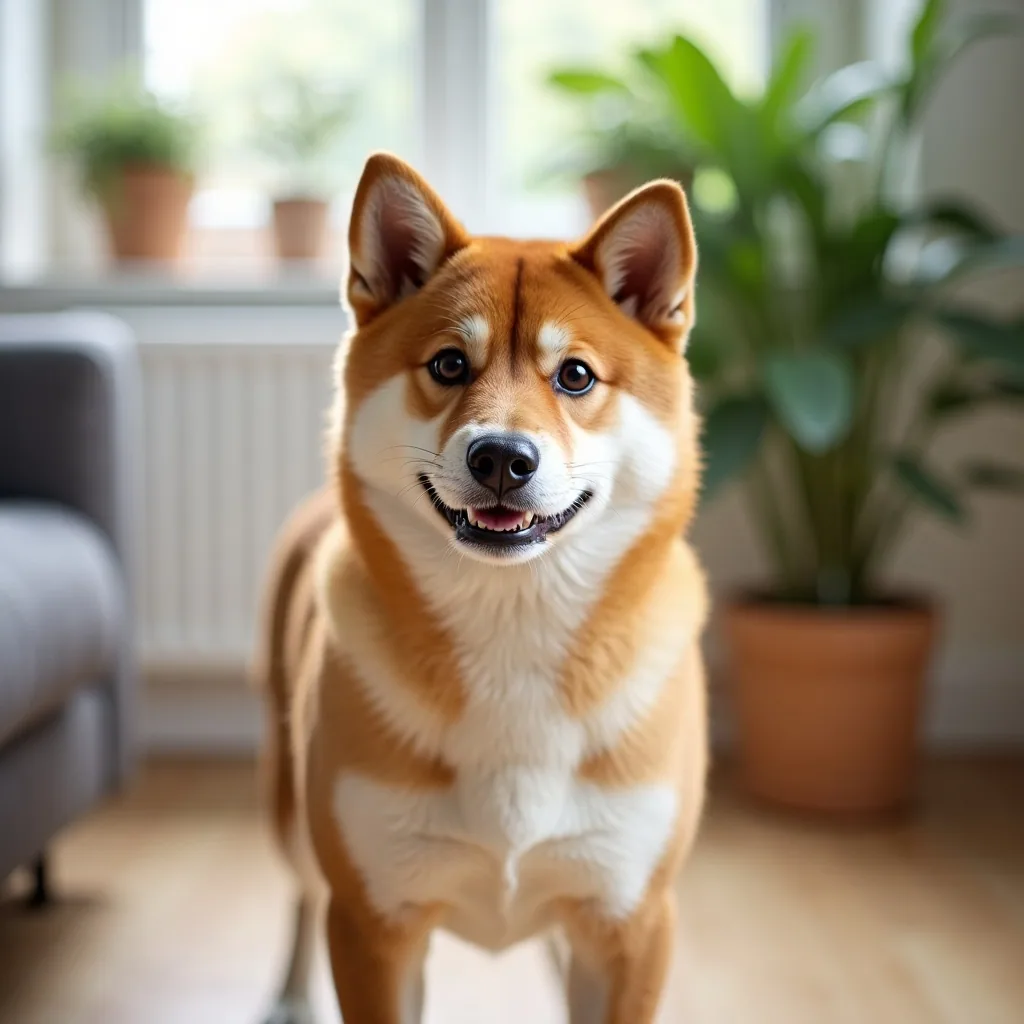
The quick answer
No — Shibas are intelligent but famously stubborn and independent, with a strong streak of doing what suits them. They learn quickly when they see a reason to, but they will not work simply to please you the way a Labrador might.
Training a Shiba Inu is rewarding, occasionally exasperating, and nothing like training a typical obedience-focused breed. Shibas are clever, but they are also famously independent, self-willed and selective about cooperating. Setting realistic expectations from the start — and using the right methods — is the key to a happy relationship. Here is a practical, honest guide to training a Shiba Inu.
Understand the Shiba mindset first
Before any training, accept what you are working with. The Shiba was developed to hunt small game in mountainous terrain, often working at a distance from people and making its own decisions. That heritage shows: Shibas are intelligent and quick to learn, but not naturally obedient or eager to please. They will happily learn something if they can see what is in it for them, and just as happily ignore you if they cannot. This is not stubbornness for its own sake so much as a self-reliant dog deciding your request is not worth the effort. Training a Shiba is therefore less about commanding and more about persuading.
Start early and socialise heavily
The most valuable training you can do is early, positive socialisation. From puppyhood, expose your Shiba calmly and gradually to a wide variety of people, dogs, places, sounds, surfaces and everyday experiences, keeping everything positive and rewarding. A well-socialised Shiba grows up more confident and less reactive, which makes everything else easier. Because the breed is naturally aloof with strangers and can be assertive with other dogs, this groundwork pays off for the rest of the dog's life. Puppy classes run by a reward-based trainer are well worth attending.
Use reward-based methods — never force
Shibas respond poorly to harsh, forceful or punitive handling. Confrontational methods tend to make them more resistant, more defensive, and can trigger the dramatic 'Shiba scream' or even guarding. Positive, reward-based training — paying generously with food, play or praise for the behaviour you want — is far more effective and protects your relationship. Find what truly motivates your individual dog; many Shibas are food-driven, while others work better for a favourite toy. Keep sessions short, upbeat and varied, ending while the dog is still interested rather than drilling to the point of boredom. A bored Shiba simply switches off.
The recall problem
If there is one thing every prospective Shiba owner must understand, it is recall. The combination of a strong prey drive and a deeply independent nature means many Shibas can never be reliably trusted off-lead in open, unfenced spaces. A Shiba that spots a squirrel, cat or rabbit may simply switch off to your calls and give chase, and once in pursuit they can travel a long way. You should absolutely train recall — practising in secure, fenced areas, rewarding lavishly every time, and building up gradually — but you must do so while accepting that many Shibas will never have bombproof recall. For day-to-day safety, that means walking on lead or in enclosed spaces, and using a secure, well-fitted harness and a strong lead. A long line in a safe area lets a Shiba enjoy more freedom without the risk of losing them.
Crucial early lessons
Beyond recall, focus on the foundations that make life safe and pleasant:
- Lead walking. Reward loose-lead walking from the start so your Shiba does not learn to pull.
- Handling and grooming. Get your puppy used to being touched, brushed and having paws, ears and mouth examined, paying with treats, so vet visits, nail trims and the dreaded coat blow are less stressful.
- Trading, not taking. To head off the breed's possessive streak, teach a 'swap' for something better rather than snatching items away. Never punish guarding — it makes it worse.
- Alone time. Build up time alone gradually so your dog learns to settle without distress.
- Toilet training and a settled routine, kept consistent by everyone in the household.
Keep their clever mind busy
A bored Shiba finds its own entertainment, often at your furniture's expense. Channel that intelligence with mental enrichment: puzzle feeders, scatter feeding, scent games, chews and short training games. Browse puzzle and enrichment toys and consider a slow feeder to make mealtimes a brain workout. Mental stimulation tires a Shiba as effectively as physical exercise and reduces problem behaviours.
Consistency and patience win
Shibas notice the moment a rule is applied inconsistently and will exploit it, so everyone in the household must use the same cues and stick to the same boundaries. Progress can feel slower than with biddable breeds, and plateaus are normal. Stay patient, keep it positive, and celebrate small wins. If you hit serious problems — guarding, reactivity or aggression — seek a qualified, reward-based behaviourist early rather than letting issues entrench. You can plan exercise around training with our dog walking calculator.
The honest bottom line
You will not turn a Shiba Inu into an off-lead, heel-perfect obedience dog, and trying to force one will backfire. What you can build, with early socialisation, reward-based methods, realistic recall expectations and lots of mental stimulation, is a confident, well-mannered, safely managed companion. Embrace the breed's independence rather than fighting it, and training becomes a genuine pleasure. For more, see our guides on whether Shibas suit families and health and temperament.
*This is general guidance. For persistent behaviour problems, consult your vet and a qualified, reward-based behaviourist.*
Sources
- The Kennel Club — Shiba Inu breed information and training (thekennelclub.org.uk).
- RSPCA — reward-based training and socialisation (rspca.org.uk).
- Blue Cross — dog training and behaviour (bluecross.org.uk).
- PDSA — puppy training and socialisation (pdsa.org.uk).
Common questions
Are Shiba Inus easy to train?
No — Shibas are intelligent but famously stubborn and independent, with a strong streak of doing what suits them. They learn quickly when they see a reason to, but they will not work simply to please you the way a Labrador might. Reward-based, patient, consistent training works best, started early and kept short and motivating. Recall is the hardest part: their strong prey drive and self-reliance mean many Shibas can never be trusted off-lead in unfenced spaces.
Can you let a Shiba Inu off the lead?
Many Shibas can never be reliably trusted off-lead in open, unfenced spaces. Their strong prey drive and independent nature mean that if they spot a squirrel, cat or rabbit they may ignore your recall and chase a long way. You should still train recall in secure, fenced areas and reward it generously, but most owners walk Shibas on a lead or long line and only allow freedom in safely enclosed places.
What training method works best for a Shiba Inu?
Positive, reward-based training works far better than force. Harsh or confrontational methods make Shibas more resistant and defensive and can trigger guarding or the dramatic Shiba scream. Find what motivates your individual dog — food or a favourite toy — keep sessions short, upbeat and varied, and end while they are still interested. Consistency from everyone in the household and early socialisation are just as important as the rewards themselves.
About the author
Matt Garnett — founder, Giddy Pets
Matt started Giddy Pets to make getting pets the good stuff simpler and fairer. Everything in these guides comes from real life with pets and a lot of trial and error — it's practical guidance, not veterinary advice. If a guide gets something wrong, tell him directly.
Free tools & more guides
Read next
Are Shiba Inus Good Family Dogs?
An honest look at whether Shiba Inus suit family life — their independent, aloof nature, possessive streak, and the households they genuinely fit.
Shiba Inu Health & Temperament
The health conditions Shiba Inus can be prone to — allergies, patellar luxation, hip dysplasia and eye disorders — and an honest look at the Shiba temperament.
How Much Does a Shiba Inu Cost? Buying & Lifetime Costs
What a Shiba Inu really costs in the UK — the purchase price of a health-tested puppy, the lifetime running costs, and why insurance matters.
Shiba Inu Shedding & Grooming (Coat Blow)
Why Shiba Inus shed so heavily, what the twice-yearly coat blow involves, how to groom the double coat, and why you should never shave a Shiba.