
Are Shiba Inus Good Family Dogs?
An honest look at whether Shiba Inus suit family life — their independent, aloof nature, possessive streak, and the households they genuinely fit.
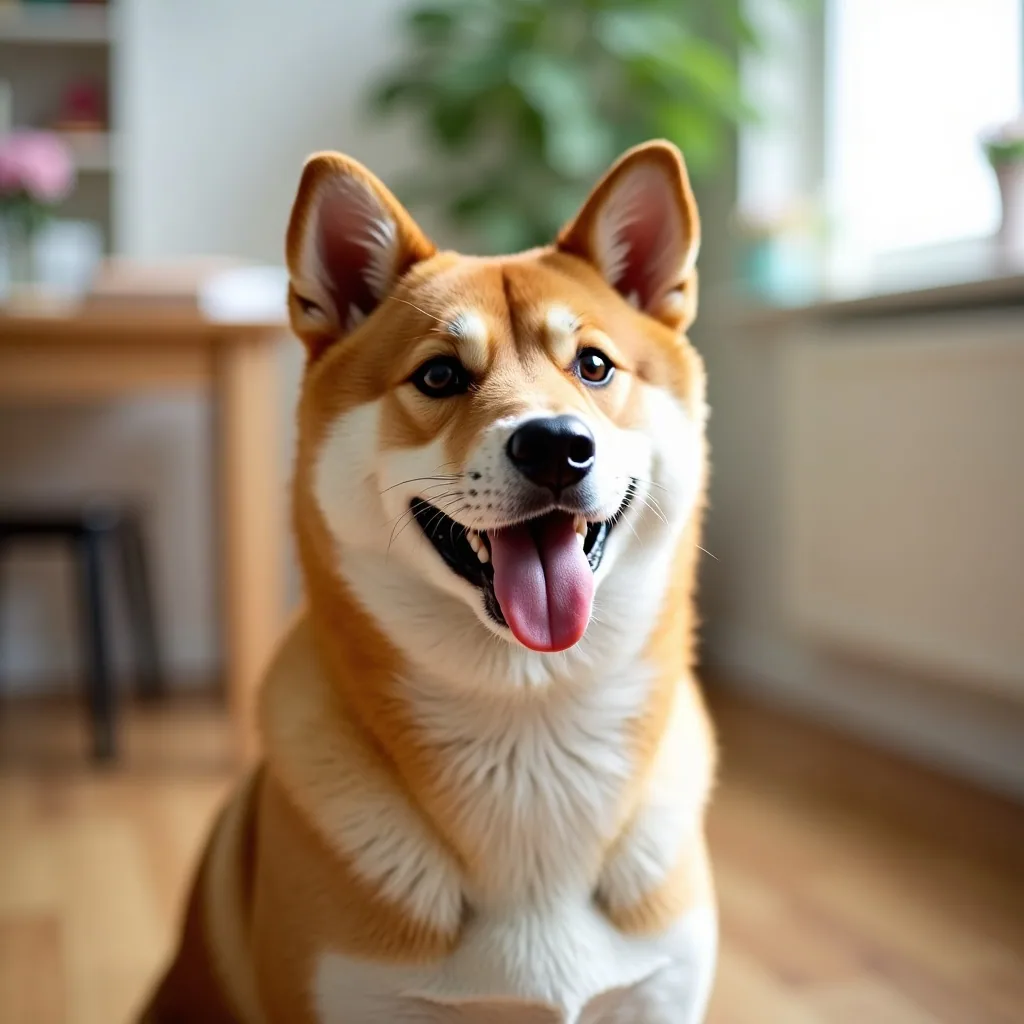
The quick answer
Shiba Inus can fit into a family, but they are an honest choice rather than an easy one. They are independent, aloof and not naturally eager to please, so they bond closely with their household yet rarely fawn over everyone.
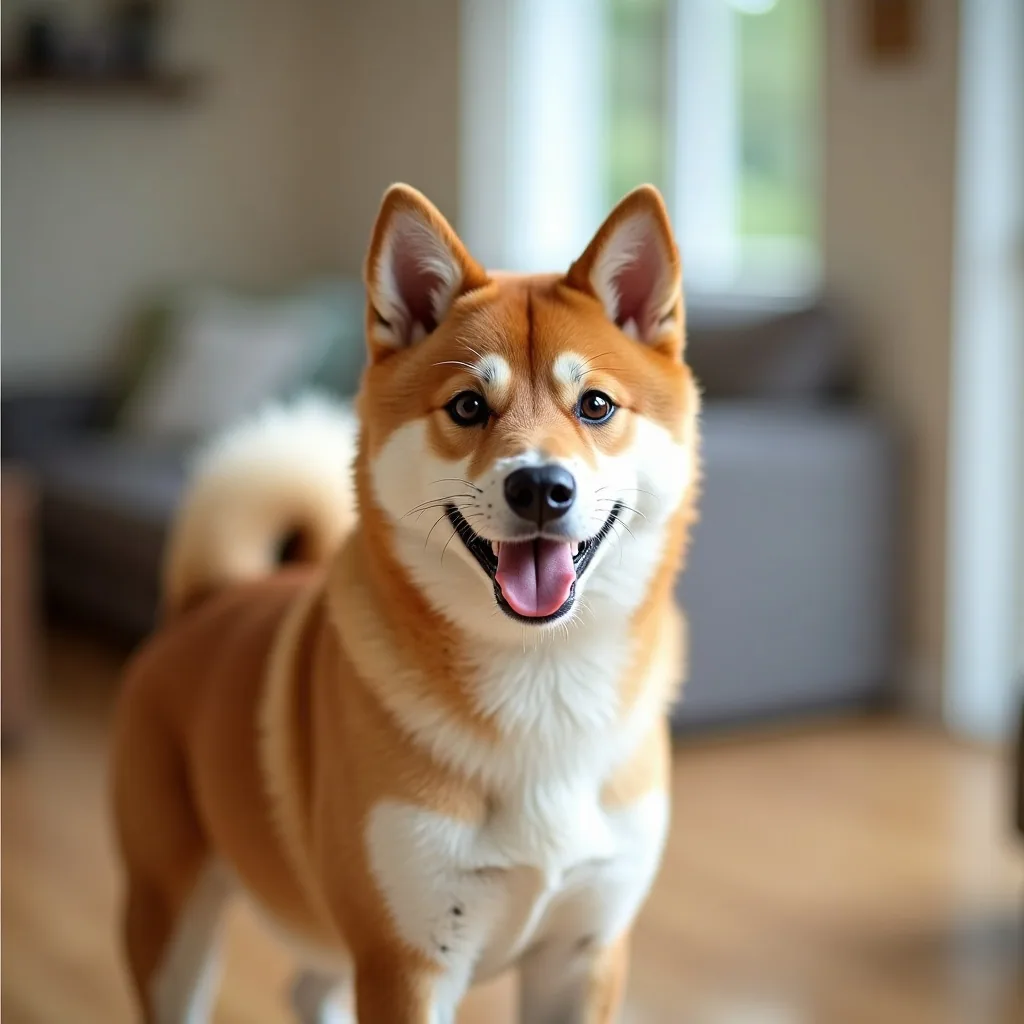
The Shiba Inu is one of Japan's most recognisable breeds: a compact, fox-like spitz with an alert expression, a curled tail and an unmistakable air of self-possession. Their good looks and growing popularity mean plenty of families fall for them — but a Shiba is not a typical family dog, and going in with realistic expectations matters far more with this breed than with most. Here is an honest look at whether a Shiba Inu suits family life.
An independent breed, not an eager-to-please one
The single most important thing to understand about Shibas is that they are independent and self-reliant rather than biddable. Bred originally to flush small game and birds in the mountains of Japan, they are intelligent, confident and accustomed to making their own decisions. Where a Labrador or Golden Retriever lives to please its people, a Shiba tends to weigh up whether your request is worth its while. This does not make them cold — many Shibas are deeply attached to their family — but the relationship is more cat-like: affection on the dog's terms, given freely but not lavishly. Families who want a constantly demonstrative, people-pleasing dog often find the Shiba's reserve frustrating.
Aloof with strangers, devoted to their own
Shibas are typically loyal to their household but aloof or wary with strangers. They are not the sort of dog to greet every visitor with delight, and many are reserved, watchful or standoffish with people they do not know. Early, positive socialisation helps enormously, exposing a puppy to many people, places and situations so they grow up confident rather than suspicious. Even so, the breed's reserved character tends to persist. For a family that entertains often or has a constant stream of visitors and children's friends, this is worth thinking through honestly.
The possessive streak
One trait families must take seriously is the Shiba's tendency towards possessiveness and resource guarding. Many Shibas dislike having their food, toys, chews or favourite resting spots taken away, and may growl or snap if they feel cornered or challenged. This is a normal canine behaviour the breed expresses more readily than some, and it can be managed well with the right approach — teaching trading games, never snatching things away, feeding undisturbed, and giving the dog a safe space of its own. It does, however, mean that homes with very young children, who cannot reliably read warning signs or leave the dog alone while it eats, need to be especially careful and closely supervised.
Shibas and children
A Shiba can live happily with children, but the breed generally suits calm, respectful, older children better than toddlers. Shibas often dislike rough, unpredictable or smothering handling, hugging and cornering, and they will let you know. Children must be taught to leave the dog alone when it is eating, sleeping or resting, to avoid grabbing or chasing, and to recognise when the dog wants space. With a sensible, dog-savvy family and proper supervision, many Shibas do well; in a chaotic household where a dog cannot get peace, they tend to struggle.
Other pets
The breed's strong prey drive also shapes family fit. Many Shibas are not safe to live with cats, rabbits, hamsters or birds unless raised carefully alongside them from puppyhood, and even then care is needed. With other dogs they can be aloof or assertive and often dislike sharing, so multi-dog homes need thoughtful management. If you have small pets or want a relaxed multi-animal household, be realistic about whether a Shiba is the right choice.
Exercise, stimulation and grooming
Shibas are active, agile and clever, needing daily walks, play and mental stimulation to stay content. Because of their unreliable recall and prey drive, much of their exercise happens on a secure lead — a well-fitted harness is a sensible investment. They also shed heavily, especially during their twice-yearly coat blow, so the family needs to be happy with regular grooming and plenty of hoovering (see our guide on shedding and grooming). Puzzle and enrichment toys help meet their need to think — browse puzzle and enrichment toys for ideas.
So, are Shiba Inus good family dogs?
For the right family, yes — but only with eyes open. A Shiba suits a calm, dog-experienced household with older, respectful children, people who appreciate an independent, dignified companion rather than a clingy one, and owners committed to early socialisation, secure handling and regular grooming. They are far less suited to homes with toddlers and small pets, families wanting an off-lead, fetch-obsessed playmate, or anyone hoping for an easy, biddable dog. Meet the breed, talk to owners, and be honest about your lifestyle before deciding. For more on what living with one involves, see our guides on training and health and temperament.
*This is general guidance, not a substitute for advice from your vet or a qualified behaviourist, who can assess your individual dog and household.*
Sources
- The Kennel Club — Shiba Inu breed information (thekennelclub.org.uk).
- PDSA — choosing a dog and family suitability (pdsa.org.uk).
- Blue Cross — dogs and children, and resource guarding (bluecross.org.uk).
- RSPCA — socialisation and dog behaviour (rspca.org.uk).
Common questions
Are Shiba Inus good family dogs?
Shiba Inus can fit into a family, but they are an honest choice rather than an easy one. They are independent, aloof and not naturally eager to please, so they bond closely with their household yet rarely fawn over everyone. Many are possessive of food, toys or resting spots and dislike rough or unpredictable handling, so they suit calm, dog-savvy families with older children better than homes with very young toddlers. Early socialisation and respectful, hands-off interactions make all the difference.
Are Shiba Inus good with children?
Shibas generally suit calm, respectful, older children better than toddlers. They often dislike rough, unpredictable or smothering handling and can be possessive of food and toys, so children must be taught to leave the dog alone when it is eating, sleeping or resting, and never to grab or chase. With a dog-savvy family and close supervision many Shibas do well, but a chaotic household where the dog cannot get peace is a poor fit.
Do Shiba Inus get on with other pets?
It varies. Shibas can be aloof or assertive with other dogs and often dislike sharing, and their high prey drive means many are not safe with cats, small furries or birds unless raised carefully alongside them. Early, positive socialisation improves tolerance, but some Shibas remain best as the only pet. Introductions should always be gradual and supervised, and resource guarding watched for in multi-pet homes.
About the author
Matt Garnett — founder, Giddy Pets
Matt started Giddy Pets to make getting pets the good stuff simpler and fairer. Everything in these guides comes from real life with pets and a lot of trial and error — it's practical guidance, not veterinary advice. If a guide gets something wrong, tell him directly.
Free tools & more guides
Read next
How to Train a Shiba Inu (Realistic Expectations)
Training a Shiba Inu means working with a stubborn, independent breed — realistic expectations, reward-based methods, and why recall is the hard part.
Shiba Inu Health & Temperament
The health conditions Shiba Inus can be prone to — allergies, patellar luxation, hip dysplasia and eye disorders — and an honest look at the Shiba temperament.
Shiba Inu Shedding & Grooming (Coat Blow)
Why Shiba Inus shed so heavily, what the twice-yearly coat blow involves, how to groom the double coat, and why you should never shave a Shiba.
How Much Does a Shiba Inu Cost? Buying & Lifetime Costs
What a Shiba Inu really costs in the UK — the purchase price of a health-tested puppy, the lifetime running costs, and why insurance matters.