
Shiba Inu Health & Temperament
The health conditions Shiba Inus can be prone to — allergies, patellar luxation, hip dysplasia and eye disorders — and an honest look at the Shiba temperament.
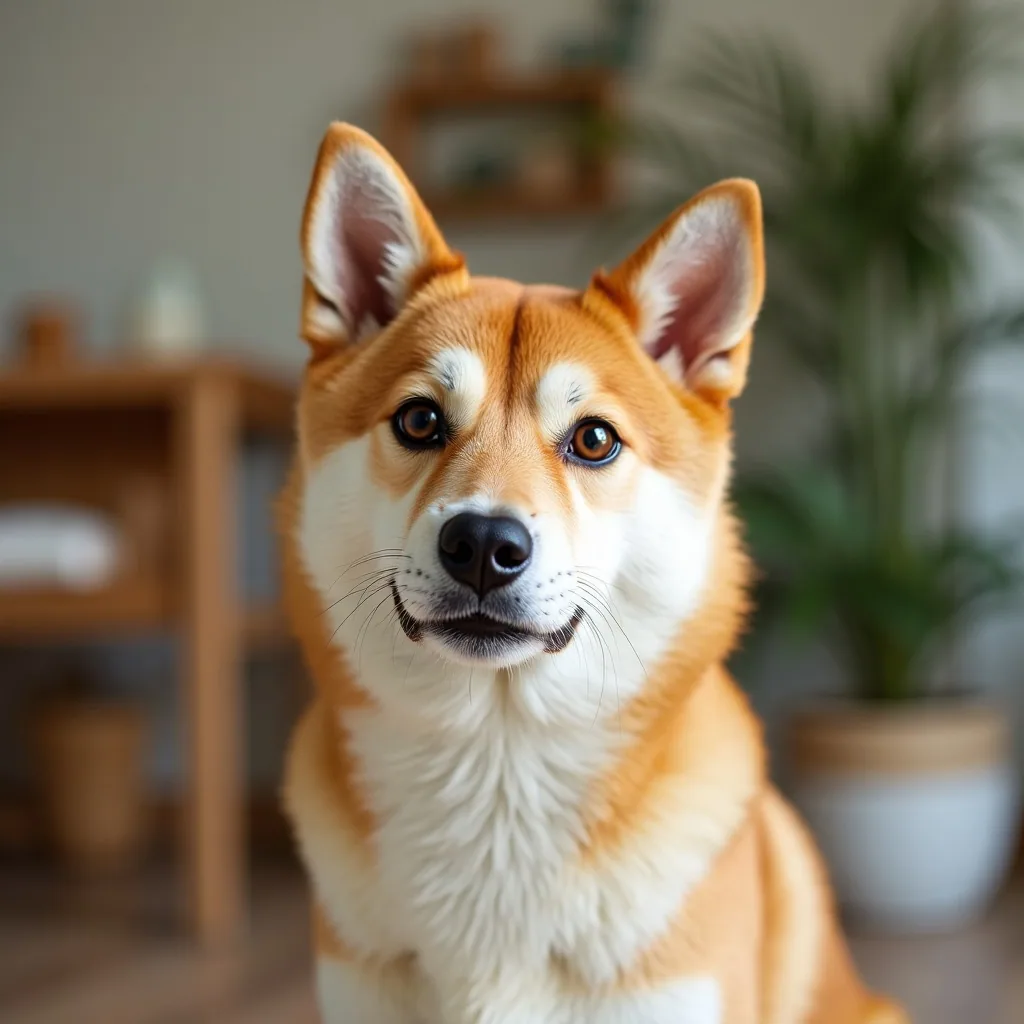
The quick answer
Shibas are generally hardy but can be prone to allergic skin disease and atopic dermatitis, patellar luxation (slipping kneecaps), hip dysplasia and several inherited eye disorders including glaucoma. Like all dogs they can also develop dental disease and gain weight.
The Shiba Inu is a generally hardy, long-lived breed with a personality all of its own. Understanding both sides — the health conditions the breed can carry and the distinctive Shiba temperament — helps you decide whether one is right for you and care for it well if it is. Here is an honest, factual look at Shiba Inu health and temperament.
A generally healthy breed
Shibas are often considered a robust, primitive-type breed, and many live long, healthy lives — commonly to around 12–16 years with good care. As with any breed, though, certain conditions appear more often, and buying from a breeder who health-tests the parents reduces the risk of inherited problems. The conditions below are ones to be aware of, not a checklist that every Shiba will develop. Keeping your dog at a healthy weight, feeding well, staying on top of dental care and seeing your vet regularly all support a long life.
Allergies and atopic skin disease
One of the more common issues in the breed is allergic skin disease, including atopic dermatitis (atopy) — an inherited tendency to react to environmental allergens such as pollens, dust mites or moulds, and sometimes to foods. Signs include itching, scratching, licking or chewing (especially at the paws, face, ears and belly), recurrent ear infections, and red or inflamed skin. Atopy is usually a lifelong condition that is managed rather than cured, through a combination of avoiding triggers where possible, medication, medicated washes and good general skin care. If your Shiba is itchy beyond the normal moult, see your vet rather than assuming it is just shedding — our shedding and grooming guide explains the difference.
Patellar luxation
Patellar luxation — where the kneecap slips out of its normal groove — is seen in the breed and in many small to medium dogs. It can range from a mild, intermittent skip in the gait to a more serious problem causing lameness and, over time, arthritis. Mild cases may need little intervention, while more severe cases can require surgery. Signs to watch for include an occasional hopping or skipping step, especially on the back legs, or holding a leg up briefly while walking. Keeping your dog lean protects the joints, and any persistent lameness warrants a vet check.
Hip dysplasia
Hip dysplasia, an abnormal development of the hip joint that can lead to pain and arthritis, can also affect Shibas. Responsible breeders may hip-score breeding dogs to reduce the risk in their lines. Maintaining a healthy weight, providing appropriate (not excessive) exercise during growth, and seeking veterinary advice if you notice stiffness, reluctance to exercise or difficulty rising all help. A supportive, well-padded bed is kind to ageing or arthritic joints.
Eye conditions, including glaucoma
The breed can be affected by several inherited eye disorders, which is why eye testing of breeding dogs matters. These can include conditions such as glaucoma (raised pressure within the eye, which is painful and can threaten sight and needs urgent veterinary attention) and other inherited eye diseases. Signs of an eye problem include a red, cloudy or bulging eye, evident pain, excessive tearing, or changes in vision such as bumping into things. Any sudden eye change should be treated as an emergency. Buying from parents with current eye-test certificates reduces the risk of inherited eye disease.
Other points
Like all dogs, Shibas benefit from routine dental care (dental disease is very common), parasite prevention, and weight management — browse dental care for products. Because the breed can be prone to several inherited conditions, pet insurance taken out early is genuinely worthwhile; see our pet insurance guide. You can get a rough sense of lifespan with our pet life expectancy tool and find clinics through our vet finder.
The Shiba temperament — honestly
The Shiba's character is as distinctive as its looks. They are bold, confident, alert and intensely independent — a primitive-type breed that thinks for itself. With their own family they can be affectionate and loyal, but often in a dignified, cat-like way rather than a clingy one. They tend to be aloof or reserved with strangers, and many are possessive of food, toys and space, with a readier tendency towards resource guarding than some breeds. Roughly handled, cornered or pushed, a Shiba will object — sometimes with the famous high-pitched 'Shiba scream', a dramatic vocal protest most owners encounter during grooming, nail trims or vet visits.
They also carry a strong prey drive and can be assertive with other dogs, which shapes how they live with cats, small pets and other dogs. None of this makes them aggressive by nature — they are not — but it does mean they reward respectful, sensitive handling and early, thorough socialisation, and they are not the easy-going, biddable dog some first-time owners expect. For a deeper look at how this affects daily life, see our guides on whether Shibas suit families and training.
Helping your Shiba stay healthy and happy
- Buy from a health-tested, responsible breeder and ask about eye, hip and patella testing.
- Keep your dog lean to protect joints and overall health, using our pet calorie calculator.
- Socialise early and handle gently to build a confident, well-adjusted dog.
- Watch the skin, eyes and gait, and see your vet promptly for itching, lameness or eye changes.
- Insure early for a breed with several inherited risks.
*This is general guidance, not a substitute for advice from your vet, who can assess your individual dog. Seek qualified behavioural help for guarding or reactivity.*
Sources
- The Kennel Club — Shiba Inu breed information and health (thekennelclub.org.uk).
- PDSA — dog health, skin disease and joint conditions (pdsa.org.uk).
- Blue Cross — dog health and behaviour (bluecross.org.uk).
- RVC VetCompass — UK dog health and longevity research (rvc.ac.uk/vetcompass).
Common questions
What health problems are Shiba Inus prone to?
Shibas are generally hardy but can be prone to allergic skin disease and atopic dermatitis, patellar luxation (slipping kneecaps), hip dysplasia and several inherited eye disorders including glaucoma. Like all dogs they can also develop dental disease and gain weight. Buying from a breeder who health-tests the parents — including eye and joint testing — keeping your dog lean, and insuring early all help protect a long, healthy life.
How long do Shiba Inus live?
Shiba Inus are a generally hardy breed and often live to around 12–16 years with good care. Genetics, diet, healthy weight, dental care and routine veterinary attention all influence longevity. The breed can be prone to conditions such as allergies, patellar luxation, hip dysplasia and certain eye disorders, so buying from health-tested parents and insuring early helps protect a long, healthy life.
What is the Shiba Inu temperament like?
Shibas are bold, confident, alert and intensely independent, thinking for themselves rather than living to please. They can be affectionate with their family in a dignified, cat-like way, but are often aloof with strangers and can be possessive of food, toys and space, with a readier tendency to resource guard. They are not aggressive by nature but reward respectful handling and early socialisation, and may give a dramatic 'Shiba scream' when they dislike something.
About the author
Matt Garnett — founder, Giddy Pets
Matt started Giddy Pets to make getting pets the good stuff simpler and fairer. Everything in these guides comes from real life with pets and a lot of trial and error — it's practical guidance, not veterinary advice. If a guide gets something wrong, tell him directly.
Free tools & more guides
Read next
Are Shiba Inus Good Family Dogs?
An honest look at whether Shiba Inus suit family life — their independent, aloof nature, possessive streak, and the households they genuinely fit.
How to Train a Shiba Inu (Realistic Expectations)
Training a Shiba Inu means working with a stubborn, independent breed — realistic expectations, reward-based methods, and why recall is the hard part.
How Much Does a Shiba Inu Cost? Buying & Lifetime Costs
What a Shiba Inu really costs in the UK — the purchase price of a health-tested puppy, the lifetime running costs, and why insurance matters.
Shiba Inu Shedding & Grooming (Coat Blow)
Why Shiba Inus shed so heavily, what the twice-yearly coat blow involves, how to groom the double coat, and why you should never shave a Shiba.