


Persian cat grooming for owners: daily plan & tools
Persian cat grooming for owners: daily plan & tools
Daily combing plus a daily face wipe is the baseline for every Persian, no exceptions. Their dense double coat mats fast if left even a few days, and their flat faces need cleaning to prevent skin fold dermatitis and eye infections. The whole routine takes 5 to 10 minutes: comb the full coat, wipe the face, check armpits and behind the ears for early tangles.
Your mini-schedule:
- Daily: face wipe, full-body comb, quick friction-zone check
- Weekly: fine-tooth comb through armpits and rump, nail and ear check
- Monthly: bath or professional groom decision, deeper undercoat inspection
Pro Tip: Start with two-minute sessions on a kitten or a nervous adult. Tolerance builds through repetition, not duration.
Key Takeaways
Daily combing and daily face wiping form the non-negotiable core of Persian cat grooming, with bathing and professional dematting as periodic backup, not substitutes.
| Point | Details |
|---|---|
| Daily routine is non-negotiable | Comb the full coat and wipe the face every day to prevent mats and eye infections. |
| Prioritise friction zones | Armpits, behind the ears, belly, and tail base mat first and need extra attention. |
| Never bathe a matted coat | Detangle fully before wetting, or the mat tightens and becomes painful to remove. |
| Know the red flags | Skin-close mats, painful reactions, or eye discharge mean a groomer or vet, not a DIY fix. |
| Build a simple kit | Giddy pets’ comb, slicker, gloves, and clippers cover the whole routine without overbuying. |
Table of Contents
- Daily and weekly grooming checklist for Persians
- What tools do you actually need for Persian cat grooming?
- How do you brush and comb a Persian cat correctly?
- How often should you bathe a Persian cat?
- How do you prevent and safely remove mats?
- Face, eye, and hygiene care for Persians
- How do you make grooming stress-free for your cat?
- When does a Persian need a professional groomer or vet?
- Vet-verified tips and mistakes to avoid
- Giddy Pets’ recommended Persian grooming kit
- Frequently asked questions
- Sources
Daily and weekly grooming checklist for Persians
Persians don’t tolerate a “once a week will do” approach. Their coat texture and flat facial structure both demand more frequent attention than a shorthair, and skipping days is exactly how small tangles turn into painful mats.
Daily (5 to 8 minutes):
- Wipe eyes and face folds with a damp cloth or saline pad
- Run a wide-tooth steel comb through the whole coat
- Reward with a treat so the cat associates grooming with something good
Weekly (10 to 15 minutes):
- Fine-tooth comb through armpits, behind the ears, and the rump
- Check nails and trim if they’ve grown past the quick
- Inspect ears for wax build-up or odour, and paws for debris between the toes
Monthly:
- Decide whether a bath is due or a professional groom is the better call
- Comb through the undercoat looking for hidden mats close to the skin
- Check whether a sanitary trim is needed around the rear
Cats with oilier coats, seniors who groom themselves less, or any Persian that’s already prone to matting need the weekly tasks done twice a week instead. Coat condition, not the calendar, should set the pace.
What tools do you actually need for Persian cat grooming?
You don’t need a cupboard full of gadgets. A handful of the right tools, used correctly and often, beats a drawer of expensive extras used rarely.
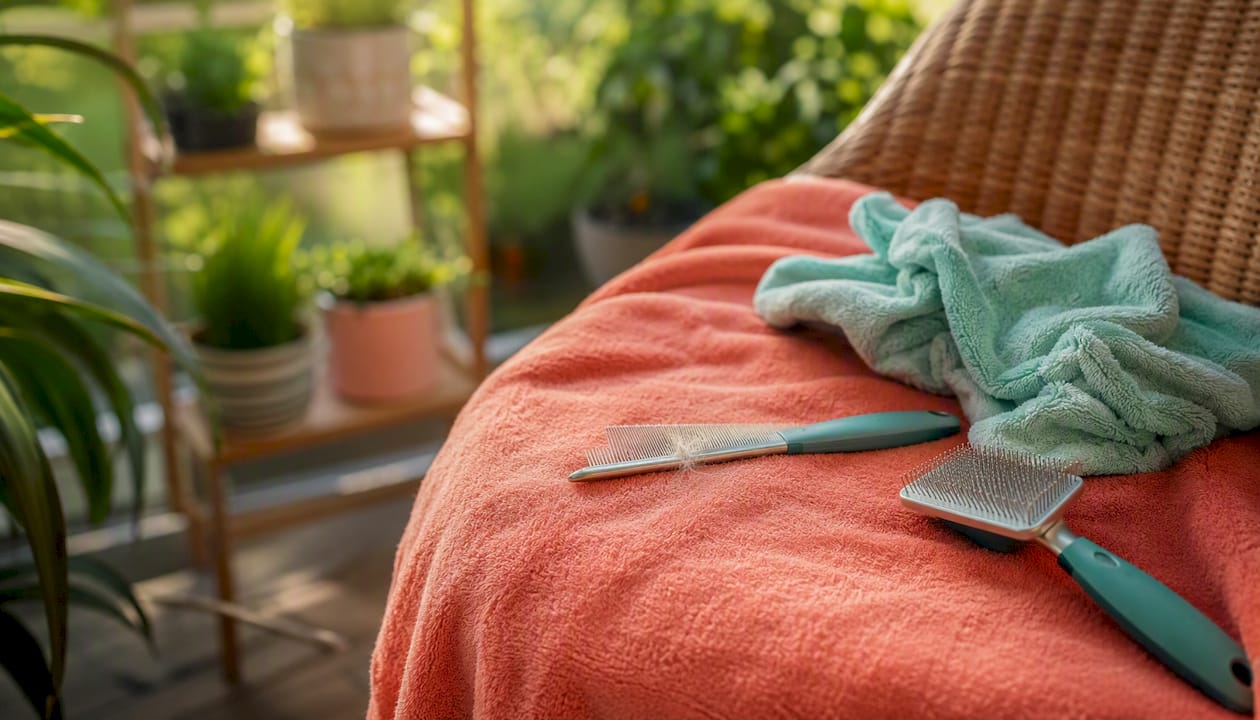
- Wide-tooth stainless steel comb — the first pass on any grooming session, used to find tangles before they tighten
- Soft slicker brush — lifts loose undercoat and finishes off the surface once the comb has been through
- Dematting comb or mat splitter — for isolated tangles, used sparingly and never as a first-line tool
- Grooming gloves — a gentle bridge for nervous cats who resist a brush
- Blunt-tipped scissors — for sanitary trims and stray mats too close to skin for a comb
- Nail clippers and styptic powder — for the weekly nail check, with the powder on hand in case you nick the quick
For hygiene, keep a cat-safe tear cleanser or saline solution for the face, soft cloths, and a shampoo and conditioner formulated for long hair. Vet-verified grooming guidance points to a wide-tooth metal comb and a slicker as the two tools that do most of the daily work.
Avoid deshedding blades on Persians. They’re built for double-coated breeds with shorter topcoats and can cut fragile Persian hair or scrape the skin. A proper grooming kit built around a comb rather than a rake will always be gentler.
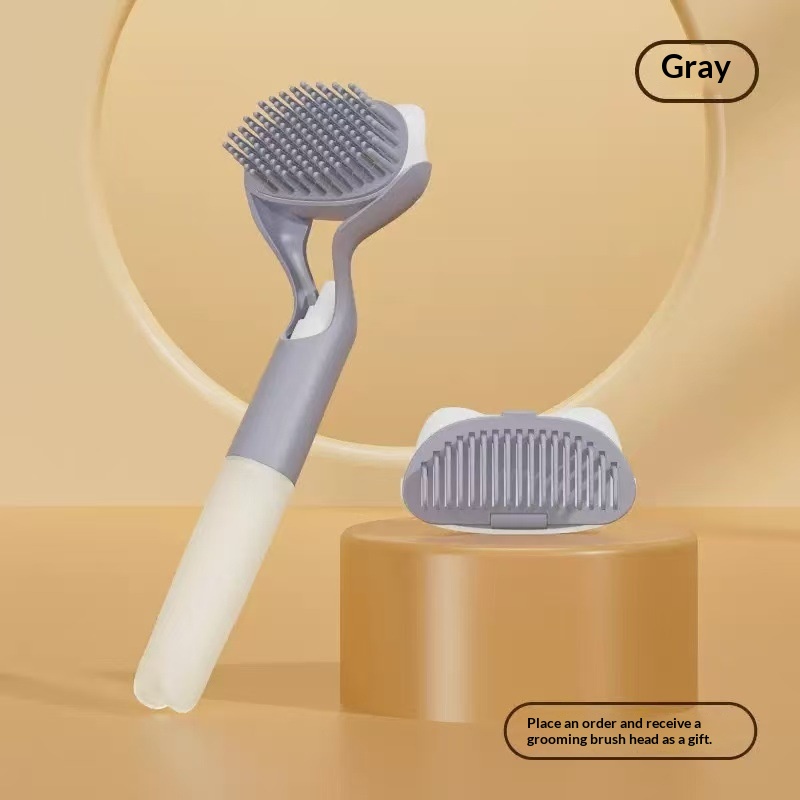
Pro Tip: Rinse and dry your comb after every session. Trapped oil and hair encourage bacteria, which then gets reapplied to your cat’s coat next time you brush.
How do you brush and comb a Persian cat correctly?
Technique matters more than tool count. Rushing the sequence, or brushing straight over a tangle without checking underneath, is how small knots turn into skin-tight mats.
- Sit the cat on your lap or a stable surface and stroke it by hand first, letting it settle
- Run the wide-tooth comb through the full coat in the direction of hair growth, section by section
- Follow with the slicker brush over the same sections to lift loose undercoat
- Switch to a fine-tooth comb for friction zones: armpits, behind the ears, belly, and tail base
- Check each section again before moving on, feeling for any resistance under the comb
Work in small sections rather than dragging the comb through the whole flank in one motion. If you hit a tangle, hold the skin firmly at its base with one hand before combing it out with the other; this stops the pull from reaching the skin and causing pain. Combing gently against the grain occasionally helps you spot mats hiding close to the roots that a with-the-grain pass would miss.
Friction zones deserve the most time in any session, roughly a minute each, because that’s where mats form first on almost every Persian. Armpits and behind the ears mat from movement; the belly and tail base mat from lying down and reduced self-grooming.

Pro Tip: For a wriggly cat, try the two-person method: one person holds and reassures with treats while the other combs. It halves session time and keeps stress low for everyone.
If your cat tenses at a particular spot, stop, offer a treat, and come back to that area in the next session rather than pushing through.
How often should you bathe a Persian cat?
Bathing frequency depends on coat condition, not a fixed rule. Kittens benefit from training baths every 2 to 4 weeks to build tolerance early, while adults with a well-maintained coat can go 4 to 6 weeks between baths. Cats with oilier coats, or those who go outdoors and pick up grit, need it more often.
- Comb the coat out fully before wetting it, removing every tangle you can find
- Pop cotton balls gently in the outer ears to keep water out
- Use lukewarm water and a cat-specific shampoo diluted per the label
- Massage in gently, avoiding the face, then rinse until the water runs completely clear
- Apply a conditioner formulated for long hair to ease post-bath combing
- Pat dry with a towel, then finish with a low-heat dryer, combing as you go
Never bathe a matted coat before detangling it. Wetting a tight mat pulls the hair tighter and turns a manageable tangle into a painful, skin-close knot that often needs a professional to remove.
Dry all the way to the skin, not just the surface. A damp undercoat left to air-dry is one of the most common causes of fresh matting and can encourage skin irritation underneath. Never use human shampoo. It’s formulated for a different skin pH and strips the natural oils a Persian’s coat depends on.
How do you prevent and safely remove mats?
Prevention is daily combing, full stop. Most matting starts in the friction zones, so a thorough pass through the armpits, behind the ears, and the rump every day catches problems while they’re still loose tangles rather than felted knots. Tidy feeding areas and a clean litter tray also cut down on debris that works its way into the coat.
- Comb daily, focusing on friction zones first
- Keep a shorter trim in high-risk areas if your cat mats easily
- Check the coat after any rough play or a nap on a rough surface
For a minor tangle, hold the skin at the base of the mat, then work a comb through from the tip of the hair toward the skin, never the reverse. A dematting tool can help split a stubborn knot, but use it sparingly. It’s a specialist tool, not a daily one.
Know when to stop. If your cat flinches, the skin looks raised or red, there are open sores, or the mat is pulling directly on the skin, that’s a job for a professional groomer or vet. Trying to cut a tight mat yourself risks cutting the skin beneath it, especially on thin-skinned areas like the belly and groin.
Pro Tip: A groomer will often shave a badly matted area rather than comb it out, because combing a felted mat causes far more pain than a short clip. That’s the safer call, even if it means a temporary bald patch.
Face, eye, and hygiene care for Persians
Persian faces need daily attention because their flat structure traps tears and debris that a normal-faced cat would never accumulate. Wipe around the eyes each day with a damp cloth or a vet-recommended saline cleanser, moving outward from the corner of the eye. Watch for green or yellow discharge, swelling, or a foul odour. Those signs point to infection, not routine staining, and need a vet visit.
Tear staining itself is largely cosmetic once you’ve ruled out infection. Daily gentle cleaning keeps it manageable, but expect some staining to persist even with a perfect routine. Consult your vet if staining suddenly worsens or the skin under the eyes looks sore.
- Trim hair around the rear conservatively for hygiene, or leave it to a professional if your cat resists handling there
- Check nails weekly and trim just the tip, avoiding the pink quick
- Inspect ears weekly for wax, odour, or redness; seek vet advice for anything beyond light wax
Sanitary trims reduce the chance of trapped faeces matting into the fur around the rear, which is a common and preventable hygiene issue in long-haired breeds.
How do you make grooming stress-free for your cat?
Grooming should feel like a routine, not a wrestling match. Start young if you can, but older cats adapt too with patience.
- Keep early sessions under two minutes, always ending on something positive
- Desensitise gradually: touch paws, open the mouth briefly, comb for a few strokes, then build up over days
- Use the two-person method for nervous cats, and grooming gloves as a gentler entry point before a full brush
- Stop the moment you see flattened ears, a swishing tail, or a growl; pushing past that point teaches a cat to fear grooming, not tolerate it
Pro Tip: A treat during, not just after, keeps a fidgety cat’s attention on the reward rather than the comb.
When does a Persian need a professional groomer or vet?
Some situations are beyond a home routine, and knowing the line matters as much as knowing the technique.
- Vet, urgently: painful or swollen eyes, thick discharge, visible skin infection, or signs of general illness like lethargy and reduced appetite
- Groomer: mats that have tightened onto the skin, severe sanitary hygiene problems, or a cat too stressed to handle safely at home
Professional dematting or a full shave typically costs more than a routine bath, and quotes vary depending on how severe the matting is by the time you book.
Vet-verified tips and mistakes to avoid
A few small errors account for most of the grooming problems Persian owners run into.
- Never bathe a matted coat; detangle first or hand it to a professional
- Never use human shampoo; a cat’s skin pH is different and human formulas cause dryness and irritation
- Don’t attempt to shave a heavily matted area yourself; the skin sits closer to the surface than it looks
- Daily eye hygiene isn’t optional for this breed. It’s the single biggest thing owners are responsible for, given the Persian’s flat facial structure
Persians depend on their owners for eye hygiene in a way most breeds don’t. A daily wipe is prevention, not cosmetic upkeep, and skipping it is how minor tear staining turns into a recurring infection.
If matting or sanitary issues keep recurring despite a consistent routine, it’s worth bringing a vet or a cat-experienced groomer into the conversation rather than troubleshooting alone.
A quick word on consistency
Short daily sessions beat one long weekly battle every time, because tangles caught early never get the chance to tighten into something painful. Get the five-minute habit right and most of the serious problems in this guide simply won’t happen. Giddy pets built its grooming range around that same idea: the right tool, used little and often, does more than an expensive one used rarely.
Giddy Pets’ recommended Persian grooming kit
A starter kit doesn’t need to be complicated. For most Persians, five items cover the entire routine: a soft slicker brush, a wide-tooth stainless steel comb, a pair of grooming gloves for nervous cats, a cat-specific shampoo and conditioner, and a set of nail clippers with styptic powder on standby.

Giddy pets stocks each of these individually rather than bundling them into one fixed set, so you can build a kit that suits your cat’s coat and temperament instead of paying for tools you won’t use. The cat grooming brushes range covers slickers and combs suited to long-haired breeds, and the stainless steel dematting comb is worth adding if your Persian mats easily around the armpits or rump. For nail care, the cat nail clippers range is sized for a cat’s small, curved claw rather than adapted from a dog clipper. If you’d rather compare options outside our range first, Kiblco’s beginner clipper guide is a useful independent read.
We’ll say this plainly: this section exists to point you toward products we sell. If your cat’s mats are already tight to the skin or the coat has gone beyond what a home kit can manage, book a professional groomer instead of reaching for a bigger tool. For everything short of that, browse the cat grooming brushes category and put together a kit that matches your Persian’s coat before the next tangle takes hold.

Frequently asked questions
How often should I brush my Persian cat? Every day, without exception. A single missed day rarely causes problems, but skipping several days in a row is how loose tangles turn into mats.
Can I bathe my Persian cat myself? Yes, as long as the coat is fully combed out first and you dry it all the way to the skin afterwards. Skip the bath if the coat is matted; detangle first.
What’s the biggest grooming mistake Persian owners make? Wetting a matted coat before combing it out. It tightens the mat and often turns a five-minute fix into a vet or groomer visit.
Do Persians need professional grooming? Most don’t need it regularly if daily combing is kept up, but tight mats close to the skin, severe sanitary issues, or a cat that won’t tolerate handling at home all call for a professional.
Sources
- RVC — disorders of Persian cats
- International Cat Care — Persian cats and brachycephaly
- Persian cat grooming tips: vet‑verified guide — Catster
- How to groom a Persian cat: tips to make things easy — The Vet Desk