








Vet Backed Natural Flea Plan for UK Dogs, Reapply Every 24–48 Hours
Vet Backed Natural Flea Plan for UK Dogs, Reapply Every 24–48 Hours
Natural flea repellents can reduce bites and discourage fleas from settling on your dog, but they rarely eliminate an infestation alone. The most reliable approach layers an on-dog repellent with regular combing, environmental cleaning, and a vet’s input when things escalate. Be aware that some popular “natural” remedies, including garlic and undiluted tea tree oil, are genuinely unsafe rather than gentle alternatives.
TL;DR:
- Natural flea repellents need to be reapplied every 24 to 48 hours during flea season to maintain effectiveness.
- Essential oils such as tea tree, undiluted clove, and garlic-based products can be toxic to dogs and should be avoided.
- Environmental control, including daily vacuuming, washing bedding at high temperatures, and outdoor nematodes, is essential for long-term flea management.
- Layering botanical sprays with regular grooming and environmental cleaning is crucial, especially in flea-heavy or multi-dog households.
- Dogs with sensitivities or in vulnerable groups should patch test every new repellent, and consult a vet before using botanical products on skin or coat.
Table of Contents
- Natural flea repellent for dogs: practical options and safe DIY recipes
- How to use botanical repellents safely
- Breaking the flea life cycle at home and in the garden
- What to avoid and when to see a vet
- Natural repellents versus chemical treatments: what the difference actually means
- Could your dog react badly to a natural repellent?
- Choosing the right repellent for your dog’s breed, age, and health
- Building prevention into everyday routine
- How long do natural flea products actually last?
- Where Giddy pets fits into your flea plan
- Stock your flea-fighting toolkit
- Sources
Natural flea repellent for dogs: practical options and safe DIY recipes
Botanical repellents work by creating a scent barrier fleas try to avoid. Lemongrass contains citral and geraniol, cedarwood oil interferes with insect pheromone signalling, and clove oil’s eugenol has both repellent and mild insecticidal properties, according to the Royal Veterinary College. None of these last as long as synthetic treatments, so reapplication is part of the deal, not a failure of the product.
Here’s what a genuinely useful natural flea routine looks like in practice.
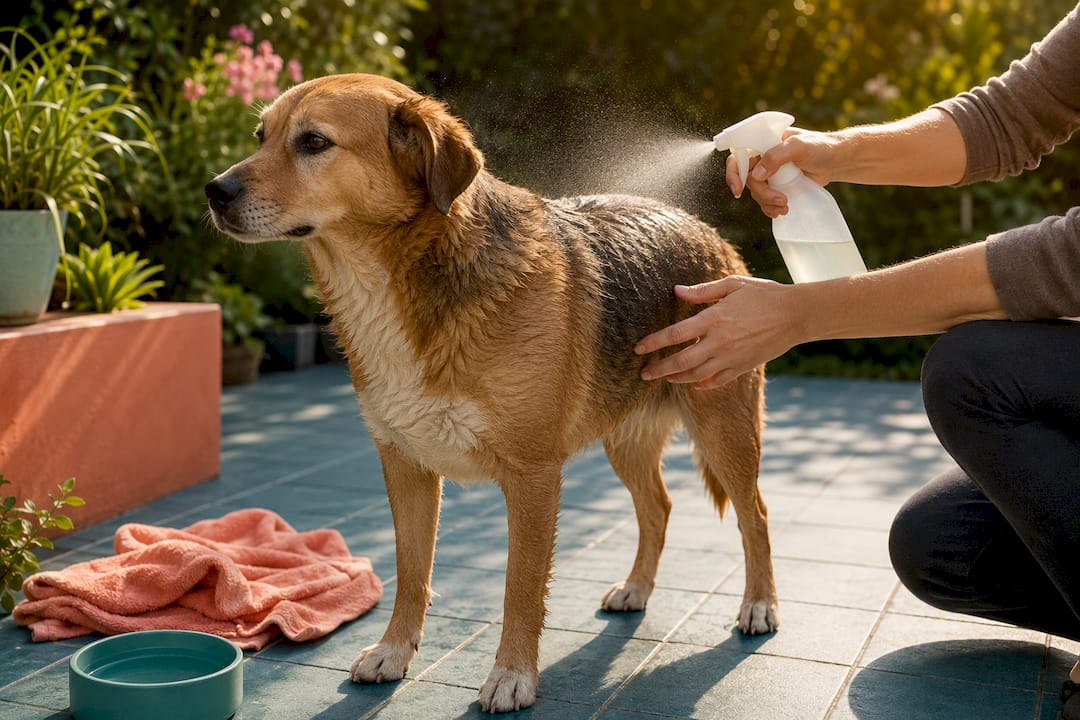
- Diluted lemongrass or cedarwood spray. Mix a light dilution into a carrier such as water or a mild base and mist the coat, avoiding the face. Reapply every 24 to 48 hours during flea season, more often after swimming or heavy rain.
- Natural flea shampoos and rinses. Use once or twice weekly during an active flea problem, then drop to fortnightly for maintenance. Always follow with a thorough rinse to avoid skin irritation.
- Food-grade diatomaceous earth for carpets. Sprinkle thinly on carpets and skirting boards, leave for a few hours, then vacuum thoroughly. Never apply it directly to your dog’s coat or skin.
- Beneficial nematodes for shaded garden areas. These microscopic organisms target flea larvae in damp, shaded soil where eggs collect, offering a genuinely non-chemical outdoor option, per UCR Nematology.
- Daily flea combing. A fine-toothed comb pulled through the coat, particularly around the neck, tail base, and belly, physically removes adult fleas and gives you an early warning sign before things get out of hand.
Two DIY recipes worth keeping on hand: a coat spray using a small amount of lemongrass or cedarwood oil diluted well into water in a spray bottle, shaken before each use; and a soothing rinse made by adding a few drops of diluted clove oil to a jug of warm water poured over the coat after shampooing, avoiding the eyes and ears entirely. Neither recipe is a substitute for a flea comb and clean bedding.
How to use botanical repellents safely
“Natural” doesn’t mean risk-free. Essential oils are concentrated plant chemistry, and dogs metabolise them differently to humans, which is exactly why vets urge caution rather than free experimentation.
- Keep topical dilutions low, generally no more than 1 to 2% oil in a carrier, and never apply neat oil to skin or fur.
- Patch test on a small area of skin, then wait a full day before treating the whole coat.
- Avoid the face, eyes, ears, and mucous membranes entirely when spraying or applying rinses.
- Let the coat dry fully before brushing or grooming to avoid rubbing concentrated product into broken skin.
- Steer well clear of tea tree oil, undiluted clove oil, and any garlic-based product, all flagged as unsafe for dogs by the Royal Veterinary College.
Pro Tip: Dab a diluted test spot on your dog’s inner thigh or shoulder and wait 24 hours. If you see redness, scratching, or swelling, stop immediately and switch to a plain water and vinegar-free rinse instead.
Application technique matters as much as the ingredient itself. Spray as a light mist rather than a soak, and massage it gently into the coat rather than letting it pool on the skin.
Breaking the flea life cycle at home and in the garden
Fleas you see on your dog are a small fraction of the total population living in your home. Carpets, sofas, and bedding hold eggs, larvae, and pupae that will keep hatching long after the visible fleas are gone, which is why environmental work matters as much as anything you put on your dog.
- Vacuum daily during an active infestation, then weekly once things settle, paying particular attention to skirting boards, under furniture, and your dog’s favourite resting spots. Empty the vacuum outside into a sealed bag each time.
- Wash bedding and soft toys at 60°C at least weekly during an infestation, dropping to fortnightly for prevention. Lower temperatures won’t reliably kill eggs.
- Apply food-grade diatomaceous earth to carpets and cracks, leave it several hours, then vacuum it up fully. It’s a useful environmental tool but should never go on your dog directly, as it can irritate the respiratory tract if inhaled, notes PetMD.
- Treat shaded, damp garden areas with beneficial nematodes, and clear leaf litter and log piles where flea larvae thrive. If an outdoor infestation persists after a full season of these steps, it’s worth calling a pest control professional.
What to avoid and when to see a vet
Some remedies that circulate online cause real harm rather than gentle relief. Garlic is toxic to dogs even in small quantities. Undiluted tea tree oil is highly toxic and has caused documented poisoning cases. Pouring alcohol or vinegar directly onto skin dries and damages it without reliably killing fleas, and household pesticides meant for surfaces should never touch your dog’s coat.
Call your vet promptly if you notice:
- A heavy, visible infestation that hasn’t responded to a week or more of combing and washing
- Pale gums, unusual tiredness, or other signs of anaemia, particularly in puppies or small breeds
- Open sores, scabbing, or hair loss from constant scratching
- Any allergic reaction, such as hives, swelling, or laboured breathing, after using a botanical product
Once fleas have taken hold properly, a prescription treatment is often the responsible choice precisely because it works faster and more completely than a botanical spray ever will.
Natural repellents versus chemical treatments: what the difference actually means
Chemical flea treatments, whether spot-on or oral, are formulated to kill fleas outright and typically remain effective for a month at a stretch. Natural repellents work differently. They deter rather than kill, which means a determined flea population can still get through, particularly if reapplication slips.
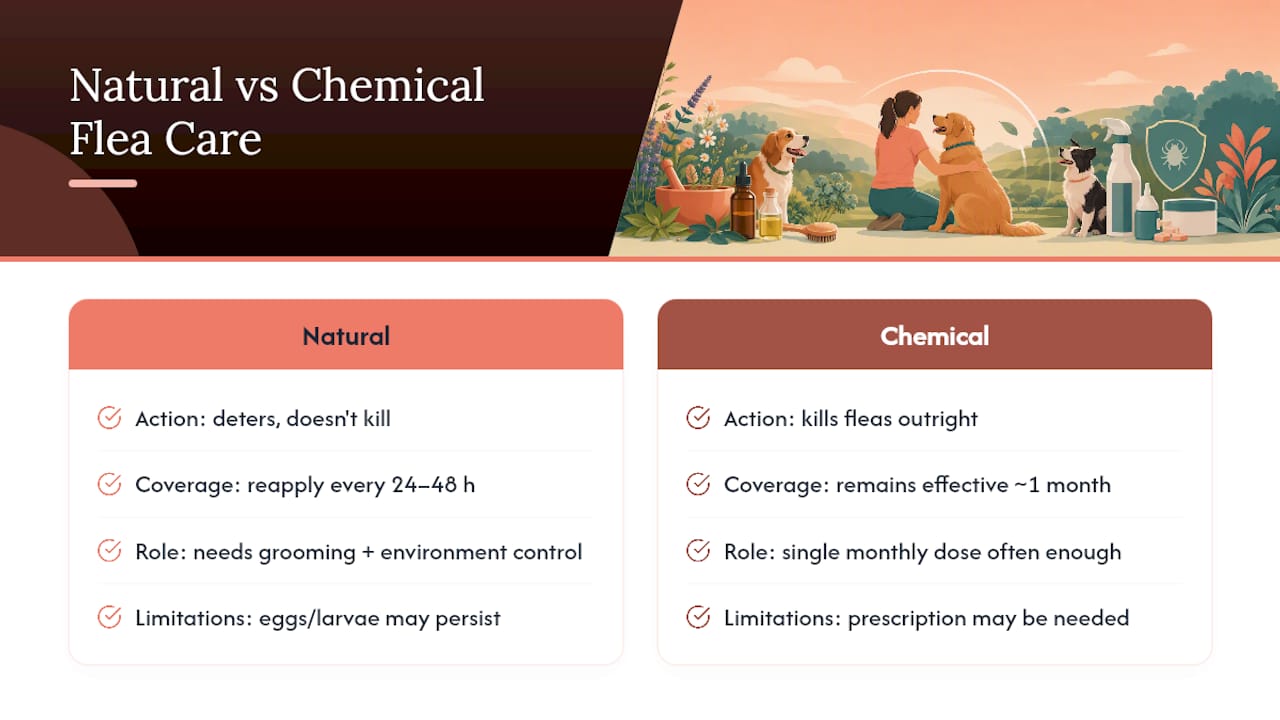
This isn’t an argument against going natural. It’s a reason to be honest about what each approach actually does. A layered strategy combining botanical sprays, consistent grooming, and environmental control closes most of the gap that natural products leave on their own. Dish soap and bathing, for instance, kill adult fleas on contact but leave eggs and larvae untouched, according to WebMD, which is exactly why a single bath is never the whole answer.
For dogs with mild, occasional flea exposure, particularly in cooler months, natural repellents paired with combing can be genuinely sufficient. For dogs in flea-heavy environments, multi-dog households, or areas with a known local flea problem, a natural-only approach often struggles to keep pace, and that’s precisely when a vet conversation about prescription options earns its place.
Could your dog react badly to a natural repellent?
Dogs can develop sensitivities to plant-based products just as they can to synthetic ones, and it’s a genuine risk worth watching for rather than dismissing. Signs include redness, excessive scratching at the application site, hives, drooling, or in rarer cases, vomiting if a product has been licked off in quantity.
Certain groups are more vulnerable. Puppies under twelve weeks have thinner, more absorbent skin. Breeds with sensitive skin, such as West Highland White Terriers or Bulldogs, tend to react faster to concentrated ingredients. Dogs with existing allergies or dermatitis are more likely to flag a new product as a problem than a dog with robust skin.
The safest habit is treating every new natural product as a potential allergen until proven otherwise, patch testing every single time, even with a brand you’ve used before, since formulations and batches vary. If a reaction does occur, wash the area with plain water, stop using the product entirely, and speak to your vet if symptoms don’t settle within a few hours.
Choosing the right repellent for your dog’s breed, age, and health
Not every dog tolerates the same ingredients equally, and matching the product to the individual matters more than following a generic routine.
Puppies and senior dogs need the gentlest formulations available, often at half the usual dilution, and should never receive undiluted essential oil products at all. Small and toy breeds absorb proportionally more of whatever you apply relative to their body weight, so lower concentrations and smaller treated areas make sense. Double-coated or long-haired breeds may need a slightly heavier application to penetrate the undercoat, but that’s a case for more frequent light applications, not a stronger dilution.
Dogs with skin conditions, allergies, or those on medication should only use a natural repellent after a chat with your vet, since some botanical compounds can interact with existing treatments or aggravate flare-ups. A generally healthy adult dog with no known sensitivities has the most flexibility to try different natural options and find what suits them.
Building prevention into everyday routine
The dogs who stay flea-free longest aren’t using a stronger product. They’re using an ordinary one, consistently. Weekly grooming sessions with a proper brush catch fleas and loose fur before they become a problem, and a deshedding brush makes that far less of a chore on thick-coated breeds.
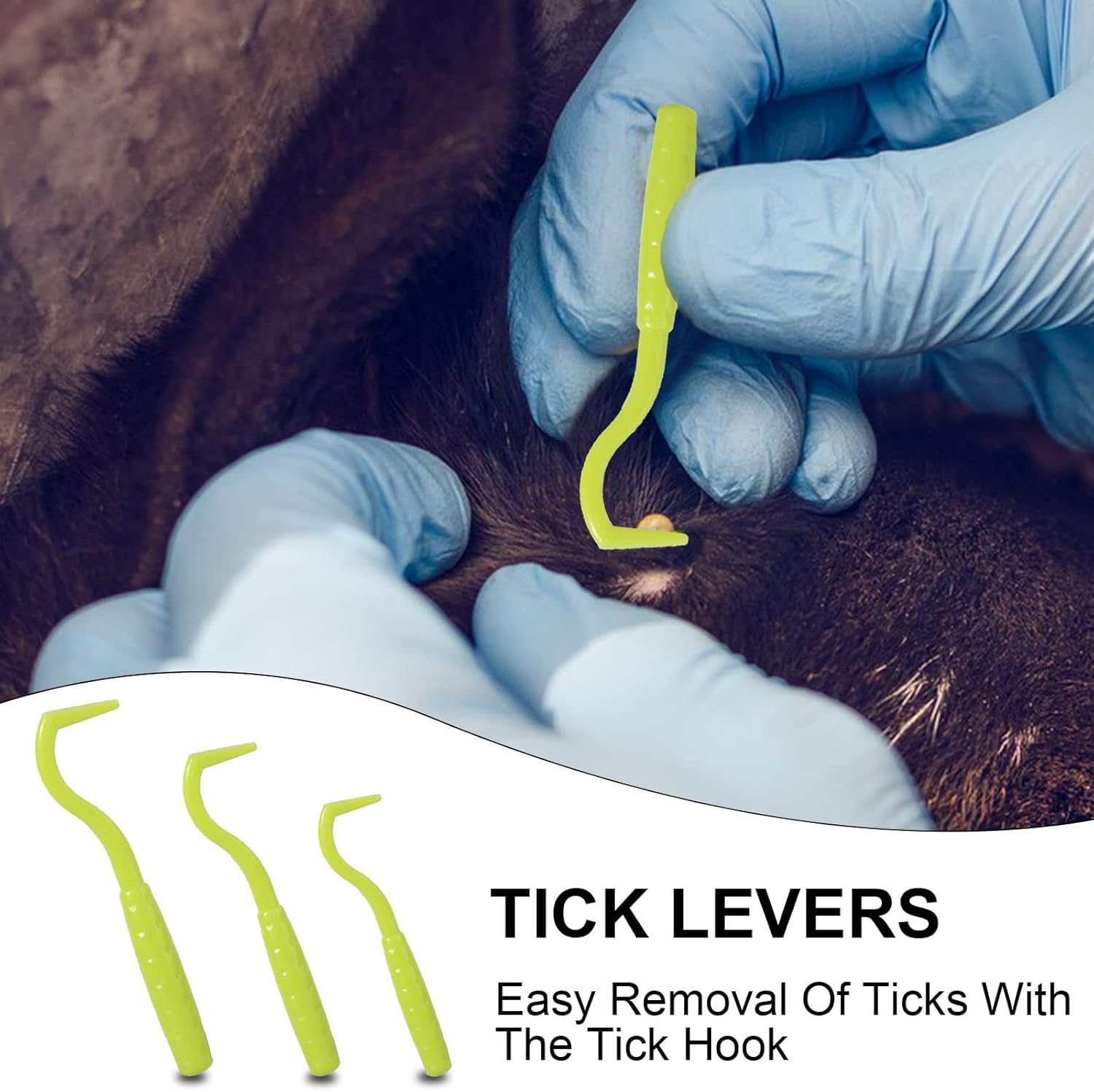
Outdoors, keep grass cut short and clear damp, shaded corners of the garden where flea larvae prefer to develop. Checking your dog after walks in long grass or wooded areas, especially through late spring and autumn when the case for year-round vigilance is strongest, catches hitchhikers before they settle in. A quick wipe-down after a muddy walk also helps, and dog wipes are handy for exactly that job without needing a full bath every time.
Consistency beats intensity here. A moderate routine kept up every week outperforms an intense one abandoned after a fortnight.
How long do natural flea products actually last?
Homemade sprays and rinses degrade faster than store-bought ones because they typically lack stabilisers. A DIY spray made fresh should be used within one to two weeks and kept in a cool, dark place, away from direct sunlight, which breaks down the active plant compounds quickly.
Store-bought natural repellents usually carry a shelf life of six to twelve months unopened, but check the label, since concentration and preservative use vary between brands. Once opened, most degrade noticeably within three to six months. Diatomaceous earth is the exception: kept dry and sealed, food-grade DE can last for years without losing effectiveness, since it works mechanically rather than chemically.
A few storage habits protect your investment. Keep bottles tightly sealed to slow oxidation, store them away from radiators or sunny windowsills, and label homemade batches with the date they were mixed. If a spray smells noticeably different or has changed colour, it’s past its best and shouldn’t go anywhere near your dog’s skin.
Where Giddy pets fits into your flea plan
A vet-approved, safety-first approach only works if it’s layered and kept up. Giddy pets backs that principle with practical tools that support the routine rather than replace it: a reliable flea comb for daily checks, gentle grooming brushes for regular coat maintenance, and washable dog beds that make hot-washing bedding straightforward rather than a weekend chore.
— Giddy
Stock your flea-fighting toolkit
Between combing, washing, and the odd DIY spray, a solid grooming kit does more heavy lifting than most owners expect. Giddy pets stocks flea and tick removers built for quick, comfortable checks, alongside deshedding brushes that clear the loose fur where eggs love to hide.

If you’re building a routine from scratch, start with the basics: a proper flea and tick remover for the comb-through stage, and a decent brush from the grooming brushes range to keep on top of shedding between full grooms. Pair either with the pet health and grooming shop for everything else your layered plan needs, and browse now to get your dog’s routine sorted before flea season peaks.
Sources
This article draws on veterinary and pest-science guidance rather than anecdote. The Royal Veterinary College’s pet flea advice grounds the safety warnings and application technique. PetMD informs the diatomaceous earth and nematode guidance. WebMD supports the effectiveness comparison, and Dr Ruth Roberts underpins the layered prevention framework running through the whole piece. For anyone weighing up pet-safe plants for the garden, Malik Flowers’ guide to pet-safe flowers is a useful companion read.
- Royal Veterinary College — pet fleas
- PetMD — natural flea repellent for your pets and home
- WebMD — remedies for fleas
- Dr Ruth Roberts — natural flea & tick prevention for dogs