


Hydrolysed protein for dogs: your complete 2026 guide

Hydrolysed protein for dogs: your complete 2026 guide
If your dog is scratching constantly, suffering recurring ear infections, or struggling with an upset stomach that no standard food seems to fix, a hydrolysed protein diet could be the answer your vet has been pointing you towards. These are specialised foods where proteins are broken down into tiny fragments called peptides, ideally below 13 kDa in size, small enough that your dog’s immune system simply does not recognise them as a threat. No recognition means no allergic reaction. The science is well-established, and UK vets increasingly recommend these diets as the gold standard for diagnosing and managing food allergies in dogs.
Your dog may be a good candidate for a hydrolysed protein diet if they show any of these signs:
- Persistent itching, especially around the paws, face, or groin
- Recurring ear infections or inflamed, waxy ears
- Chronic loose stools, vomiting, or flatulence
- Skin redness, hot spots, or hair loss without an obvious external cause
- Symptoms that return every time you switch back to a standard food
Crucially, hydrolysed diets are prescribed not just for food allergies but also for inflammatory bowel disease and other chronic gastrointestinal conditions. Despite the protein being broken down, the diet retains full nutritional quality and all the essential amino acids your dog needs. Nothing is lost nutritionally; only the structure changes.
Table of Contents
- Which hydrolysed protein dog foods are available in the UK?
- How to introduce a hydrolysed protein diet correctly
- Hydrolysed vs hypoallergenic dog food: what is the difference?
- Giddypets has everything your dog needs alongside their new diet
- Key takeaways
Which hydrolysed protein dog foods are available in the UK?
The UK market has a handful of well-regarded options, most of which require a veterinary prescription. Here is what you need to know about each one.
1. Calibra Hydrolysed Dog Food
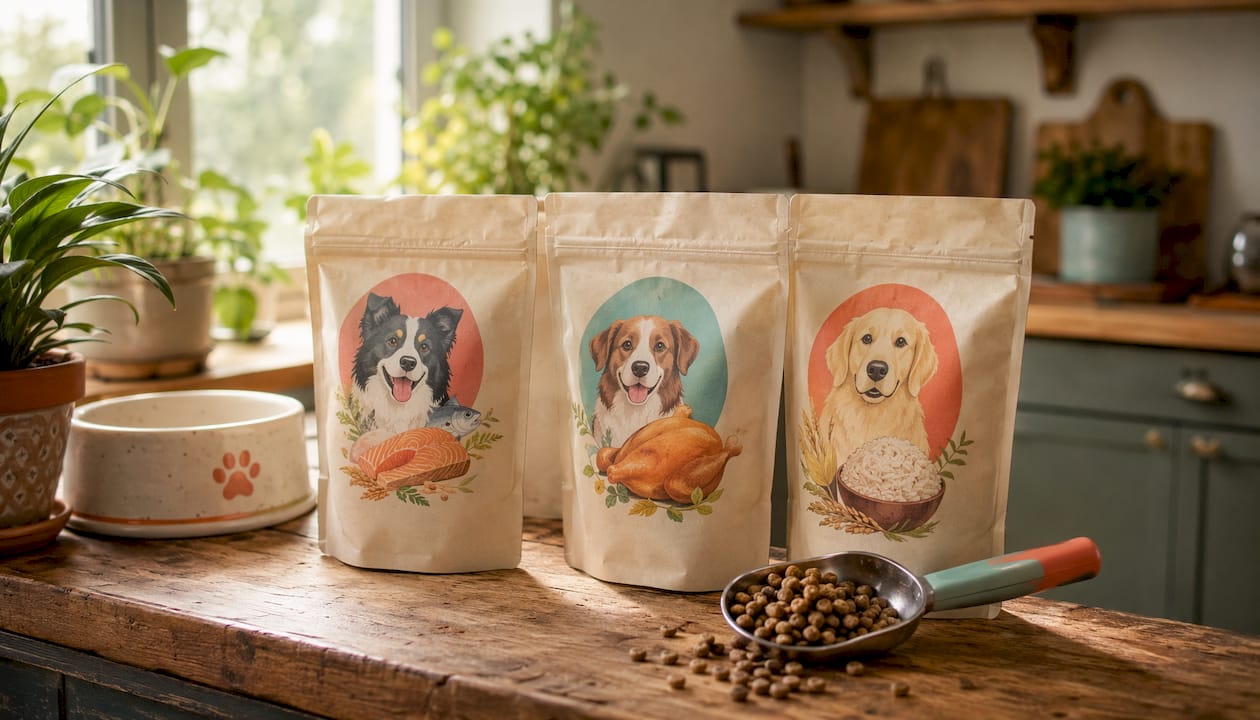
Calibra’s hydrolysed range uses salmon as its primary protein source, broken down to reduce antigenicity. It is available in dry kibble format and is often recommended for dogs with multiple food sensitivities. Calibra positions itself as a more accessible price point compared to some prescription-only rivals, though you should still consult your vet before starting it. The ingredient list is transparent, with a single hydrolysed protein source and a limited number of carbohydrates, which reduces the risk of accidental allergen exposure.
2. Nutrix Hydrolysed Dog Food
Nutrix offers a hydrolysed formula designed specifically for dogs with food intolerances and sensitive digestive systems. The range typically features hydrolysed chicken or soy protein, and the kibble is formulated to support both skin health and gut function simultaneously. It tends to be competitively priced within the prescription segment, making it a practical choice for owners managing long-term dietary needs. Ask your vet whether Nutrix’s degree of hydrolysis suits your dog’s specific condition, as peptide size varies between products and can affect how well a particular dog responds.
3. Royal Canin Hypoallergenic Dog Food
Royal Canin’s Hypoallergenic range is one of the most widely prescribed hydrolysed diets in UK veterinary practices. It uses hydrolysed soy protein and is available in both dry and wet formats, giving you flexibility during a feeding trial. Royal Canin backs its formulas with clinical feeding trials, and the manufacturing process includes strict quality controls to minimise cross-contamination risk. It sits at the higher end of the price range, but the consistency and veterinary confidence behind it make it a reliable first choice for elimination diet protocols.
A note on cost: hydrolysed dog foods are significantly more expensive than standard diets due to the complex enzymatic processing involved. Budget accordingly, particularly if your dog requires a prolonged feeding trial. For owners looking at single-protein wet food options that complement a sensitivity-focused approach, a single animal protein formula can be worth discussing with your vet as a transitional option.
On prescription status: most hydrolysed diets in the UK require a veterinary prescription and are dispensed through your vet or an authorised pharmacy. Over-the-counter alternatives exist but carry fewer manufacturing safeguards, which matters enormously during a diagnostic trial.
How to introduce a hydrolysed protein diet correctly
Getting this right takes patience, but the protocol is straightforward once you understand why each step matters.
-
Get a veterinary diagnosis first. Before starting any hydrolysed diet, have your vet rule out environmental allergies, parasites, and other causes. A food trial is a diagnostic tool, not a first guess.
-
Commit to the full trial period. A strict 6–10 week elimination trial is required to accurately diagnose food allergies. Your dog eats only the hydrolysed food for the entire duration, nothing else.
-
Remove all other food sources. No treats, no table scraps, no flavoured toothpaste, and no chewable medications unless your vet confirms they are allergen-free. Even a small crumb of the wrong food can invalidate the entire trial.
-
Monitor symptoms weekly. Keep a simple diary noting skin condition, stool quality, ear health, and energy levels. This gives your vet concrete data to work with at the follow-up appointment.
-
Attend the follow-up consultation. If symptoms improve, your vet may recommend a controlled reintroduction of individual proteins to identify the specific trigger. This confirmation step is what turns a suspicion into a diagnosis.
-
Consider switching products if there is no improvement. Not every hydrolysed diet works for every dog. If your dog shows no improvement after the full trial period, your vet may recommend a different hydrolysed formula with a different protein source or a higher degree of hydrolysis.
-
Plan for long-term management. Some dogs remain on hydrolysed diets indefinitely. Using a raised dog bowl can support comfortable eating posture, particularly for dogs with gastrointestinal sensitivities.
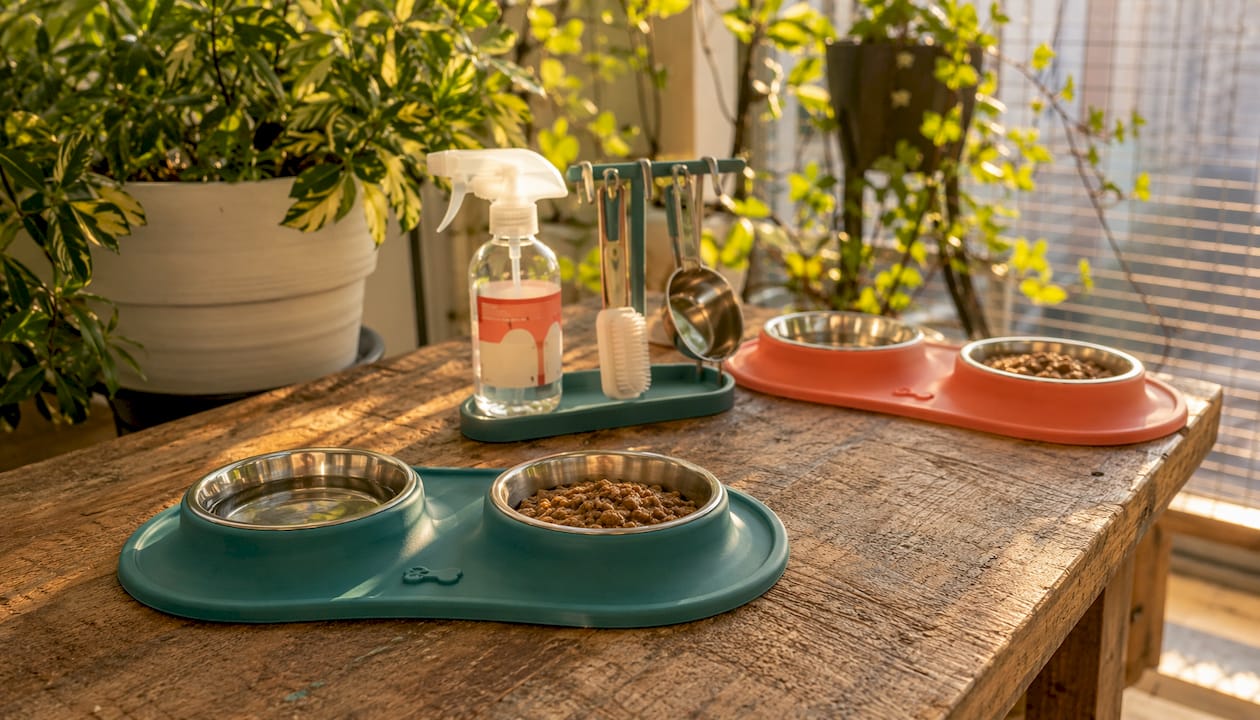
Pro Tip: Keep a dedicated feeding bowl and wash it separately from other pet bowls. Cross-contamination from shared equipment is a surprisingly common reason elimination trials fail, and it is entirely avoidable.
Hydrolysed vs hypoallergenic dog food: what is the difference?
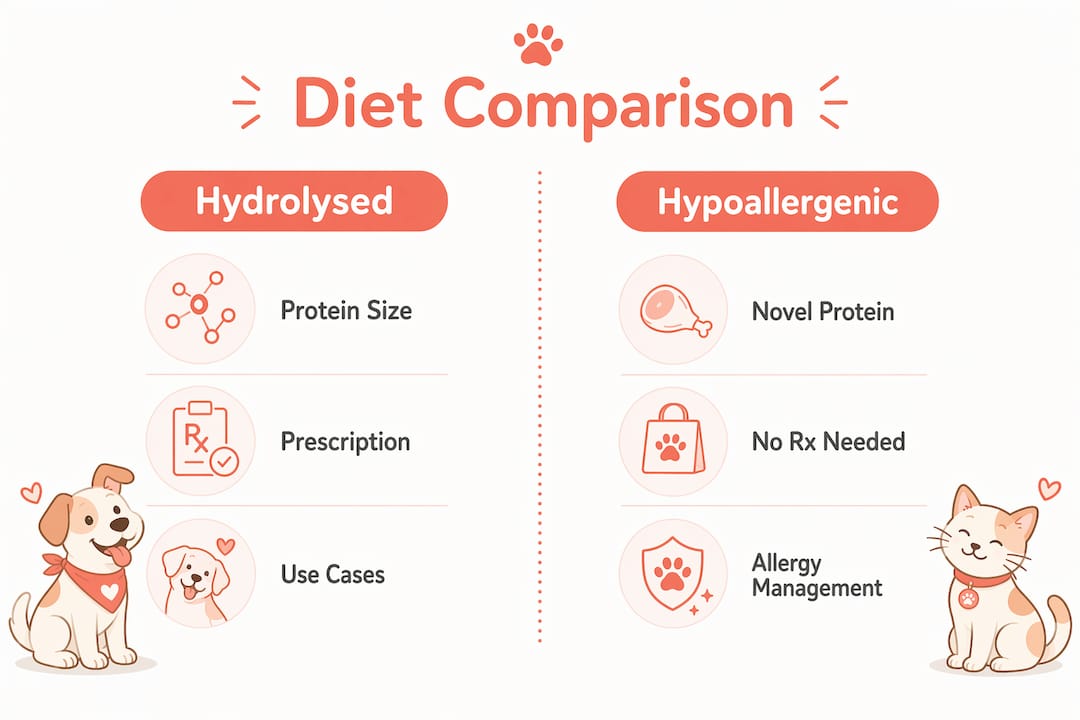
These two terms are often used interchangeably, but they describe genuinely different approaches to managing food allergies.
| Feature | Hydrolysed protein diet | Hypoallergenic (novel protein) diet |
|---|---|---|
| How it works | Proteins broken into peptides too small for immune recognition | Uses uncommon proteins the dog has never encountered before |
| Allergen control | Chemical reduction of antigenicity | Relies on protein novelty |
| Manufacturing controls | Strict; prescription diets have higher safeguards | Variable; OTC options carry contamination risk |
| Prescription required | Usually yes | Not always |
| Cost | Higher | Moderate to high |
| Palatability | Can be less appealing due to bitter peptide taste | Generally more palatable |
| Best suited for | Confirmed or suspected food allergies; IBD | Dogs with limited protein exposure history |
The key distinction is this: a hydrolysed diet chemically dismantles the protein so the immune system cannot react to it. A novel protein diet simply bets that your dog has never eaten kangaroo or venison before, so there is nothing to react to yet. Both can work, but hydrolysed diets offer more predictable allergen control, particularly in dogs with complex or unknown allergy histories.
Many owners assume an over-the-counter “hypoallergenic” food is equivalent to a prescription hydrolysed diet. It rarely is. OTC products are manufactured on shared lines and carry a real risk of cross-contamination, which is why vets consistently favour prescription hydrolysed options for formal elimination trials.
- Hydrolysed diets: best for diagnostic trials and confirmed food allergies
- Novel protein diets: useful for long-term management once the allergen is identified
- OTC hypoallergenic foods: insufficient for accurate food allergy diagnosis
Giddypets has everything your dog needs alongside their new diet
Switching your dog to a hydrolysed diet is only part of the picture. Keeping that food fresh, uncontaminated, and served correctly matters just as much during a feeding trial.
Giddypets stocks a carefully chosen range of feeding accessories that make managing a strict dietary protocol far less stressful. Airtight dog food storage containers keep hydrolysed kibble fresh and free from cross-contamination between meals, while slow feeder bowls help dogs with sensitive digestion pace themselves properly. For owners managing timed, portion-controlled meals during a long elimination trial, Giddypets’s automatic pet feeders take the guesswork out of consistent daily feeding. Browse the full range at Giddypets and find the right tools to support your dog’s health from the very first meal.
Key takeaways
Hydrolysed protein diets are the most reliable tool available for diagnosing and managing food allergies in dogs, provided the feeding trial is followed with complete strictness.
| Point | Details |
|---|---|
| How hydrolysis works | Proteins are broken into peptides below 13 kDa, too small for the immune system to recognise as allergens. |
| Trial duration | A strict 6–10 week exclusive feeding period is required for an accurate food allergy diagnosis. |
| Contamination risk | Even a single treat or flavoured medication can invalidate the entire elimination trial. |
| Cost consideration | Hydrolysed diets are significantly more expensive than standard foods due to complex processing. |
| Giddypets support | Airtight storage containers, slow feeders, and automatic feeders from Giddypets help maintain trial integrity. |