







First hour can save your dog: vet backed foods toxic to UK dogs
First hour can save your dog: vet backed foods toxic to UK dogs
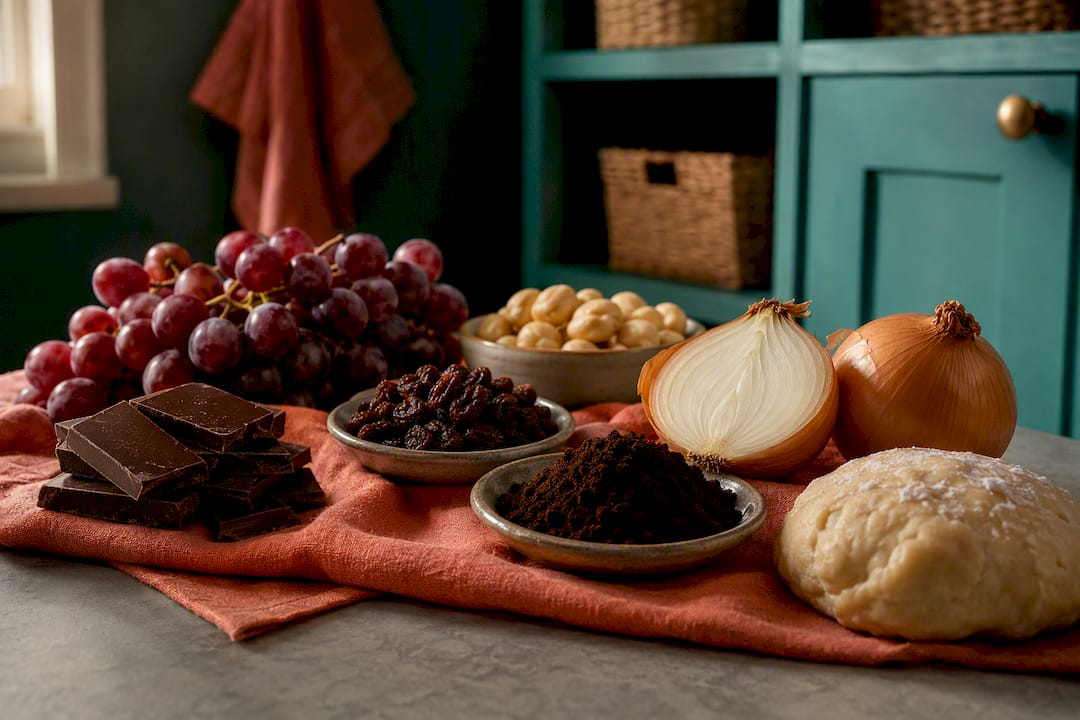
Chocolate, grapes and raisins, xylitol, onions and garlic, macadamia nuts, raw bread dough, alcohol, and concentrated caffeine sit at the top of the list of foods toxic to dogs. If your dog has eaten any of these, don’t wait to see if symptoms appear. Contact your vet or a poison control service immediately. What happens in the next hour often decides how this ends, so let’s talk about exactly what to watch for and what to do.
TL;DR:
- Most toxic foods cause symptoms within hours, with chocolate leading to cardiac and neurological effects starting between 2 and 12 hours.
- Specific thresholds exist: chocolate is dangerous at 20-50mg of methylxanthines per kilogram, while xylitol can cause hypoglycemia at just 0.03g per kilogram of weight.
- Immediate steps include noting the ingestion details, photographing packaging, and calling a vet before inducing vomiting, as some substances worsen if vomited.
- Repeated low-level exposure to toxins like chocolate or onions can gradually cause serious internal damage over time, so habits should be changed promptly.
- The risk varies greatly with the dog’s size and health, with smaller or health-compromised dogs facing much higher danger from the same amount of toxic food.
Table of Contents
- The most dangerous human foods for dogs
- What to do right now if your dog eats something suspicious
- Symptoms and timelines to watch for
- Why the same food can hit two dogs differently
- How to pet-proof your home against these risks
- What Giddy pets’ research tells us about accidental ingestions
- Mould, mycotoxins, and the danger of “it’s just a bit old”
- The household risks that rarely make the warning lists
- Fruit pits, seeds, and the parts you throw away
- When “just a little bit” adds up over time
- First aid steps beyond making your dog vomit
- Not every dog faces the same risk
- A checklist worth saving
- Reducing the risk before it happens
- Sources
The most dangerous human foods for dogs
Some foods hurt a dog’s stomach for a day. Others can shut down organs. Knowing which is which changes how fast you need to move.
Chocolate sits at the top of most poisoning statistics for a reason. It contains theobromine and caffeine, both methylxanthines that dogs metabolise far more slowly than we do. The darker and more concentrated the chocolate, the worse the risk. Baking chocolate and high-cocoa dark chocolate can trigger serious cardiotoxic effects at 40 to 50mg of methylxanthines per kilogram of bodyweight, with seizures possible above 60mg/kg. Mild signs can start at just 20mg/kg. A ten-kilogram dog eating a 100g bar of dark chocolate is in a genuinely different danger zone than the same dog stealing a square of milk chocolate.
Grapes, raisins and sultanas are trickier because nobody fully understands why they’re toxic. What’s known is that they can trigger acute kidney injury, and the amount that harms one dog might do nothing to another. Because there’s no reliable “safe” threshold, treat every ingestion as an emergency, whether it’s three grapes or half a bunch.
Xylitol catches owners out because it hides in places that don’t sound dangerous: sugar-free gum, some brands of peanut butter, low-sugar baked goods, and toothpaste. It triggers a rapid insulin surge that can cause dangerous hypoglycaemia at doses as low as 0.03g per kilogram of bodyweight, with liver failure a risk at higher doses.
Onions, garlic, leeks and chives (the Allium family, in any form: raw, cooked, powdered, or in stock cubes and gravy) damage red blood cells and can cause haemolytic anaemia. The cruel part is the delay. Signs may not surface for days, by which point real damage has already been done.
Macadamia nuts cause weakness, tremors and an inability to walk properly, usually resolving within a day or two, but they still warrant a vet call the moment you suspect ingestion.
Raw bread dough and alcohol pose a double threat. Live yeast expands in a warm stomach, causing bloating and mechanical distress, while fermentation produces ethanol that gets absorbed into the bloodstream, leading to genuine alcohol poisoning on top of the bloat risk.
Caffeine works through the same methylxanthine pathway as chocolate. Energy drinks, coffee grounds, and used tea bags are common culprits.
High-fat foods, other nuts, and avocado round out the list. Fatty leftovers and most nuts can trigger pancreatitis, a painful and sometimes life-threatening inflammation. Avocado flesh is generally lower risk for dogs than for birds or horses, but the stone is a choking and blockage hazard.
A few less obvious dangers worth flagging: mouldy bread or nuts (mycotoxins), wild or garden mushrooms, and oversalted foods like table scraps of crisps or cured meat, which can cause salt poisoning in smaller dogs.
One-line reference:
| Food | Main danger | Typical onset |
|---|---|---|
| Chocolate | Cardiac, neurological | 2 to 12 hours |
| Grapes/raisins | Kidney injury | 24 to 72 hours |
| Xylitol | Hypoglycaemia, liver failure | 30 to 60 minutes |
| Onion/garlic | Haemolytic anaemia | Days |
| Macadamia | Weakness, tremors | Up to 12 hours |
According to research reviewing pet poisoning reports, chocolate and cocoa products are the most commonly implicated foods, with xylitol, onions and garlic, grapes and raisins, and macadamia nuts following close behind.
What to do right now if your dog eats something suspicious
The first few minutes matter more than anything you do afterwards. Move through this in order:
- Note the time, the product, and roughly how much was eaten. Even a rough estimate helps enormously.
- Keep the packaging, or photograph it, including the ingredients list. Vets rely on this to calculate risk accurately rather than guessing.
- Call your vet or an animal poison-control helpline straight away. Don’t wait for symptoms; early decontamination often improves outcomes significantly.
- Only induce vomiting if a vet tells you to, and how. Some substances, and some medical conditions, make vomiting dangerous rather than helpful.
- Go straight to an emergency vet if you see seizures, collapse, laboured breathing, or a dog who has stopped producing urine.
Pro Tip: Activated charcoal doesn’t bind xylitol effectively, and it isn’t appropriate for every exposure. Let your vet decide, rather than trying it at home based on something you’ve read online.
Symptoms and timelines to watch for
Different toxins follow different clocks, and knowing the pattern helps you judge how worried to be.
- Chocolate: signs typically begin within 2 to 12 hours, starting with vomiting and restlessness and potentially progressing to tremors, arrhythmias, and seizures at higher doses.
- Grapes/raisins: vomiting often appears early, but renal dysfunction may not show until 24 to 72 hours later, sometimes severely even after a small amount.
- Xylitol: hypoglycaemia can strike within 30 to 60 minutes; liver damage, when it occurs, tends to appear 12 to 48 hours later.
- Onions/garlic: haemolysis is often delayed by days. Watch for lethargy, pale gums, and rapid breathing rather than expecting an immediate reaction.
- Macadamia nuts: signs usually start within 12 hours and resolve within one to three days.
Seizures, collapse, pale or blue gums, laboured breathing, or a swollen, hard abdomen are never “wait and see” signs. They mean emergency transport, not a phone call first.
Why the same food can hit two dogs differently
Toxicity thresholds are almost always weight-based, which is why your dog’s exact weight matters more than you’d think. Methylxanthine risk is usually expressed in milligrams per kilogram of bodyweight, so a small dog and a large dog eating the identical bar of chocolate face very different outcomes.
Dark and baking chocolate carry far more methylxanthines per gram than milk chocolate, so weight-for-weight, they’re considerably more dangerous. Xylitol breaks this rule somewhat: even small amounts can trigger hypoglycaemia, regardless of a dog’s size. Grape and raisin toxicity is oddly unpredictable, since some dogs tolerate quantities that devastate others, which is exactly why vets treat every exposure the same way rather than gambling on individual tolerance.
Have your dog’s current weight and the product packaging ready before you call. It lets the vet estimate risk in seconds rather than minutes.
How to pet-proof your home against these risks
Most poisoning cases aren’t dramatic; they’re a countertop left unattended for ninety seconds. A few habits close most of that gap:
- Store food in sealed cupboards or on high shelves, out of nose and paw reach.
- Use airtight containers for anything a determined dog could chew through, including bin bags.
- Skip table feeding entirely; it’s the single easiest habit to break and the one that prevents the most incidents.
- Offer safe, purpose-made chews instead of scraps, so scavenging instinct gets a legitimate outlet.
- Use a slow feeder bowl to reduce the frantic gulping that often precedes a dog hoovering up something it shouldn’t.
If you’re rethinking what your dog eats day to day, our guide on vegetarian diets for dogs covers safer substitutions worth knowing about.
What Giddy pets’ research tells us about accidental ingestions
Giddy pets’ 2026 review of the UK’s most-Googled “can my dog eat…” searches shaped which foods we prioritised here, reflecting what owners are actually worried about in the moment. The guidance throughout stays aligned with veterinary sources, but nothing here replaces a call to your own vet for a case-specific decision.
Mould, mycotoxins, and the danger of “it’s just a bit old”
Mouldy bread, spoiled dairy, and old peanuts or walnuts can carry mycotoxins, toxins produced by certain moulds that are far more dangerous than the food simply being past its best. Tremorgenic mycotoxins, found particularly in mouldy nuts, cheese, and bread, can trigger muscle tremors and seizures within a couple of hours of ingestion.
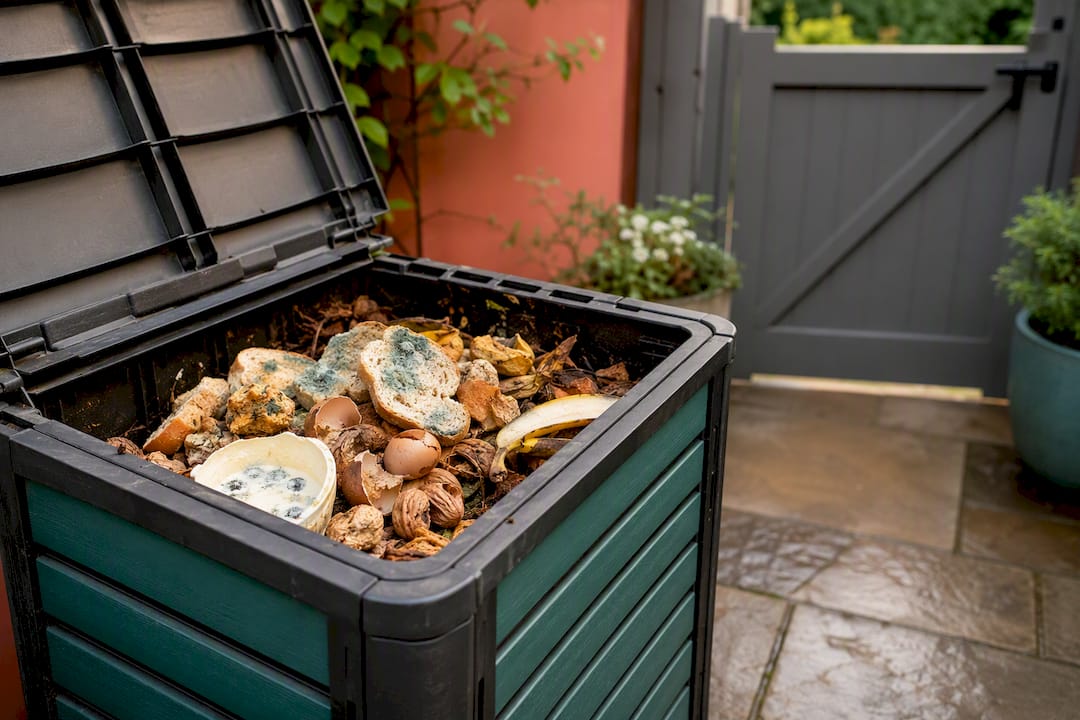
This catches people out at picnics and bins more than kitchens. A loaf gone slightly furry at the back of the cupboard, or nuts that have been sitting in a garden shed, are exactly the kind of thing a scavenging dog finds first. Unlike food that’s simply “off” and causes an unpleasant but short-lived stomach upset, mycotoxin exposure can escalate quickly and needs the same urgency as any other toxic ingestion: call your vet, don’t wait for symptoms to confirm your suspicion.
Compost heaps deserve a specific mention here. They’re a magnet for mouldy scraps and are one of the most underrated sources of mycotoxin poisoning in dogs that roam gardens unsupervised. If your dog has access to a compost bin, treat it with the same caution as a locked medicine cabinet.
The household risks that rarely make the warning lists
Xylitol gets most of the attention among artificial sweeteners, but it isn’t the only one worth knowing about. Some newer low-calorie sweeteners appearing in “diet” products and sugar-free snacks haven’t been as thoroughly studied in dogs, so treat any sugar-free product as a potential risk until you’ve confirmed otherwise.
Raw yeast dough deserves its own mention outside the general bread-dough warning, because it’s often overlooked when it’s homemade rather than shop-bought. A ball of pizza or bread dough left to rise on the counter is, to a dog, indistinguishable from a toy or a treat. The yeast keeps working once swallowed, generating gas and alcohol as it does.
Other quiet household risks include: raw yeast used for home brewing, macadamia-containing snack bars marketed as “healthy,” and protein powders or supplements containing xylitol as a sweetener, an increasingly common ingredient in the fitness aisle that owners rarely think to check.
Fruit pits, seeds, and the parts you throw away
The flesh of an apple is harmless. The seeds are a different story. Apple seeds, cherry pits, and the stones of plums and apricots all contain compounds that release cyanide when chewed and digested. A dog swallowing a whole pit or seed occasionally is unlikely to come to harm, since most pass through undigested, but a dog that chews through a mouthful of them, or repeatedly has access to fallen fruit in a garden, faces a real risk.
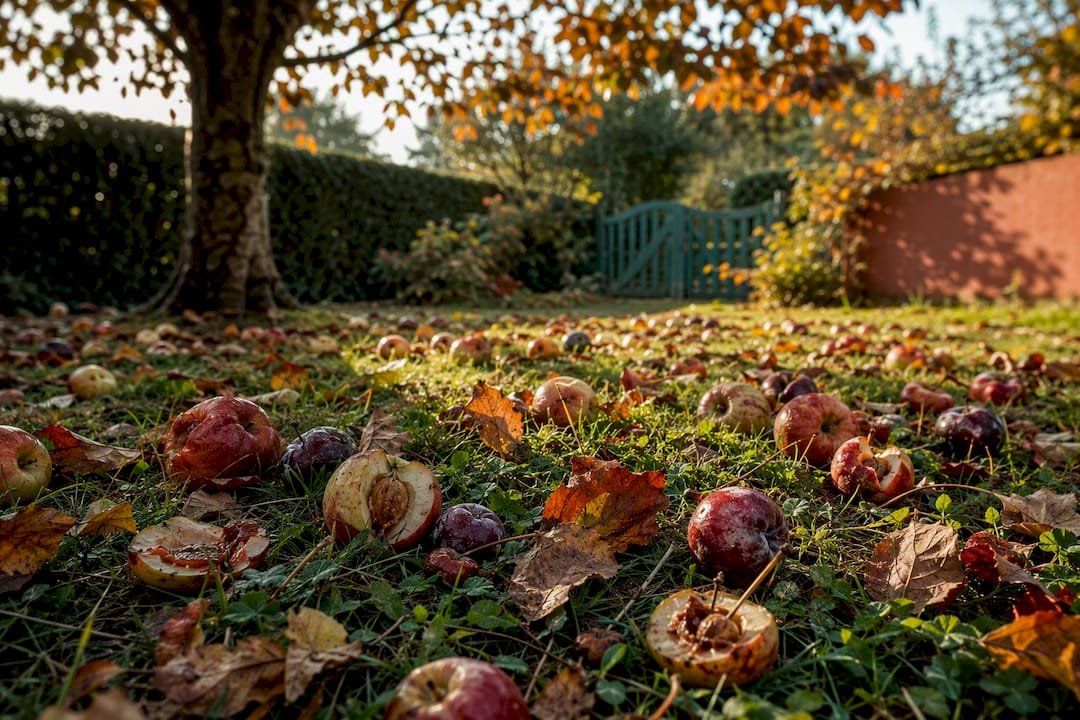
Beyond the seed problem, pits and stones themselves are a mechanical hazard, capable of causing choking or an intestinal blockage that needs surgery. Autumn is a particular risk window: fallen fruit under garden trees rots on the ground, drawing dogs in for exactly the kind of unsupervised snacking that leads to an emergency vet visit.
When “just a little bit” adds up over time
A single small square of chocolate or one grape rarely causes lasting harm on its own. The pattern that worries vets more is repetition: a dog given “just a taste” of onion gravy every Sunday, or a few grapes as a regular treat, week after week.
Cumulative low-level exposure to Allium vegetables can gradually damage red blood cells even when no single incident looks dramatic enough to warrant a vet visit. The kidneys, too, can sustain quiet, low-grade stress from repeated small toxin exposures that never individually cross the threshold into an obvious emergency, but add up over months. If a habit has crept in, whether it’s regular chocolate treats or a “little bit of everything” approach to leftovers, it’s worth breaking it now rather than waiting for a single bad reaction to force the issue.
First aid steps beyond making your dog vomit
Inducing vomiting is only ever the first step, and only when a vet has told you it’s appropriate. What happens next matters just as much.
Activated charcoal can help bind certain toxins in the gut and reduce absorption, but it isn’t a universal fix. It’s largely ineffective for xylitol and inappropriate for some ingestions, so it should only be given under veterinary guidance, never as a default home remedy.
Beyond charcoal, supportive care is the backbone of most treatment: intravenous fluids to protect the kidneys and flush toxins, anti-nausea medication to keep a dog comfortable, and blood glucose monitoring for anything involving xylitol. Dogs showing cardiac symptoms from chocolate or caffeine may need medication to manage arrhythmias, and seizures are controlled with anticonvulsants if they occur.
Keep your dog warm, calm, and away from stairs or anything they might fall from if they’re wobbly or disoriented. Don’t offer food or water until your vet says it’s safe, since vomiting on an already irritated stomach can make things worse. Above all, resist the urge to “wait and see” once you’ve made the first call. Follow-up blood tests, sometimes 24 to 48 hours after the event, are often part of the plan even once a dog seems to have recovered.
Not every dog faces the same risk
Size is the most obvious factor: a Chihuahua and a Labrador eating the same amount of chocolate are in entirely different danger zones, simply because toxic thresholds scale with bodyweight. But size isn’t the only variable.
Dogs with existing kidney disease are at far greater risk from grapes and raisins, since their kidneys have less spare capacity to cope with any additional damage. Dogs with pre-existing liver conditions face a steeper risk curve with xylitol. Breeds prone to pancreatitis, including Miniature Schnauzers and some terrier breeds, are more vulnerable to the fatty-food and high-fat-nut risks than the average dog. Older dogs and those with diabetes need extra caution around anything affecting blood sugar, since xylitol’s hypoglycaemic effect can compound an existing condition rather than simply adding to it.
Puppies deserve a specific mention too. Their smaller bodyweight means lower absolute doses cause harm, and their curiosity means they’re statistically more likely to eat something they shouldn’t in the first place. If your dog falls into any of these higher-risk categories, it’s worth having a slightly lower threshold for calling the vet, even for an amount that might be borderline safe in a healthy, average-sized adult dog.
A checklist worth saving
Before you need it: note the ingestion time, the exact product, your dog’s current weight, and any symptoms you’ve spotted, then call your vet straight away. Acting within the first hour genuinely changes outcomes. Save this checklist somewhere accessible, and keep our vet directory bookmarked so you’re never searching for a number mid-crisis.
— Giddy
Reducing the risk before it happens
Most accidental ingestions happen because food was simply within reach. Airtight storage, hands-free treat pouches, and enrichment toys that redirect a dog’s scavenging instinct all shrink that opportunity window considerably.
A proper airtight, pest-proof storage container keeps kibble, treats, and anything else appealing out of nose range, which matters far more than most owners realise until the one time a cupboard door doesn’t quite latch. For walks and training sessions, a hands-free treat pouch keeps rewards under your control rather than loose in a pocket where a determined dog can help himself. Chew toys and stuffable enrichment toys also do genuine work here, giving a dog something legitimate to chase and chew, which reduces the boredom-driven scavenging that leads to kitchen raids in the first place. If digestive support is part of your routine after a scare, natural digestive supplements are worth discussing with your vet as part of recovery.
Browse our pet-proofing range to find the storage and enrichment products that fit your home, and swap risky leftovers for vet-approved treats your dog can enjoy without the worry.
Sources
This guide draws on the MSD Veterinary Manual for toxicity mechanisms, Cornell’s Riney Canine Health Center for clinical timelines, and the ASPCA for treatment guidance.
- Household Food Items Toxic to Dogs and Cats - PMC
- Chocolate toxicosis in animals | MSD Veterinary Manual
- Grape and raisin toxicosis — Cornell Riney Canine Health Center