


Dog sensitive stomach diet: your practical UK guide
Dog sensitive stomach diet: your practical UK guide
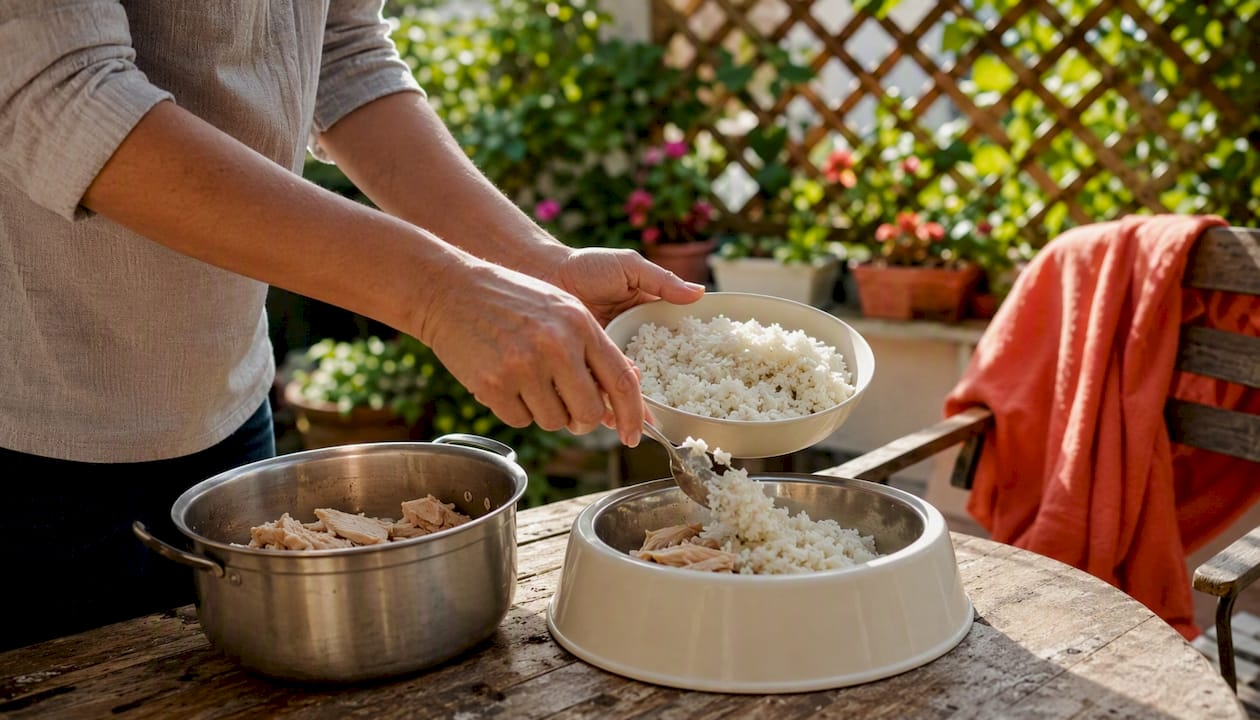
If your dog has loose stools, is vomiting after meals, or seems gassy and uncomfortable, start here: feed a simple bland diet for a short period, stop all treats and table scraps immediately, and keep fresh water available at all times. According to PetMD’s guidance on bland diets, plain boiled chicken or turkey with white rice is the standard short-term recovery meal. It settles the gut without adding further irritation.
What to feed for 48–72 hours:
- Plain boiled chicken breast or turkey (no skin, no seasoning) with plain white rice or boiled potato
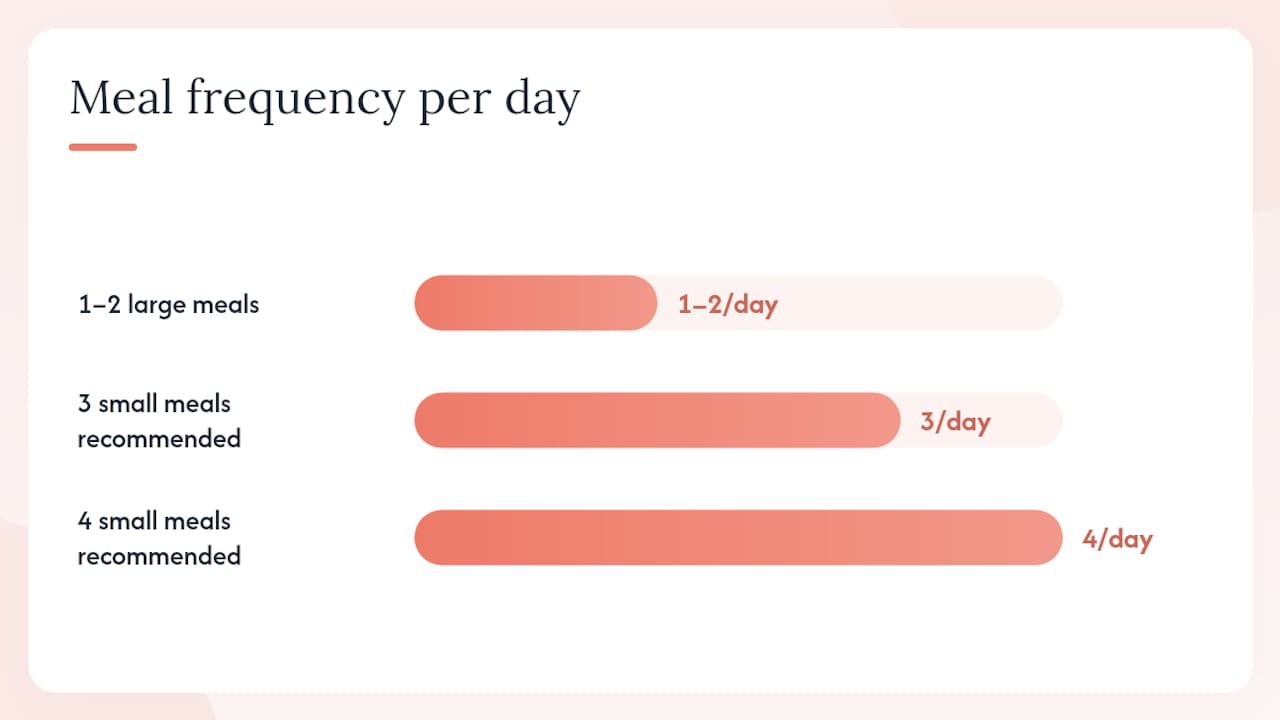
- Small portions, three to four times a day rather than one or two large meals
- Fresh water available at all times; if your dog won’t drink, offer small amounts frequently
Stop immediately:
- All treats, chews, and table scraps
- Fatty foods, dairy, and anything rich or heavily processed
- Any new foods you introduced recently
If your dog shows any of the following signs, contact your vet the same day: blood in vomit or stools, repeated vomiting that won’t stop, complete refusal to drink, severe lethargy or collapse, obvious abdominal pain, or a high temperature. These are not signs to manage at home with a diet change.
Table of Contents
- What symptoms tell you it’s a sensitive stomach, and when is it urgent?
- Why do dogs develop sensitive stomachs?
- Which diet options actually help dogs with digestive issues?
- How to make a safe bland diet at home
- How to transition your dog to a new food safely
- Probiotics, prebiotics, and feeding tools that can help
- Foods and ingredients that commonly irritate dogs
- Meal frequency, portioning, and hydration for sensitive stomachs
- Key takeaways
- The honest truth about sensitive stomachs
- Giddypets has what you need for a sensitive stomach
- Useful sources and further reading
What symptoms tell you it’s a sensitive stomach, and when is it urgent?
Most dogs with a sensitive stomach show signs that are uncomfortable but not dangerous: loose or soft stools, occasional vomiting after eating, excessive wind, or a gurgling belly. These tend to come and go, often linked to a specific meal or ingredient. The pattern matters. A dog that vomits once and then eats normally is very different from one that vomits repeatedly and won’t settle.
Red flags that need same-day veterinary attention:
- Blood in vomit or stools (bright red or dark and tarry)
- Vomiting that continues for more than 24 hours or happens more than three times in a few hours
- Signs of dehydration: dry gums, sunken eyes, skin that doesn’t spring back when gently pinched
- Severe lethargy or weakness
- Obvious abdominal pain (hunching, whimpering, reluctance to move)
- Significant weight loss over a short period
- Fever (normal canine temperature is 38–39°C)
Clinical red flags including blood, lethargy, and persistent vomiting require veterinary assessment and diagnostic testing before dietary management can safely follow.
Pro Tip: Keep a simple three-day log: note what your dog ate, when they ate it, stool consistency (firm, soft, liquid), and any vomiting. This diary is genuinely useful for your vet and helps you spot patterns far faster than memory alone.
Why do dogs develop sensitive stomachs?
A sensitive stomach usually comes from one of three sources: an ingredient the dog doesn’t tolerate well, a sudden change in diet, or an underlying medical condition. Knowing which applies to your dog shapes everything that follows.
The most common causes:
- Food intolerance or allergy. Certain proteins (beef, dairy, wheat, soy) are more likely to trigger reactions than others. Protein source, fibre source, and fat content are key factors when choosing a diet, and an elimination trial is often the most reliable way to identify the trigger.
- Stress. Dogs can develop stress-related gut symptoms around changes in routine, new environments, or separation anxiety. If this sounds familiar, calming support may be worth exploring alongside dietary management.
Which diet options actually help dogs with digestive issues?
Start with a short bland recovery meal; if digestion remains unsettled after a few days, move to a limited-ingredient or novel-protein commercial diet. If problems persist beyond two to three weeks, speak to your vet about hydrolysed protein diets or prescription gastrointestinal formulas. Vets commonly advise small, frequent meals of highly digestible, low-fat, limited-ingredient diets for uncomplicated upsets; prescription or hydrolysed diets are used when problems persist.
| Diet category | When to use it | Key traits | Limitations |
|---|---|---|---|
| Short-term bland home meals | First 48–72 hours of acute upset | Low fat, single protein, easy to digest | Not nutritionally complete; short-term only |
| Commercial sensitive/limited-ingredient | Ongoing mild sensitivity after recovery | Complete and balanced, fewer ingredients | May still contain a trigger if not carefully chosen |
| Novel-protein diet | Suspected protein intolerance | Uses a protein the dog hasn’t eaten before (e.g. duck, venison) | Takes several weeks to assess properly |
| Hydrolysed protein diet | Confirmed or suspected food allergy | Protein broken into fragments too small to trigger immune response | Usually vet-recommended; higher cost |
| Prescription GI diet | Persistent or medically diagnosed GI disease | Highly digestible, clinically formulated | Requires vet prescription and monitoring |
Quick decision rules:
- Acute upset with no red flags: start bland home diet, reassess after a few days.
- Recurring loose stools or vomiting despite a bland diet: move to a commercial sensitive or limited-ingredient formula.
- Symptoms persist beyond two to three weeks: vet assessment before trying novel-protein or hydrolysed options.
- Diagnosed IBD, pancreatitis, or EPI: prescription diet under vet supervision.
How to make a safe bland diet at home
Simple boiled poultry or lean mince with plain white rice or potato is fine for a few days. Keep it unseasoned, low in fat, and nothing else. No stock, no butter, no garlic.
Recipe 1: Boiled chicken and rice
- Boil skinless chicken breast until cooked through. Shred finely.
- Cook plain white rice separately in water (no salt or oil).
- Mix roughly one part chicken to two parts rice.
- Cool completely before serving.
Recipe 2: Lean mince and potato
- Boil or dry-fry very lean minced beef or turkey until cooked through. Drain off any fat.
- Boil plain white potato (no skin) until soft. Mash without butter or milk.
- Mix one part mince to two parts potato.
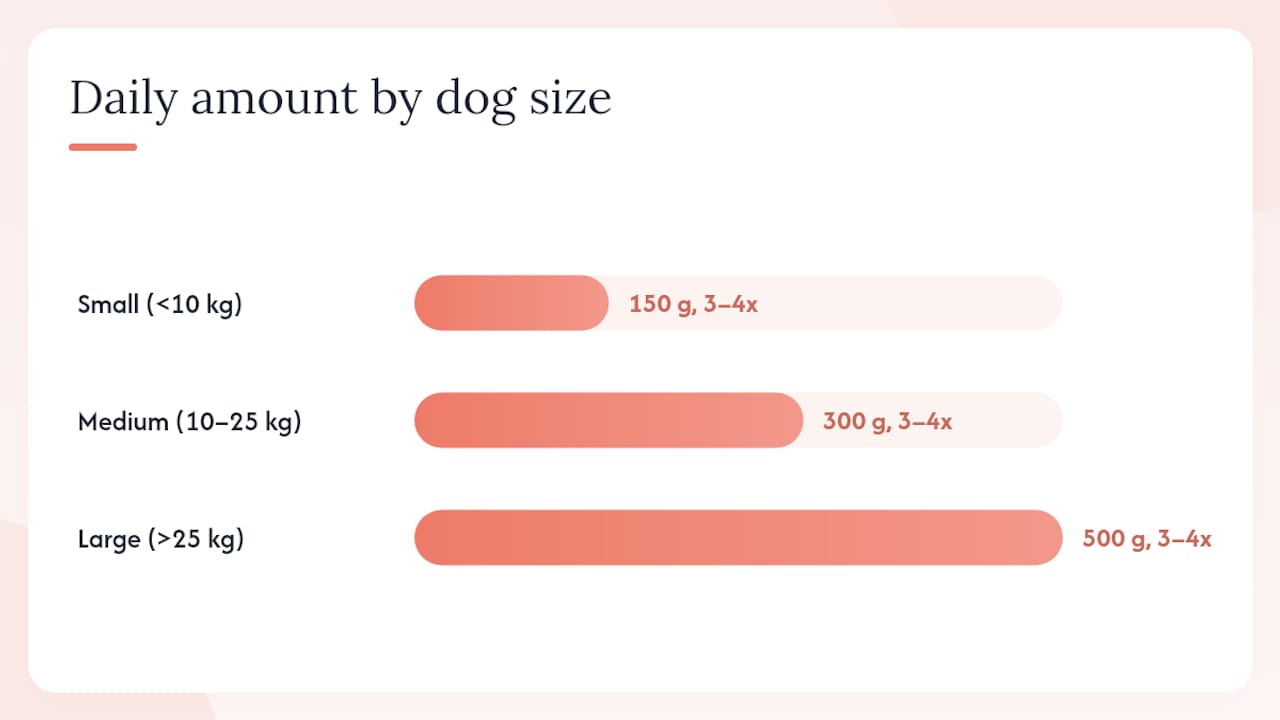
Portioning guide:
| Dog size | Approximate daily amount | Feeding frequency |
|---|---|---|
| Small (under 10 kg) | 150 grams total per day | 3–4 small meals |
| Medium (10–25 kg) | 300 grams total per day | 3–4 small meals |
| Large (over 25 kg) | 500 grams total per day | 3–4 small meals |
These are approximate starting points. Adjust based on your dog’s response and body condition.
Bland home meals are a short-term bridge, not a long-term diet. They are nutritionally incomplete and should not be fed for more than five to seven days without veterinary guidance. If your dog needs a gentle diet beyond that window, a complete and balanced commercial sensitive formula is a safer choice.
When a dog vomits after eating, withhold food for a few hours (but not water), then reintroduce small bland meals and monitor closely. Contact your vet if vomiting continues or other worrying signs appear.
How to transition your dog to a new food safely
Use a gradual one to two week transition as your default. Slow it further if stools soften at any stage. Rushing a food change is one of the most common reasons a new diet appears to fail.
- Days 1–2: 75% old food, 25% new food. Watch for any change in stool consistency or appetite.
- Days 3–4: 50% old food, 50% new food. If stools are firm, continue. If they soften, hold at this ratio for another two days before moving on.
- Days 5–6: 25% old food, 75% new food. Most dogs tolerate this stage well if the earlier steps went smoothly.
- Days 7–10: 100% new food. Continue monitoring for a further week.
- If symptoms return at any stage: drop back one step and hold there for three to four days before trying to progress again.
Monitoring checklist during transition:
- Stool consistency: aim for firm, well-formed stools. Soft or liquid stools mean slow down.
- Vomiting: one isolated episode is not necessarily a problem; repeated vomiting means pause and reassess.
- Appetite: a slight dip is normal for a day or two; complete refusal to eat for more than 24 hours warrants a vet call.
- Energy levels: your dog should remain bright and interested. Lethargy alongside digestive symptoms is a red flag.
Keep a simple food diary throughout. Elimination trials work best when you change only one variable at a time: protein or carbohydrate source, not both simultaneously.
Probiotics, prebiotics, and feeding tools that can help
Certain probiotics and prebiotics can support gut health in some dogs, but they are not a substitute for the right diet. Always discuss supplements with your vet before starting them, particularly if your dog has a diagnosed condition.
Supplement types and what the evidence suggests:
- Live probiotics: Strains such as Lactobacillus acidophilus and Enterococcus faecium have the most research behind them for canine gut health. Look for products with a stated colony-forming unit (CFU) count and a guaranteed live culture at the time of use, not just at manufacture.
- Prebiotic fibres: Inulin, beet pulp, and psyllium can improve stool firmness and support beneficial gut bacteria. Fibre sources such as beet pulp, inulin, and psyllium can help stool quality and are often included in commercial sensitive-stomach formulas.
- Digestive enzyme formulations: Useful for dogs that struggle to break down certain nutrients. Most healthy dogs produce sufficient enzymes, so these are more relevant when a vet suspects a specific deficiency.
- Pancreatic enzyme supplements: Specifically for dogs diagnosed with exocrine pancreatic insufficiency (EPI). These are prescription-grade and must be used under veterinary supervision.
Feeding tools that make a real difference:
- Slow-feeder bowls reduce gulping, which lowers the risk of vomiting after eating and reduces bloat risk in deep-chested breeds.
- Timed or portion-controlled feeders help maintain consistent meal sizes and intervals, which is particularly useful if you’re managing multiple pets or an irregular schedule.
- Airtight food storage keeps dry food fresh and prevents oxidation, which can affect palatability and, in some cases, digestibility.
Pro Tip: When choosing a probiotic, look for a product that states the specific strain (not just “Lactobacillus spp.”), a CFU count of at least one billion per dose, and a shelf-stable or refrigerated formulation. A vague “contains probiotics” label tells you very little about what you’re actually giving your dog.
Foods and ingredients that commonly irritate dogs
Avoid fatty foods, rich sauces, dairy, onion, garlic, xylitol, and variable table scraps while you’re working through any digestive issue. Some of these are merely irritants; others are genuinely toxic.
Human foods to avoid entirely:
- Chocolate (toxic; theobromine causes serious harm)
- Grapes and raisins (toxic; can cause kidney failure)
- Onion and garlic in any form (toxic; damages red blood cells)
- Xylitol (found in sugar-free products; highly toxic to dogs)
- Caffeine (coffee, tea, energy drinks)
- Cooked bones (splinter risk; can cause internal injury)
- Fatty cuts of meat, skin, and dripping (high fat triggers pancreatitis)
- Dairy products (most adult dogs are lactose intolerant to some degree)
Problematic commercial ingredients to watch for:
- Excess animal fat or unnamed fat sources
- Artificial preservatives, colours, and flavourings
- Multiple protein sources in one food (makes it harder to identify a trigger)
- High-fibre fillers that aren’t well tolerated by every dog
Table scraps are one of the most underestimated causes of recurring digestive upset. Even small amounts of rich or seasoned food can undo days of careful dietary management. If other members of the household are feeding your dog from the table, that needs to stop for the duration of any elimination trial.
Reintroducing treats: Once symptoms have been settled for at least two weeks, you can cautiously reintroduce a single, simple treat. Choose one with a short ingredient list and a protein your dog has already tolerated well. Introduce it on its own for three to four days and watch for any reaction before adding anything else.
Meal frequency, portioning, and hydration for sensitive stomachs
Smaller, more frequent meals reduce the digestive load at any one time and tend to produce firmer stools than one or two large meals a day. This is one of the simplest changes you can make tonight.
Practical guidance:
- Split your dog’s daily food allowance into three or four meals rather than two, particularly during recovery.
- Keep mealtimes consistent. Dogs with sensitive stomachs do better with a predictable routine; irregular feeding times can trigger gut motility changes.
- Use the feeding guide on your dog’s food as a starting point, then adjust based on stool quality and body condition rather than following it rigidly.
- Weigh portions rather than estimating by eye, especially during a diet change or elimination trial.
- For hydration: always provide fresh water. If your dog is reluctant to drink after a bout of vomiting or diarrhoea, offer small amounts frequently rather than a full bowl at once. Plain water is the right choice; avoid electrolyte drinks designed for humans, as these often contain sugar or sweeteners that are unsuitable for dogs.
Pro Tip: If your dog gulps food and then vomits shortly after eating, a slow-feeder bowl is often the single most effective change you can make. It slows intake, reduces air swallowing, and gives the stomach time to signal fullness. Deep-chested breeds such as German Shepherds, Great Danes, and Dobermanns benefit particularly from this.
For guidance on portion control and staged diet changes, the Giddypets blog has practical advice that applies equally well to sensitive-stomach management.
Key takeaways
A dog sensitive stomach diet works best when you start with a short bland recovery period, transition slowly to a complete and balanced formula, and involve your vet if symptoms persist beyond two to three weeks.
| Point | Details |
|---|---|
| Start with a bland diet | Feed plain boiled chicken or turkey with white rice for 48–72 hours to settle acute upset. |
| Transition over 7–10 days | Mix old and new food gradually; slow down if stools soften at any stage. |
| Watch for red flags | Blood, repeated vomiting, dehydration, or severe lethargy need same-day vet attention. |
| Use supplements carefully | Probiotics and prebiotic fibres can help, but discuss with your vet before starting. |
| Giddypets resources | Browse Giddypets for vet-approved sensitive-stomach food options, slow feeders, and storage solutions. |
The honest truth about sensitive stomachs
Most advice on this topic focuses on the diet itself, and that’s fair. But the part that gets underplayed is how often the problem isn’t the main food at all. It’s the treats. It’s the Sunday roast leftovers. It’s the well-meaning neighbour who gives your dog a biscuit on every walk.
Owners spend weeks trialling expensive limited-ingredient foods and see no improvement, because the variable they haven’t controlled is the one that changes every day. An elimination trial only works if it’s actually an elimination. That means one protein, one carbohydrate, nothing else, for eight to twelve weeks. Most people don’t manage it, and that’s understandable. But if you’re going to do it, do it properly or the result tells you nothing.
The other thing worth saying: a “sensitive stomach” is a description, not a diagnosis. It covers everything from a mild intolerance to early IBD to a dog that eats too fast. If your dog has been on three different sensitive-stomach foods and still has loose stools, the answer probably isn’t a fourth food. It’s a vet visit, a faecal test, and possibly a blood panel. Diet management is powerful, but it has limits, and recognising those limits early saves a lot of time, money, and discomfort for your dog.
Giddypets has what you need for a sensitive stomach
When your dog’s digestion needs support, having the right products to hand makes the process much less stressful. Giddypets stocks a carefully chosen range of pet food and treats suited to dogs with sensitive stomachs, including limited-ingredient and easily digestible options that work alongside the dietary steps in this guide.
Beyond food, the Giddypets range includes slow-feeder bowls to reduce gulping, airtight food storage containers to keep dry food fresh, and timed feeders for consistent portioning. All of these are practical tools that support digestive health day to day, not just during a flare-up. Browse the food and treats range at Giddypets and filter by dietary need, or get in touch with the customer support team if you’d like help choosing the right option for your dog. For persistent or medically diagnosed digestive conditions, always consult your vet alongside any dietary changes.
Useful sources and further reading
The guidance in this article draws on the following authoritative sources. Each covers a distinct aspect of canine digestive health.
| Source | What it covers |
|---|---|
| PetMD: Bland Diet for Dogs | Short-term bland diet protocols and when to use them |
| American Kennel Club: Best Dog Food for Sensitive Stomachs | Ingredient selection, elimination diets, and trigger identification |
| Vetstreet: Sensitive Stomach Vet Diet | Low-fat, limited-ingredient diets and when to escalate to prescription options |
| VCA Hospitals: Vomiting in Cats | Clinical red flags and when diagnostic testing is needed |
| Nature’s Best: Caring for a Dog with a Sensitive Stomach | Fibre sources (beet pulp, inulin, psyllium) and stool quality |
| Hunterdon Hills Animal Hospital: Best Dog Foods for Sensitive Stomach | Probiotic and prebiotic evidence; vet-recommended diet choices |
| Webvet: Cat Throwing Up After Eating | Post-meal vomiting management; food withholding and reintroduction guidance |
| Giddypets: Hydrolysed Protein for Dogs | When and why vets recommend hydrolysed diets |
| Giddypets: Pet Food & Treats | UK-available sensitive-stomach food options and treats |
This article provides general information for educational purposes and is not a substitute for professional veterinary advice. Always consult a qualified vet for diagnosis and treatment of persistent or serious digestive symptoms.