


Cat ear mites treatment: a complete UK owner's guide
Cat ear mites treatment: a complete UK owner’s guide
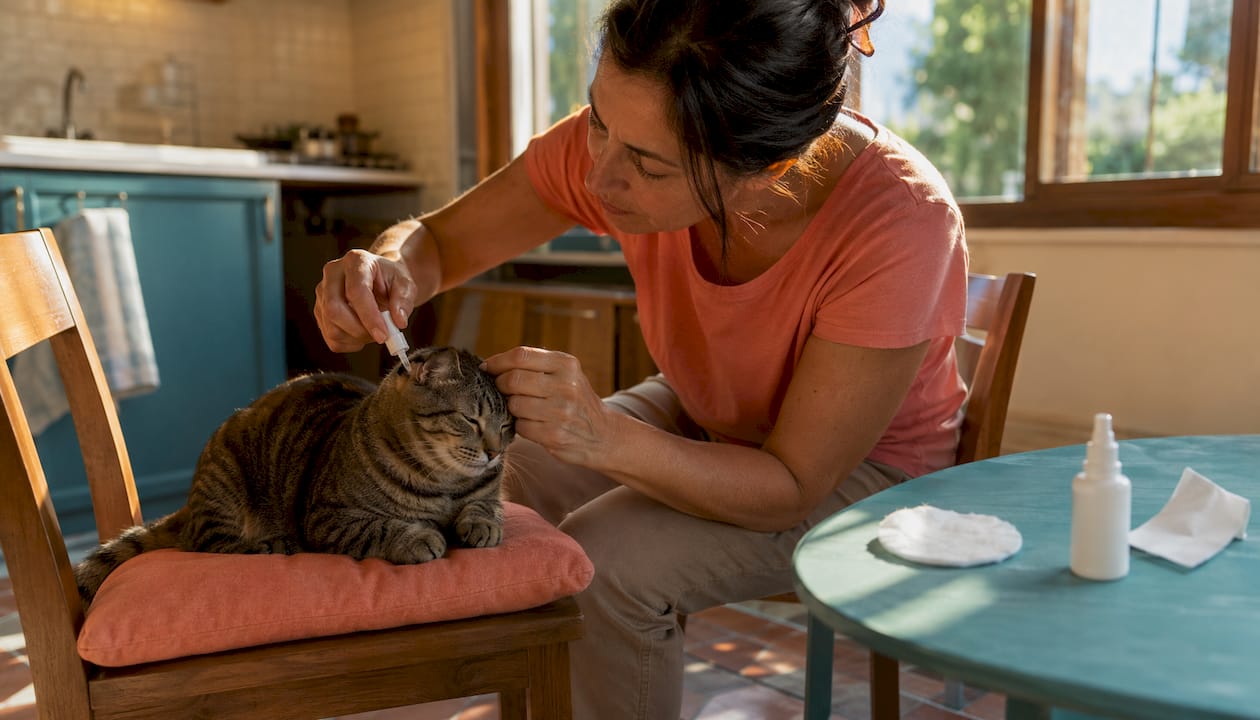
Effective cat ear mites treatment starts with a confirmed veterinary diagnosis, not a trip to the kitchen cupboard. Your vet will use an otoscope or microscopic examination to identify Otodectes cynotis (the mite responsible for the vast majority of feline ear infestations) and rule out bacterial or yeast infections that look almost identical. Once confirmed, treatment typically involves one of two approaches: a topical spot-on applied to the back of the neck, or medicated ear drops administered directly into the canal. Either way, the course usually runs for around a month to cover every stage of the mite’s life cycle.
Here is what effective treatment looks like in practice:
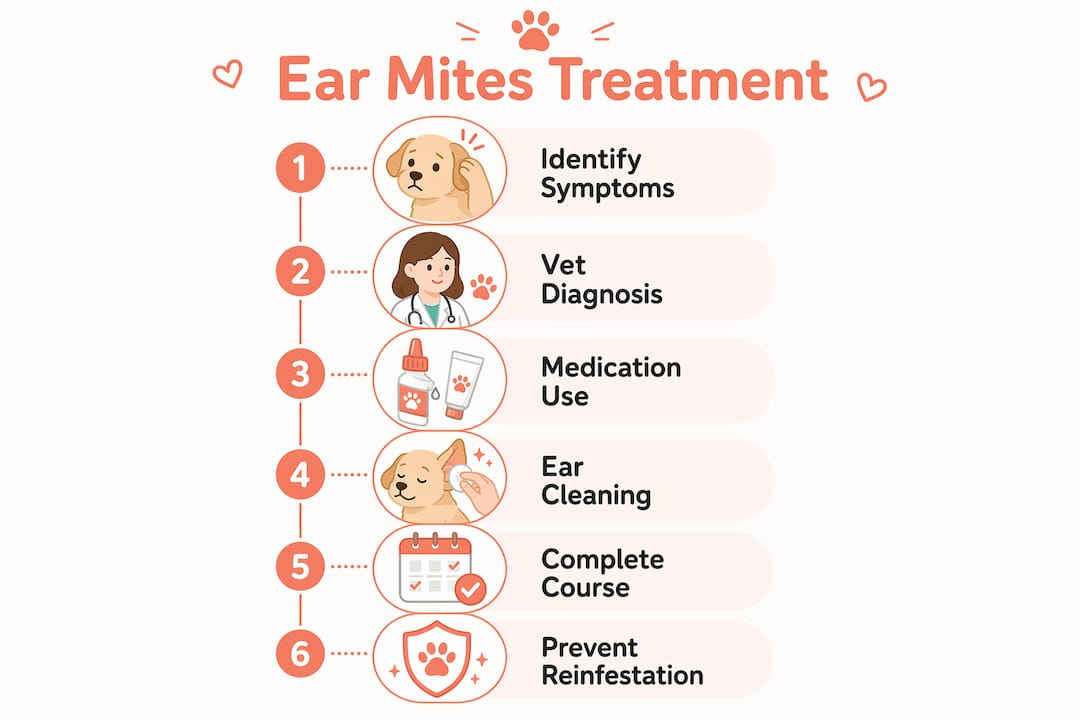
- Get a vet diagnosis first. Symptoms overlap with infections and allergies, so guessing the cause risks using the wrong product.
- Use prescribed antiparasitic medication. Spot-ons containing selamectin (Revolution) or ear drops with milbemycin oxime (Milbemite) are among the vet-approved options available in the UK.
- Clean the ears with an approved cleanser. Products like Epi-Otic Advanced remove debris and help medication reach the mites more effectively.
- Treat all cats in the household simultaneously to prevent one untreated pet from reinfesting the others.
- Complete the full course. Stopping early because symptoms improve is the most common reason for recurrence.
- Avoid home remedies. Baby oil and similar substances do not kill mite eggs and can make professional treatment harder.
Pro Tip: Even when your cat seems completely comfortable after a week or two, keep going with the prescribed treatment. Mite eggs are resilient, and stopping early almost guarantees a return visit to the vet.
Table of Contents
- What are ear mites and how do they affect your cat?
- How to spot the signs of ear mites in your cat
- How vets diagnose ear mites in cats
- Treatment options your vet may recommend
- Preventing reinfestation and caring for your cat at home
- UK vet guidance and safe products for treating ear mites
- Giddypets has everything your cat needs to stay healthy
- Key takeaways
What are ear mites and how do they affect your cat?
Otodectes cynotis are microscopic, eight-legged parasites that live almost exclusively in the ear canals of cats, dogs, and rabbits. They feed on skin debris and ear wax, and their presence triggers an intense inflammatory response in the ear canal lining. The result is discomfort, irritation, and a build-up of dark, waxy discharge that can look alarmingly like coffee grounds.
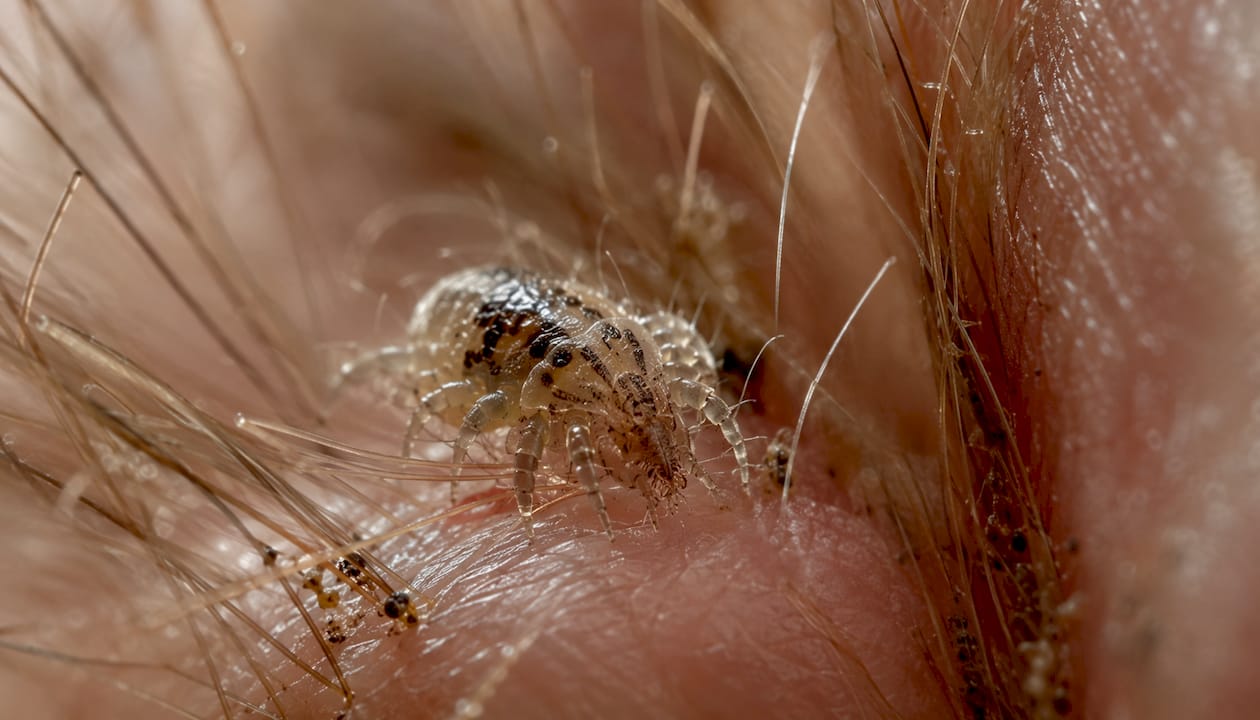
Despite being tiny, these mites cause outsized problems. The constant irritation leads to relentless scratching and head shaking, which can damage delicate ear tissue over time. Left untreated, infestations can cause severe otitis externa (inflammation of the outer ear canal), painful aural haematomas (blood blisters from burst vessels caused by scratching), and in serious cases, balance problems or hearing loss. Secondary bacterial and yeast infections are also common, since the mite-damaged skin provides an easy entry point for pathogens.
Ear mites are highly contagious among cats and can spread through direct contact or shared bedding, toys, and grooming tools. Outdoor cats and those in multi-pet households face the highest risk, though any cat can pick them up.
How to spot the signs of ear mites in your cat
Recognising the signs early gives you the best chance of a swift, uncomplicated recovery. The classic cat ear mite symptoms are hard to miss once you know what to look for.
- Intense, persistent ear scratching. Your cat may scratch at one or both ears repeatedly, sometimes breaking the skin around the ear flap.
- Frequent head shaking. A cat trying to dislodge the irritation will shake its head often, sometimes violently.
- Dark, crumbly discharge. The tell-tale coffee-ground-like debris inside the ear canal is a strong indicator, though it can also appear in bacterial infections.
- Redness and inflammation. The inner ear flap and canal entrance may look red, swollen, or sore.
- Crusting or scabs around the ear edges. Caused by repeated scratching and self-trauma.
- Aural haematoma. A swollen, fluid-filled ear flap that develops when a blood vessel ruptures from vigorous head shaking. This requires urgent veterinary attention.
One important caveat: these signs can look almost identical to a yeast or bacterial ear infection. A cat with a yeasty smell from its ears and similar dark discharge may have an infection rather than mites. Only a vet can tell the difference reliably, which is why a professional examination is always the right first step.
How vets diagnose ear mites in cats
Your vet has two main tools for confirming an ear mite infestation. The first is an otoscope, a lighted instrument that allows direct visualisation of the ear canal. Mites are just visible to the naked eye as tiny white moving specks, and an otoscope makes them much easier to spot. The second method involves taking a swab of the ear debris and examining it under a microscope, where the mites and their eggs are clearly identifiable.
Veterinary diagnosis is essential because ear mite symptoms overlap significantly with bacterial infections, yeast infections, and allergies. Treating for mites when the real problem is a bacterial infection, or vice versa, will not resolve the issue and may cause further harm. Your vet will also assess whether a secondary infection has developed alongside the mite infestation, since both may need treating at the same time. Getting this right from the outset saves time, money, and your cat a great deal of discomfort.
Treatment options your vet may recommend
Once your vet has confirmed ear mites, they will recommend one or more of the following approaches depending on the severity of the infestation and your cat’s overall health.
- Spot-on parasiticides. Applied to the skin at the back of the neck, these are absorbed systemically and kill mites throughout the body. Selamectin, sold under the brand name Revolution, is one of the most widely used options. Macrocyclic lactones like selamectin are effective against all mite life stages and offer the added benefit of broader parasite control.
- Medicated ear drops. Applied directly into the ear canal, these kill mites on contact. Milbemite (containing milbemycin oxime) is a single-dose treatment per ear that has shown strong clinical results in treating ear mites. A second application may be recommended based on the mite life cycle and treatment response.
- Ear cleansers. Products like Epi-Otic Advanced Cleaner help remove the dark, waxy debris that accumulates during an infestation. Clearing this debris improves medication contact with the ear canal lining. A specialist pet ear cleaner can also support gentle maintenance between vet visits. Cleaning should be done carefully, as aggressive flushing can traumatise the canal.
- Antibiotics or anti-inflammatory medication. When secondary infections are present, your vet may prescribe additional treatment to address them alongside the antiparasitic course.
- Full treatment duration. Regardless of which product your vet prescribes, the course typically runs for around a month to ensure all mite life stages, including eggs, are eliminated. Stopping early is the leading cause of recurrence.
- Avoid unapproved products. Human ear drops, essential oils, and household remedies are not safe for cats and should never be used without explicit veterinary guidance.
Preventing reinfestation and caring for your cat at home
Treating the infestation is only half the job. Keeping it from coming back requires some straightforward but consistent effort at home.
- Clean ears weekly with a vet-approved cleanser. Routine maintenance prevents wax build-up that mites thrive in and lets you spot any early signs of trouble.
- Wash bedding, blankets, and soft toys in hot water. Mites and eggs can survive on fabric, so regular laundering is a practical line of defence. Cat grooming brushes and other shared grooming tools should also be cleaned thoroughly.
- Treat all cats in the household at the same time. Even a cat showing no symptoms can harbour mites and reinfest a treated companion. All household pets should be assessed and treated concurrently.
- Limit contact with cats of unknown health status. Outdoor cats are at higher risk, but even indoor cats can be exposed through new arrivals to the home.
- Maintain year-round parasite prevention. Many broad-spectrum flea and parasite treatments also protect against ear mites. Discuss the best option for your cat’s lifestyle with your vet.
- Schedule regular vet check-ups. Routine examinations catch early infestations before they become complicated, saving your cat discomfort and you a more involved treatment course.
UK vet guidance and safe products for treating ear mites
UK vets consistently stress one point above all others: ear mite infestations are often underdiagnosed because their symptoms so closely mimic other ear conditions. A cat scratching its ears and producing dark discharge could have mites, a yeast infection, a bacterial infection, or an allergy. Without a proper examination, you cannot know which, and the wrong treatment will not help.
Worth knowing: The severity of a cat’s symptoms does not always reflect the number of mites present. Some cats with heavy infestations show relatively mild signs, while others with far fewer mites experience intense inflammation. This makes self-diagnosis particularly unreliable.
Among the vet-approved products available in the UK, Bugalugs Antiseptic Ear Drops offer a gentle antiseptic option for ear care and maintenance. Milbemite (milbemycin oxime) provides targeted, single-dose treatment directly into the ear canal. Revolution (selamectin) is a spot-on that works systemically and is particularly useful in multi-cat households where ease of application matters. Epi-Otic Advanced Cleaner is widely recommended for removing debris before or during treatment to improve medication efficacy.
Home remedies like baby oil are firmly discouraged by vets. They may temporarily smother adult mites but do nothing to kill eggs, meaning the infestation rebounds once the oil is absorbed. They also leave the ears greasy, which can interfere with prescribed treatments applied afterwards.
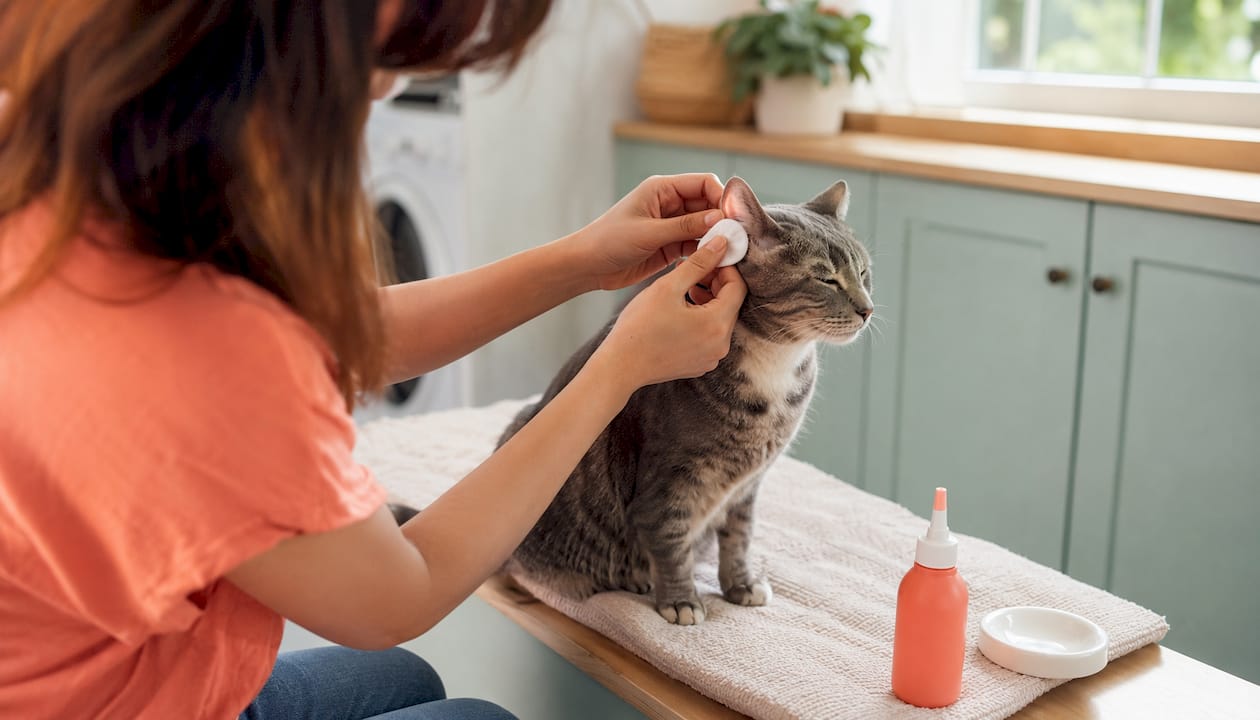
Pro Tip: When cleaning your cat’s ears during treatment, apply the cleanser, gently massage the base of the ear for 20–30 seconds, then allow your cat to shake its head before carefully wiping away loosened debris with cotton wool. Never use cotton buds inside the ear canal.
Giddypets has everything your cat needs to stay healthy

Treating ear mites is a vet’s job, but keeping your cat comfortable, clean, and well-cared-for between appointments is where you come in. Giddypets is a UK-based pet supplies store built for exactly that: giving cat owners access to quality grooming tools, health accessories, and expert-backed advice without the faff of trawling multiple sites.
Whether you need cat grooming brushes to keep your cat’s coat in good shape during recovery, or you want to browse the full range of cat care essentials, Giddypets has it covered. Every product is chosen with your pet’s wellbeing in mind, and the site’s free guides and vet-approved advice pieces mean you are never left guessing. Browse the Giddypets cat range today and find everything your cat needs to thrive.
Key takeaways
Effective cat ear mites treatment requires veterinary diagnosis, a full course of prescribed antiparasitic medication, and concurrent treatment of all household cats to prevent reinfestation.
| Point | Details |
|---|---|
| Vet diagnosis is non-negotiable | Ear mite symptoms overlap with infections and allergies; only a vet can confirm the cause. |
| Treatment lasts around a month | The full course covers all mite life stages, including eggs, to prevent recurrence. |
| Treat all cats at once | Even symptom-free cats can carry mites and reinfest treated companions. |
| Avoid home remedies | Baby oil and similar products do not kill mite eggs and can interfere with prescribed treatment. |
| Giddypets supports ongoing cat care | Giddypets offers UK cat owners quality grooming tools, health accessories, and vet-approved advice. |