






What size collar for a golden retriever
Most adult Golden Retrievers take a collar somewhere in the region of 40 to 55cm, reflecting genuine size variation between individual dogs, but the only way to get this right for your own dog is to measure their actual neck rather than relying on a breed-average range. A puppy will need several sizes as they grow before settling into an adult size.
How to measure your dog's neck properly
Wrap a soft tape measure around the middle of your dog's neck, where a collar would normally sit, snug enough that it is not loose but without pulling tight. Add roughly two finger-widths, around 2.5 to 5cm depending on your dog's size, to that measurement to allow for a comfortable, correctly fitted collar rather than one that is tight against the skin.
If you do not have a soft tape measure, a piece of string measured around the neck and then checked against a ruler works just as well. Measuring gives a far more reliable result than guessing from a general breed size range, since individual Golden Retrievers vary meaningfully in build.
You'll find our dog collars in the shop.
Why the breed range is only a starting point
Golden Retrievers vary in size more than some breeds do, with build, sex and simply individual variation all affecting neck size within the same general weight range. A 40 to 55cm range covers most adults, but a particularly large or lightly built individual dog can genuinely sit outside either end of that.
Coat thickness also plays a small part — a Golden Retriever's dense double coat adds a little apparent bulk around the neck, so measure against the skin under the coat where the collar will actually sit, not over the top of a fluffed-up ruff.
Checking the fit once the collar is on
The two-finger rule is the standard check: you should be able to fit two fingers comfortably between the collar and your dog's neck when it is relaxed, snug enough not to slip over the head but not tight against the skin. Recheck this every few months for an adult dog, and considerably more often for a growing puppy, since neck size changes quickly during that stage.
A collar that was correctly fitted a few months ago can become too tight after a dog gains weight or too loose after they lose it, so treat sizing as something to revisit occasionally rather than a one-off task done at the time of buying. It costs nothing but a moment to check, and it is worth doing whenever you notice a change in your dog's build.
The sizes we stock
Everything below is in stock with us, priced with delivery worked out, and packed and posted by hand in the UK.
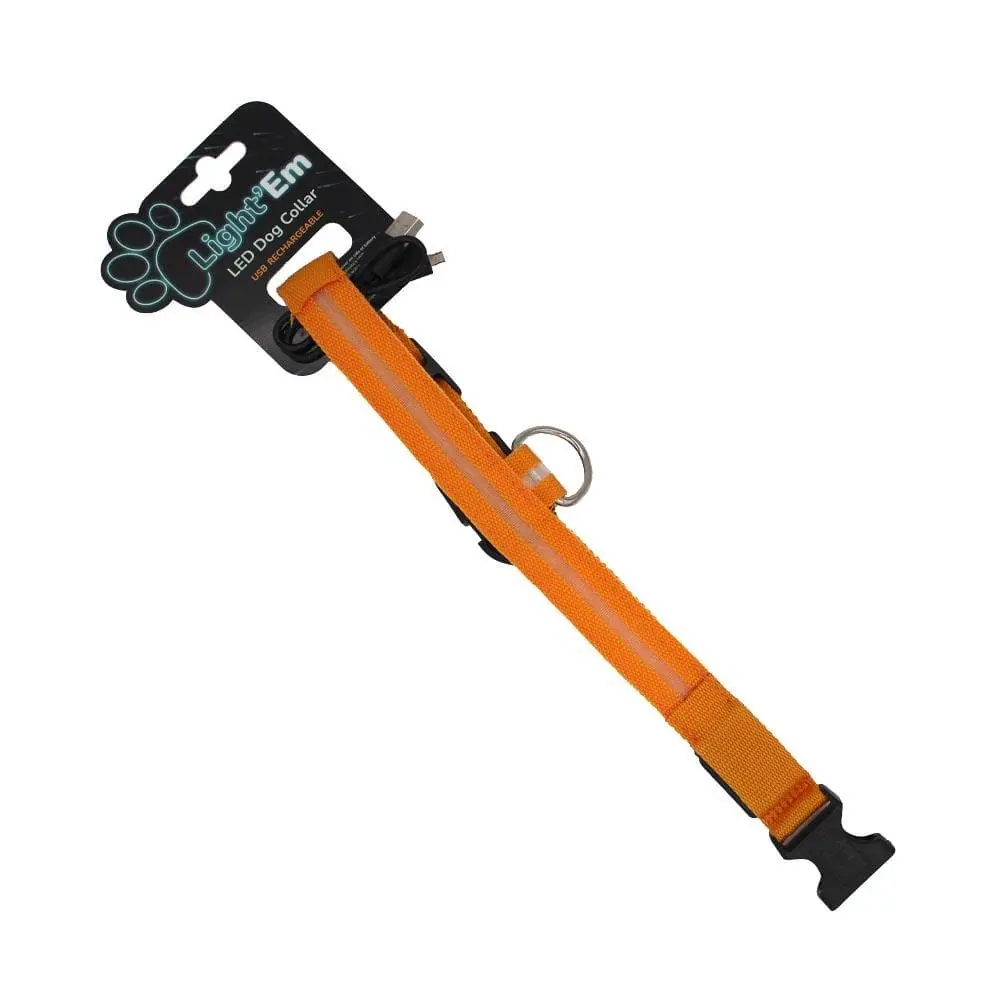
Rechargeable LED Safety Dog Collar
A tough nylon collar with a built-in rechargeable LED strip — up to 8 hours of bright visibility on a single 2-hour charge.
From£7.99
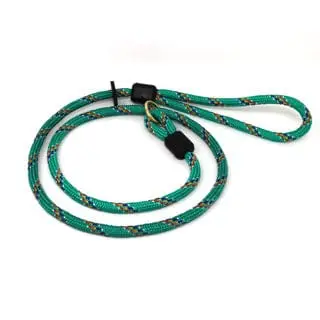
Harlequin Slip Lead with Rubber Stopper — 2 Lengths
A colourful 1cm slip lead with a rubber stopper for quick, secure control — available in two lengths.
From£13.49
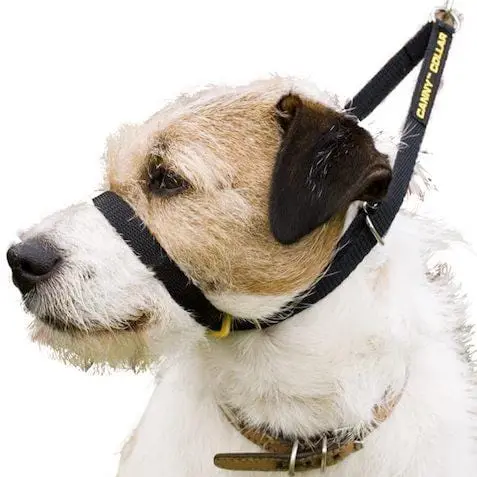
Canny Collar Training Collar for Dogs
A training collar with a clever behind-the-head design that gently discourages pulling without discomfort.
£22.99
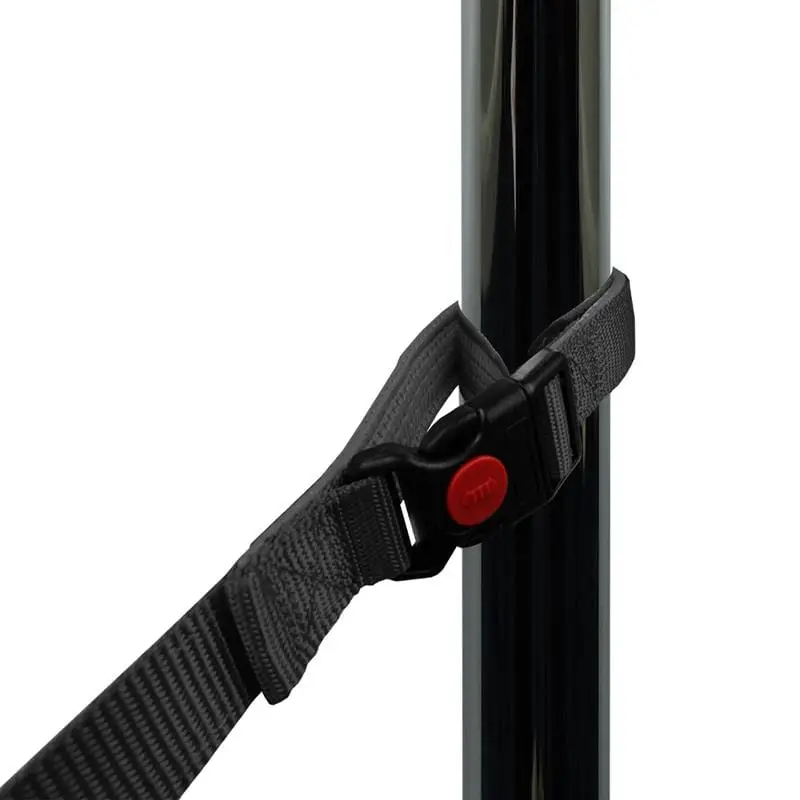
Canny Lead Connect — Lockable Dog Lead (15mm & 25mm)
A clever everyday lead with a built-in locking buckle so you can secure your dog to a fixed point without unclipping them.
From£12.99
Common questions
- What size collar does an adult Golden Retriever usually need?
- Most adults take a collar somewhere in the region of 40 to 55cm, though this varies with individual build. Measuring your own dog's neck and adding a couple of finger-widths for a comfortable fit is more reliable than relying on the general range alone.
- How often should I check my Golden Retriever's collar size?
- For a growing puppy, check every few weeks, since neck size changes quickly during that stage. For an adult dog, checking every few months is generally enough, or sooner if you notice any weight change.
- Should I measure over or under a Golden Retriever's coat?
- Measure against the skin under the coat, where the collar will actually sit, rather than over a fluffed-up ruff. Measuring over the coat can give a falsely large reading and result in a collar that ends up loose once settled against the neck.
- How much room should there be in a properly fitted collar?
- You should be able to fit two fingers comfortably between the collar and your dog's neck when it is relaxed. Any less than that and it may be too tight; noticeably more, and it risks being loose enough to slip over the head.
Related
Sources
Written against guidance published by UK veterinary and welfare organisations. Always confirm specifics with your own vet.
Written by Matt Garnett, who runs Giddy Pets and is a lifelong pet owner — not a vet. This is general information, not veterinary advice, and it cannot replace an examination by the vet who knows your animal. How we write these guides.