


Best Cat Trees in the UK: Sturdy Picks for Every Home
The best UK cat trees are sturdy, tall enough to climb and matched to your cat's size and space. Here's how to choose a tower that lasts and won't wobble.
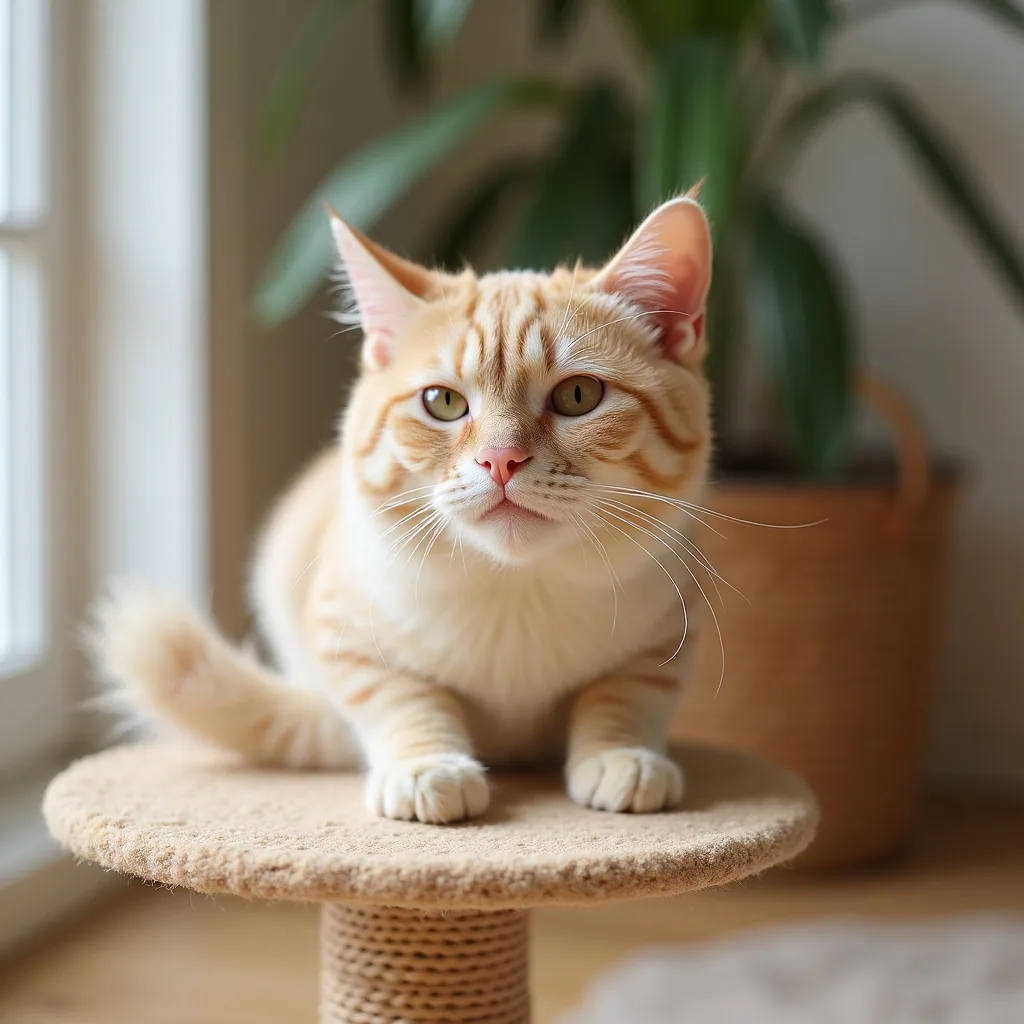
The quick answer
There's no single right height, but taller generally suits active climbers and multi-cat homes, while lower trees suit kittens, seniors and small spaces. Whatever the height, make sure the base is wide enough and, for tall models, that you can anchor it to the wall.
Mentioned in this guide

Self-Adhesive Sisal Cat Scratching Mat
A self-adhesive sisal scratching mat that sticks to sofas, walls, posts or furniture corners. Redirects your cat's claws to a satisfying surface and protects upholstery from scratching damage.
£7.99

Mushroom Sisal Cat Scratching Post with Toys
A bright red mushroom-shaped sisal scratching post that doubles as a fun spot to scratch and play.
From£27.99

Tall Cat Scratching Post Strong Natural Sisal
A tall column wrapped in natural sisal, giving an adult cat somewhere to scratch at full stretch and climb, instead of starting work on the arm of your sofa.
£31.99

Magic Organ Cardboard Cat Scratcher with Bell Ball
A foldable accordion-style corrugated cardboard scratcher that reshapes into a round scratching toy. A bell ball spins in the central track to keep your cat batting, chasing and scratching for hours.
£8.99
The best cat tree is the one your cat actually uses, and that almost always comes down to stability, height and the right materials for your cat's size and habits. A wobbly tower will be ignored no matter how good it looks, so sturdiness is the first thing to judge. This guide covers what separates a tree worth buying from a flat-pack disappointment.
If you already know roughly what you want, the cat trees and scratchers range shows every tree we sell with its height, base size and price side by side.
Why cats need a cat tree at all
Cats are hardwired to climb and perch. Height gives them a vantage point, a sense of security, and a place to retreat from dogs, children or other cats. A good tree also redirects scratching away from your sofa and gives an indoor cat much-needed exercise.
In a multi-cat home, vertical space genuinely reduces tension by giving each cat somewhere to be that isn't someone else's spot. We go deeper on this in Vertical Space for Cats: Climbing, Perches and Cat Trees.
What makes a cat tree sturdy
Stability is non-negotiable. A cat that feels a tree sway will simply stop using it.
- A wide, heavy base. The footprint should be broad relative to the height. Thin bases on tall towers are the classic cause of wobble.
- Solid construction. Look for thick board posts and tightly wrapped sisal, not flimsy tubes.
- Wall anchoring on taller models. Many good tall trees include a strap to fix the top to the wall, which transforms stability for a big or boisterous cat.
- Honest weight. A heavier flat-pack box is usually a reassuring sign; very light trees often tip.
If you've got a confident climber or a heavy cat, treat the weight rating and base width as your two most important numbers.
Matching the tree to your cat
Tall cats and big breeds. Maine Coons, Ragdolls and other large cats need generously sized platforms, wide hammocks and posts they can stretch up fully. A small tree designed for a kitten will frustrate them. Prioritise a tall, robust frame with deep perches.
Kittens and seniors. Lots of low, easy steps suit both, though for different reasons; kittens are clumsy and seniors may have stiff joints. A more gradual layout beats a single big leap.
Nervous cats. A covered cubby or enclosed perch up high gives a hiding place that doubles as a lookout, which many anxious cats love.
Browse the full cat trees and scratchers range with your cat's size firmly in mind, and the wider cat supplies range for the rest of the setup.
Materials and features that matter
- Sisal scratching posts are the gold standard, as cats love the texture and it wears well. A tall, well-anchored post like the tall cat scratching post in strong natural sisal gives a full-height stretch.
- Replaceable or modular parts extend the life of the tree. A cat scratching post with magnetic attachments and versatile corrugated design lets you reconfigure as your cat's tastes change.
- Plush perches and hammocks add comfort and become favourite nap spots.
- Variety of textures. Some cats prefer to scratch horizontally; a cat scratch furniture protector and DIY scratching mat covers that base, while a playful piece like the red mushroom cat scratching post toy tempts kittens.
Placement: the make-or-break detail
Even the best tree gets ignored in the wrong spot. Put it where the action is, near a window for bird-watching, or in a room the family uses. Cats want to be part of things, not exiled to a spare room.
If your cat already has a favourite scratching corner, place the tree there to redirect the behaviour. A sunny windowsill view is often the single biggest factor in whether a tree becomes a daily haunt.
Cat tree or just a scratching post?
If your main aim is saving the sofa rather than giving your cat somewhere to climb, a standalone post may be all you need, and it's cheaper and smaller. We compare the two in Cat Tree vs Scratching Post: Which Does Your Cat Need?, and round up dedicated posts in Best Cat Scratching Posts in the UK to Save Your Sofa. For most homes with the space, a tree does both jobs and gives far more besides.
Common questions
How tall should a cat tree be?
There's no single right height, but taller generally suits active climbers and multi-cat homes, while lower trees suit kittens, seniors and small spaces. Whatever the height, make sure the base is wide enough and, for tall models, that you can anchor it to the wall.
How do I get my cat to actually use a new cat tree?
Place it somewhere social with a good view, rub a little catnip on the posts, and pop treats or a favourite toy on the perches. Putting it near where your cat already likes to scratch or nap helps it become part of their routine.
What's the best cat tree for a large or heavy cat?
Look for thick posts, deep and wide platforms, a heavy broad base and a generous weight rating. Wall-anchoring is especially worthwhile for big cats, as it stops a tall tree swaying when they leap on and off.
Sisal or carpet for the scratching posts?
Sisal is usually the better choice, as most cats prefer the texture and it stands up to heavy scratching. Carpet-covered posts can confuse cats into thinking carpet is fair game to scratch elsewhere in the house.
About the author
Matt Garnett — founder, Giddy Pets
Matt started Giddy Pets to make getting pets the good stuff simpler and fairer. Everything in these guides comes from real life with pets and a lot of trial and error — it's practical guidance, not veterinary advice. If a guide gets something wrong, tell him directly.
Advice & planning
Free tools & more guides
Practical calculators and trusted guides relevant to this product.
Read next

Best Cat Radiator Beds and Window Hammocks in the UK
Radiator beds rated to 5kg, window hammocks whose suction cups carry a real rating, and the hooks, clamps and brackets that fit UK radiators and glass.
Thinking of Getting a Rabbit? What Every New Owner Should Know
Travelling With a Cat: Everything You Need to Know

Cats and Christmas Trees: How to Keep Both Standing
Why cats cannot leave a Christmas tree alone, which decorations are genuinely dangerous, and what actually works to stop them climbing it.