






Are Dutch Shepherds hypoallergenic?
No, Dutch Shepherds are not hypoallergenic, and in truth no dog breed genuinely is — the term describes a spectrum of lower-shedding, lower-dander breeds rather than an allergen-free one. Dutch Shepherds come in three coat types, and none of them are known for being especially light shedders, which makes this a breed unlikely to suit most people with dog allergies.
Why 'hypoallergenic dog' is a misleading term
Dog allergies are usually triggered by proteins found in dander, saliva and urine rather than by hair itself, and every dog produces these regardless of coat type. A genuinely low-shedding breed can reduce how much dander ends up around a home simply by shedding less hair to carry it on, but that is a difference of degree, not a true absence of allergen.
This matters because a breed marketed loosely as hypoallergenic can still cause a reaction in a genuinely sensitive person, and the only reliable way to know is to spend real time around the specific breed, or ideally the specific dog, before committing.
What a Dutch Shepherd's coat is actually like
The breed comes in three recognised coat types — short-haired, long-haired and rough-haired — and all three carry a functional double coat suited to an active working dog rather than anything bred with allergy sufferers in mind. The short-haired variety in particular tends to shed fairly consistently year-round.
Like most double-coated breeds, Dutch Shepherds also go through heavier seasonal shedding periods on top of their everyday coat loss, when significantly more hair and undercoat comes away over a few weeks.
If you have allergies and want a dog like this
If you are drawn to the Dutch Shepherd's temperament and working ability rather than its coat specifically, spending extended time with the breed before committing is the only genuine way to judge your own reaction, since allergy severity varies enormously between individuals.
Regular grooming, more frequent during seasonal coat blow, and keeping living areas well vacuumed can reduce the amount of loose hair and dander in a home, though it will not remove the underlying allergens the way a genuinely low-shedding breed's coat might.
What the breed actually offers instead
Dutch Shepherds were bred as versatile working and herding dogs, and that background shows in their temperament — intelligent, energetic and generally happiest with a job to do, whether that is formal training, sport, or simply plenty of structured daily exercise. None of that is affected by allergy considerations, which is worth remembering if the coat is the only reason you were hesitant.
If allergies rule the breed out for your household, that intelligence and work ethic can be found in some lower-shedding herding-type crosses, though none will match a Dutch Shepherd's specific working lineage exactly, and coat type should never be the only factor in choosing a working breed suited to this kind of temperament.
Kit for this breed
Things we stock that owners commonly reach for here. Nothing on this page depends on you buying one.
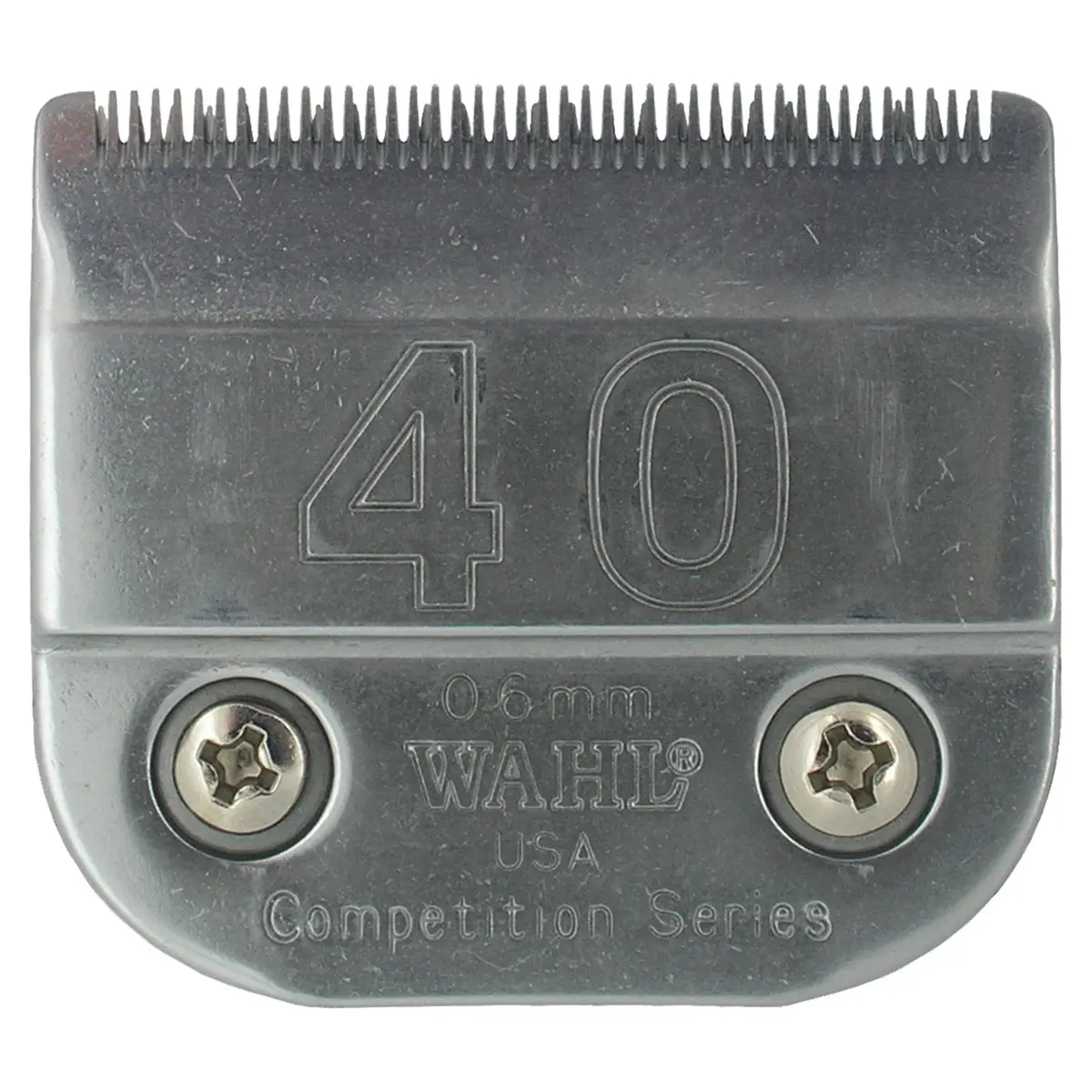
Wahl Competition Series Clipper Blades
High-precision, chrome-plated clipper blades with a rust-resistant finish, available in 17 sizes for every coat type and clipping style.
From£37.99
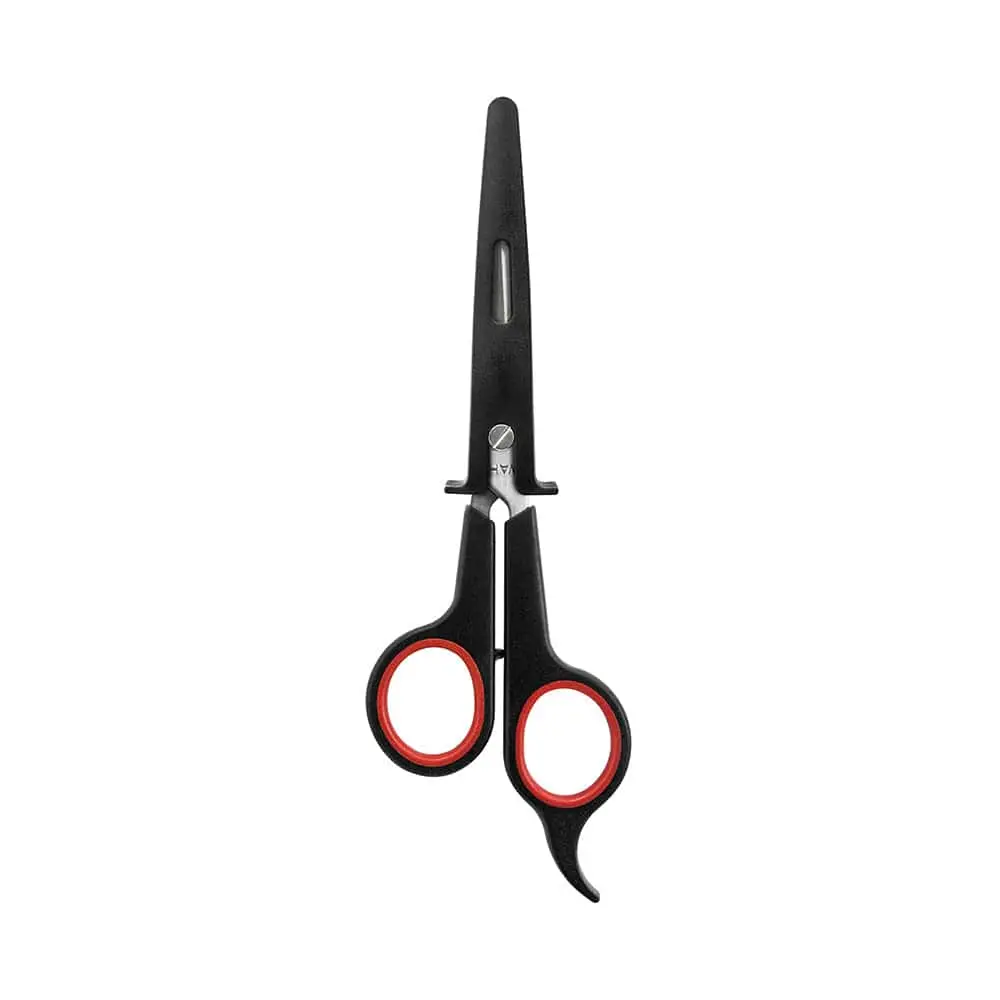
Wahl Pet Grooming Scissors with Finger Rest
Stainless steel finishing scissors with ergonomic offset handles — perfect for tidying around eyes, ears, mouth, and paws.
£5.49
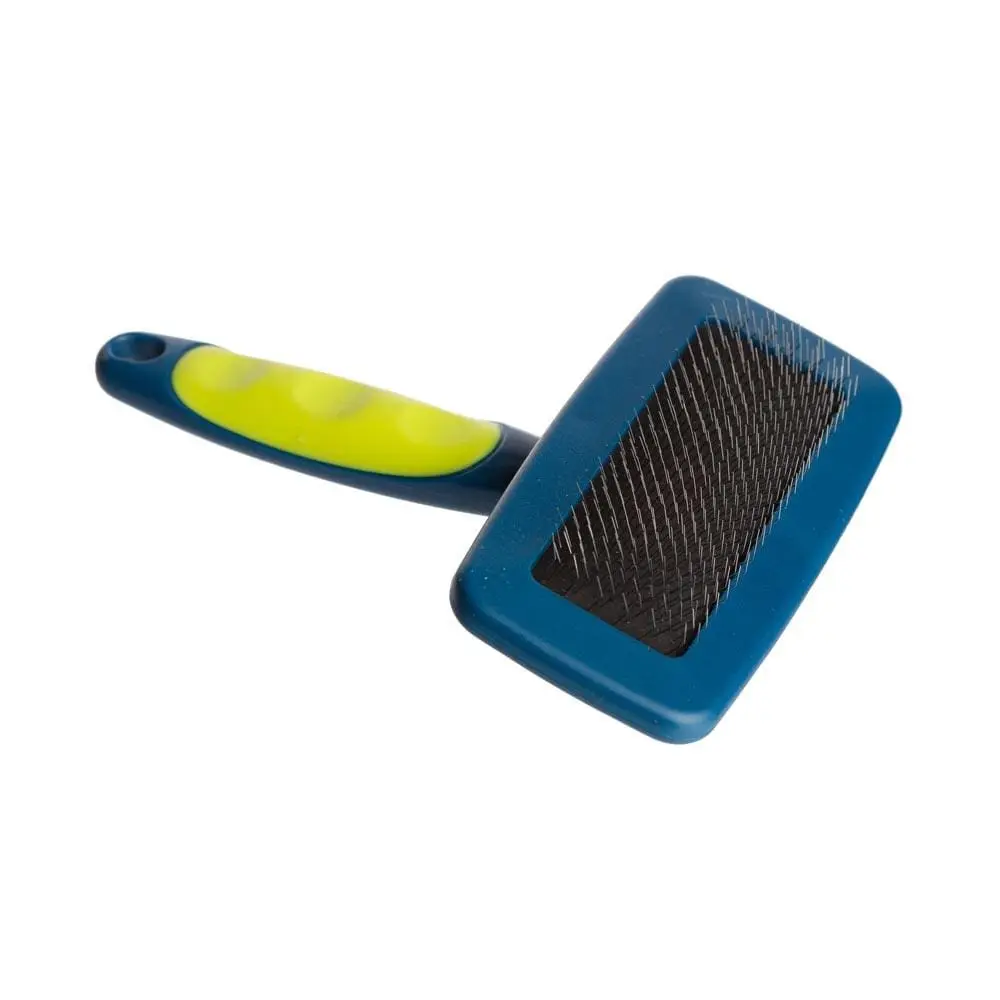
Slicker Brush for Dogs — Detangling & De-shedding
An ergonomic slicker brush with anti-scratch pins that works through tangles and removes dead hair from top and undercoat.
From£9.99
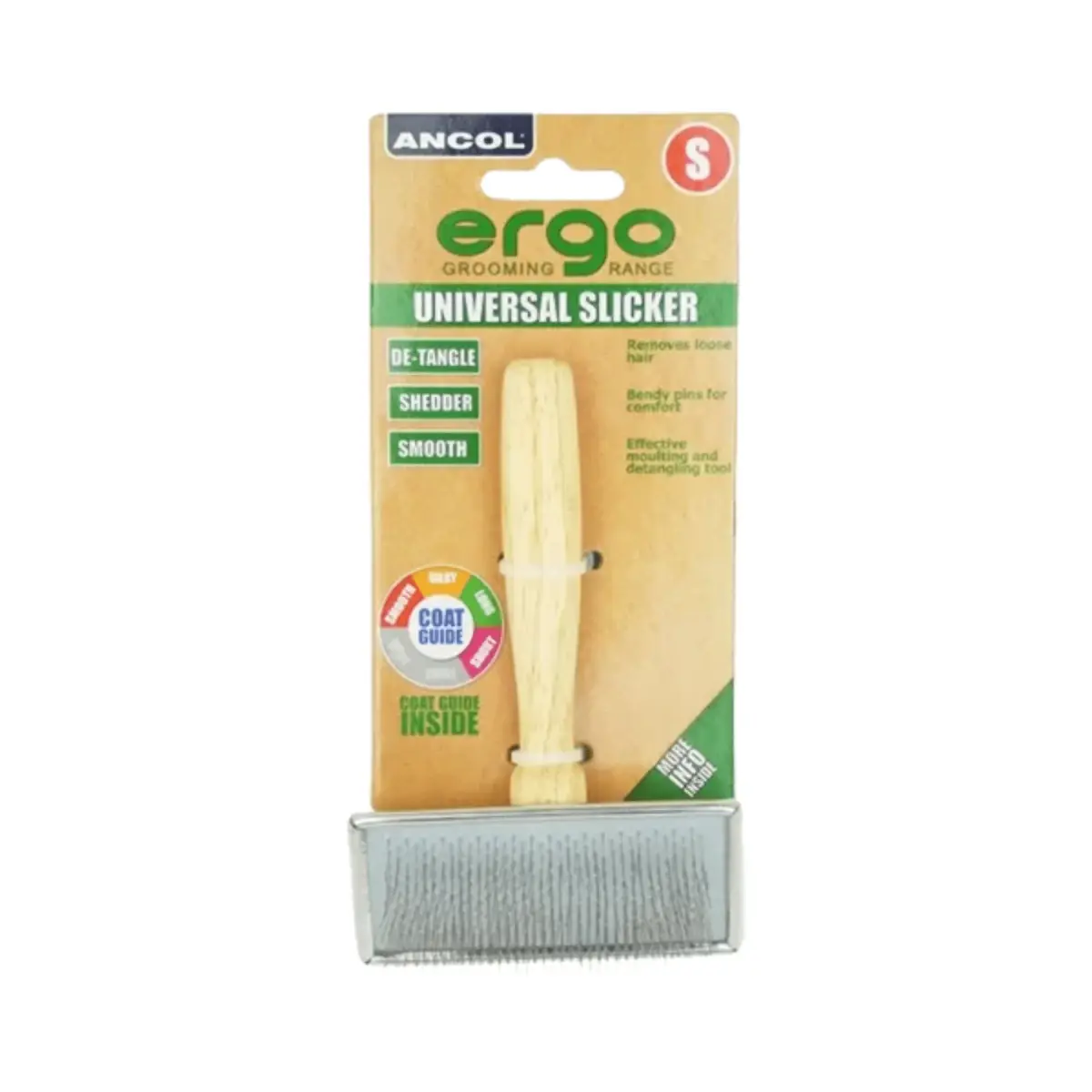
Ancol Ergo Wooden Handle Slicker Brush
A stainless steel slicker brush on a wooden handle, for short, long, wiry and curly coats
From£6.99
Common questions
- Is any dog breed truly hypoallergenic?
- No. All dogs produce allergy-triggering proteins in their dander, saliva and urine regardless of breed, so 'hypoallergenic' really describes lower-shedding breeds that spread less of that allergen around, rather than dogs that produce none.
- Do Dutch Shepherds shed a lot?
- Yes, all three coat types shed to a moderate or greater degree, with the short-haired variety shedding fairly consistently year-round and all types going through heavier seasonal coat loss on top of that.
- What breeds are better for allergy sufferers than a Dutch Shepherd?
- Breeds often described as lower-shedding, such as Poodles and some Poodle crosses, tend to spread less dander than a double-coated working breed like the Dutch Shepherd, though individual allergic reactions still vary and should be tested in person.
Related
Sources
Written against guidance published by UK veterinary and welfare organisations. Always confirm specifics with your own vet.
Written by Matt Garnett, who runs Giddy Pets and is a lifelong pet owner — not a vet. This is general information, not veterinary advice, and it cannot replace an examination by the vet who knows your animal. How we write these guides.