






Are Curly Coated Retrievers hypoallergenic?
No, Curly Coated Retrievers are not hypoallergenic, and no dog breed truly is. What Curly Coated Retrievers do have is a distinctive tight, curly double coat that sheds less visibly than many retriever breeds, which sometimes gets mistaken for hypoallergenic — but the allergens that trigger most people's reactions come mainly from skin dander and saliva, not the hair itself.
Why 'hypoallergenic dog' is a myth worth understanding
The proteins that trigger most dog allergies are found in dander, saliva and urine, not exclusively in hair. Every dog produces some of all three, so no breed can be guaranteed allergen-free, whatever the coat looks like. What varies between breeds is how much loose hair and dander ends up in the environment rather than staying on the dog.
A breed marketed as hypoallergenic simply tends to shed less visible hair, which reduces how much dander is carried into the air and onto furniture on that hair. It is a difference of degree, not a guarantee, and reactions vary enormously from person to person regardless of what any breed label promises.
What the Curly Coated Retriever's coat actually does
Their tight curls lie close to the body and form a naturally water-resistant double coat, originally bred for retrieving in cold water. That structure sheds less noticeably than the flowing, feathered coats of a Golden or Flat-Coated Retriever, and many owners describe the shedding as manageable rather than minimal.
The coat still needs regular care — occasional brushing to prevent matting in the curls, particularly around the ears and hindquarters, and bathing only when genuinely needed, since over-washing can loosen the natural curl pattern. It is a lower-maintenance coat than many retriever breeds, not a low-allergen one.
What genuinely helps if you or a family member has allergies
Regular grooming with the right brush reduces loose hair and dander in the home more reliably than picking a particular breed, and a wipe-down after walks removes pollen and outdoor allergens the coat has picked up before they spread indoors.
Washing bedding frequently, vacuuming with a pet-specific filter, and keeping the dog out of bedrooms all make a measurable difference for many allergy sufferers, and are worth trying with any breed — including a Curly Coated Retriever — before assuming a particular dog will or will not be tolerable.
It is also worth spending time around the specific dog you are considering rather than relying on the breed's reputation alone, since individual dogs within any breed can produce noticeably different amounts of dander, and a person's own sensitivity can vary from one visit to the next depending on exposure and time of year.
Kit for this breed
Things we stock that owners commonly reach for here. Nothing on this page depends on you buying one.
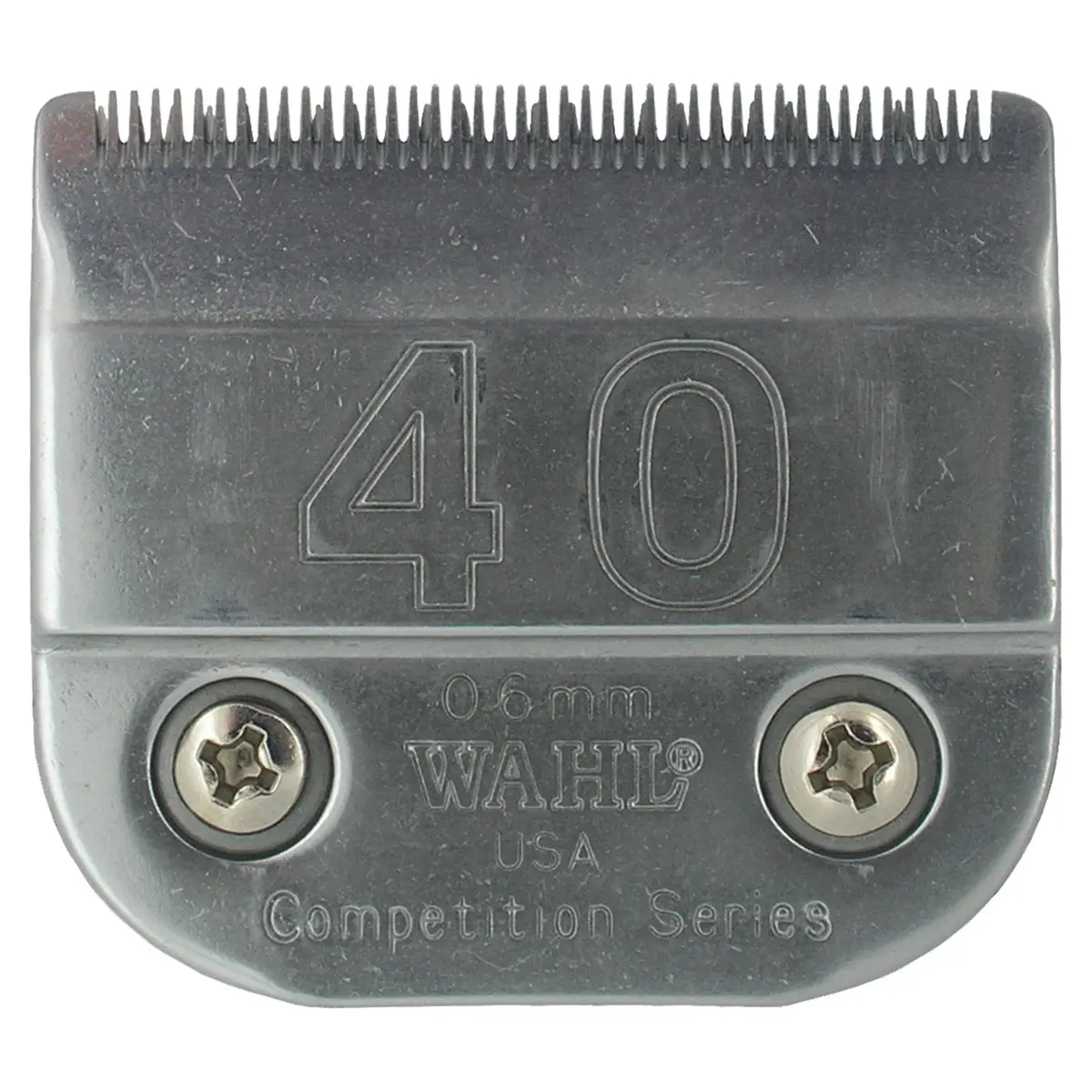
Wahl Competition Series Clipper Blades
High-precision, chrome-plated clipper blades with a rust-resistant finish, available in 17 sizes for every coat type and clipping style.
From£37.99
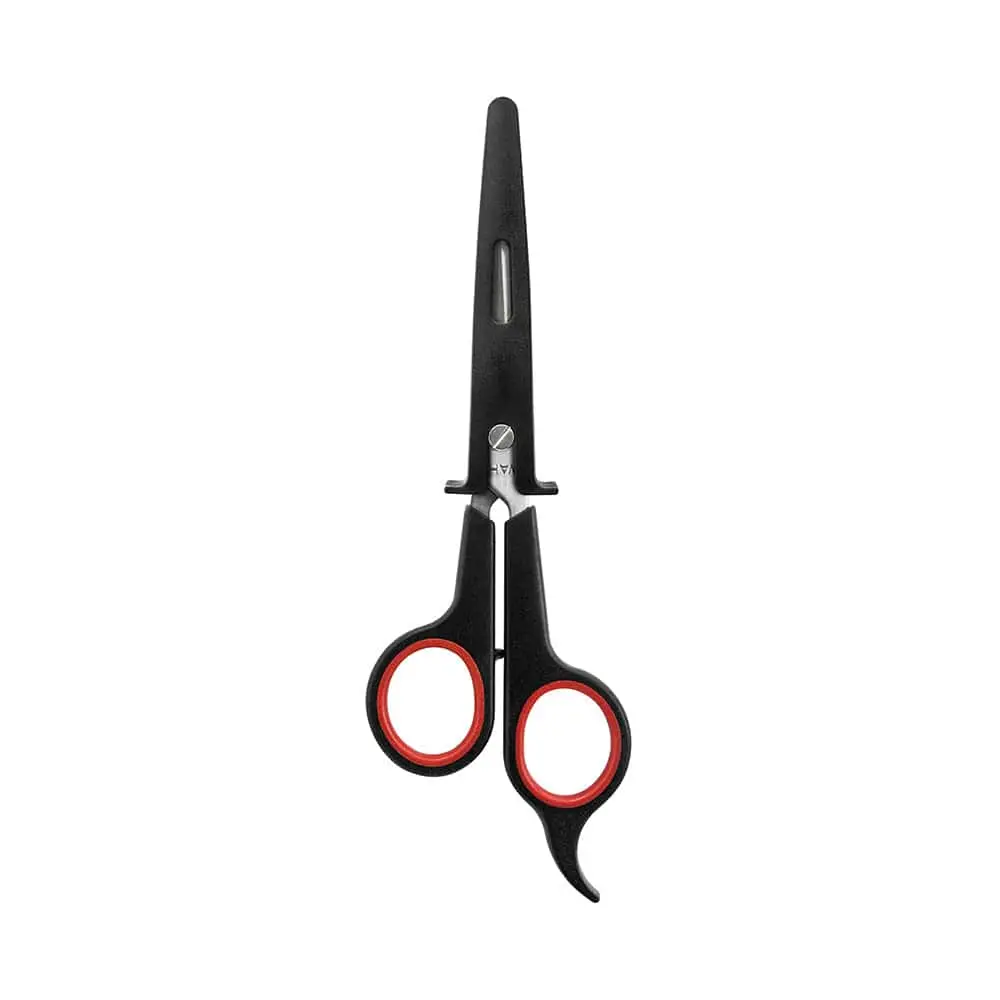
Wahl Pet Grooming Scissors with Finger Rest
Stainless steel finishing scissors with ergonomic offset handles — perfect for tidying around eyes, ears, mouth, and paws.
£5.49
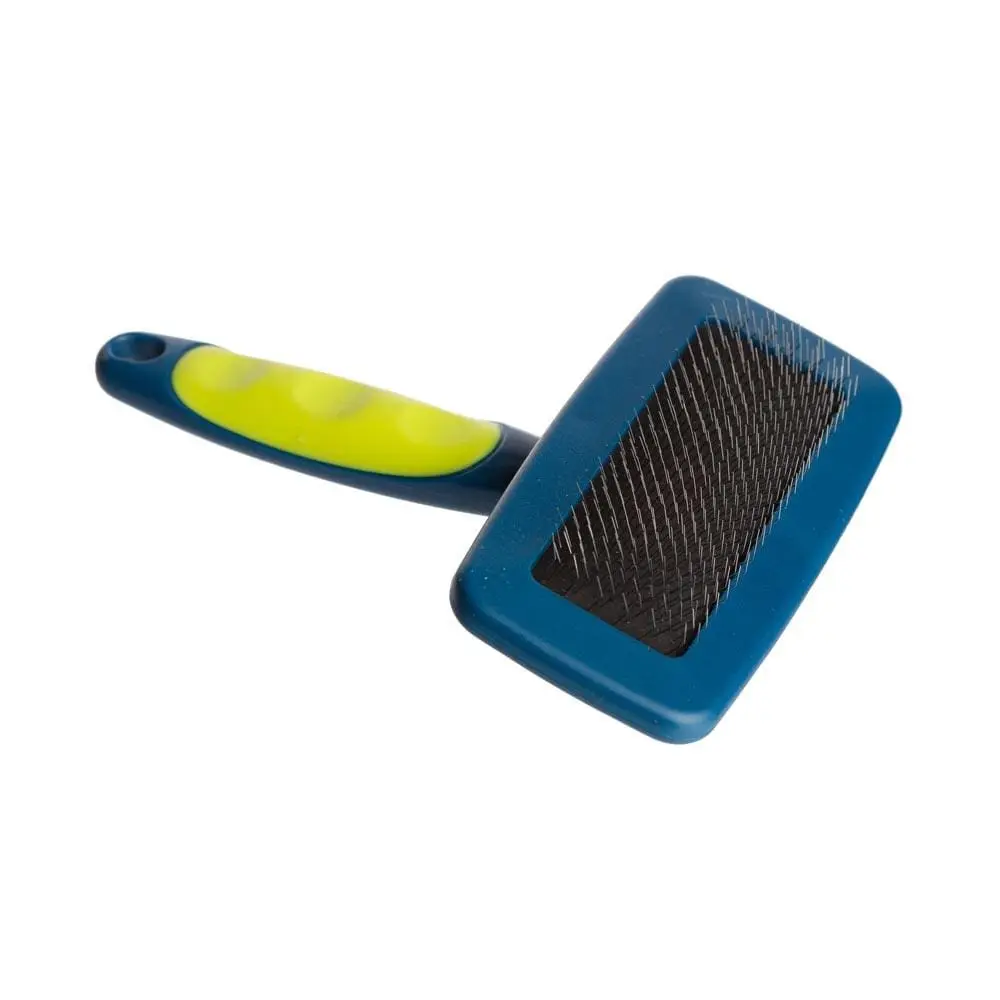
Slicker Brush for Dogs — Detangling & De-shedding
An ergonomic slicker brush with anti-scratch pins that works through tangles and removes dead hair from top and undercoat.
From£9.99
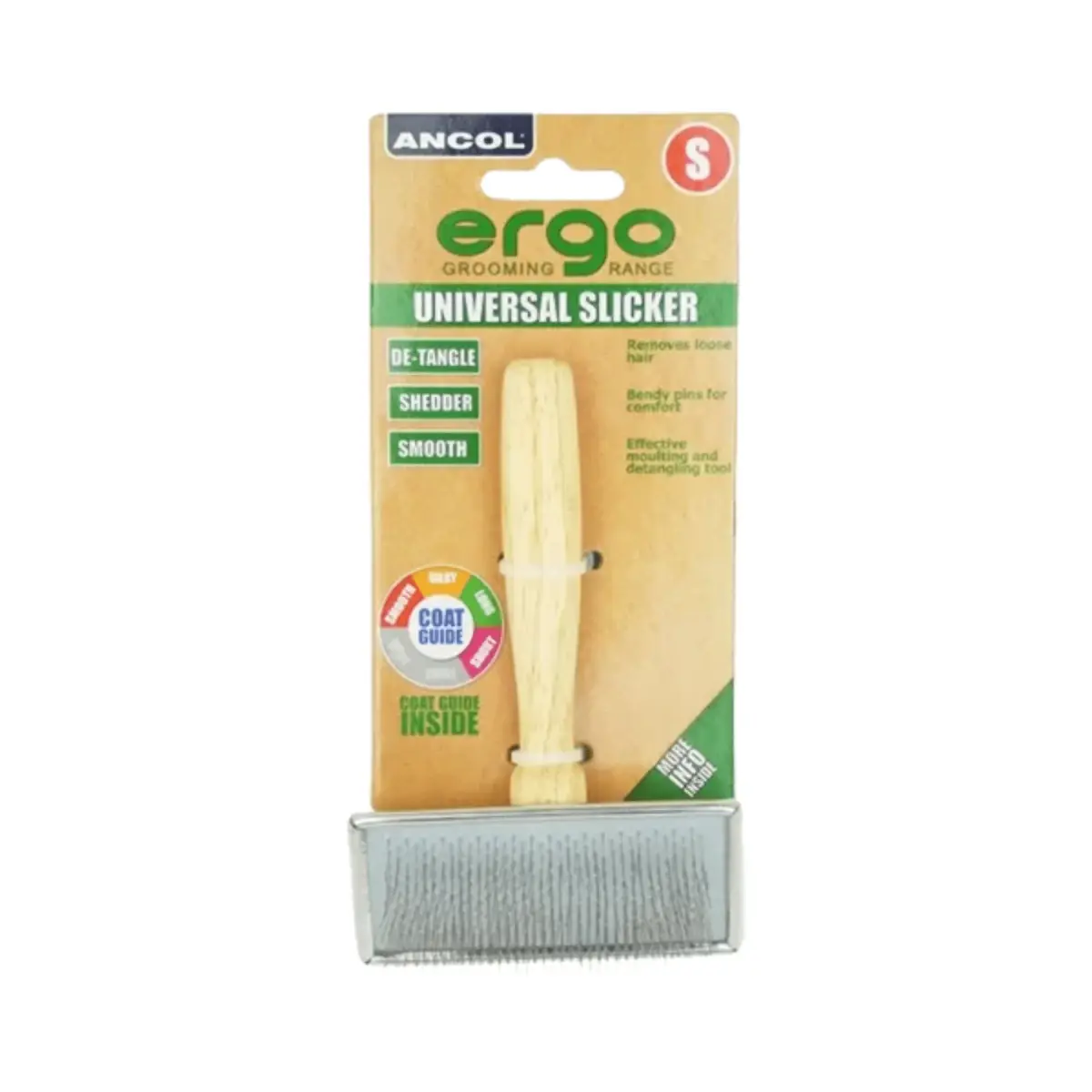
Ancol Ergo Wooden Handle Slicker Brush
A stainless steel slicker brush on a wooden handle, for short, long, wiry and curly coats
From£6.99
Common questions
- Do Curly Coated Retrievers shed a lot?
- They shed less noticeably than many retriever breeds thanks to their tight, close-lying curls, but they are not a low-shedding breed in absolute terms. Regular brushing keeps loose hair and matting under control, particularly through their twice-yearly coat change.
- Is any dog breed truly hypoallergenic?
- No. Allergy-triggering proteins come mainly from skin dander, saliva and urine, which every dog produces regardless of coat type. Some breeds shed less visible hair and carry less dander into the environment as a result, but none can be guaranteed allergen-free.
- What can I do to reduce allergens from my dog at home?
- Regular grooming with a suitable brush, wiping the coat down after walks, washing bedding often, and vacuuming with a pet-specific filter all help reduce the amount of dander and loose hair circulating in the home, whatever breed you own.
- Should I meet a Curly Coated Retriever before deciding if I'm allergic?
- Yes, spending time with the breed beforehand, ideally more than once, is the most reliable way to judge your own reaction, since sensitivity to dog allergens varies a great deal from person to person and cannot be predicted from the breed alone.
Related
Sources
Written against guidance published by UK veterinary and welfare organisations. Always confirm specifics with your own vet.
Written by Matt Garnett, who runs Giddy Pets and is a lifelong pet owner — not a vet. This is general information, not veterinary advice, and it cannot replace an examination by the vet who knows your animal. How we write these guides.