
Pharaoh Hound
An elegant Maltese hunting hound that works by sight and scent and is known to blush when excited. Affectionate and playful, but independent with a strong chase instinct.
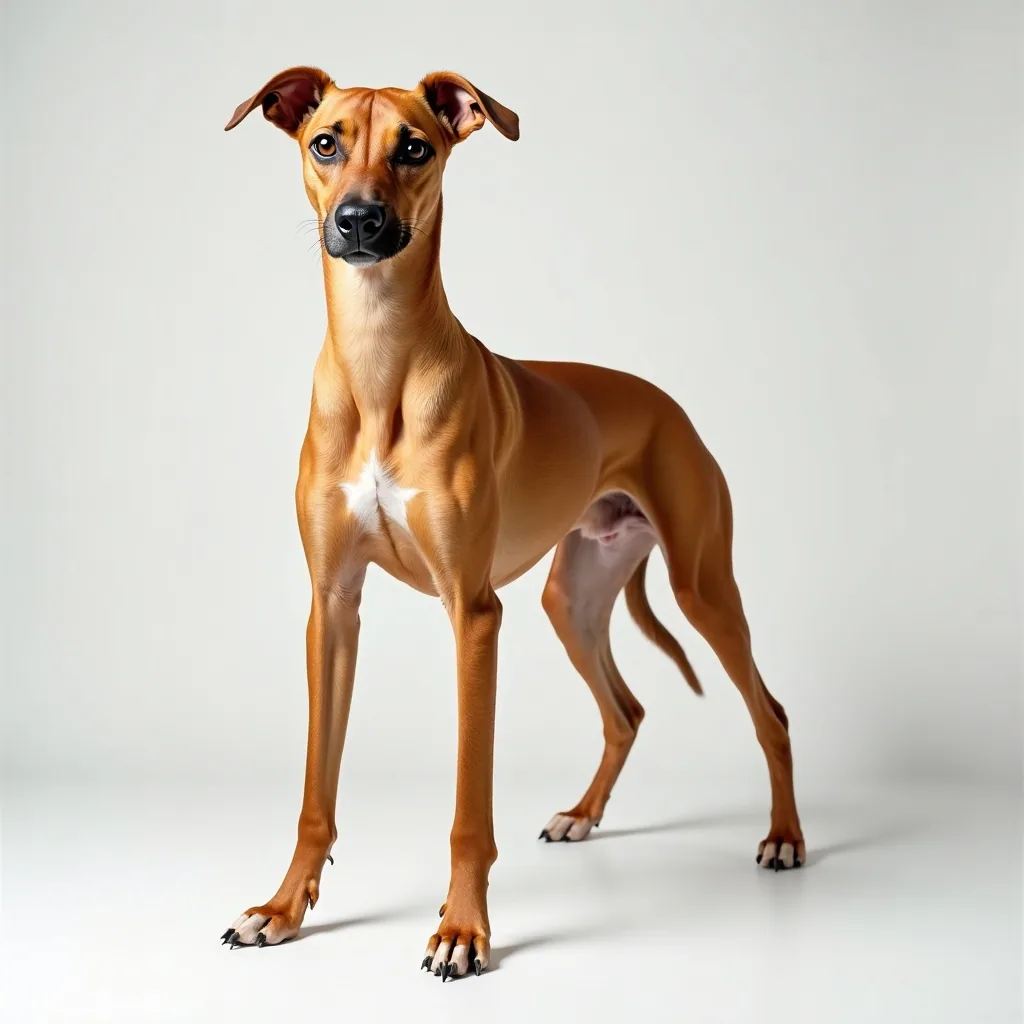
Pharaoh Hound scorecard
Overview
The Pharaoh Hound is an elegant, athletic hunting hound from the Mediterranean island of Malta, where it is known as the Kelb tal-Fenek ("rabbit dog") and used to hunt rabbit by a combination of sight, scent and hearing. Standing around 53–63 cm and weighing roughly 18–25 kg, it is a sleek, fine-coated dog with a noble, deer-like outline, large upright ears and a warm tan coat. It is famous for a charming quirk: when excited or pleased, its nose and ears flush a deep rosy colour, so the breed is sometimes said to "blush."
Affectionate, playful and clean, the Pharaoh Hound makes an adaptable companion that is comfortable indoors and devoted to its family. It is also independent, with the strong chase instinct of a hunting hound, a sensitivity to cold owing to its thin coat, and a need for secure space because it will pursue running animals. Active owners who enjoy an athletic, intelligent and slightly aloof dog tend to find it a delightful and characterful companion.
Good to know — a Pharaoh Hound needs plenty of space and manageable for committed beginners. Every dog is an individual, so meet a few and chat to a good breeder or rescue before deciding.
Popular searches for the Pharaoh Hound
History & origins
The Pharaoh Hound has been the national dog of Malta for centuries, developed there as the Kelb tal-Fenek to hunt rabbit over the island's rocky terrain, working closely with its handler. Although early breeders linked its elegant appearance to the hunting dogs depicted in ancient Egyptian art, modern genetic studies indicate the breed is not directly descended from those ancient dogs; rather it is a relatively recent reconstruction of a Maltese type, and the romantic name reflects its look rather than a proven ancient lineage.
The breed was brought to Britain in the twentieth century, where it gained a following, and it is recognised by The Kennel Club in the Hound group as well as by the Fédération Cynologique Internationale. It remains an uncommon breed in the UK.
Temperament & family fit
Pharaoh Hounds are typically affectionate, playful and good-natured with their families, combining the gentleness of a sighthound with a lively, fun-loving streak. They often bond closely with their people and enjoy comfort and company, frequently seeking out warm, soft places to rest. They are generally good with children and can live happily with other dogs.
Like other hunting hounds they are independent and can be reserved with strangers, and their strong prey drive means small, fast-moving animals can trigger an instinctive chase. They are sensitive dogs that respond poorly to harsh treatment, and their alert, expressive nature, including the famous blush, makes them engaging and communicative companions.
- Families with children of all ages
- Owners ready for consistent training
- Active homes with plenty of space
Training & intelligence
Intelligent but independent, the Pharaoh Hound learns well with gentle, positive, reward-based training but will switch off if handling is harsh or repetitive. Keeping sessions short, varied and rewarding suits its sensitive temperament. Early socialisation helps build confidence and ease its natural reserve with strangers.
The greatest training challenge is recall, because the breed's powerful chase instinct can override its attention to its owner; for this reason off-lead exercise should be confined to secure areas, and a reliable lead and long-line foundation is wise. Channelling the dog's athleticism into activities such as lure coursing or recall games gives it a constructive outlet.
- Start socialisation & handling early
- Reward-based methods only — no harsh corrections
- Channel energy into training games & enrichment
Exercise needs
A healthy adult Pharaoh Hound typically needs 90 minutes to 2 hours a day (roughly 90–120 minutes), split across walks, play and a little training. Higher-energy dogs also need their brains tired — sniffy walks, training games and puzzle feeding go a long way. Puppies, seniors and dogs with health conditions need adjusted amounts — check with your vet.
Grooming & coat
Grooming could hardly be simpler: the short, fine, glossy coat needs only occasional brushing and the breed is clean with little doggy odour and modest shedding. An occasional wipe-down or bath keeps it gleaming. The main practical points are routine care of nails, teeth and the large ears, and protecting the thin-skinned dog from the cold rather than any demanding coat work.
- Brush occasionally to remove loose hair
- Bathe every few weeks or as needed
- Check ears, nails and teeth weekly
Feeding considerations
Feed a complete, good-quality diet appropriate to the dog's age and active lifestyle, measuring portions to maintain the breed's naturally lean, athletic body condition, in which a slight outline of ribs is normal and desirable rather than a sign of being underweight. Avoid overfeeding, which is unhealthy for a sighthound's frame, and provide fresh water at all times. As with any deep-chested breed, sensible feeding routines are wise; consult your vet for tailored advice.
Pharaoh Hound health & costs
Before bringing a Pharaoh Hound home it pays to budget for the whole picture — food, insurance, grooming and routine vet care all add up. The figures below are typical UK estimates for a healthy adult; your real costs vary with where you live, your dog's health and the cover you choose.
Food
£400–600 / year
Complete food sized to weight & life stage
Insurance
£25–45 / month
Lifetime cover — varies by age, breed & area
Grooming
£0–60 / year
Mostly DIY at home
Routine vet care
£200–450 / year
Vaccines, flea/worm, annual check
Pharaoh Hounds are generally a healthy, robust breed with relatively few inherited problems, and they often live around 12–14 years. As with many sighthounds, owners and vets should be aware of the breed's lean body type and its known sensitivity to certain anaesthetic agents and medicines, so a vet familiar with sighthounds is valuable. The thin coat and low body fat also make the breed sensitive to cold.
While no breed is free of risk, the Pharaoh Hound is not associated with a long list of common serious hereditary diseases. General concerns include occasional joint issues, dental care and the everyday risks that affect active dogs. Sourcing from a responsible breeder and providing routine preventive veterinary care, weather protection and weight management support a long, healthy life.
Common health conditions to be aware of
- Anaesthetic sensitivity — like other sighthounds, the lean, low-fat body type means anaesthesia should be managed by a vet familiar with the type.
- Sensitivity to cold — the thin coat and low body fat make the breed feel the cold and benefit from a coat in winter.
- Patellar luxation — slipping kneecaps can occur and range from mild to needing surgical correction.
- Hip dysplasia — joint malformation is uncommon but possible; screening is sensible where breeding.
- Dental disease — as with many breeds, plaque and gum disease are common without regular dental care.
- Skin grazes and lacerations — the fine coat and active nature mean cuts and grazes can happen during vigorous exercise.
These reflect typical, size- and coat-related risks for dogs like the Pharaoh Hound; individual breeds carry their own predispositions. Always buy from health-tested parents and speak to your vet — this isn't a diagnosis.
Protect against surprise bills
A single emergency can run into thousands. Lifetime insurance spreads the risk.
Estimate insurance →How pet insurance works →Puppy & senior care
Bringing home a Pharaoh Hound puppy
Puppies need controlled exercise (a rough guide is five minutes per month of age, twice a day) to protect growing joints, little-and-often meals of a complete puppy food, early socialisation, and a calm routine for toilet training and sleep. Book first vaccinations, microchipping and a vet check early.
New puppy checklist →Caring for a senior Pharaoh Hound
As they age, watch weight, joints and teeth, switch to a senior diet if your vet advises, keep exercise gentle but regular, and consider orthopaedic bedding and ramps. Twice-yearly vet checks help catch issues early.
Orthopaedic beds & mobility →Pros & cons
The good bits
- Affectionate, clean and easy to groom
- Athletic, playful and adaptable indoors
Things to consider
- Strong prey drive and selective recall
- Sensitive to cold and needs secure space
Compare the Pharaoh Hound
See how the Pharaoh Hound measures up against similar breeds before you decide:
More breeds like the Pharaoh Hound
Same breed group
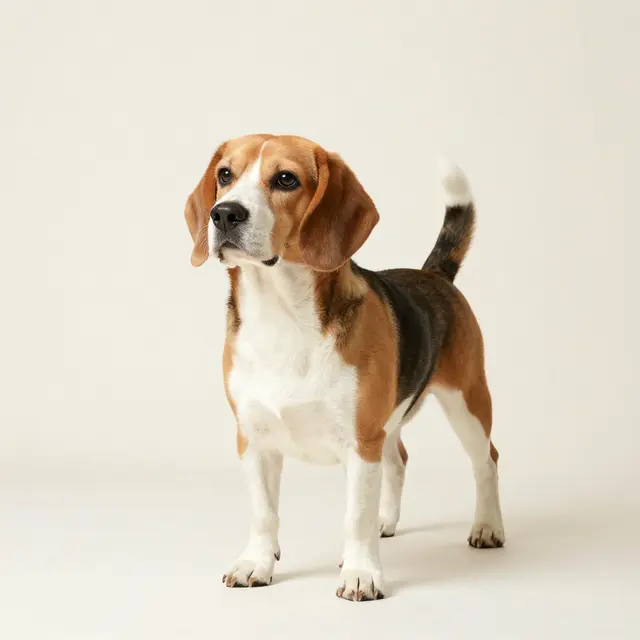
Beagle
A merry, pack-loving scent hound — sociable and great with kids, but ruled by its nose.
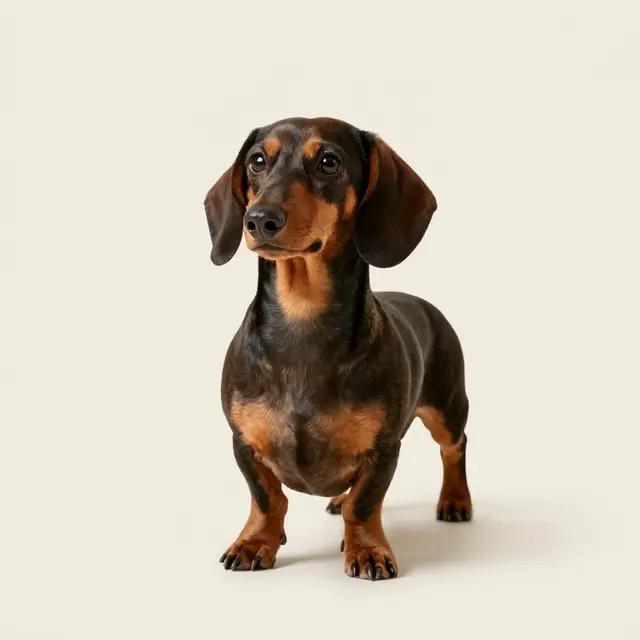
Dachshund
A bold, characterful "sausage dog" that suits smaller homes but needs careful handling of its long back.
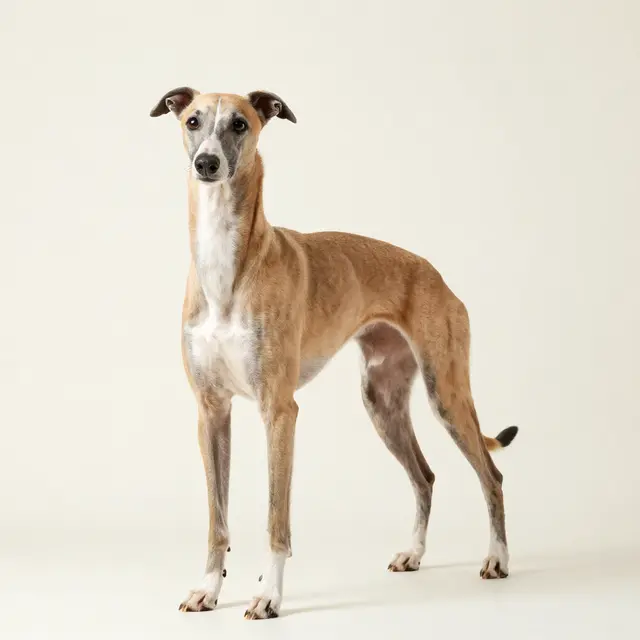
Whippet
A gentle, quiet "sofa sprinter" — happy to lounge at home between short bursts of explosive running.
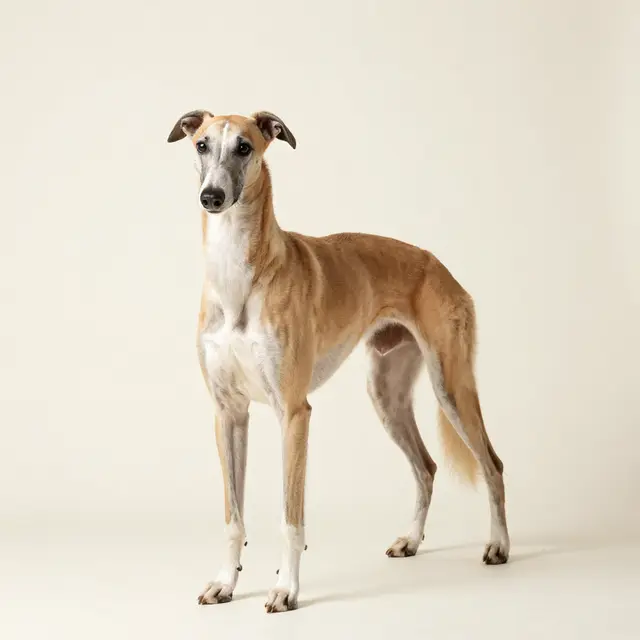
Greyhound
The ultimate couch potato — despite their racing reputation, retired greyhounds need surprisingly little exercise.
Similar temperament
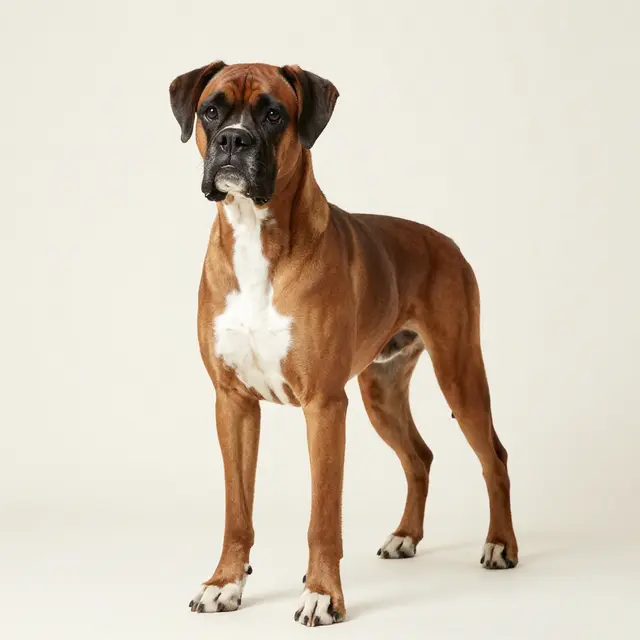
Boxer
A bouncy, playful and devoted family dog that stays puppy-like for years — and needs the exercise to match.
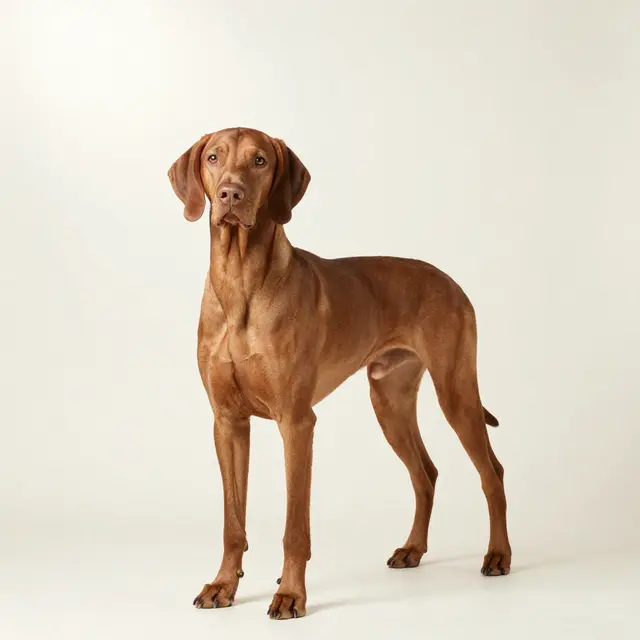
Hungarian Vizsla
An affectionate, high-octane gundog known as the "velcro dog" for its need to be by your side at all times.
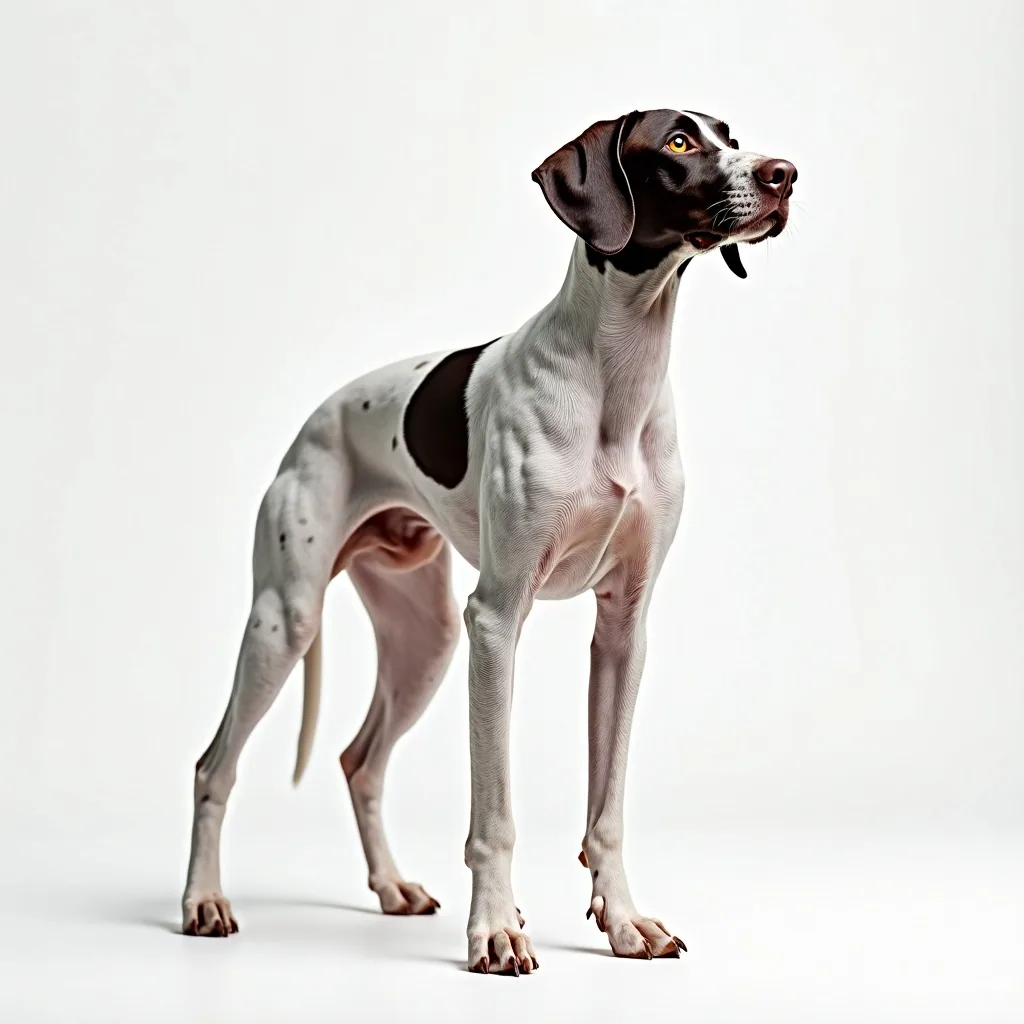
Ariège Pointer
A French pointing gundog (Braque de l'Ariège) bred to work in hot southern terrain. Gentle and affectionate at home, but needs space and plenty of exercise.
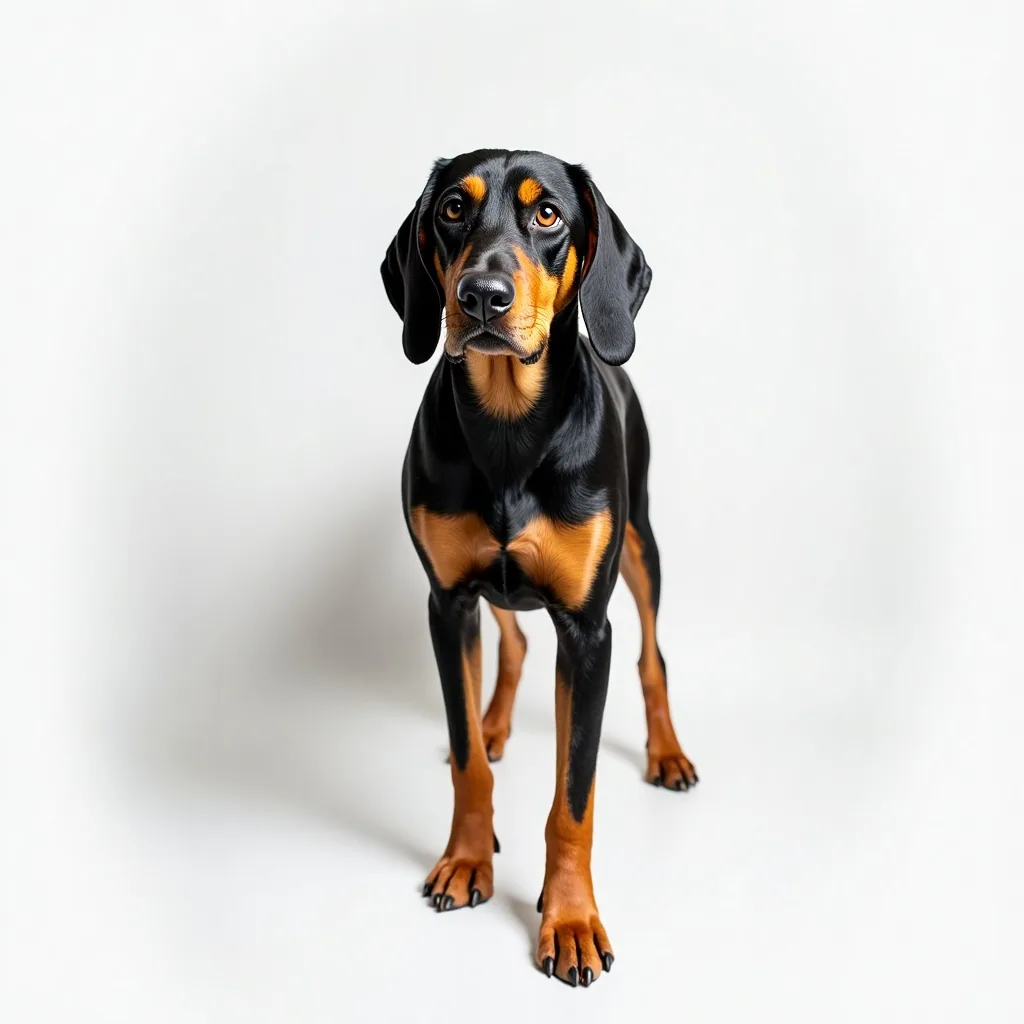
Black and Tan Coonhound
An American scenthound bred to trail raccoon by night. Easygoing, gentle and sociable at home, but a powerful tracker with a deep, carrying bay and a strong nose that demands secure exercise.
Similar size, different type
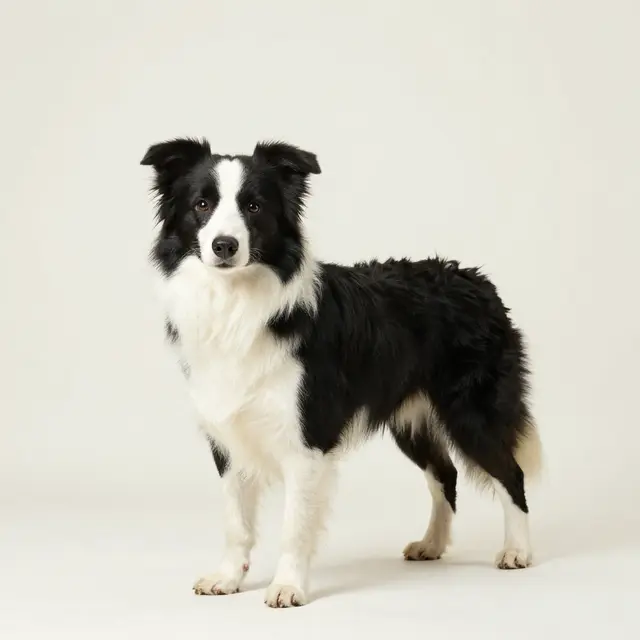
Border Collie
The ultimate working brain — astonishingly clever and trainable, but needs hours of exercise and a job to do.
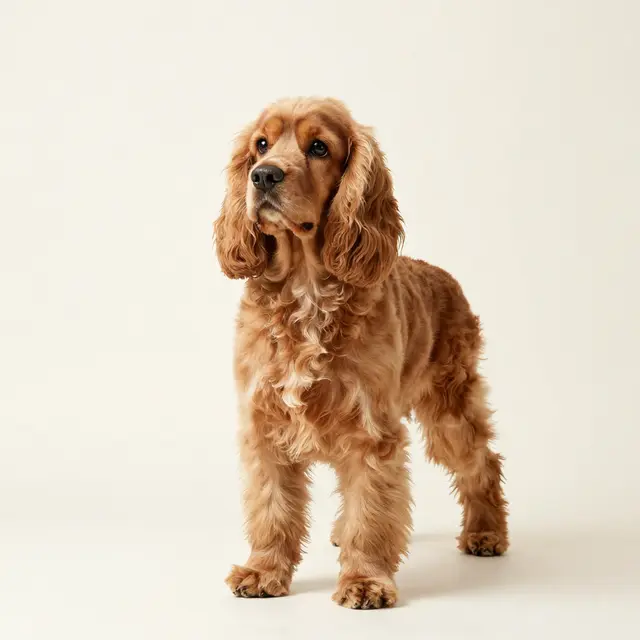
Cocker Spaniel
A merry, affectionate gundog that loves people and activity — happiest with a job and regular grooming.
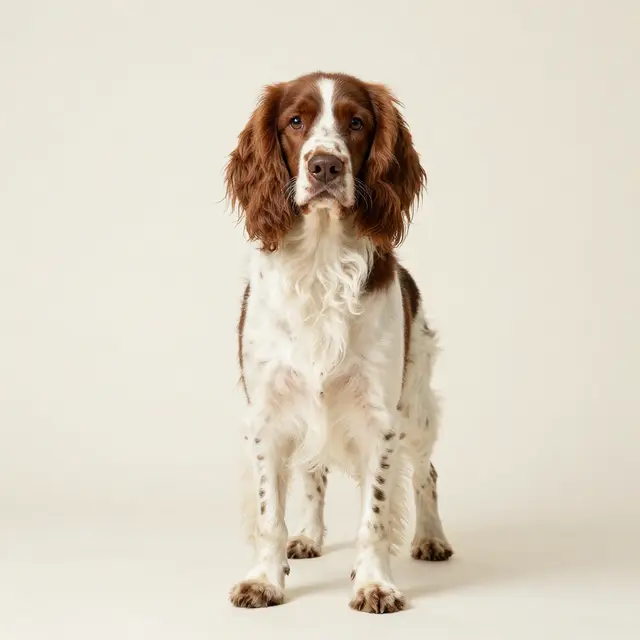
English Springer Spaniel
A tireless, enthusiastic working gundog that needs serious daily exercise and mental stimulation.
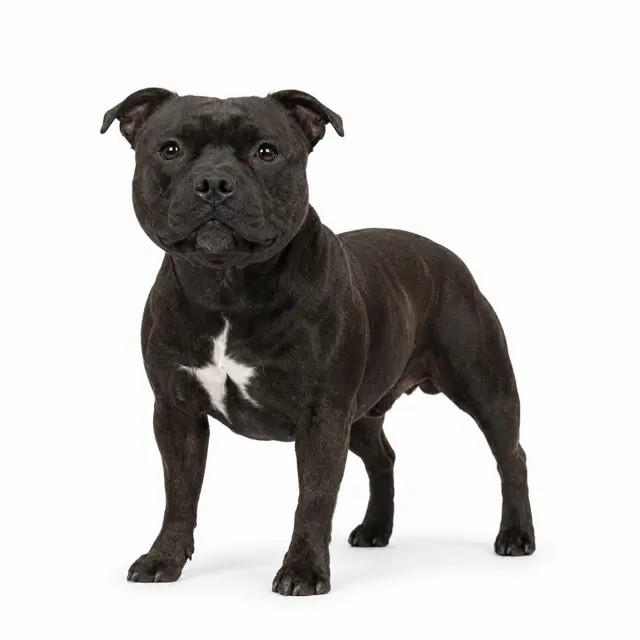
Staffordshire Bull Terrier
Affectionately known as the "nanny dog" — devoted, people-loving and famously gentle with children.
Is the Pharaoh Hound your breed?
Create your pet profile and get personalised food, toy, insurance and health recommendations — tailored to your dog.
Frequently asked questions
Why do Pharaoh Hounds blush?
The Pharaoh Hound is famous for "blushing": when it is excited, happy or pleased, its nose and the inside of its ears flush a deep rosy colour. It is a natural, endearing quirk of the breed rather than a sign of any problem, and it adds to the dog's expressive, communicative character.
How big does a Pharaoh Hound get?
Pharaoh Hounds are medium-sized, athletic sighthounds. They typically stand around 53–63 cm at the shoulder and weigh roughly 18–25 kg. The build is sleek and fine-coated with a noble, deer-like outline, large upright ears and a naturally lean body in which a slight rib outline is normal and desirable.
What is the temperament of a Pharaoh Hound?
Pharaoh Hounds are generally affectionate, playful and good-natured with their families, combining a sighthound's gentleness with a lively, fun-loving streak. They bond closely with their people and enjoy comfort and warmth. Like most hunting hounds they are independent, can be reserved with strangers, and are sensitive dogs that respond poorly to harsh handling.
Are Pharaoh Hounds good with children and other dogs?
Yes, Pharaoh Hounds are generally good with children and can live happily with other dogs, making them an adaptable family companion. Their strong prey drive does mean that small, fast-moving pets can trigger an instinctive chase, so care and supervision are sensible around smaller animals and in unfenced areas.
How much exercise does a Pharaoh Hound need?
A Pharaoh Hound is an athletic, energetic breed that needs good daily exercise, generally around an hour or more for an adult, including the chance to run safely in an enclosed space. It enjoys sprinting and activities such as lure coursing. Off-lead running should be limited to secure areas because of its powerful chase instinct.
Do Pharaoh Hounds shed a lot or need much grooming?
Grooming is very easy. The short, fine, glossy coat needs only occasional brushing, sheds modestly and stays clean with little doggy odour. An occasional wipe-down or bath keeps it gleaming. Routine nail, teeth and ear care is the main work, along with protecting this thin-coated dog from the cold.
Are Pharaoh Hounds healthy, and how long do they live?
Pharaoh Hounds are generally a healthy, robust breed with relatively few inherited problems, and they often live around 12–14 years. As with many sighthounds, they can be sensitive to certain anaesthetics and medicines, so a vet familiar with sighthounds is valuable. Their thin coat and low body fat also make them sensitive to cold.
Do Pharaoh Hounds feel the cold?
Yes. Because of its thin, fine coat and naturally low body fat, the Pharaoh Hound feels the cold and is not well suited to harsh weather without help. In the British winter a coat for walks is sensible, and care should be taken in cold or wet conditions to keep this thin-skinned dog warm and comfortable.
Are Pharaoh Hounds good with children?
Good with children. As a general guide, Pharaoh Hounds tend to be patient and tolerant. Whatever the breed, always supervise dogs and young children and teach kids to interact gently.
How much exercise does a Pharaoh Hound need?
As a healthy adult, a typical Pharaoh Hound needs 90 minutes to 2 hours of exercise a day (90–120 minutes), split across walks plus play. Higher-energy dogs also need mental stimulation — sniffing, training games and puzzle feeders — to stay settled. Puppies, seniors and dogs with health conditions need less — ask your vet.
Do Pharaoh Hounds shed a lot?
Low shedding. Coat upkeep is wash-and-go — a quick brush now and then is usually enough.
Are Pharaoh Hounds easy to train and good for first-time owners?
Manageable for committed beginners. Pharaoh Hounds are best for owners ready to commit to consistent training and plenty of activity. Reward-based training and early socialisation help any dog.
Do Pharaoh Hounds bark a lot?
Moderate barker. They are usually fairly easy-going about barking, though any dog will bark if bored or under-exercised.
Are Pharaoh Hounds good with other dogs?
Generally fine with other dogs. Early, positive socialisation with other dogs from a young age makes a big difference.
Do Pharaoh Hounds suit flats or smaller homes?
Needs plenty of space. A Pharaoh Hound really needs plenty of space and a lot of daily activity — not ideal for a small flat.
Sources
- The Kennel Club — Pharaoh Hound breed information: https://www.thekennelclub.org.uk/breed-standards/hound/pharaoh-hound/
- Fédération Cynologique Internationale — Pharaoh Hound breed standard (FCI No. 248): https://www.fci.be/en/nomenclature/PHARAOH-HOUND-248.html
- PDSA — Dog dental care and health: https://www.pdsa.org.uk/pet-help-and-advice/pet-health-hub
- Blue Cross — Sighthound care and keeping dogs warm: https://www.bluecross.org.uk/advice/dog
Recommended for your Pharaoh Hound
Matched to a Pharaoh Hound's size and their typical need for enrichment & mental stimulation, a warm coat.
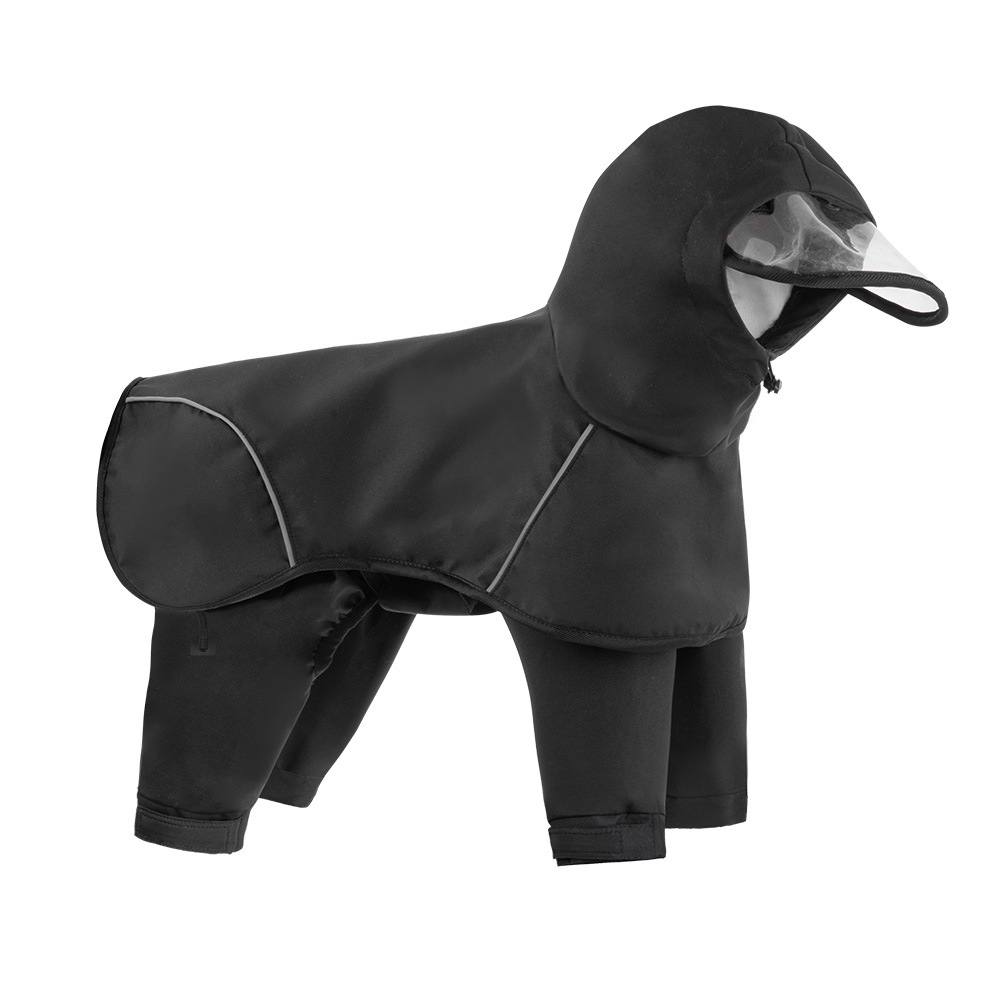
Full-Body Hooded Dog Raincoat with Reflective Trim
A full-coverage hooded raincoat that keeps small and medium dogs dry from head to legs. The clear brim shields the eyes, reflective piping adds visibility on dark walks, and the leg cuffs help block wind and rain.
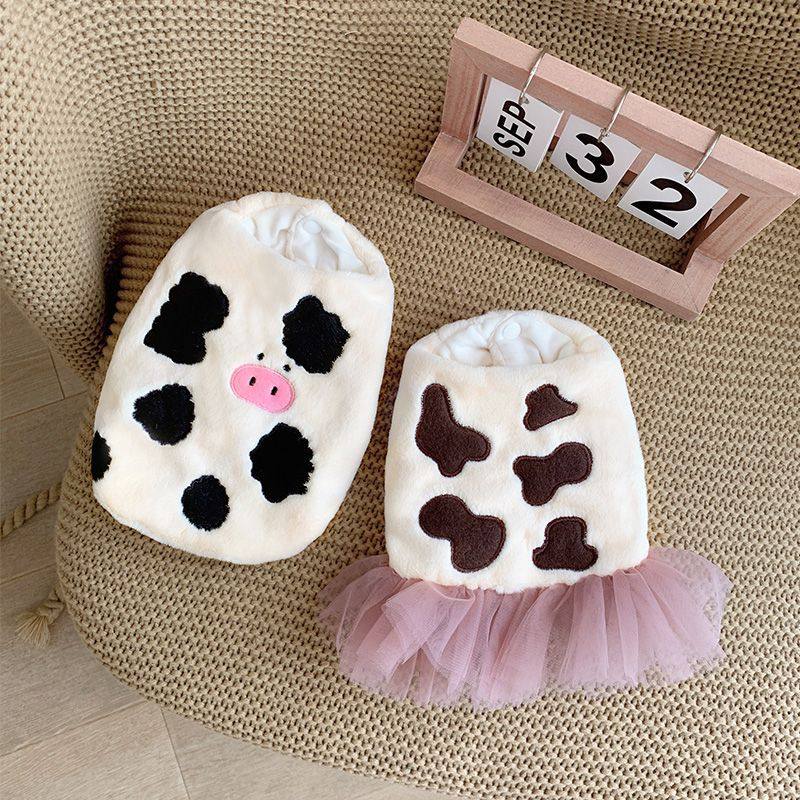
Cow Print Fleece Dog Jumper
A soft, cosy fleece jumper in a cute cow print to keep small dogs warm on chilly days. Available in a plain vest style and a sweeter version finished with a pink tulle skirt.

Dog Life Jacket With Grab Handle
A buoyant dog life jacket with a sturdy grab handle for safer swims, boat trips and beach days.
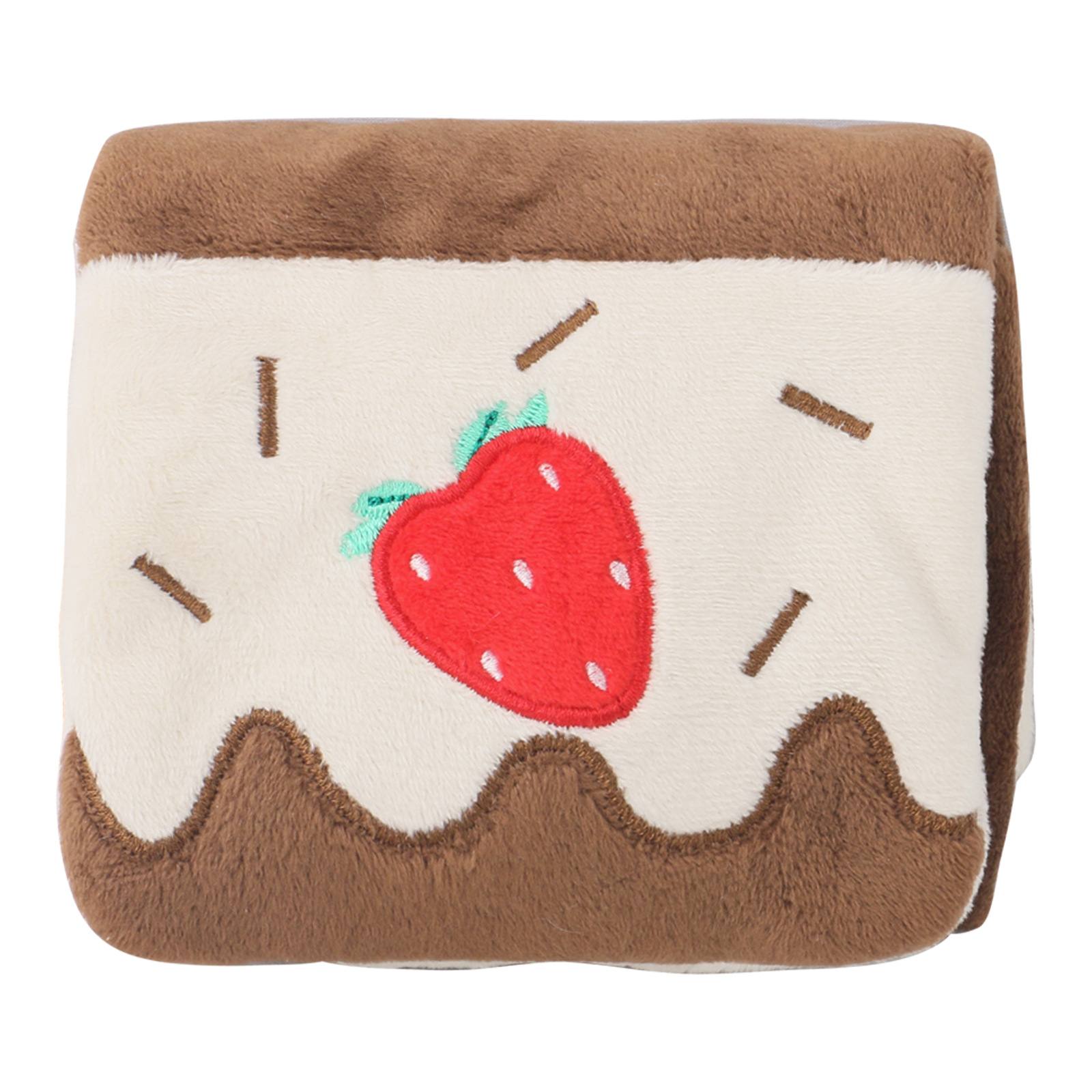
Plush Snuffle Foraging Mat
A roll-up plush snuffle mat with cute animal designs. Hide treats in the folds and let your pet sniff and forage to find them - a rewarding enrichment game that beats boredom and slows feeding.

Recordable Pet Communication Buttons with Mat
Recordable talking buttons on a non-slip mat that let your dog press to 'speak' phrases you record, such as 'love you' or 'go out and play'. Choose from several colours to build a custom communication board and boost enrichment.

Waterproof Anti-Slip Dog Boots with Reflective Trim
Waterproof dog boots with anti-slip soles and a reflective band to protect paws and aid visibility.

Sherpa-Lined Winter Dog Snow Boots
Fleece-lined winter snow boots with a sweet owl face, anti-slip soles and an adjustable strap.
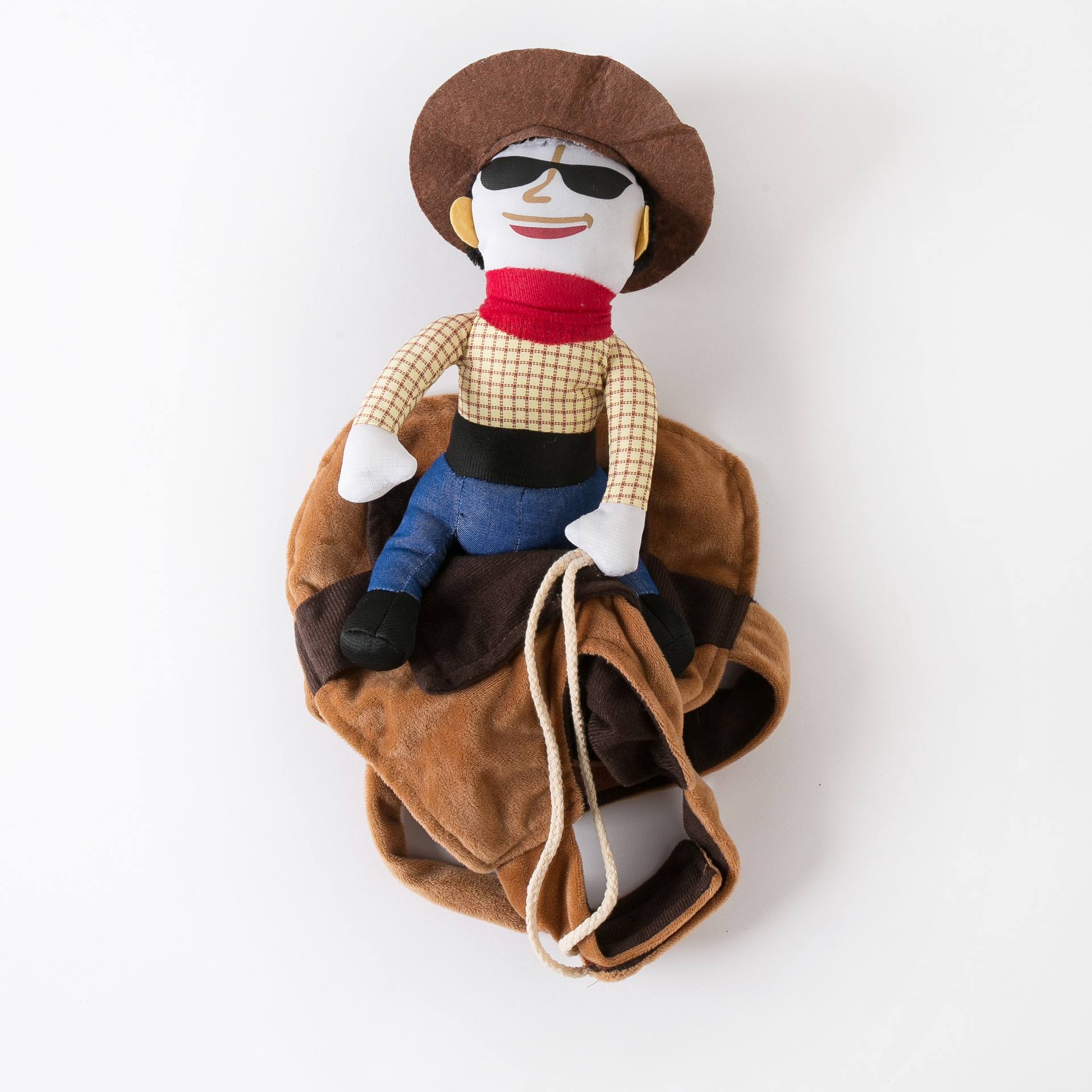
Cowboy Rider Novelty Dog Costume
A hilarious dress-up costume that straps over your dog's back so it looks like a tiny cowboy is riding along. The plush rider figure turns walkies, parties and photos into an instant comedy moment.
Suggestions based on breed traits — always check sizing and suitability for your individual dog.
Got a Pharaoh Hound? Save them to a pet profile for tailored picks across the whole site.
Happier, healthier pets — in your inbox.
Breed care tips, seasonal advice and first access to new arrivals. No spam, unsubscribe anytime.
Every dog is an individual — temperament and needs vary. Please research thoroughly, meet dogs in person, and consider adopting from a rescue. This is general guidance, not a substitute for advice from your vet or a qualified trainer.