
Blue Picardy Spaniel
A gentle French pointing and retrieving spaniel with a distinctive blue-grey speckled coat. Calm, affectionate and biddable, making an easy companion and gundog that needs good exercise and regular coat care.
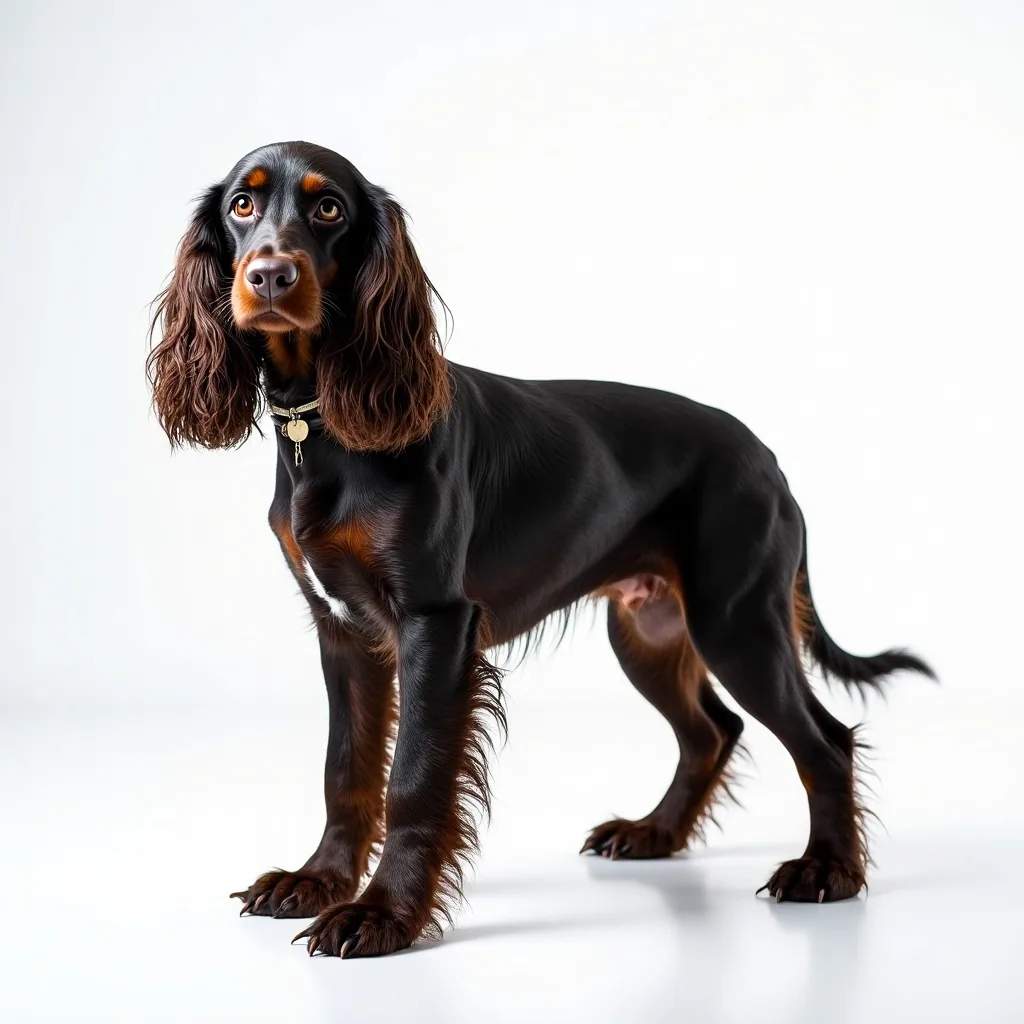
Blue Picardy Spaniel scorecard
Overview
The Blue Picardy Spaniel is a medium-sized French pointing and retrieving gundog, instantly recognisable by its mottled blue-grey and black speckled coat. Standing around 55–61 cm at the shoulder and weighing roughly 20–30 kg, it is built for a full day's work in the field, with a level topline, feathered legs and tail, and the soft, expressive eyes typical of the working spaniels. Bred for stamina rather than speed, it combines an easy, biddable nature in the home with genuine drive and scenting ability outdoors.
It remains a rare breed in the United Kingdom and is not separately recognised by the Kennel Club, so most are kept by gundog enthusiasts and active families rather than the show ring. Owners value its gentle temperament and quiet manner indoors, but this is fundamentally a working dog that needs a job to do and plenty of exercise to stay content. Its typical lifespan is around 12–14 years.
Good to know — a Blue Picardy Spaniel needs plenty of space and good for first-time owners. Every dog is an individual, so meet a few and chat to a good breeder or rescue before deciding.
Save the Blue Picardy Spaniel guide
Thinking about a Blue Picardy Spaniel? Pop your email in and we’ll send this guide so you can come back to it any time — handy while you compare breeds.
Popular searches for the Blue Picardy Spaniel
History & origins
The breed developed in the Picardy region of northern France, near the Somme, where local spaniels were used for hunting in the marshes and woodlands. Its blue-grey colouring is generally attributed to crosses introduced in the late nineteenth and early twentieth centuries with English setters and Gordon-type setters, which were brought across the Channel by visiting British wildfowlers and added the distinctive speckled coat.
The Blue Picardy Spaniel was recognised as a distinct breed by the Société Centrale Canine in France in 1938, separating it from the closely related Picardy Spaniel. It is recognised internationally by the Fédération Cynologique Internationale (FCI). Outside France it remains uncommon, with small numbers in Canada, where it has a following among grouse and woodcock hunters, and only a scattering in Britain.
Temperament & family fit
Blue Picardy Spaniels are known for being gentle, affectionate and even-tempered. They form strong bonds with their families, tend to be patient and tolerant with children, and generally get on well with other dogs, reflecting their background as cooperative working gundogs. Indoors they are usually calm and quiet, and they are not natural barkers, which suits homes where excessive noise would be a problem.
This is a sensitive, people-oriented breed that does not respond well to harsh handling and prefers to be involved in family life rather than left alone for long periods. Their biddable, eager-to-please character makes them rewarding companions, but it also means they can become bored or unsettled without enough mental and physical engagement.
- Families with children of all ages
- Committed first-time owners
- Active homes with plenty of space
Training & intelligence
As a biddable spaniel bred to work closely with a handler, the Blue Picardy is generally straightforward to train and responds best to patient, reward-based methods. Early socialisation and basic obedience lay good foundations, and the breed's natural retrieving and pointing instincts can be channelled into gundog work, scent games or other structured activities.
Because they are sensitive, consistency and a calm, encouraging tone work far better than corrections. Recall should be practised carefully from a young age, as a working spaniel's nose can easily lead it astray on interesting scents.
- Start socialisation & handling early
- Reward-based methods only — no harsh corrections
- Channel energy into training games & enrichment
Exercise needs
A healthy adult Blue Picardy Spaniel typically needs 90 minutes to 2 hours a day (roughly 90–120 minutes), split across walks, play and a little training. Higher-energy dogs also need their brains tired — sniffy walks, training games and puzzle feeding go a long way. Puppies, seniors and dogs with health conditions need adjusted amounts — check with your vet.
Grooming & coat
The medium-length, slightly wavy coat with feathering on the ears, legs, chest and tail needs regular brushing, around two or three times a week, to prevent tangles and remove debris picked up in the field. The ears should be checked and cleaned routinely, as the long, pendulous flaps can trap moisture and are prone to infection, and feathering may need occasional tidying.
- Brush several times a week
- Bathe every few weeks or as needed
- Check ears, nails and teeth weekly
Feeding a Blue Picardy Spaniel
Feed a complete, good-quality diet appropriate to the dog's age, size and activity level, divided into measured meals rather than free-feeding. A hard-working gundog may need more calories during the season, while a less active pet should be fed more modestly to avoid weight gain. As with any deep-chested, active breed, dividing food into two meals and avoiding vigorous exercise immediately around feeding is sensible.
A medium breed
An adult Blue Picardy Spaniel typically weighs 20–30 kg, so a healthy Blue Picardy Spaniel eats a moderate amount compared with other breeds. Every feeding guide on a bag is written per kilo of body weight, not per breed — start there, then adjust to the dog in front of you.
Life stage
A medium breed is usually done growing at ~12 months, which is roughly when a puppy food has finished its job. With a typical lifespan of 12–14 years, there is a long adult stretch in the middle; switch to a senior food when your vet thinks it is worth it rather than on a birthday.
A high-energy dog eats like one
Blue Picardy Spaniels sit at the top end for energy, and a dog working through an hour and a half of real exercise a day burns through the feeding guide faster than a dog on a short stroll. Feed to the dog's condition, not to the middle of the range on the bag.
How much should a Blue Picardy Spaniel weigh?
Adult 20–30 kgfully grown at ~12 months
| Age | Stage | Typical weight | Of adult size |
|---|---|---|---|
| 8 weeks | Just home | 3.1–4.6 kg | 15% |
| 3 months | Young puppy | 5–7.5 kg | 25% |
| 6 months | Growing fast | 10–15 kg | 50% |
| ~12 months | Fully grown | 20–30 kg | 100% |
A guide, from the same rule of thumb our puppy growth predictor uses — each age is that share of the way to maturity for a medium breed. Puppies grow fastest early, so a real puppy usually sits a little above the middle rows. Weigh yours and ask your vet if the number worries you.
Complete dog foods that suit a Blue Picardy Spaniel
Complete foods from our range, matched to a Blue Picardy Spaniel's size band and what the breed typically needs. Stock levels and delivery dates are live on each product.

Simpsons Dog Sensitive Lamb Potato
A grain-free lamb and potato dry food for dogs with sensitive skin or digestion
From£17.05

Forthglade Cold Pressed Natural Turkey
Cold-pressed turkey kibble for dogs from 2 months, soft enough to mix with water for young pups
£45.99

Forthglade Cold Pressed Grain Free Salmon
Cold-pressed grain-free dry food for dogs, built on fresh and dried salmon
From£16.99

Forthglade Cold Pressed Grain Free Duck
Cold-pressed grain-free duck food with fruit and botanicals, in two bag sizes
From£16.99

Forthglade Cold Pressed Grain Free Chicken
Cold-pressed grain-free chicken food with fruit and botanicals, in three bag sizes
From£16.99

Forthglade Complete Meal Lightly Baked Turkey
A lightly baked complete dry food, 50% turkey, for adult dogs of any breed
From£12.49

Forthglade Complete Meal Lightly Baked Chicken
A grain-free complete dry food for adult dogs, lightly baked and built on 50% chicken
From£12.49

Forthglade Cold Pressed Grain Free Turkey
Grain-free cold-pressed turkey kibble for dogs, gentle on sensitive stomachs
£69.69

Forthglade British Classics Chicken Family Lunch
Complete Forthglade wet dog food with 75% chicken in a 395G tray
£2.45

Harringtons Puppy Turkey & Rice
Complete turkey puppy food with 30% protein and feeding bands by adult weight
£6.49

Harringtons Just 6 Dry Dog Food Lamb
Grain-free lamb dry dog food in 2KG and 12KG sizes, with size-specific formulas
From£13.99

Burns Puppy Original Lamb & Rice
Complete Burns lamb and rice puppy food in a 2KG bag for up to 12 months
£14.99
Blue Picardy Spaniel health & costs
Before bringing a Blue Picardy Spaniel home it pays to budget for the whole picture — food, insurance, grooming and routine vet care all add up. The figures below are typical UK estimates for a healthy adult; your real costs vary with where you live, your dog's health and the cover you choose.
Food
£400–600 / year
Complete food sized to weight & life stage
Insurance
£25–45 / month
Lifetime cover — varies by age, breed & area
Grooming
£120–300 / year
Occasional pro + home brushing
Routine vet care
£200–450 / year
Vaccines, flea/worm, annual check
The Blue Picardy Spaniel is generally considered a hardy, healthy breed, but because it is numerically rare, there is limited large-scale, breed-specific health data and few formal UK health surveys. Owners should therefore treat general spaniel-type health guidance as the best available reference and choose breeders who health-test their stock.
As with other long-eared spaniels, the most common everyday concern is ear care: the heavy, hairy ear flaps reduce airflow and can predispose the dog to recurrent ear infections if not kept clean and dry. Responsible breeders should be open about any conditions seen in their lines, and prospective owners are encouraged to ask about hip and eye testing.
Common health conditions to be aware of
- Ear infections (otitis externa) — long, pendulous ears trap moisture and debris; routine cleaning and drying after swimming or wet work helps prevent recurrent problems.
- Hip dysplasia — a developmental joint condition seen across many medium and larger breeds; ask breeders about hip scoring of parent dogs.
- Eye conditions — spaniel-type breeds can be affected by inherited eye disorders, so eye-tested breeding stock is preferable, though breed-specific data is limited.
- Skin and coat irritations — feathered, active dogs working in undergrowth can pick up grass seeds and develop localised skin irritation that needs checking after exercise.
- Weight gain — a food-motivated, sometimes under-exercised companion can be prone to obesity, which strains joints and overall health.
These reflect typical, size- and coat-related risks for dogs like the Blue Picardy Spaniel; individual breeds carry their own predispositions. Always buy from health-tested parents and speak to your vet — this isn't a diagnosis.
Protect against surprise bills
A single emergency can run into thousands. Lifetime insurance spreads the risk.
Estimate insurance →How pet insurance works →Puppy & senior care
Bringing home a Blue Picardy Spaniel puppy
Puppies need controlled exercise (a rough guide is five minutes per month of age, twice a day) to protect growing joints, little-and-often meals of a complete puppy food, early socialisation, and a calm routine for toilet training and sleep. Book first vaccinations, microchipping and a vet check early.
New puppy checklist →Caring for a senior Blue Picardy Spaniel
As they age, watch weight, joints and teeth, switch to a senior diet if your vet advises, keep exercise gentle but regular, and consider orthopaedic bedding and ramps. Twice-yearly vet checks help catch issues early.
Orthopaedic beds & mobility →Pros & cons
The good bits
- Gentle, affectionate and biddable
- Quiet and good with families and dogs
Things to consider
- Feathered coat needs regular grooming
- Needs plenty of exercise as a working gundog
Compare the Blue Picardy Spaniel
See how the Blue Picardy Spaniel measures up against similar breeds before you decide:
More breeds like the Blue Picardy Spaniel
Same breed group
Labrador Retriever
The UK’s most popular family dog — friendly, biddable and brilliant with children, but needs proper exercise.

Golden Retriever
Gentle, eager-to-please and devoted — a classic family companion that thrives on company and exercise.
Cocker Spaniel
A merry, affectionate gundog that loves people and activity — happiest with a job and regular grooming.
English Springer Spaniel
A tireless, enthusiastic working gundog that needs serious daily exercise and mental stimulation.
Similar temperament

French Spaniel
A tall, elegant French pointing and retrieving spaniel. Gentle, sociable and eager to please, making a calm family gundog that still needs plenty of exercise.

Spanador
A medium Cocker Spaniel and Labrador cross (also called Cockador) that is typically friendly, gentle and family-oriented. Generally easy to train and sociable, with size and coat varying between the two parent breeds.

Barbet
A cheerful French water-retrieving gundog with a dense, curly low-shedding coat. Friendly, intelligent and eager to please, making a sociable family companion that loves water and needs regular grooming.
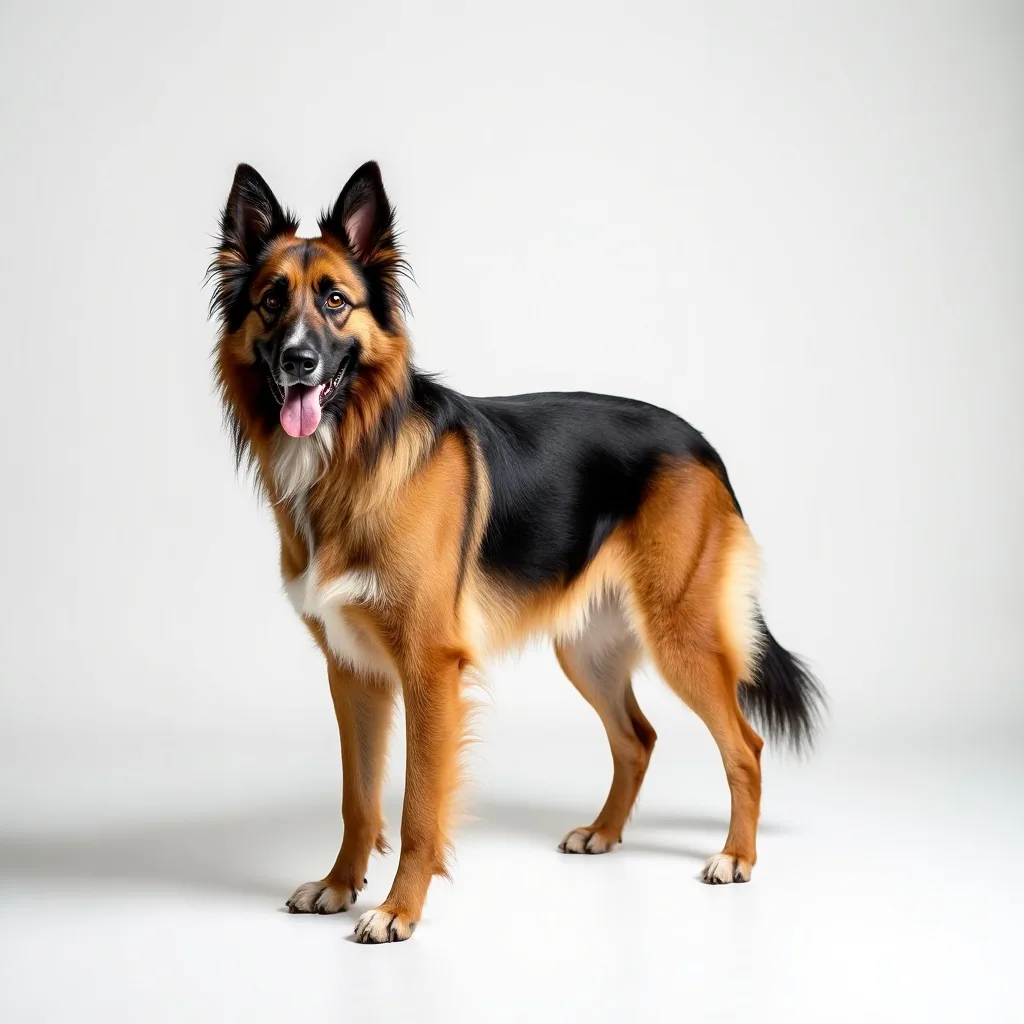
Bohemian Shepherd
A medium Czech herding and guarding breed resembling a smaller, black-and-tan shepherd. Friendly, intelligent and eager to please, making a versatile family and working dog that needs regular exercise and grooming.
Similar size, different type
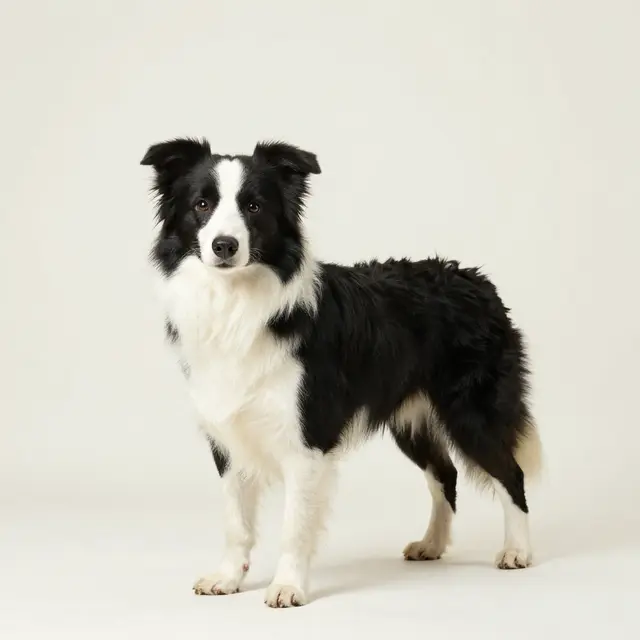
Border Collie
The ultimate working brain — astonishingly clever and trainable, but needs hours of exercise and a job to do.
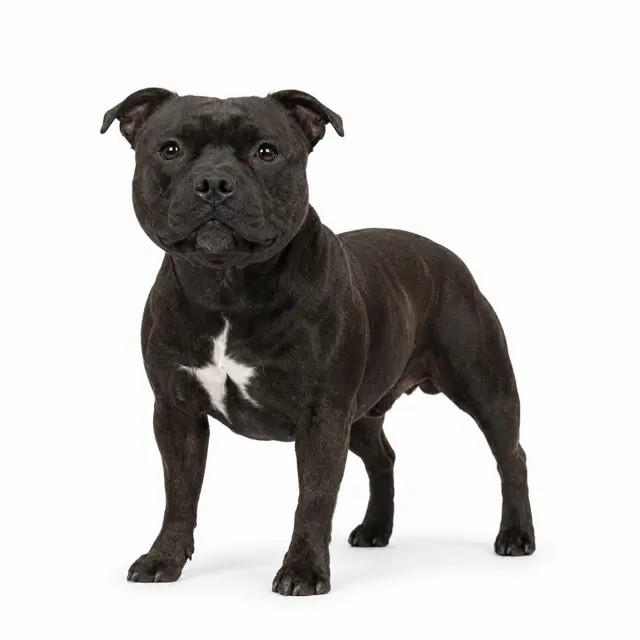
Staffordshire Bull Terrier
Affectionately known as the "nanny dog" — devoted, people-loving and famously gentle with children.

Beagle
A merry, pack-loving scent hound — sociable and great with kids, but ruled by its nose.
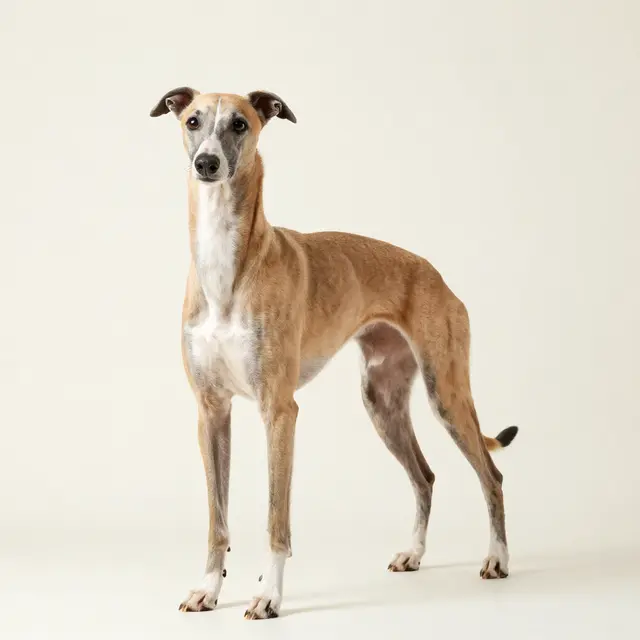
Whippet
A gentle, quiet "sofa sprinter" — happy to lounge at home between short bursts of explosive running.
Is the Blue Picardy Spaniel your breed?
Create your pet profile and get personalised food, toy, insurance and health recommendations — tailored to your dog.
Frequently asked questions
What is a Blue Picardy Spaniel?
It is a medium-sized French pointing and retrieving gundog, instantly recognisable by its mottled blue-grey and black speckled coat. Standing around 55 to 61 cm at the shoulder and weighing roughly 20 to 30 kg, it is built for a full day's work in the field, with feathered legs and tail and the soft, expressive eyes typical of working spaniels.
How long do Blue Picardy Spaniels live?
The typical lifespan is around 12 to 14 years. The breed is generally considered hardy and healthy, but because it is numerically rare there is limited large-scale, breed-specific health data and few formal UK health surveys, so general spaniel-type health guidance is the best available reference.
Are Blue Picardy Spaniels good family dogs?
Yes. They are known for being gentle, affectionate and even-tempered, forming strong bonds with their families, tending to be patient with children, and generally getting on well with other dogs. Indoors they are usually calm and quiet and are not natural barkers. They are sensitive and people-oriented, so they dislike being left alone for long periods.
Are Blue Picardy Spaniels easy to train?
As a biddable spaniel bred to work closely with a handler, the Blue Picardy is generally straightforward to train and responds best to patient, reward-based methods. Their natural retrieving and pointing instincts can be channelled into gundog work or scent games. Because they are sensitive, calm consistency works far better than corrections, and recall should be practised early.
How much exercise does a Blue Picardy Spaniel need?
This is an active gundog that needs substantial daily exercise, ideally well over an hour split across the day, with chances to run, explore and use its nose. Long off-lead walks in safe areas, retrieving games and access to woodland or open country suit it well. Without enough outlet a bored Blue Picardy can become restless.
How much grooming does a Blue Picardy Spaniel need?
The medium-length, slightly wavy coat with feathering on the ears, legs, chest and tail needs brushing around two or three times a week to prevent tangles and remove field debris. The long, pendulous ear flaps trap moisture and are prone to infection, so they should be checked and cleaned routinely, and feathering may need occasional tidying.
Do Blue Picardy Spaniels have health problems?
It is generally considered a hardy breed, but as it is rare there is limited breed-specific data, so general spaniel-type guidance applies and breeders should health-test their stock. The most common everyday concern is ear care: the heavy, hairy ear flaps reduce airflow and can lead to recurrent infections if not kept clean and dry. Ask breeders about hip and eye testing.
Is the Blue Picardy Spaniel suited to apartment living?
No, despite its calm indoor manner it is not a natural apartment or low-activity dog. It is best suited to active homes with access to outdoor space and time for proper exercise. It thrives in family settings, gets on with children and other dogs, and dislikes being left alone for long stretches, so it fits households where someone is around much of the day.
Are Blue Picardy Spaniels good with children?
Good with children. As a general guide, Blue Picardy Spaniels tend to be patient and tolerant. Whatever the breed, always supervise dogs and young children and teach kids to interact gently.
How much exercise does a Blue Picardy Spaniel need?
As a healthy adult, a typical Blue Picardy Spaniel needs 90 minutes to 2 hours of exercise a day (90–120 minutes), split across walks plus play. Higher-energy dogs also need mental stimulation — sniffing, training games and puzzle feeders — to stay settled. Puppies, seniors and dogs with health conditions need less — ask your vet.
Do Blue Picardy Spaniels shed a lot?
Moderate shedding. Coat upkeep is regular brushing — brush regularly to keep the coat in good condition.
Are Blue Picardy Spaniels easy to train and good for first-time owners?
Good for first-time owners. Blue Picardy Spaniels are generally a forgiving choice for first-time owners who put in early training and socialisation. Reward-based training and early socialisation help any dog.
Do Blue Picardy Spaniels bark a lot?
Quiet. They are usually fairly easy-going about barking, though any dog will bark if bored or under-exercised.
Are Blue Picardy Spaniels good with other dogs?
Sociable with other dogs. Early, positive socialisation with other dogs from a young age makes a big difference.
Do Blue Picardy Spaniels suit flats or smaller homes?
Needs plenty of space. A Blue Picardy Spaniel really needs plenty of space and a lot of daily activity — not ideal for a small flat.
Sources
- The Kennel Club (UK) — breed information and health resources: https://www.thekennelclub.org.uk/
- Fédération Cynologique Internationale (FCI) — Blue Picardy Spaniel breed standard: https://www.fci.be/en/nomenclature/BLUE-PICARDY-SPANIEL-106.html
- PDSA — dog care and health advice: https://www.pdsa.org.uk/pet-help-and-advice
- Blue Cross — dog breed and care guidance: https://www.bluecross.org.uk/advice/dog
Recommended for your Blue Picardy Spaniel
Matched to a Blue Picardy Spaniel's size and their typical need for enrichment & mental stimulation.

Self-Moving Chew-Resistant Dog Ball
A USB-C rechargeable ball that moves on its own to keep dogs busy and active. Tough E-TPU construction stands up to chewing during supervised play, and the splash-resistant build suits indoor or outdoor use.
£15.99

Plush Strawberry Snuffle Mat
An interactive foraging mat with removable plush strawberries that hide treats and kibble. Encourages natural snuffling and slows feeding, providing mental enrichment for dogs, rabbits and guinea pigs alike.
From£13.99

Chase Buddy Boredom Busting Dog Toy
A sturdy chase toy for dogs left alone for short spells, redirecting the energy that turns into barking, pacing and chewed skirting boards into active play.
£23.99

Plush Snuffle Foraging Mat
A roll-up plush snuffle mat with cute animal designs. Hide treats in the folds and let your pet sniff and forage to find them - a rewarding enrichment game that beats boredom and slows feeding.
£13.99

Tarhong Concentric Circle Slow Feeder Bowl for Dogs & Cats
A stylish slow-feeder bowl that encourages healthier, calmer mealtimes — available in blue, grey, or white.
£14.99

Self-Moving Interactive Dog Ball
A rechargeable self-moving ball that rolls and changes direction to keep dogs engaged. Ultra-quiet (around 35dB) for indoor and apartment use, helping ease boredom and separation anxiety.
£20.99

Duck Treat-Dispensing Puzzle Toy
A duck-shaped puzzle toy that dispenses treats when your pet presses the paddle.
£36.99

Spherical Slow Feeder Licking Bowl
A spherical non-slip slow feeder that paces fast eaters and turns mealtimes into a calming licking ritual. The ridged surface slows gulping, aiding digestion and easing boredom for dogs and cats alike.
From£13.99
Suggestions based on breed traits — always check sizing and suitability for your individual dog.
Got a Blue Picardy Spaniel? Save them to a pet profile for tailored picks across the whole site.
Happier, healthier pets — in your inbox.
Breed care tips, seasonal advice and first access to new arrivals. No spam, unsubscribe anytime.
Every dog is an individual — temperament and needs vary. Please research thoroughly, meet dogs in person, and consider adopting from a rescue. This is general guidance, not a substitute for advice from your vet or a qualified trainer.