
Sprocker Spaniel
A Cocker × English Springer Spaniel cross, the Sprocker is a friendly, biddable working spaniel beloved by shooting and active families alike. Energetic and eager. It suits genuinely active homes that can give it serious daily exercise and a job to do, and keep on top of the feathered coat and the ear care spaniels need.

Sprocker Spaniel scorecard
Overview
The Sprocker Spaniel is a cross between the English Cocker Spaniel and the English Springer Spaniel — two closely related British gundog breeds — and the name is simply a blend of "Springer" and "Cocker". It is not a recognised breed and has no breed standard with The Kennel Club, but it has become very popular in the United Kingdom, particularly in the shooting and working-gundog world, where the cross is valued for combining the drive and stamina of the Springer with the steadier, slightly smaller build often associated with the working Cocker. A typical Sprocker is a medium-sized, athletic dog of roughly 36 to 51 cm at the shoulder and around 14 to 20 kg, with a feathered, weatherproof coat and the bright, busy expression common to working spaniels.
Because both parents are active gundogs bred to hunt, flush and retrieve game all day, the Sprocker is first and foremost an energetic working-type dog rather than a low-maintenance pet. Prospective owners should be clear-eyed about this: the cross's reputation as friendly, biddable and brilliant for active families is well earned, but it comes attached to serious exercise and stimulation needs. A Sprocker that is given a proper outlet for its energy and instincts is typically a joyful, trainable companion; one that is under-exercised and under-occupied can become frustrated, noisy and difficult. This is a breed for people who genuinely want an active dog.
Good to know — a Sprocker Spaniel is best with a garden and manageable for committed beginners. Every dog is an individual, so meet a few and chat to a good breeder or rescue before deciding.
Save the Sprocker Spaniel guide
Thinking about a Sprocker Spaniel? Pop your email in and we’ll send this guide so you can come back to it any time — handy while you compare breeds.
Popular searches for the Sprocker Spaniel
History & origins
The Sprocker is a relatively modern working cross rather than a breed with a long pedigree history, and its background is the shared history of the Springer and Cocker Spaniels. Both descend from the old British land spaniels used for centuries to find and flush game for hunters, and for a long time "cockers" (named for their use on woodcock) and "springers" (which "sprang" game into the air or into nets) were simply size variants within the same spaniel families before being separated into distinct breeds by the Kennel Club in the late nineteenth and early twentieth centuries. Crossing the two therefore reunites very closely related working dogs rather than mixing unrelated breeds.
The deliberate Sprocker cross became established within UK shooting circles, where the priority is performance in the field rather than show points, and where gamekeepers and rough-shooters value the resulting dogs for their nose, drive, biddability and toughness. The cross has since spread well beyond working homes into the wider pet market on the strength of its friendly temperament. As with any popular cross there is no registry oversight of breeding, so buyers should look for breeders who health-test the parents and, ideally, can show working or sound family lines, and should use The Kennel Club's puppy guidance and the RSPCA's advice on avoiding puppy farms when choosing a litter.
Temperament & family fit
Sprockers are typically friendly, affectionate and people-focused, with the cheerful, biddable nature that makes working spaniels such popular family dogs. They tend to be sociable with people and other dogs, enjoy being part of family life, and are often excellent with children when raised and socialised well, which is reflected in their reputation as a great choice for active households. Their working heritage gives them a keen, enthusiastic outlook — a Sprocker generally wants to be doing something, whether that is retrieving, sniffing out a scent or simply joining in with whatever the family is up to. Early and ongoing socialisation helps channel that enthusiasm into confident, well-mannered behaviour.
The defining feature of the cross's temperament, however, is energy and a strong working drive. These are not dogs that switch off easily; they are bred to hunt all day and they bring that engine into the home. Without enough physical exercise and, crucially, mental work and an outlet for their instincts, a Sprocker can become restless, over-excitable or prone to self-appointed jobs the owner did not ask for. Their hunting instinct also means a reliable recall and care around wildlife and livestock are important. Given the right lifestyle, though, they are devoted, trainable and genuinely fun companions; the temperament problem is almost always a mismatch between a high-drive dog and a low-activity home.
- Families with children of all ages
- Owners ready for consistent training
- Homes with a secure garden
Training & intelligence
Spaniels of this type are intelligent, eager to please and highly food- and play-motivated, which makes the Sprocker one of the more rewarding crosses to train. Reward-based methods — marking and reinforcing wanted behaviour with food, toys and praise — are recommended by The Kennel Club, the RSPCA and professional trainers, and they suit a sensitive, willing gundog far better than any harsh handling. Sprockers usually take quickly to obedience, recall, retrieve games and the kind of scent and gundog-style work that taps directly into their instincts. Channelling their drive into structured training is one of the best ways to keep them happy and well behaved.
The priorities for a Sprocker owner are recall and impulse control, both essential in a dog with a strong urge to follow its nose and chase. Building a solid recall from puppyhood, practising it around increasing distractions, and teaching the dog to settle and wait pays dividends, especially in the British countryside where loose dogs near livestock, ground-nesting birds or roads can come to harm. Their cleverness means they get bored easily, so short, varied, upbeat sessions and plenty of mental enrichment work better than repetitive drilling. Puppy classes and, for working homes, proper gundog training are both worthwhile investments.
- Start socialisation & handling early
- Reward-based methods only — no harsh corrections
- Channel energy into training games & enrichment
Exercise needs
A healthy adult Sprocker Spaniel typically needs 2 hours or more, plus a job to do a day (roughly 120–180 minutes), split across walks, play and a little training. Higher-energy dogs also need their brains tired — sniffy walks, training games and puzzle feeding go a long way. Puppies, seniors and dogs with health conditions need adjusted amounts — check with your vet.
Grooming & coat
The Sprocker has a medium-length, feathered coat with the longer hair on the ears, legs, chest and belly that is typical of working spaniels. It needs regular brushing — at least a couple of times a week, more if the dog works or walks in rough country — to prevent tangles and to remove the burrs, grass seeds and mud that spaniels famously collect. The long, pendulous ears need particular attention: they should be checked and cleaned regularly, as the warm, enclosed ear canal makes spaniels prone to ear infections, and grass seeds lodging in the ear are a common veterinary problem in summer. Many owners keep the coat trimmed for practicality, and feet, feathering and the area around the ears benefit from occasional tidying. Routine nail trimming and dental care complete the picture.
- Brush several times a week
- Bathe every few weeks or as needed
- Check ears, nails and teeth weekly
Feeding a Sprocker Spaniel
A Sprocker should be fed a complete, good-quality food suited to its life stage and, importantly, to its activity level — a hard-working gundog will need more than a pet dog taking gentler exercise, and amounts should be adjusted to keep the dog lean. Follow the food manufacturer's feeding guide as a starting point and your vet's advice, and remember to count training treats, which spaniels earn plenty of, within the daily ration. Keeping a Sprocker at a healthy body condition supports its joints and stamina and helps prevent the obesity that UK veterinary bodies highlight as a widespread, preventable problem. As a deeper-chested, active dog, it is sensible to avoid vigorous exercise immediately around large meals, to split feeding across the day and to provide constant access to fresh water.
A medium breed
An adult Sprocker Spaniel typically weighs 14–20 kg, so a healthy Sprocker Spaniel eats a moderate amount compared with other breeds. Every feeding guide on a bag is written per kilo of body weight, not per breed — start there, then adjust to the dog in front of you.
Life stage
A medium breed is usually done growing at ~12 months, which is roughly when a puppy food has finished its job. With a typical lifespan of 12–14 years, there is a long adult stretch in the middle; switch to a senior food when your vet thinks it is worth it rather than on a birthday.
A high-energy dog eats like one
Sprocker Spaniels sit at the top end for energy, and a dog working through a couple of hours of real exercise a day burns through the feeding guide faster than a dog on a short stroll. Feed to the dog's condition, not to the middle of the range on the bag.
How much should a Sprocker Spaniel weigh?
Adult 14–20 kgfully grown at ~12 months
| Age | Stage | Typical weight | Of adult size |
|---|---|---|---|
| 8 weeks | Just home | 2.2–3.1 kg | 15% |
| 3 months | Young puppy | 3.5–5 kg | 25% |
| 6 months | Growing fast | 7–10 kg | 50% |
| ~12 months | Fully grown | 14–20 kg | 100% |
A guide, from the same rule of thumb our puppy growth predictor uses — each age is that share of the way to maturity for a medium breed. Puppies grow fastest early, so a real puppy usually sits a little above the middle rows. Weigh yours and ask your vet if the number worries you.
Complete dog foods that suit a Sprocker Spaniel
Complete foods from our range, matched to a Sprocker Spaniel's size band and what the breed typically needs. Stock levels and delivery dates are live on each product.

Simpsons Dog Sensitive Lamb Potato
A grain-free lamb and potato dry food for dogs with sensitive skin or digestion
From£17.05

Forthglade Cold Pressed Natural Turkey
Cold-pressed turkey kibble for dogs from 2 months, soft enough to mix with water for young pups
£45.99

Forthglade Cold Pressed Grain Free Salmon
Cold-pressed grain-free dry food for dogs, built on fresh and dried salmon
From£16.99

Forthglade Cold Pressed Grain Free Duck
Cold-pressed grain-free duck food with fruit and botanicals, in two bag sizes
From£16.99

Forthglade Cold Pressed Grain Free Chicken
Cold-pressed grain-free chicken food with fruit and botanicals, in three bag sizes
From£16.99

Forthglade Complete Meal Lightly Baked Turkey
A lightly baked complete dry food, 50% turkey, for adult dogs of any breed
From£12.49

Forthglade Complete Meal Lightly Baked Chicken
A grain-free complete dry food for adult dogs, lightly baked and built on 50% chicken
From£12.49

Forthglade Cold Pressed Grain Free Turkey
Grain-free cold-pressed turkey kibble for dogs, gentle on sensitive stomachs
£69.69

Forthglade British Classics Chicken Family Lunch
Complete Forthglade wet dog food with 75% chicken in a 395G tray
£2.45

Harringtons Puppy Turkey & Rice
Complete turkey puppy food with 30% protein and feeding bands by adult weight
£6.49

Harringtons Just 6 Dry Dog Food Lamb
Grain-free lamb dry dog food in 2KG and 12KG sizes, with size-specific formulas
From£13.99

Burns Puppy Original Lamb & Rice
Complete Burns lamb and rice puppy food in a 2KG bag for up to 12 months
£14.99
Sprocker Spaniel health & costs
Before bringing a Sprocker Spaniel home it pays to budget for the whole picture — food, insurance, grooming and routine vet care all add up. The figures below are typical UK estimates for a healthy adult; your real costs vary with where you live, your dog's health and the cover you choose.
Food
£400–600 / year
Complete food sized to weight & life stage
Insurance
£25–45 / month
Lifetime cover — varies by age, breed & area
Grooming
£120–300 / year
Occasional pro + home brushing
Routine vet care
£200–450 / year
Vaccines, flea/worm, annual check
Sprockers benefit from the shared, closely related ancestry of the Springer and Cocker Spaniels, but they can still inherit the health conditions found in those breeds, so the cross should not be assumed to be problem-free. The most responsible approach is to choose a breeder who health-tests both parents for the conditions known in spaniels, particularly inherited eye disease and hip problems, and to ask to see the relevant certificates. DNA tests are available for some spaniel eye conditions, and hip scoring schemes run by the British Veterinary Association and The Kennel Club assess breeding stock for hip dysplasia; a good breeder will use these.
With good care, a Sprocker can be expected to live around twelve to fourteen years. As an active dog with long ears and a love of water and undergrowth, its most common day-to-day health issues tend to be ear infections and grass-seed injuries rather than anything exotic, so routine ear checks and post-walk inspections are valuable preventive habits. Owners should keep up with vaccinations, parasite control, dental care, weight management and annual veterinary checks. Pet insurance is worth considering, both for the chronic conditions spaniels can develop and for the minor injuries an enthusiastic working-type dog is liable to pick up.
Common health conditions to be aware of
- Inherited eye conditions (such as progressive retinal atrophy) - seen in both Cocker and Springer lines; DNA and eye testing of the parents reduces the risk.
- Hip dysplasia - a malformation of the hip joint that can lead to arthritis; ask whether the parents have been hip scored under the BVA/Kennel Club scheme.
- Ear infections (otitis) - the long, pendulous spaniel ears trap moisture and warmth; regular cleaning and checking helps prevent recurrent infections.
- Grass seeds and foreign bodies - active spaniels frequently pick up grass seeds in ears, eyes, paws and skin, which can cause abscesses and need veterinary removal.
- Familial nephropathy and other breed-linked conditions - reported in Cocker Spaniel lines; a knowledgeable breeder will be aware of the parent breeds' issues.
- Obesity and joint strain - excess weight in an athletic dog harms the joints and stamina; lifelong portion control and exercise keep a Sprocker fit.
These reflect typical, size- and coat-related risks for dogs like the Sprocker Spaniel; individual breeds carry their own predispositions. Always buy from health-tested parents and speak to your vet — this isn't a diagnosis.
Protect against surprise bills
A single emergency can run into thousands. Lifetime insurance spreads the risk.
Estimate insurance →How pet insurance works →Puppy & senior care
Bringing home a Sprocker Spaniel puppy
Puppies need controlled exercise (a rough guide is five minutes per month of age, twice a day) to protect growing joints, little-and-often meals of a complete puppy food, early socialisation, and a calm routine for toilet training and sleep. Book first vaccinations, microchipping and a vet check early.
New puppy checklist →Caring for a senior Sprocker Spaniel
As they age, watch weight, joints and teeth, switch to a senior diet if your vet advises, keep exercise gentle but regular, and consider orthopaedic bedding and ramps. Twice-yearly vet checks help catch issues early.
Orthopaedic beds & mobility →Pros & cons
The good bits
- Friendly, biddable and great with families
- Loves activity and takes well to training
Things to consider
- Very high energy that needs proper exercise and a job
- Feathered coat and ears need regular care
Compare the Sprocker Spaniel
See how the Sprocker Spaniel measures up against similar breeds before you decide:
More breeds like the Sprocker Spaniel
Same breed group

Cockapoo
A hugely popular Cocker × Poodle crossbreed — friendly, lower-shedding and great with families.

Labradoodle
A friendly Labrador × Poodle crossbreed — sociable, often lower-shedding, and a popular family choice.

Cavapoo
One of the UK’s most popular crossbreeds (Cavalier × Poodle) — affectionate, adaptable and usually low-shedding.

Cavapoochon
A small triple-cross (Cavalier × Bichon × Poodle) — friendly, low-shedding and well suited to family and flat life.
Similar temperament

Irish Setter
The flame-red gundog — exuberant, friendly and wonderful with children, but high-energy and slow to grow up.
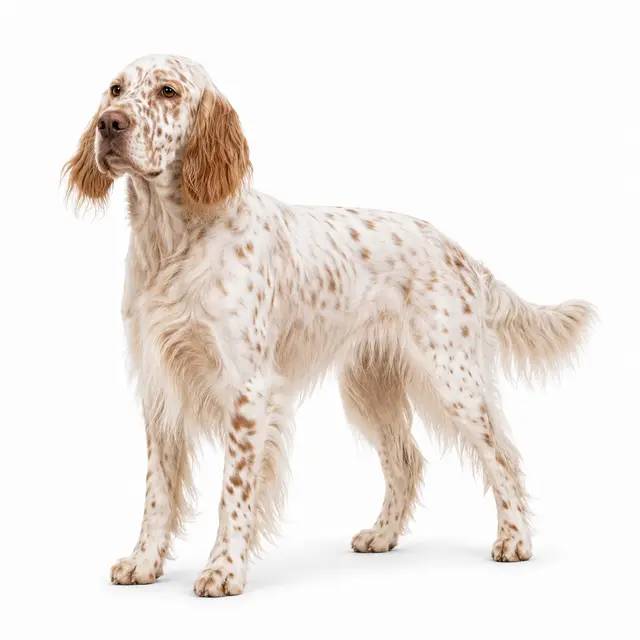
English Setter
A gentle, feathered gundog — friendly and great with children, sociable and even-tempered.
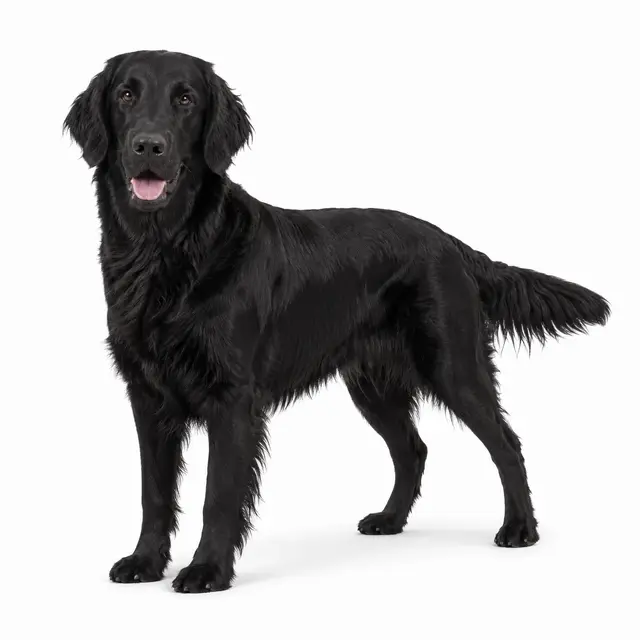
Flat-Coated Retriever
The "Peter Pan" of retrievers — joyful, friendly and superb with children, staying puppyish for years.
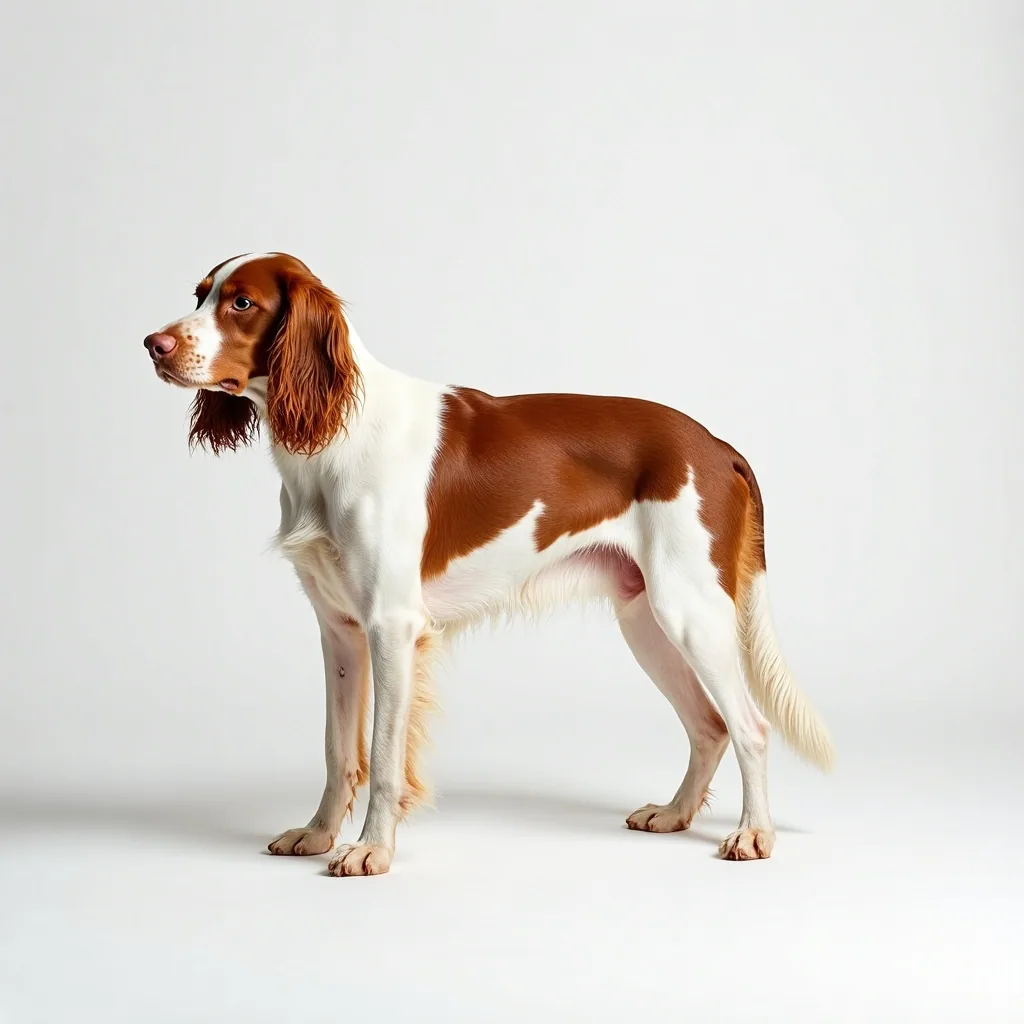
Irish Red and White Setter
An athletic Irish bird-dog, slightly sturdier and more biddable than its all-red cousin. Friendly, affectionate and trainable, but a high-energy gundog that needs plenty of exercise.
Similar size, different type

Border Collie
The ultimate working brain — astonishingly clever and trainable, but needs hours of exercise and a job to do.

Cocker Spaniel
A merry, affectionate gundog that loves people and activity — happiest with a job and regular grooming.

English Springer Spaniel
A tireless, enthusiastic working gundog that needs serious daily exercise and mental stimulation.
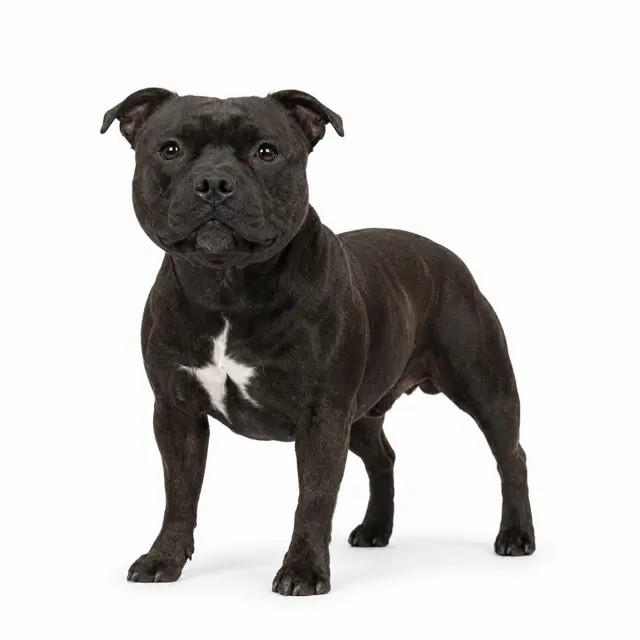
Staffordshire Bull Terrier
Affectionately known as the "nanny dog" — devoted, people-loving and famously gentle with children.
Is the Sprocker Spaniel your breed?
Create your pet profile and get personalised food, toy, insurance and health recommendations — tailored to your dog.
Frequently asked questions
What is a Sprocker Spaniel?
The Sprocker is a cross between the English Cocker Spaniel and the English Springer Spaniel, two closely related British gundogs, and its name simply blends "Springer" and "Cocker". It is not a Kennel Club recognised breed and has no breed standard, but it is very popular in the UK, especially in the working-gundog and shooting world.
How big does a Sprocker Spaniel get?
A Sprocker is a medium-sized, athletic dog, typically standing around 36 to 51 cm at the shoulder and weighing roughly 14 to 20 kg. Because it is a crossbreed with no fixed standard, size can vary between individuals, but most have the lean, sporty build of a working spaniel rather than a heavier show type.
What is the life expectancy of a Sprocker Spaniel?
With good care, a Sprocker can be expected to live around 12 to 14 years. As an active dog, keeping it lean, fit and up to date with vaccinations, parasite control, dental care and routine vet checks all help support a long, healthy life.
Are Sprocker Spaniels good family dogs?
They can be excellent family dogs for active households. Sprockers are typically friendly, affectionate and people-focused, usually sociable with other dogs and often very good with children when well raised and socialised. The key caveat is energy: this is a high-drive working cross that needs plenty of exercise and stimulation, not a low-effort companion.
How much exercise does a Sprocker Spaniel need?
Exercise is the single most important consideration with a Sprocker. An adult needs well over an hour of varied exercise a day, ideally a couple of good off-lead walks plus retrieve games and brain work at home. Scent games and dummy retrieves that engage their hunting instincts work far better than the same plain pavement route.
Do Sprocker Spaniels need a lot of grooming?
They have a medium-length, feathered coat that needs brushing at least a couple of times a week, more if the dog works in rough country, to prevent tangles and remove burrs and grass seeds. The long ears need particular attention, as spaniels are prone to ear infections and to grass seeds lodging in the ear in summer.
What health problems do Sprocker Spaniels have?
Sprockers can inherit conditions found in Springers and Cockers, particularly inherited eye disease and hip problems, so choose a breeder who health-tests both parents and ask to see eye and hip-scoring certificates. Day to day, their most common issues tend to be ear infections and grass-seed injuries, so regular ear checks and post-walk inspections are valuable habits.
What colours do Sprocker Spaniels come in?
Because the Sprocker is an unstandardised cross, coat colours vary widely. Common patterns include black, black and white, liver or chocolate, and roan markings such as blue roan, all inherited from the Cocker and Springer parents. Colour has no bearing on temperament or health, so choose a puppy on the basis of the breeder and parents' health testing.
Are Sprocker Spaniels good with children?
Excellent with children of all ages. As a general guide, Sprocker Spaniels tend to be patient and tolerant. Whatever the breed, always supervise dogs and young children and teach kids to interact gently.
How much exercise does a Sprocker Spaniel need?
As a healthy adult, a typical Sprocker Spaniel needs 2 hours or more, plus a job to do of exercise a day (120–180 minutes), split across walks plus play. Higher-energy dogs also need mental stimulation — sniffing, training games and puzzle feeders — to stay settled. Puppies, seniors and dogs with health conditions need less — ask your vet.
Do Sprocker Spaniels shed a lot?
Moderate shedding. Coat upkeep is regular brushing — brush regularly to keep the coat in good condition.
Are Sprocker Spaniels easy to train and good for first-time owners?
Manageable for committed beginners. Sprocker Spaniels are best for owners ready to commit to consistent training and plenty of activity. Reward-based training and early socialisation help any dog.
Do Sprocker Spaniels bark a lot?
Quiet. They are usually fairly easy-going about barking, though any dog will bark if bored or under-exercised.
Are Sprocker Spaniels good with other dogs?
Sociable with other dogs. Early, positive socialisation with other dogs from a young age makes a big difference.
Do Sprocker Spaniels suit flats or smaller homes?
Best with a garden. A Sprocker Spaniel is happiest with access to a secure garden and regular outdoor exercise.
Sources
- The Kennel Club (UK) - Cocker and Springer Spaniel breed information, health schemes and puppy guidance: https://www.thekennelclub.org.uk/breed-information-centre/
- British Veterinary Association (BVA) - Canine Health Schemes (hip scoring and eye testing): https://www.bva.co.uk/canine-health-schemes/
- RSPCA - dog care, exercise and responsible breeder advice: https://www.rspca.org.uk/adviceandwelfare/pets/dogs
- PDSA - dog health, ear care and weight management: https://www.pdsa.org.uk/pet-help-and-advice/looking-after-your-pet/dogs
- Blue Cross - dog exercise, training and behaviour guidance: https://www.bluecross.org.uk/advice/dog
Recommended for your Sprocker Spaniel
Matched to a Sprocker Spaniel's size and their typical need for enrichment & mental stimulation.

Self-Moving Chew-Resistant Dog Ball
A USB-C rechargeable ball that moves on its own to keep dogs busy and active. Tough E-TPU construction stands up to chewing during supervised play, and the splash-resistant build suits indoor or outdoor use.
£15.99

Plush Strawberry Snuffle Mat
An interactive foraging mat with removable plush strawberries that hide treats and kibble. Encourages natural snuffling and slows feeding, providing mental enrichment for dogs, rabbits and guinea pigs alike.
From£13.99

Chase Buddy Boredom Busting Dog Toy
A sturdy chase toy for dogs left alone for short spells, redirecting the energy that turns into barking, pacing and chewed skirting boards into active play.
£23.99

Plush Snuffle Foraging Mat
A roll-up plush snuffle mat with cute animal designs. Hide treats in the folds and let your pet sniff and forage to find them - a rewarding enrichment game that beats boredom and slows feeding.
£13.99

Tarhong Concentric Circle Slow Feeder Bowl for Dogs & Cats
A stylish slow-feeder bowl that encourages healthier, calmer mealtimes — available in blue, grey, or white.
£14.99

Self-Moving Interactive Dog Ball
A rechargeable self-moving ball that rolls and changes direction to keep dogs engaged. Ultra-quiet (around 35dB) for indoor and apartment use, helping ease boredom and separation anxiety.
£20.99

Duck Treat-Dispensing Puzzle Toy
A duck-shaped puzzle toy that dispenses treats when your pet presses the paddle.
£36.99

Spherical Slow Feeder Licking Bowl
A spherical non-slip slow feeder that paces fast eaters and turns mealtimes into a calming licking ritual. The ridged surface slows gulping, aiding digestion and easing boredom for dogs and cats alike.
From£13.99
Suggestions based on breed traits — always check sizing and suitability for your individual dog.
Got a Sprocker Spaniel? Save them to a pet profile for tailored picks across the whole site.
Happier, healthier pets — in your inbox.
Breed care tips, seasonal advice and first access to new arrivals. No spam, unsubscribe anytime.
Every dog is an individual — temperament and needs vary. Please research thoroughly, meet dogs in person, and consider adopting from a rescue. This is general guidance, not a substitute for advice from your vet or a qualified trainer.