
Bordoodle
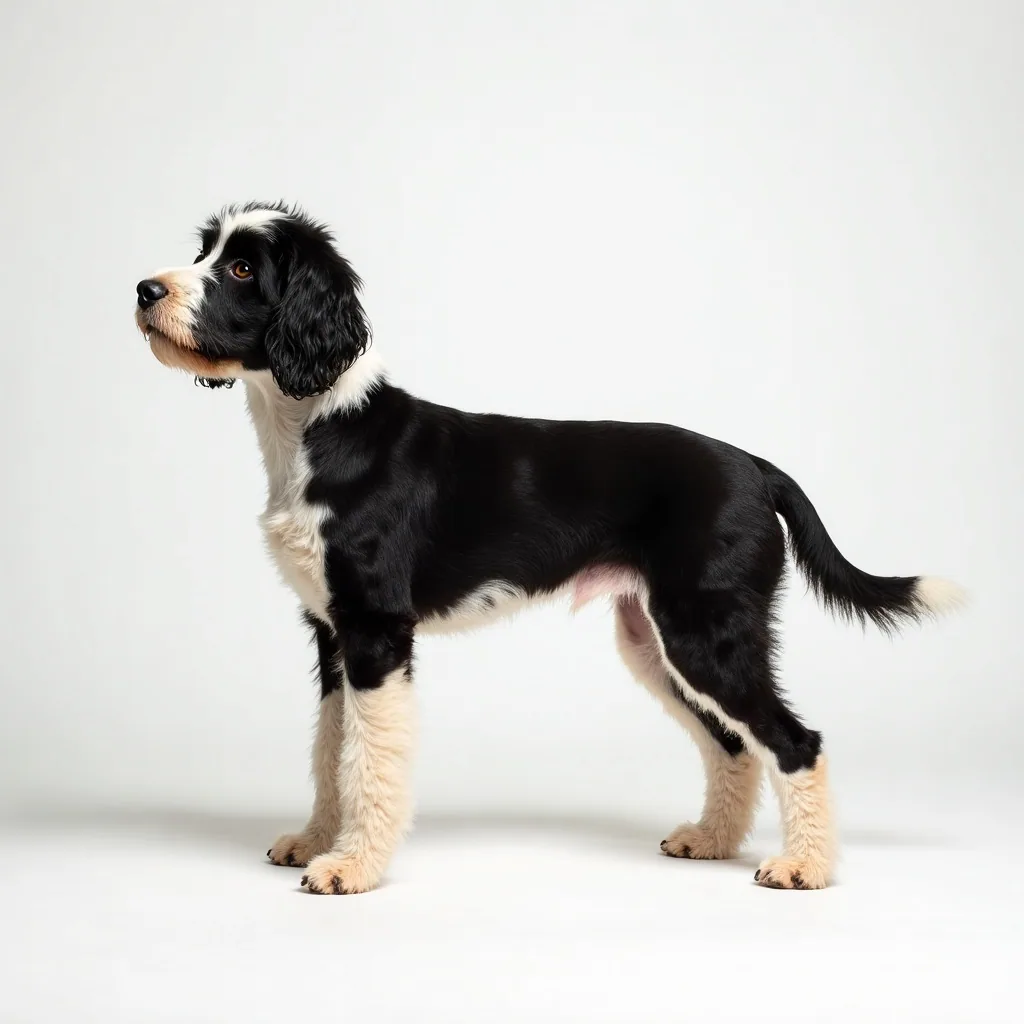
An exceptionally clever Border Collie–Poodle cross that excels at training but needs a great deal of activity. Often low-shedding with a coat that needs regular grooming. Energy and herding instinct vary depending on which parent they take after.
Bordoodle scorecard
Overview
The Bordoodle is a crossbreed created by mating a Border Collie with a Poodle, usually a Standard or Miniature Poodle. It is sometimes also called a Borderdoodle or Borderpoo. Like other doodle crosses, it is not a breed recognised by The Kennel Club, has no formal breed standard, and is not eligible for pedigree registration, so appearance, size, coat and temperament vary from dog to dog — even within a single litter.
In the UK a Bordoodle typically measures around 38–56 cm at the shoulder and weighs roughly 13–27 kg, varying with the size of Poodle used and which parent a puppy resembles. This is one of the more demanding doodle crosses, because both parent breeds are exceptionally intelligent and the Border Collie is among the most energetic and work-driven of all dogs. Bordoodles suit committed, active owners who can provide a great deal of exercise and, just as importantly, daily mental work.
Good to know — a Bordoodle needs plenty of space and manageable for committed beginners. Every dog is an individual, so meet a few and chat to a good breeder or rescue before deciding.
Save the Bordoodle guide
Thinking about a Bordoodle? Pop your email in and we’ll send this guide so you can come back to it any time — handy while you compare breeds.
Popular searches for the Bordoodle
History & origins
The Bordoodle is a recent designer crossbreed with no long documented history of its own and no breed club recognised by The Kennel Club. It is part of the broader trend for Poodle crosses, which gathered pace from the late 1980s onwards, valued for trainability and often-reduced shedding.
The Border Collie was developed in the border country between England and Scotland as a sheepdog and is widely regarded as the most intelligent and trainable of working breeds, with a powerful instinct to gather and control livestock. The Poodle is a historic water-retrieving dog, also celebrated for its biddability. Crossing the two combines two extremely clever working backgrounds, which is precisely why the resulting dog needs an owner who understands and can meet high working-dog demands.
Temperament & family fit
Bordoodles are typically intelligent, affectionate and intensely loyal, forming strong bonds with their people. They are usually keen to learn and to work alongside their owner, and well-socialised dogs are often gentle and good with familiar children and other animals. Many show the Border Collie's focus and sensitivity — they notice everything and respond strongly to their environment.
That sharpness means a Bordoodle can be easily over-stimulated or frustrated if its needs are not met. The herding heritage can produce chasing and nipping at movement, including cars, bikes, joggers, children and other pets, so early management is important. Without enough physical and mental outlet, these dogs commonly develop problem behaviours such as obsessive activity, restlessness, excessive barking or destructiveness. They tend to be sensitive to being left alone and can struggle with separation.
- Families with children of all ages
- Owners ready for consistent training
- Active homes with plenty of space
Training & intelligence
Few crosses are more trainable than a Bordoodle — they generally learn fast, retain well and thrive on having a job. They can excel at obedience, agility, flyball, scentwork and trick training, all of which double as valuable mental exercise. Keep sessions positive, varied and frequent, and channel that brainpower constructively, because an untrained, under-occupied Bordoodle will find its own (usually unwelcome) hobbies.
Early socialisation and a strong, reliably-rewarded recall are priorities, given the chase instinct. UK welfare bodies including the RSPCA and Blue Cross recommend reward-based training and discourage harsh or aversive methods, which are particularly counterproductive with a sensitive, biddable dog like this. Teaching an "off switch" — settling calmly indoors — is as valuable as teaching skills, to prevent these clever dogs becoming wound up.
- Start socialisation & handling early
- Reward-based methods only — no harsh corrections
- Channel energy into training games & enrichment
Exercise needs
A healthy adult Bordoodle typically needs 2 hours or more, plus a job to do a day (roughly 120–180 minutes), split across walks, play and a little training. Higher-energy dogs also need their brains tired — sniffy walks, training games and puzzle feeding go a long way. Puppies, seniors and dogs with health conditions need adjusted amounts — check with your vet.
Grooming & coat
Bordoodle coats vary from wavy to curly and are usually low to moderate shedding. They generally need frequent brushing — often several times a week or daily for curlier coats — to prevent matting, plus professional grooming or clipping every couple of months. Check and clean the ears regularly, keep nails trimmed and maintain a dental-care routine. As with all doodles, no coat type is genuinely hypoallergenic, and shedding levels differ between individuals.
- Brush several times a week
- Bathe every few weeks or as needed
- Check ears, nails and teeth weekly
Feeding a Bordoodle
Provide a complete, good-quality food suited to the dog's size, age and high activity level, following pack guidance and adjusting to maintain a lean, healthy weight. Active working-type crosses use a lot of energy, but it is still easy to overfeed, especially when food is used heavily in training, so measure meals and account for treats. Fresh water should always be available, and your vet can help you assess body condition.
A medium breed
An adult Bordoodle typically weighs 13–27 kg, so a healthy Bordoodle eats a moderate amount compared with other breeds. Every feeding guide on a bag is written per kilo of body weight, not per breed — start there, then adjust to the dog in front of you.
Life stage
A medium breed is usually done growing at ~12 months, which is roughly when a puppy food has finished its job. With a typical lifespan of 12–15 years, there is a long adult stretch in the middle; switch to a senior food when your vet thinks it is worth it rather than on a birthday.
A high-energy dog eats like one
Bordoodles sit at the top end for energy, and a dog working through a couple of hours of real exercise a day burns through the feeding guide faster than a dog on a short stroll. Feed to the dog's condition, not to the middle of the range on the bag.
How much should a Bordoodle weigh?
Adult 13–27 kgfully grown at ~12 months
| Age | Stage | Typical weight | Of adult size |
|---|---|---|---|
| 8 weeks | Just home | 2–4.2 kg | 15% |
| 3 months | Young puppy | 3.3–6.8 kg | 25% |
| 6 months | Growing fast | 6.5–13.5 kg | 50% |
| ~12 months | Fully grown | 13–27 kg | 100% |
A guide, from the same rule of thumb our puppy growth predictor uses — each age is that share of the way to maturity for a medium breed. Puppies grow fastest early, so a real puppy usually sits a little above the middle rows. Weigh yours and ask your vet if the number worries you.
Complete dog foods that suit a Bordoodle
Complete foods from our range, matched to a Bordoodle's size band and what the breed typically needs. Stock levels and delivery dates are live on each product.

Simpsons Dog Sensitive Lamb Potato
A grain-free lamb and potato dry food for dogs with sensitive skin or digestion
From£17.05

Forthglade Cold Pressed Natural Turkey
Cold-pressed turkey kibble for dogs from 2 months, soft enough to mix with water for young pups
£45.99

Forthglade Cold Pressed Grain Free Salmon
Cold-pressed grain-free dry food for dogs, built on fresh and dried salmon
From£16.99

Forthglade Cold Pressed Grain Free Duck
Cold-pressed grain-free duck food with fruit and botanicals, in two bag sizes
From£16.99

Forthglade Cold Pressed Grain Free Chicken
Cold-pressed grain-free chicken food with fruit and botanicals, in three bag sizes
From£16.99

Forthglade Complete Meal Lightly Baked Turkey
A lightly baked complete dry food, 50% turkey, for adult dogs of any breed
From£12.49

Forthglade Complete Meal Lightly Baked Chicken
A grain-free complete dry food for adult dogs, lightly baked and built on 50% chicken
From£12.49

Forthglade Cold Pressed Grain Free Turkey
Grain-free cold-pressed turkey kibble for dogs, gentle on sensitive stomachs
£69.69

Forthglade British Classics Chicken Family Lunch
Complete Forthglade wet dog food with 75% chicken in a 395G tray
£2.45

Harringtons Puppy Turkey & Rice
Complete turkey puppy food with 30% protein and feeding bands by adult weight
£6.49

Harringtons Just 6 Dry Dog Food Lamb
Grain-free lamb dry dog food in 2KG and 12KG sizes, with size-specific formulas
From£13.99

Burns Puppy Original Lamb & Rice
Complete Burns lamb and rice puppy food in a 2KG bag for up to 12 months
£14.99
Bordoodle health & costs
Before bringing a Bordoodle home it pays to budget for the whole picture — food, insurance, grooming and routine vet care all add up. The figures below are typical UK estimates for a healthy adult; your real costs vary with where you live, your dog's health and the cover you choose.
Food
£400–600 / year
Complete food sized to weight & life stage
Insurance
£25–45 / month
Lifetime cover — varies by age, breed & area
Grooming
£400–700 / year
Regular professional grooming
Routine vet care
£200–450 / year
Vaccines, flea/worm, annual check
As a first-cross, a Bordoodle may gain some benefit from outcrossing, but it can inherit conditions found in either the Border Collie or the Poodle, so good health is never guaranteed by the cross alone. Responsible breeding and health testing of both parents are the most important safeguards. Because crossbreeds are not covered by pedigree breed-health surveys, breed-specific data is sparse and risks are largely inferred from the parent breeds.
Prospective owners should ask to see hip scores, eye-test results and relevant DNA tests for both parents, and should buy only from a breeder who can demonstrate this. The Puppy Contract and the UK's licensing rules for breeders are useful tools for buyers.
Common health conditions to be aware of
- Hip dysplasia — a developmental joint condition seen in both parent breeds; check parental hip scores.
- Progressive retinal atrophy (PRA) — inherited degeneration of the retina; DNA testing is available in the parent breeds.
- Collie eye anomaly (CEA) — an inherited eye condition of the Border Collie; DNA testing is available.
- Epilepsy — idiopathic seizure disorders are reported in both parent breeds.
- Multidrug sensitivity (MDR1) — a drug-sensitivity mutation that can occur in collie-type lines; DNA testable.
- Ear infections — drop ears with hair growth need regular cleaning and checks.
These reflect typical, size- and coat-related risks for dogs like the Bordoodle; individual breeds carry their own predispositions. Always buy from health-tested parents and speak to your vet — this isn't a diagnosis.
Protect against surprise bills
A single emergency can run into thousands. Lifetime insurance spreads the risk.
Estimate insurance →How pet insurance works →Puppy & senior care
Bringing home a Bordoodle puppy
Puppies need controlled exercise (a rough guide is five minutes per month of age, twice a day) to protect growing joints, little-and-often meals of a complete puppy food, early socialisation, and a calm routine for toilet training and sleep. Book first vaccinations, microchipping and a vet check early.
New puppy checklist →Caring for a senior Bordoodle
As they age, watch weight, joints and teeth, switch to a senior diet if your vet advises, keep exercise gentle but regular, and consider orthopaedic bedding and ramps. Twice-yearly vet checks help catch issues early.
Orthopaedic beds & mobility →Pros & cons
The good bits
- Outstandingly intelligent and trainable
- Often low-shedding and loyal
Things to consider
- Relentless exercise and mental needs
- Can inherit strong herding drive; coat needs grooming
Compare the Bordoodle
See how the Bordoodle measures up against similar breeds before you decide:
More breeds like the Bordoodle
Same breed group
Cockapoo
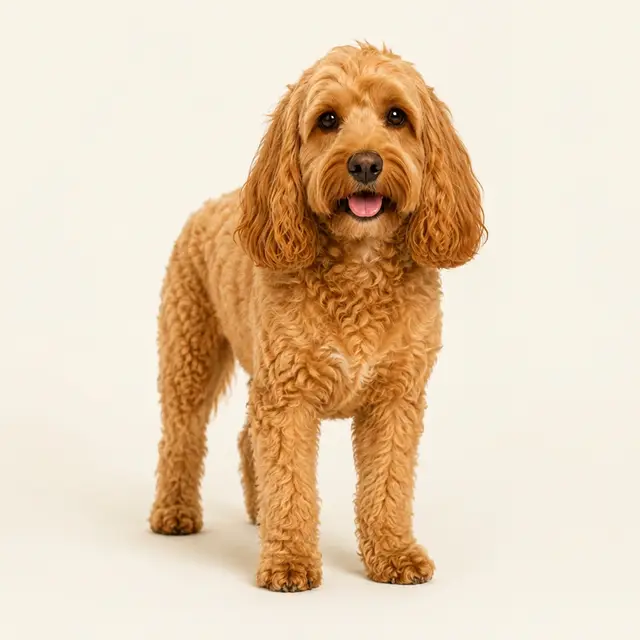
A hugely popular Cocker × Poodle crossbreed — friendly, lower-shedding and great with families.

Labradoodle
A friendly Labrador × Poodle crossbreed — sociable, often lower-shedding, and a popular family choice.

Cavapoo
One of the UK’s most popular crossbreeds (Cavalier × Poodle) — affectionate, adaptable and usually low-shedding.
Cavapoochon
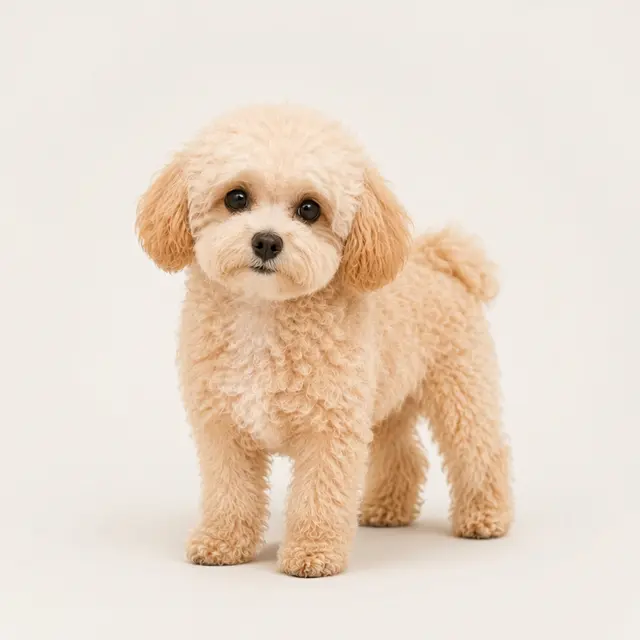
A small triple-cross (Cavalier × Bichon × Poodle) — friendly, low-shedding and well suited to family and flat life.
Similar temperament

Aussiedoodle
A highly intelligent, energetic Australian Shepherd–Poodle cross that thrives on training and activity. Often low-shedding but needs regular grooming. Size, energy and herding drive vary depending on which parent they take after.
English Springer Spaniel
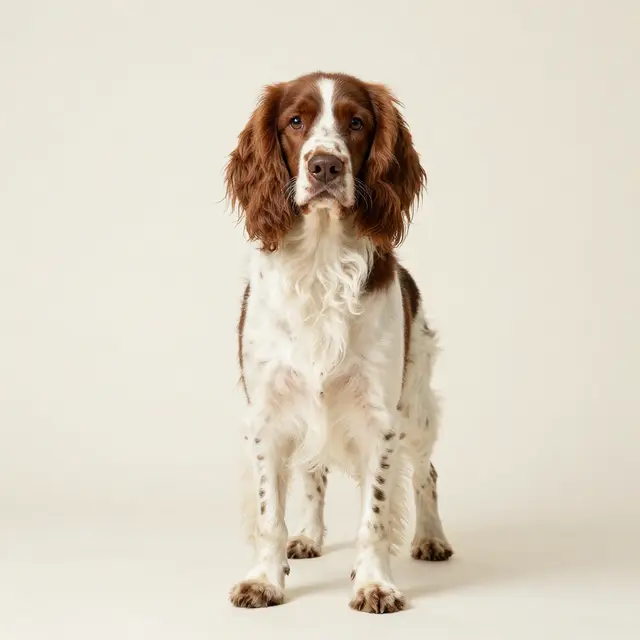
A tireless, enthusiastic working gundog that needs serious daily exercise and mental stimulation.
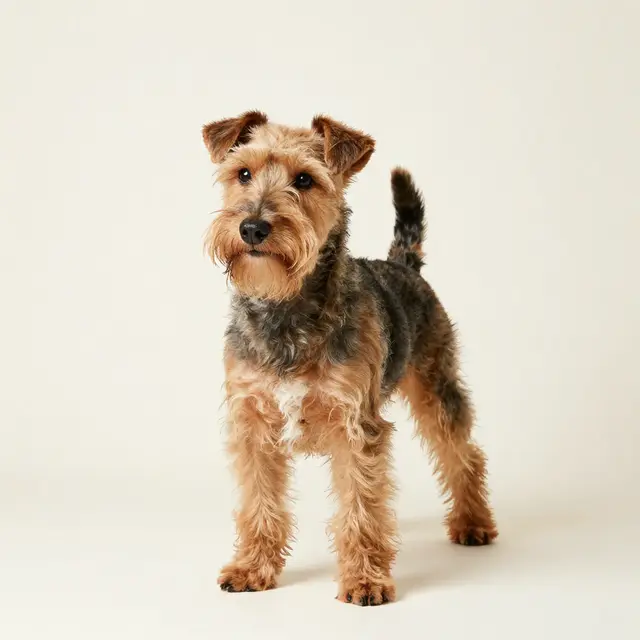
Welsh Terrier
A friendly, smart terrier with a low-shedding wiry coat — hardy and good with families, but a born digger.

Brittany Spaniel
A compact, athletic French pointing gundog (Épagneul Breton). Energetic, eager to please and affectionate, it makes a fun family dog for active homes that can meet its exercise needs.
Similar size, different type
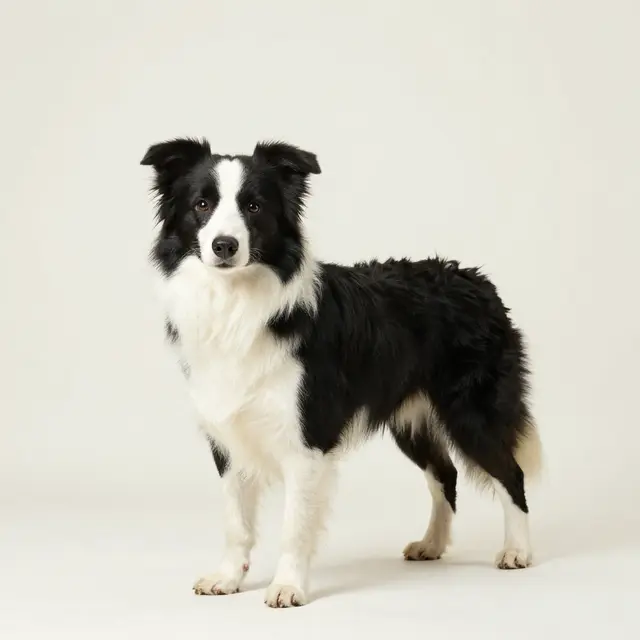
Border Collie
The ultimate working brain — astonishingly clever and trainable, but needs hours of exercise and a job to do.
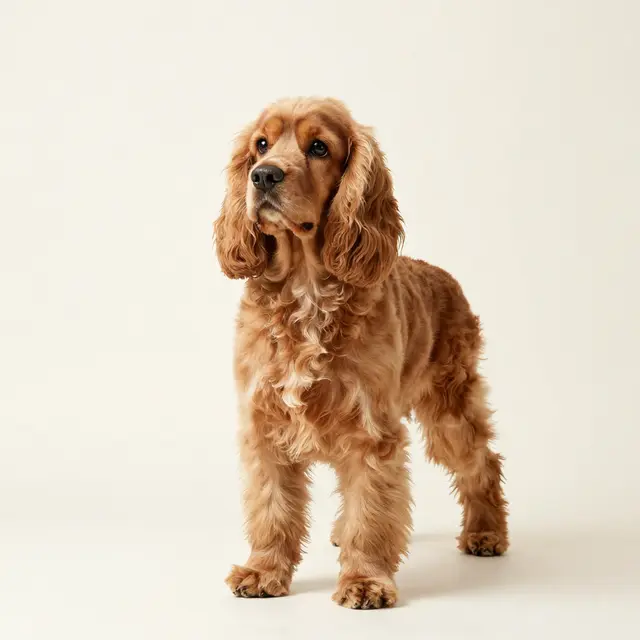
Cocker Spaniel
A merry, affectionate gundog that loves people and activity — happiest with a job and regular grooming.
English Springer Spaniel
A tireless, enthusiastic working gundog that needs serious daily exercise and mental stimulation.
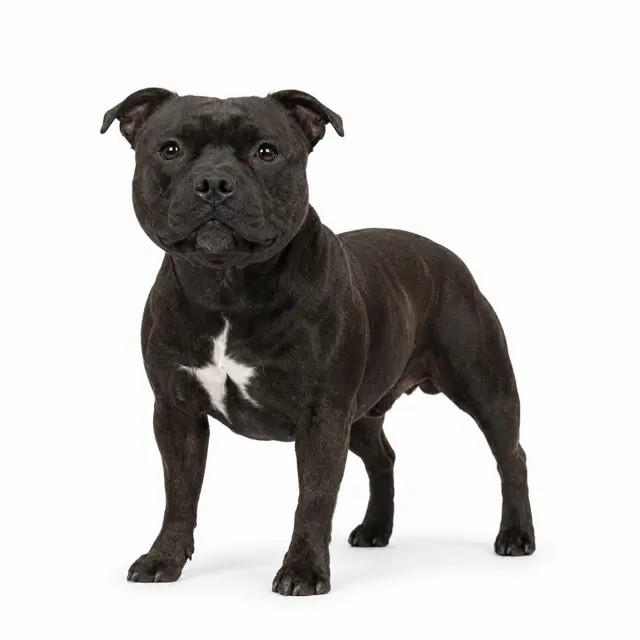
Staffordshire Bull Terrier
Affectionately known as the "nanny dog" — devoted, people-loving and famously gentle with children.
Is the Bordoodle your breed?
Create your pet profile and get personalised food, toy, insurance and health recommendations — tailored to your dog.
Frequently asked questions
What is a Bordoodle?
A Bordoodle is a crossbreed created by mating a Border Collie with a Poodle, usually a Standard or Miniature. It is sometimes called a Borderdoodle or Borderpoo. As a doodle cross it is not recognised by The Kennel Club, has no breed standard and cannot be pedigree-registered, so appearance, size, coat and temperament vary from dog to dog, even within one litter.
How big does a full-grown Bordoodle get?
In the UK a Bordoodle typically measures around 38–56 cm at the shoulder and weighs roughly 13–27 kg, varying with the size of Poodle used and which parent a puppy most resembles. Mini Bordoodles, bred from a Miniature Poodle, sit at the smaller end. Because there is no breed standard, adult size is never fully predictable.
How much exercise does a Bordoodle need?
This is a high-energy cross. Most Bordoodles need well over an hour of exercise a day, and many need considerably more, plus daily mental stimulation through training games, puzzle feeders and scentwork. Off-lead running, fetch and dog sports all suit them. Mental work tires them as much as physical activity, so a fulfilled Bordoodle is a much calmer companion.
Are Bordoodles easy to train?
Few crosses are more trainable — they generally learn fast, retain well and thrive on having a job, excelling at obedience, agility, flyball, scentwork and tricks. Keep sessions positive, varied and frequent. UK welfare bodies such as the RSPCA and Blue Cross recommend reward-based methods and discourage harsh techniques, which are especially counterproductive with a sensitive, biddable dog like this.
How much grooming does a Bordoodle need?
Bordoodle coats vary from wavy to curly and are usually low to moderate shedding. They generally need frequent brushing, often several times a week or daily for curlier coats, to prevent matting, plus professional grooming or clipping every couple of months. Check and clean the ears regularly, keep nails trimmed and maintain dental care. No coat type is genuinely hypoallergenic.
Are Bordoodles good family dogs?
Well-socialised Bordoodles are typically intelligent, affectionate and loyal, and are often gentle and good with familiar children and other animals. However, the herding heritage can produce chasing and nipping at movement, so early management is important. They suit active, experienced homes with plenty of time, not sedentary households or long working hours.
Do Bordoodles have any common health concerns?
As a first-cross a Bordoodle may gain some benefit from outcrossing, but it can inherit conditions found in either the Border Collie or the Poodle, so good health is never guaranteed by the cross alone. Ask to see hip scores, eye-test results and relevant DNA tests for both parents, and buy only from a responsible, health-testing breeder.
How long do Bordoodles live?
A Bordoodle typically lives around 12–15 years, in line with many medium-sized crossbreeds. Lifespan depends on genetics, the health of both parents, diet, weight management and veterinary care. Choosing a puppy from health-tested parents and keeping your dog lean, active and mentally fulfilled all help support a long, healthy life.
Are Bordoodles good with children?
Good with children. As a general guide, Bordoodles tend to be patient and tolerant. Whatever the breed, always supervise dogs and young children and teach kids to interact gently.
How much exercise does a Bordoodle need?
As a healthy adult, a typical Bordoodle needs 2 hours or more, plus a job to do of exercise a day (120–180 minutes), split across walks plus play. Higher-energy dogs also need mental stimulation — sniffing, training games and puzzle feeders — to stay settled. Puppies, seniors and dogs with health conditions need less — ask your vet.
Do Bordoodles shed a lot?
Low shedding. Coat upkeep is high upkeep — plan on frequent brushing and regular trips to a groomer.
Are Bordoodles easy to train and good for first-time owners?
Manageable for committed beginners. Bordoodles are best for owners ready to commit to consistent training and plenty of activity. Reward-based training and early socialisation help any dog.
Do Bordoodles bark a lot?
Moderate barker. They are usually fairly easy-going about barking, though any dog will bark if bored or under-exercised.
Are Bordoodles good with other dogs?
Sociable with other dogs. Early, positive socialisation with other dogs from a young age makes a big difference.
Do Bordoodles suit flats or smaller homes?
Needs plenty of space. A Bordoodle really needs plenty of space and a lot of daily activity — not ideal for a small flat.
Sources
- The Kennel Club — Getting a dog and crossbreeds (https://www.thekennelclub.org.uk/getting-a-dog-or-puppy/)
- RSPCA — Dog care and choosing a dog (https://www.rspca.org.uk/adviceandwelfare/pets/dogs)
- Blue Cross — Dog breeds and behaviour advice (https://www.bluecross.org.uk/advice/dog)
- PDSA — Dog health and crossbreed advice (https://www.pdsa.org.uk/pet-help-and-advice)
Recommended for your Bordoodle
Matched to a Bordoodle's size and their typical need for regular coat care, enrichment & mental stimulation.

Rechargeable Pet Grooming Clipper Kit
A cordless rechargeable pet clipper with an LED battery display, supplied with six guide combs, a styling comb, oil and a cleaning brush. Quiet and easy to handle for trimming and tidying your pet's coat at home.
£26.99

Leucillin Antiseptic Skincare Spray for Cats & Dogs
A versatile, alcohol-free antiseptic spray that cleans, soothes, and helps protect your pet's skin from bacteria, viruses, and fungi.
From£16.49

Self-Moving Chew-Resistant Dog Ball
A USB-C rechargeable ball that moves on its own to keep dogs busy and active. Tough E-TPU construction stands up to chewing during supervised play, and the splash-resistant build suits indoor or outdoor use.
£15.99

Absorbent Cotton Gauze Swabs for Pets – Pack of 100
Highly absorbent, low-lint cotton gauze swabs produced in clean conditions — a practical first-aid essential available in three size and ply combinations.
From£4.49

Warm Stretch Snood for Dogs, Ear and Neck Cover, S, M and L
A stretch snood that gathers long ears back against the head and out of food bowls, puddles and brambles, knitted in a soft cationic-spandex blend in purple or blue.
£10.99

Electric Pet Grooming Clipper
A quiet, rechargeable electric clipper for trimming dogs, cats, rabbits and other pets at home. Low-noise and low-vibration with an adjustable blade for tidy, stress-free grooming around the body and paws.
From£11.99

Large Self-Cleaning Slicker Brush for Mats and Tangles
A self-cleaning slicker brush with fine, bead-tipped wire pins that gently lift loose undercoat, mats and tangles from short or long-haired pets. A one-click button releases the collected fur for fuss-free cleaning. Cat-ear shaped design.
£18.99

Plush Strawberry Snuffle Mat
An interactive foraging mat with removable plush strawberries that hide treats and kibble. Encourages natural snuffling and slows feeding, providing mental enrichment for dogs, rabbits and guinea pigs alike.
From£13.99
Suggestions based on breed traits — always check sizing and suitability for your individual dog.
Got a Bordoodle? Save them to a pet profile for tailored picks across the whole site.
Happier, healthier pets — in your inbox.
Breed care tips, seasonal advice and first access to new arrivals. No spam, unsubscribe anytime.
Every dog is an individual — temperament and needs vary. Please research thoroughly, meet dogs in person, and consider adopting from a rescue. This is general guidance, not a substitute for advice from your vet or a qualified trainer.