
Dandie Dinmont Terrier
A distinctive long-bodied Scottish-Borders terrier with a silky topknot. Affectionate and dignified at home but bold and tenacious when working, with a surprisingly deep bark for its size.
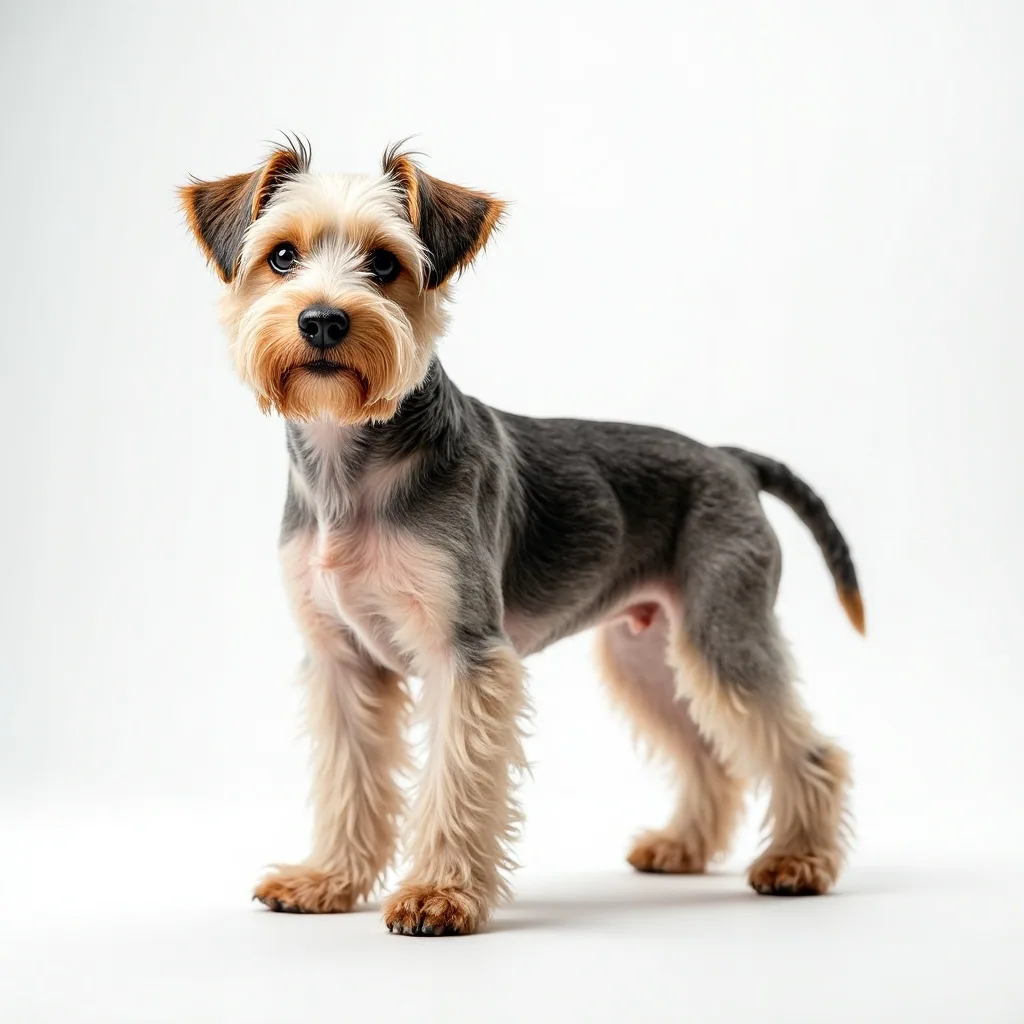
Dandie Dinmont Terrier scorecard
Overview
The Dandie Dinmont Terrier is one of Britain's most distinctive native terriers: a long, low-bodied little dog with a large, expressive head crowned by a silky topknot, set on short legs. Standing around 20–28 cm at the shoulder and weighing roughly 8–11 kg, it comes in two characteristic colours, 'pepper' (bluish-grey) and 'mustard' (reddish-fawn). The Kennel Club recognises it within the Terrier group, and it has the dubious distinction of being one of Britain's most vulnerable native breeds, with very low annual registrations.
Despite its small size and dignified looks, the Dandie is a true working terrier at heart — bold, tenacious and surprisingly deep-voiced, with a bark that belies its stature. At home, though, it is affectionate, calm and companionable, generally less hyperactive than many terriers. It makes a characterful, adaptable companion for owners who appreciate an independent terrier temperament wrapped in an unusual and charming package.
Good to know — a Dandie Dinmont Terrier is best with a garden and good for first-time owners. Every dog is an individual, so meet a few and chat to a good breeder or rescue before deciding.
Save the Dandie Dinmont Terrier guide
Thinking about a Dandie Dinmont Terrier? Pop your email in and we’ll send this guide so you can come back to it any time — handy while you compare breeds.
Popular searches for the Dandie Dinmont Terrier
History & origins
The breed comes from the Scottish Borders and the surrounding hill country, where farmers and gypsies used long-bodied terriers to hunt otters, badgers and vermin. It is unique in being named after a fictional character: Dandie Dinmont, a farmer in Sir Walter Scott's 1815 novel 'Guy Mannering', who kept a pack of such terriers. The novel's popularity gave the breed its name and helped fix its identity.
The Dandie Dinmont is among the oldest formally recognised terrier breeds, with a breed club founded in the 1870s — one of the earliest in the dog world. Although it was once more numerous, its popularity declined over the 20th century, and today it is officially listed by the Kennel Club as a vulnerable native breed in need of support.
Temperament & family fit
Dandie Dinmonts are affectionate, dignified and devoted to their families, with a more laid-back temperament than many of their terrier cousins. They tend to form strong bonds with their people and enjoy companionship, often settling calmly at home while retaining the boldness and self-confidence typical of working terriers. They can be reserved with strangers and possess a notably deep bark for such a small dog.
The terrier independence is still very much present: they have their own ideas, a strong prey drive towards small animals, and a tenacious streak when something catches their interest. Generally good with children and able to live with other dogs when socialised, they nonetheless appreciate respectful handling and clear boundaries. Their blend of calmness indoors and grit outdoors gives them a great deal of character.
- Families with older, respectful children
- Committed first-time owners
- Homes with a secure garden
Training & intelligence
The Dandie is intelligent and capable of learning well, but its independent terrier mind means it responds best to patient, positive and consistent training rather than repetitive drilling. Keeping sessions short, rewarding and interesting helps maintain attention, and early socialisation supports good manners around people and other animals.
As with most terriers, recall and impulse control deserve focus given the breed's prey drive and self-reliant nature. Harsh handling tends to make a Dandie more stubborn, whereas a fair, encouraging approach brings out its willingness to cooperate. Owners who respect its independence rather than fighting it will find it a rewarding and responsive companion.
- Start socialisation & handling early
- Reward-based methods only — no harsh corrections
- Keep sessions short, calm and consistent
Exercise needs
A healthy adult Dandie Dinmont Terrier typically needs around an hour a day (roughly 60–80 minutes), split across walks, play and a little training. A good sniffy walk, some play and a little training usually keeps them content. Puppies, seniors and dogs with health conditions need adjusted amounts — check with your vet.
Grooming & coat
The Dandie's distinctive double coat — a crisp topcoat over a soft undercoat, with that characteristic silky topknot — needs regular care. The coat is traditionally hand-stripped to maintain its texture, or clipped and trimmed by owners who prefer it, along with regular brushing to prevent matting. Routine attention to the topknot, ears, nails and teeth keeps the dog comfortable and smart. It is a low-shedding breed, which suits some owners well.
- Brush several times a week
- Bathe every few weeks or as needed
- Check ears, nails and teeth weekly
Feeding a Dandie Dinmont Terrier
Feed a complete, good-quality diet appropriate to the dog's age and size, in measured portions. Because the breed has a long back and a tendency to put on weight if overfed, keeping it lean is particularly important to reduce strain on the spine and joints. Monitor body condition, account for treats within the daily total, and ensure fresh water is always available.
A small breed
An adult Dandie Dinmont Terrier typically weighs 8–11 kg, so a healthy Dandie Dinmont Terrier eats a modest amount compared with other breeds. Every feeding guide on a bag is written per kilo of body weight, not per breed — start there, then adjust to the dog in front of you.
Life stage
A small breed is usually done growing at 10–12 months, which is roughly when a puppy food has finished its job. With a typical lifespan of 12–15 years, there is a long adult stretch in the middle; switch to a senior food when your vet thinks it is worth it rather than on a birthday.
Joint support is worth looking for
Their size and frame put more load through the joints than a smaller dog carries, so a food with joint support on the label is worth reading for — and keeping them lean does more for their joints than any supplement.
Weight matters more than usual here
A long back or a heavy frame makes every extra kilo count twice. Weigh portions rather than eyeballing a scoop, and reduce the food rather than the walks if the waist starts to disappear.
Small mouths, crowded teeth
Smaller breeds get dental disease more often than big ones, largely because the same number of teeth are packed into a shorter jaw. Kibble size is worth checking, and a dental chew counts towards the daily 10% of calories from treats.
How much should a Dandie Dinmont Terrier weigh?
Adult 8–11 kgfully grown at 10–12 months
| Age | Stage | Typical weight | Of adult size |
|---|---|---|---|
| 8 weeks | Just home | 1.3–1.8 kg | 17% |
| 3 months | Young puppy | 2.2–3 kg | 27% |
| 6 months | Growing fast | 4.3–6 kg | 54% |
| 10–12 months | Fully grown | 8–11 kg | 100% |
A guide, from the same rule of thumb our puppy growth predictor uses — each age is that share of the way to maturity for a small breed. Puppies grow fastest early, so a real puppy usually sits a little above the middle rows. Weigh yours and ask your vet if the number worries you.
Complete dog foods that suit a Dandie Dinmont Terrier
Complete foods from our range, matched to a Dandie Dinmont Terrier's size band and what the breed typically needs. Stock levels and delivery dates are live on each product.


Pedigree Can in Jelly Puppy 6 Pack
Complete Pedigree puppy food in jelly with chicken, lamb and poultry recipes
£10.15

Field & Trial Skinner S Field Trial Light Senior
A lower-fat dry food for older, overweight or less active dogs, including working breeds
From£9.85

Autarky Complete Grain Free Adult Turkey
Grain-free complete dry food for adult dogs, with turkey and a marine-algae joint care package
£12.79

Autarky Grain Free Tasty White Fish & Potato Complete
Grain-free dry dog food built around white fish meal rather than poultry
£12.99

Lily's Kitchen Lily S Kitchen Dog Lovely Lamb
Complete lamb-led dry dog food offered in two practical bag sizes
From£25.15

Burgess Greyhound and Lurcher Chicken
Complete adult dry food formulated for the specific build of greyhounds and lurchers
£35.35

Naturo Senior Rice Poultry Variety 6pk
Six 400g trays across three recipes for senior dogs, with glucosamine and chondroitin
£10.29

Naturo Senior Dog Turkey with Rice and Vegetables 7pk
Turkey at 65% in a senior wet tray, with brown rice, vegetables and added joint support
£11.99

Vitalin Adult Dog Farmhouse Chicken
Complete dry dog food for adult and senior dogs, chicken and vegetable based
From£11.99

Vitalin Adult Dog Small Breed Chicken with Thyme & Root Veg
A chicken kibble for small adult and senior dogs, with citrus extract for dental support
£13.99
Dandie Dinmont Terrier health & costs
Before bringing a Dandie Dinmont Terrier home it pays to budget for the whole picture — food, insurance, grooming and routine vet care all add up. The figures below are typical UK estimates for a healthy adult; your real costs vary with where you live, your dog's health and the cover you choose.
Food
£250–400 / year
Complete food sized to weight & life stage
Insurance
£15–32 / month
Lifetime cover — varies by age, breed & area
Grooming
£120–300 / year
Occasional pro + home brushing
Routine vet care
£200–450 / year
Vaccines, flea/worm, annual check
The Dandie Dinmont is generally a sturdy little dog, but its long-backed conformation means spinal problems, particularly intervertebral disc disease, are a recognised concern, as in other long, low breeds. Keeping the dog at a healthy weight and discouraging excessive jumping helps protect the back. Certain eye conditions and primary glaucoma have also been reported in the breed.
Because it is a numerically very small breed, owners should pay particular attention to a breeder's health-testing records and the history of the lines. Routine preventive care — vaccination, parasite control, dental hygiene and weight management — supports a healthy life, and the breed often reaches 12–15 years.
Common health conditions to be aware of
- Intervertebral disc disease — spinal disc problems linked to the long back; weight control and avoiding heavy jumping help reduce risk
- Primary glaucoma — raised pressure within the eye reported in the breed, which can threaten sight if untreated
- Cheyletiella mange — a skin mite sometimes seen in the breed, causing scaling and itchiness
- Hypothyroidism — an underactive thyroid that can cause weight gain and coat changes; manageable with treatment
- Obesity — easy to develop and especially harmful given the breed's spinal conformation
These reflect typical, size- and coat-related risks for dogs like the Dandie Dinmont Terrier; individual breeds carry their own predispositions. Always buy from health-tested parents and speak to your vet — this isn't a diagnosis.
Protect against surprise bills
A single emergency can run into thousands. Lifetime insurance spreads the risk.
Estimate insurance →How pet insurance works →Puppy & senior care
Bringing home a Dandie Dinmont Terrier puppy
Puppies need controlled exercise (a rough guide is five minutes per month of age, twice a day) to protect growing joints, little-and-often meals of a complete puppy food, early socialisation, and a calm routine for toilet training and sleep. Book first vaccinations, microchipping and a vet check early.
New puppy checklist →Caring for a senior Dandie Dinmont Terrier
As they age, watch weight, joints and teeth, switch to a senior diet if your vet advises, keep exercise gentle but regular, and consider orthopaedic bedding and ramps. Twice-yearly vet checks help catch issues early.
Orthopaedic beds & mobility →Pros & cons
The good bits
- Affectionate and calmer than many terriers
- Characterful, adaptable companion
Things to consider
- Coat needs regular hand-stripping or trimming
- Independent terrier streak and a deep bark
Compare the Dandie Dinmont Terrier
See how the Dandie Dinmont Terrier measures up against similar breeds before you decide:
More breeds like the Dandie Dinmont Terrier
Same breed group
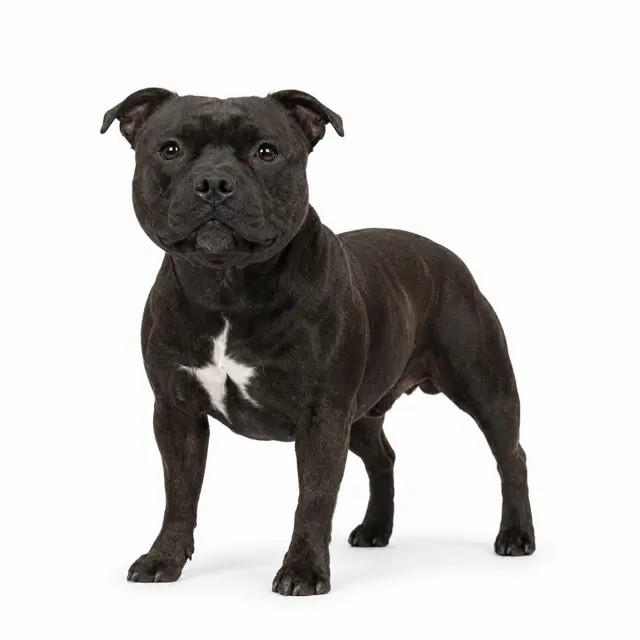
Staffordshire Bull Terrier
Affectionately known as the "nanny dog" — devoted, people-loving and famously gentle with children.
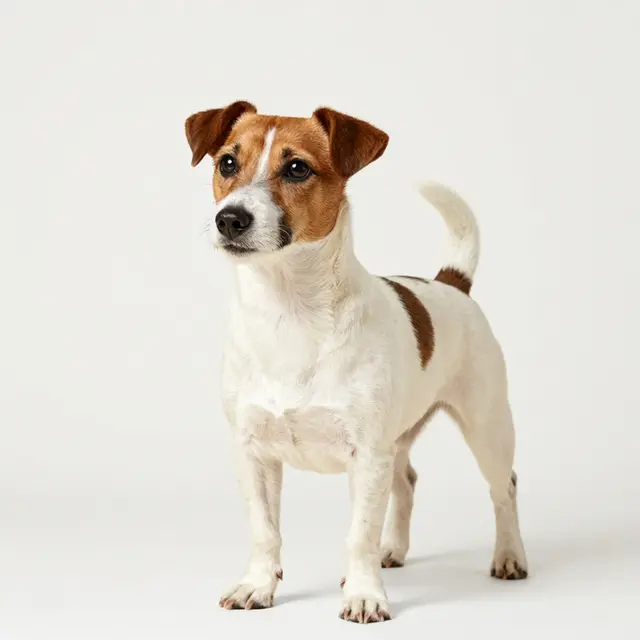
Jack Russell Terrier
A small dog with a huge personality — bold, clever and bursting with energy and prey drive.
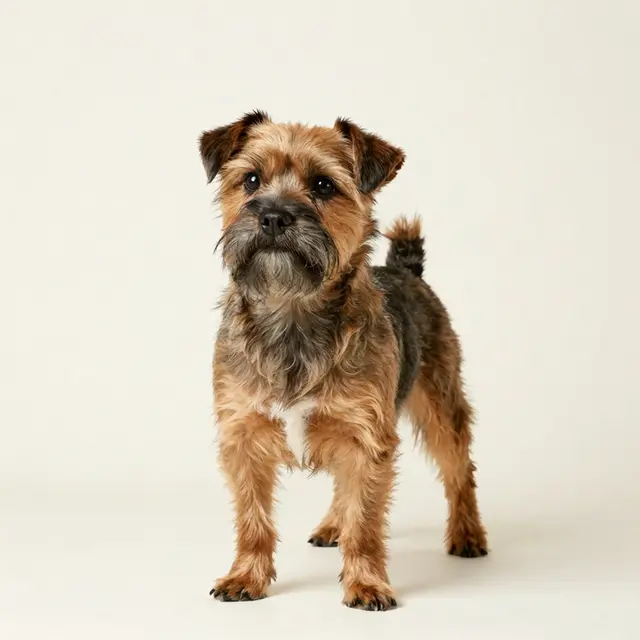
Border Terrier
A hardy, good-natured working terrier that’s friendlier with people and dogs than many of its terrier cousins.
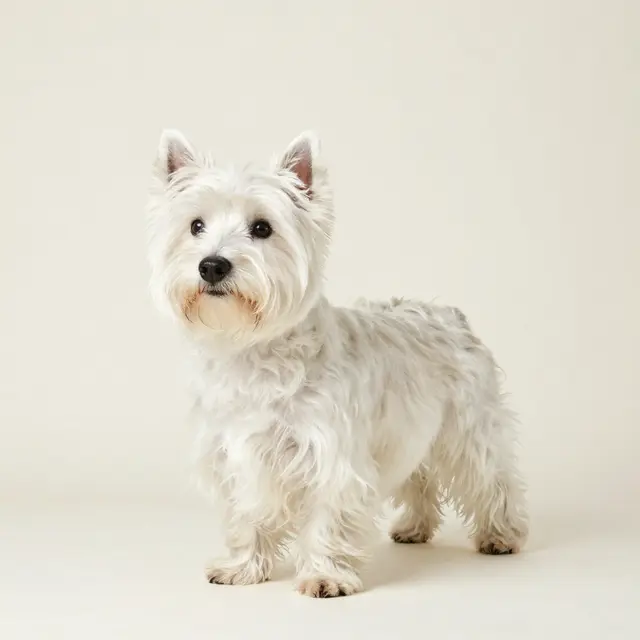
West Highland White Terrier
A confident, friendly little terrier — the "Westie" is hardy, characterful and adaptable to smaller homes.
Similar temperament
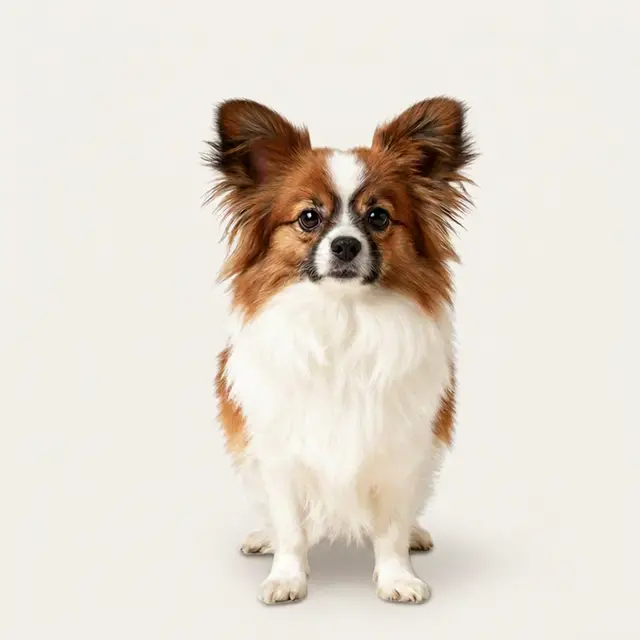
Papillon
The butterfly-eared toy — one of the smartest small breeds, surprisingly active and very trainable.
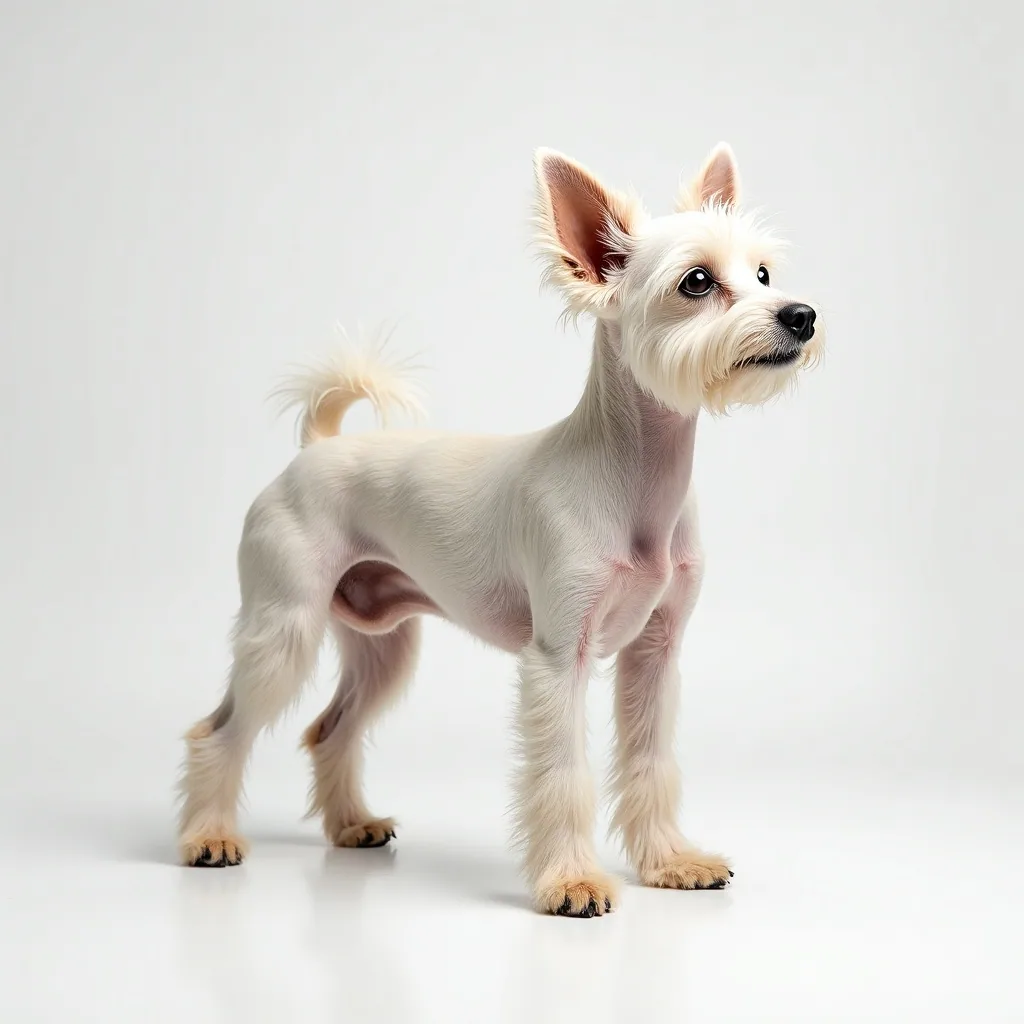
Chinese Crested Dog
A distinctive toy companion that comes in a near-hairless variety and a fully coated 'Powderpuff'. Affectionate, playful and people-oriented, but the bare skin needs sun and cold protection.
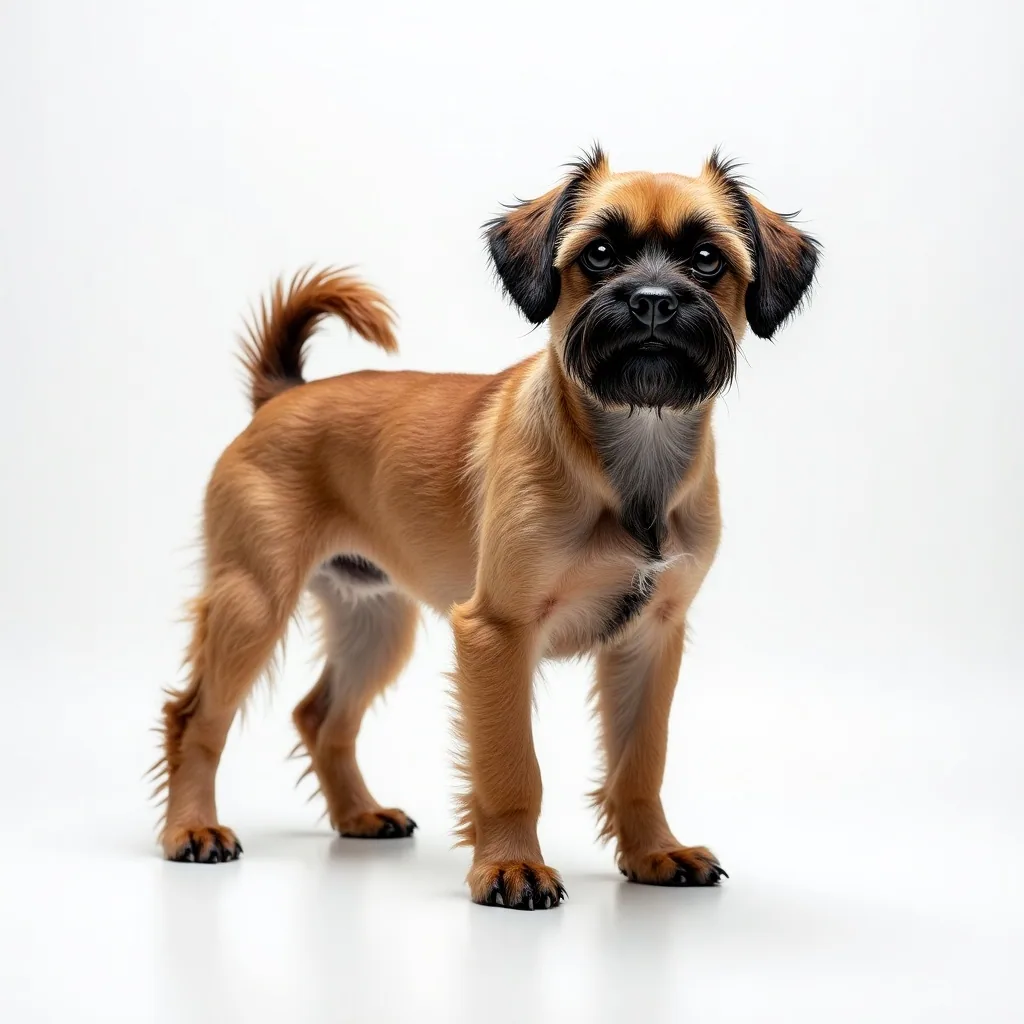
Griffon Bruxellois
A small, expressive Belgian toy dog with a near-human face. Affectionate, confident and devoted to its owner, making a charming companion but rather demanding of attention.
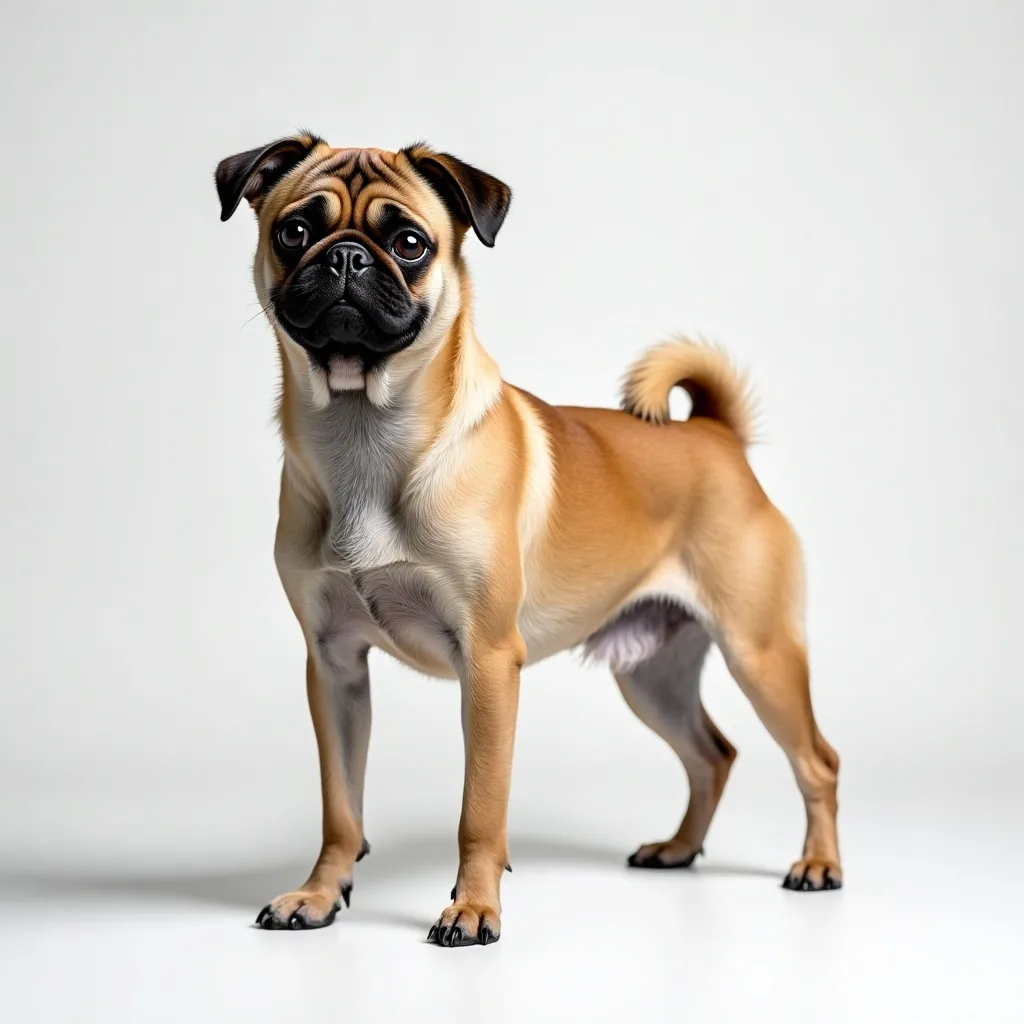
Pugshire
A tiny, affectionate cross of the charming Pug and the spirited Yorkie. Playful and companionable, but small and variable in coat and face shape; some may inherit the Pug's breathing sensitivity.
Similar size, different type
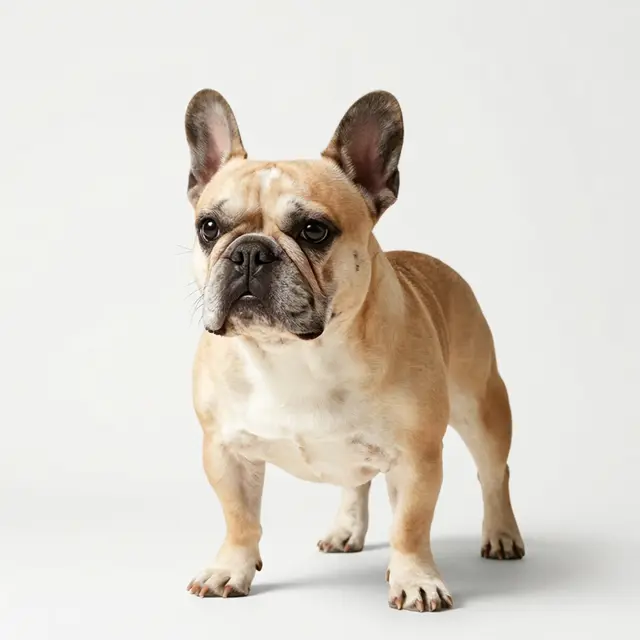
French Bulldog
A compact, easy-going companion that suits flats and modest exercise — but with serious health considerations.
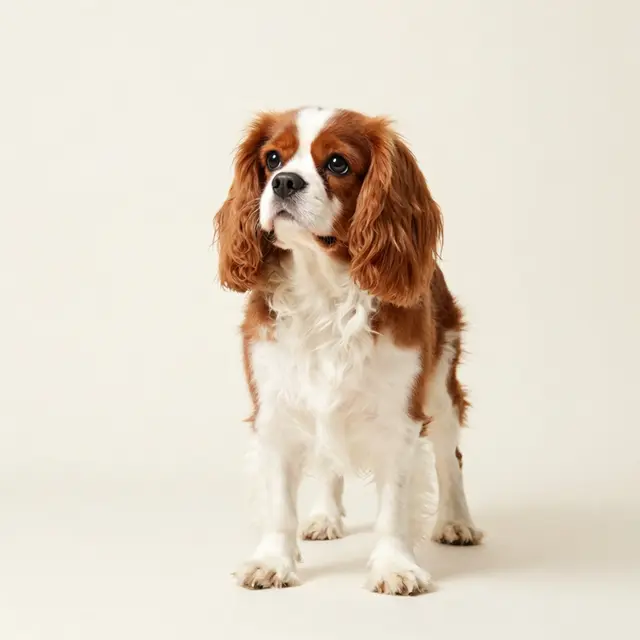
Cavalier King Charles Spaniel
A gentle, affectionate lap dog that’s wonderful with children and adapts happily to flat or house living.
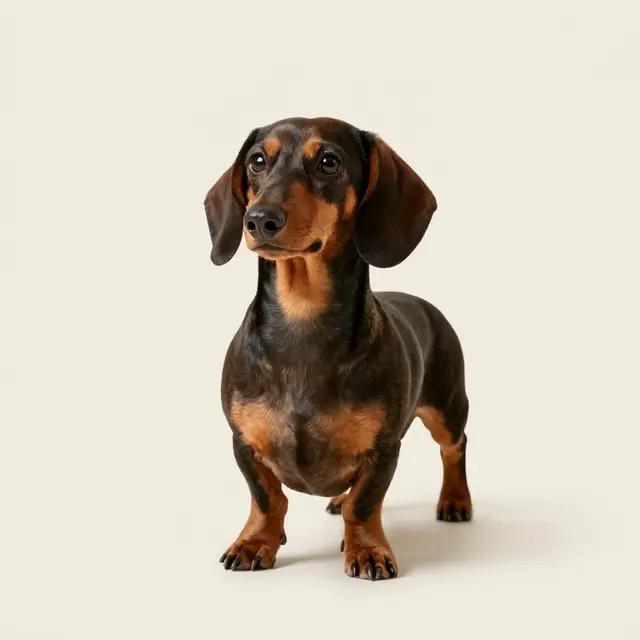
Dachshund
A bold, characterful "sausage dog" that suits smaller homes but needs careful handling of its long back.
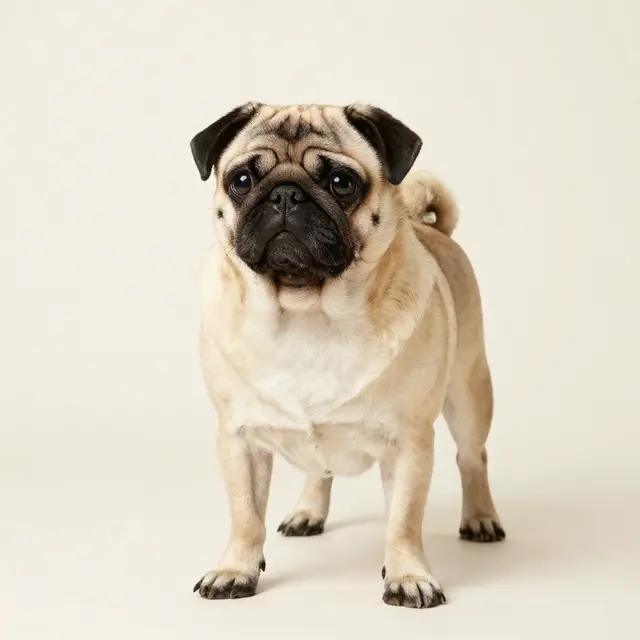
Pug
A charming, comical lap dog that’s content in a flat — but a flat face brings real health considerations.
Is the Dandie Dinmont Terrier your breed?
Create your pet profile and get personalised food, toy, insurance and health recommendations — tailored to your dog.
Frequently asked questions
What does a Dandie Dinmont Terrier look like?
The Dandie Dinmont is a long, low-bodied little terrier with a large, expressive head crowned by a silky topknot, set on short legs. It stands around 20–28 cm at the shoulder and weighs roughly 8–11 kg, and comes in two characteristic colours: 'pepper' (bluish-grey) and 'mustard' (reddish-fawn). It is one of Britain's most distinctive and rare native terriers.
What is the Dandie Dinmont Terrier's temperament like?
Despite its working-terrier grit, the Dandie is more laid-back than many terrier cousins. At home it is affectionate, dignified and calm, forming strong bonds with its family, while outdoors it stays bold, tenacious and self-confident. It can be reserved with strangers and has a notably deep bark for such a small dog, along with a strong prey drive.
Are Dandie Dinmont Terriers good with children and other dogs?
They are generally good with children and can live happily with other dogs when properly socialised. They are affectionate and devoted, settling calmly indoors, but they appreciate respectful handling and clear boundaries. Their terrier prey drive towards small animals means care is needed around smaller pets, and early socialisation supports good manners around people and other animals.
How do you groom a Dandie Dinmont Terrier?
The distinctive double coat — a crisp topcoat over a soft undercoat, with the silky topknot — needs regular care. It is traditionally hand-stripped to maintain its texture, or clipped and trimmed by owners who prefer it, plus regular brushing to prevent matting. The breed is low-shedding, and routine attention to the topknot, ears, nails and teeth keeps it comfortable.
What health problems do Dandie Dinmont Terriers have?
Their long-backed conformation means spinal problems, particularly intervertebral disc disease, are a recognised concern, as in other long, low breeds. Keeping the dog lean and discouraging excessive jumping helps protect the back. Certain eye conditions and primary glaucoma have also been reported. As a numerically tiny breed, pay close attention to a breeder's health-testing records and line history.
How much exercise does a Dandie Dinmont Terrier need?
It is moderately active, needing regular daily walks plus chances to explore and use its nose, but not the relentless exercise of a working sheepdog. A couple of good walks a day, supplemented with play and some mental stimulation, generally keeps it content. Its long-backed build means jumping and rough activity should be moderated to protect the spine.
How long do Dandie Dinmont Terriers live?
The Dandie is generally a sturdy little dog and often reaches 12–15 years. Keeping it at a healthy weight, protecting its long back, and maintaining routine preventive care — vaccination, parasite control and dental hygiene — all support a long life. As one of Britain's most vulnerable native breeds, it has very low annual registrations.
Are Dandie Dinmont Terriers good with children?
Fine with sensible, older children. As a general guide, Dandie Dinmont Terriers tend to be fine with sensible, older children. Whatever the breed, always supervise dogs and young children and teach kids to interact gently.
How much exercise does a Dandie Dinmont Terrier need?
As a healthy adult, a typical Dandie Dinmont Terrier needs around an hour of exercise a day (60–80 minutes), split across walks plus play. A good sniffy walk plus some play and training usually keeps them happy. Puppies, seniors and dogs with health conditions need less — ask your vet.
Do Dandie Dinmont Terriers shed a lot?
Low shedding. Coat upkeep is regular brushing — brush regularly to keep the coat in good condition.
Are Dandie Dinmont Terriers easy to train and good for first-time owners?
Good for first-time owners. Dandie Dinmont Terriers are generally a forgiving choice for first-time owners who put in early training and socialisation. Reward-based training and early socialisation help any dog.
Do Dandie Dinmont Terriers bark a lot?
Moderate barker. They are usually fairly easy-going about barking, though any dog will bark if bored or under-exercised.
Are Dandie Dinmont Terriers good with other dogs?
Generally fine with other dogs. Early, positive socialisation with other dogs from a young age makes a big difference.
Do Dandie Dinmont Terriers suit flats or smaller homes?
Best with a garden. A Dandie Dinmont Terrier is happiest with access to a secure garden and regular outdoor exercise.
Sources
- The Kennel Club (UK) — Dandie Dinmont Terrier breed information and vulnerable native breeds — https://www.thekennelclub.org.uk/breed-standards/terrier/dandie-dinmont-terrier/
- Fédération Cynologique Internationale (FCI) breed standard, Dandie Dinmont Terrier (No. 168) — https://www.fci.be/en/nomenclature/DANDIE-DINMONT-TERRIER-168.html
- PDSA — Dog health and care advice — https://www.pdsa.org.uk/pet-help-and-advice
Recommended for your Dandie Dinmont Terrier
Matched to a Dandie Dinmont Terrier's size and their typical need for dental care, ramps & easy access, joint & mobility support.


Bugalugs Hemp Oil for Dogs & Cats – 50ml
A natural, UK-made hemp seed oil supplement rich in Omega-3, -6, and -9 to support calmness, joint mobility, and a healthy, glossy coat.
£13.99

L-Shaped Bolster Sofa Dog Bed
A supportive L-shaped sofa bed with a raised bolster back and side for your dog to rest their head. The thick padded base cushions joints, and the soft rose-velvet cover is removable and washable for easy care.
From£44.99

Non-Slip Grip Dog Socks
Knitted dog socks with a generous rubber grip print across the sole to stop slipping on hard floors and protect paws. An adjustable hook-and-loop strap keeps each sock securely in place.
£7.99

Dog Recovery Boot for Injured Paws
A protective paw boot that shields healing wounds, torn pads, bleeding toes and damaged nails. Soft yet durable with adjustable straps, it keeps the injury clean and lets your dog walk in comfort.
From£10.99

Inflatable Pet Recovery Collar
A soft inflatable recovery collar that stops pets nibbling or scratching wounds after surgery, a comfortable alternative to a rigid cone. Padded ring with adjustable snap closure lets your pet eat, drink and sleep with ease.
From£12.99

NanoSanitas Advanced No-Brush Dental Gel for Dogs & Cats
A brush-free dental gel for dogs and cats, formulated with silver nanoparticles and papaya extract to help reduce plaque and freshen breath.
£14.99
Suggestions based on breed traits — always check sizing and suitability for your individual dog.
Got a Dandie Dinmont Terrier? Save them to a pet profile for tailored picks across the whole site.
Happier, healthier pets — in your inbox.
Breed care tips, seasonal advice and first access to new arrivals. No spam, unsubscribe anytime.
Every dog is an individual — temperament and needs vary. Please research thoroughly, meet dogs in person, and consider adopting from a rescue. This is general guidance, not a substitute for advice from your vet or a qualified trainer.