


How to Choose the Right Dog Bed (Size & Type Guide)
Choosing a dog bed sounds simple until you're stood in the aisle guessing. Here's how I size and match a bed properly — by measuring nose-to-tail, reading your dog's sleeping style, and picking the right type and support for their age. Practical, founder's-eye guidance, not vet advice.
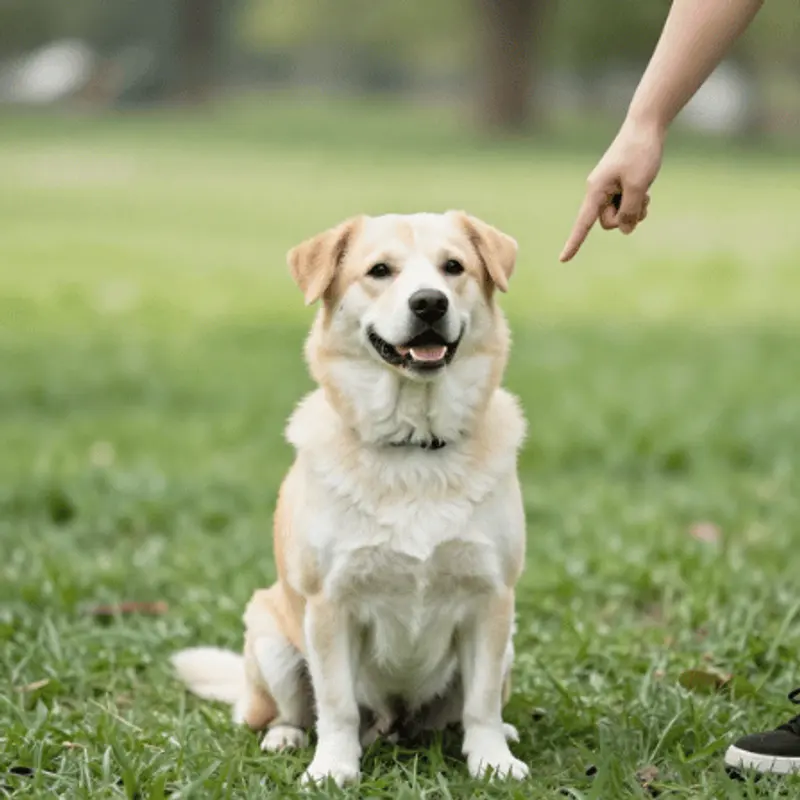
The quick answer
With your dog standing relaxed, measure from the tip of the nose to the base of the tail (not the end of the tail). Add roughly 20–30cm to that length so they can stretch, turn and shift position without hanging off the edge.
I've lost count of the dog beds I've bought that ended up being the wrong shape, the wrong size, or impossible to wash. Your dog spends a huge chunk of their life asleep — adult dogs sleep roughly 12–14 hours a day, puppies up to around 20, and older dogs often 16–18 — so the bed isn't a nice-to-have, it's a piece of kit they use more than almost anything else you'll buy them. Get it right and you'll notice: they settle faster, they sleep deeper, and an older dog gets up in the morning a little less stiff.
This is lived-experience guidance from running Giddy Pets and kitting out my own dogs, not veterinary advice. If your dog has a diagnosed joint condition, pain, or a sudden change in how they sleep, talk to your vet — a bed supports comfort, it doesn't treat illness.
Start by measuring your dog (not guessing)
The single most common mistake is buying by eye. Don't. Get a soft tape measure and do it properly.
Length: With your dog standing in a relaxed, natural position, measure from the tip of the nose to the base of the tail — not the end of the tail. Including the full tail gives you a bed that's needlessly huge. That nose-to-base-of-tail figure is your starting length.
Add a curl-and-stretch allowance: Dogs rarely lie in a neat rectangle. Add roughly 20–30cm to that length so they can stretch out, shift position and turn around without a paw or a head hanging off the edge.
Width and height: Measure shoulder height (top of the shoulder to the floor) to get a feel for how wide and deep the bed needs to be, and how tall any bolster walls should sit. A good rule: bolsters want to be high enough to rest a chin on, low enough to step over easily.
Quick size chart
Use your measured length plus the 20–30cm allowance to land in a bracket. These are rough guides — always check the bed's own dimensions:
- Small (up to ~50cm internal): Chihuahuas, Dachshunds, Yorkies, small terriers, French Bulldogs.
- Medium (~60–75cm internal): Cockers, Spaniels, Beagles, Border Collies, Staffies.
- Large (~80–100cm internal): Labradors, Goldens, Boxers, German Shepherds.
- Giant (100cm+ internal): Great Danes, Newfoundlands, Mastiffs, large Doodles.
The golden rule from the RSPCA is simply that the bed should be big enough for your dog to lie comfortably in all their natural positions — curled, stretched on one side, and flat out. If in doubt, size up.
Read your dog's sleeping style
Watch how your dog actually sleeps for a few nights. It tells you more than any chart.
- Curlers tuck into a tight ball (the "donut"). It conserves warmth and feels secure. They love beds with raised sides to lean into.
- Sprawlers stretch right out, often on their side or belly, especially when warm or fully relaxed. They need flat, open space — and they're the ones who must size up.
- Burrowers like to dig in and disappear under something. A cave, hooded or blanket-style bed suits them.
- Leaners rest their head or back against a wall or edge. Bolster and donut beds give them that support.
Most dogs are a mix, but they'll have a dominant habit. Match the bed to it.
Bed types explained — and who each suits
Bolster beds have a mattress base with raised sides on two or three edges. Brilliant for curlers and leaners who want something to rest a chin or spine against. One thing to watch: those raised walls eat into the sleeping area, so a bed that looks big on the outside can be snug inside. Always check the interior dimensions, not just the overall footprint.
Orthopaedic memory-foam beds use dense, supportive foam that contours to the body and spreads weight evenly, rather than letting heavy hips and shoulders sink to the floor. They're my default recommendation for seniors, heavy or large-breed dogs, and any dog that seems stiff after sleeping. Studies in arthritic dogs have linked supportive bedding to improvements in comfort and mobility, though it's worth saying research is still limited — a good bed helps, it isn't a cure.
Sofa / mattress beds are flat, open and generous. Perfect for sprawlers and for bigger dogs who just want to flop. Easy to step onto, which matters for older or less mobile dogs.
Donut / cave / hooded beds wrap around your dog. Donuts give curlers and leaners high, draught-blocking walls; cave and hooded beds suit burrowers and more anxious dogs who feel safer tucked away.
Cooling and raised beds earn their place in summer or for heat-sensitive breeds — raised designs let air flow underneath, which helps a hot dog cool down. They're a seasonal extra rather than a main winter bed for most dogs.
Matching support to age and weight
A waggy 18-month Lab and a 12-year-old arthritic one need very different beds.
- Puppies chew and have accidents — go for a hard-wearing, fully washable bed and don't spend a fortune until they've grown into their adult size.
- Adult, healthy dogs do fine on a good mattress or bolster bed; pick by sleeping style.
- Heavy and large-breed dogs need denser, deeper foam so they don't bottom out and end up resting on the floor.
- Senior dogs and those with joint issues benefit most from orthopaedic memory foam, plus a low, easy-access edge so getting in and out doesn't hurt. The RSPCA specifically flags orthopaedic or memory-foam beds for older dogs, and enclosed igloo-style beds for anxious ones.
As a rough rule, the bigger and older the dog, the more you should lean towards proper orthopaedic support.
Washability and durability
This is the bit people forget until the bed reeks. A dog bed gets muddy paws, shed fur, drool and the occasional accident. The easiest beds to live with have a removable, machine-washable cover and ideally a waterproof or water-resistant inner protecting the foam. I aim to wash covers regularly — more often for puppies, dogs with allergies, or anyone who rolls in things.
Durability matters too: chunky zips, tough fabric and chew-resistant construction last far longer than a cheap bed you'll replace twice a year. A well-made washable bed is cheaper in the long run and a lot more hygienic.
Where to put the bed
Placement is half the battle. The RSPCA's advice lines up with what works in my house:
- Warm and draught-free — away from doors, draughty hallways and cold windows.
- Out of direct sun and away from radiators — both can overheat a sleeping dog, especially dark-coated ones.
- Off the main thoroughfare — dogs need a quiet spot where they won't be stepped over mid-nap.
- Near, but not on top of, the family — dogs are social; a bed in the room you relax in lets them be with you.
A genuinely useful trick: offer two beds — one quiet bed for proper rest, one in the living space for daytime company. And if you've got more than one dog, give them at least one bed each so there's no squabbling over the comfy spot. Once a dog has claimed a bed in a consistent place, leave them undisturbed when they're on it — that spot becomes their safe base.
Common sizing mistakes to avoid
- Buying by breed name alone. Two Labradors can be very different sizes. Measure your dog.
- Forgetting the stretch allowance. A bed that fits a curled dog perfectly is too small the second they stretch out.
- Trusting the outside dimensions of a bolster. The walls steal space — check the interior.
- Sizing down to save money. Sprawlers especially end up half on the floor.
- Including the tail in your measurement and over-buying — measure to the base of the tail.
- Ignoring access for older dogs. High walls a stiff dog can't climb into will simply go unused.
Get the size right first, then match the type to how your dog sleeps and where they'll rest. Do that and you'll buy one bed that lasts, instead of a cupboard full that didn't fit.
Sources
- RSPCA — Choosing the perfect dog bed: https://www.rspca.org.uk/adviceandwelfare/pets/dogs/environment/dogbeds
- Purina UK — Dog sleeping positions and what they mean: https://www.purina.co.uk/articles/dogs/behaviour/common-questions/dog-sleeping-positions
- Earthbound UK — Dog sleeping positions: https://www.earthbounduk.com/pages/dog-sleeping-position
- D for Dog — Orthopaedic memory foam dog beds (UK): https://www.dfordog.co.uk/orthopaedic-memory-foam-dog-beds.html
- ManyPets UK — How many hours a day do dogs sleep: https://manypets.com/uk/articles/how-many-hours-a-day-do-dogs-sleep/
Common questions
How do I measure my dog for the right bed size?
With your dog standing relaxed, measure from the tip of the nose to the base of the tail (not the end of the tail). Add roughly 20–30cm to that length so they can stretch, turn and shift position without hanging off the edge. The bed should be big enough for your dog to lie comfortably in every position they use — curled, on their side, and flat out. If you're between sizes, size up.
What's the difference between a bolster bed and an orthopaedic bed?
A bolster bed has a mattress base with raised cushioned sides for dogs who like to lean or rest their chin — great for curlers. An orthopaedic bed is defined by its filling: dense memory foam that supports joints and spreads weight evenly instead of letting heavy hips sink to the floor. You can have an orthopaedic bolster bed that does both. Orthopaedic foam is the priority for seniors, large breeds and any stiff dog.
Which dog bed is best for an older dog with stiff joints?
Lean towards an orthopaedic memory-foam bed with a low, easy-access edge so getting in and out doesn't strain sore joints. Dense foam contours to the body and keeps pressure off the hips and shoulders, and the RSPCA specifically suggests orthopaedic or memory-foam beds for older dogs. It supports comfort rather than treating any condition — if your dog is in pain or suddenly less mobile, see your vet.
What size dog bed do I need for a Labrador?
Most Labradors land in the large bracket — roughly an 80–100cm internal sleeping area — but don't buy on breed name alone. Measure your individual dog nose-to-base-of-tail, add 20–30cm, and check the bed's interior dimensions, especially on bolster beds where the walls reduce the usable space. A sprawling Lab in particular should always size up rather than down.
How often should I wash my dog's bed?
Choose a bed with a removable, machine-washable cover and ideally a waterproof inner, then wash the cover regularly to keep it hygienic and odour-free. Wash more often for puppies, dogs with allergies, or any dog that gets muddy or rolls in things. Easy washability is one of the biggest practical differences between a bed you'll happily keep and one you'll bin in frustration.
Where's the best place to put my dog's bed?
Somewhere warm and draught-free, away from doors and cold windows, out of direct sunlight and not right next to a radiator. Keep it off the main walkway so your dog can rest undisturbed, but near where the family spends time, since dogs are social. Offering two beds — a quiet one and a sociable one — works well, and multi-dog homes should provide at least one bed per dog.
About the author
Matt Garnett — founder, Giddy Pets
Matt started Giddy Pets to make getting pets the good stuff simpler and fairer. Everything in these guides comes from real life with pets and a lot of trial and error — it's practical guidance, not veterinary advice. If a guide gets something wrong, tell him directly.
Advice & planning
Free tools & more guides
Practical calculators and trusted guides relevant to this product.
Read next
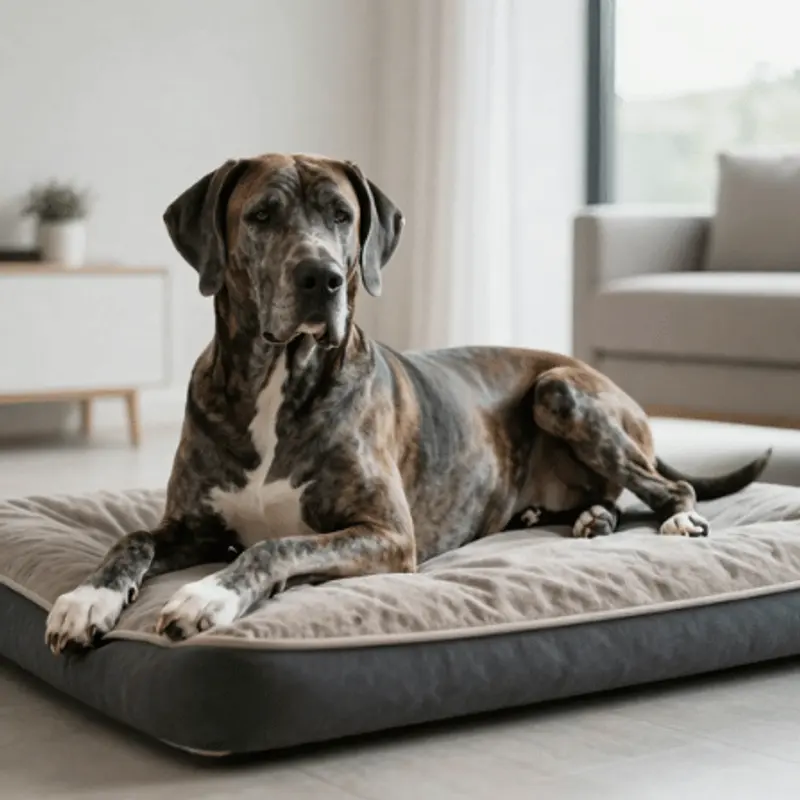
How to choose the best dog food: an owner's guide
How to read a dog food label, match food to life stage, and avoid common mistakes when picking a complete diet
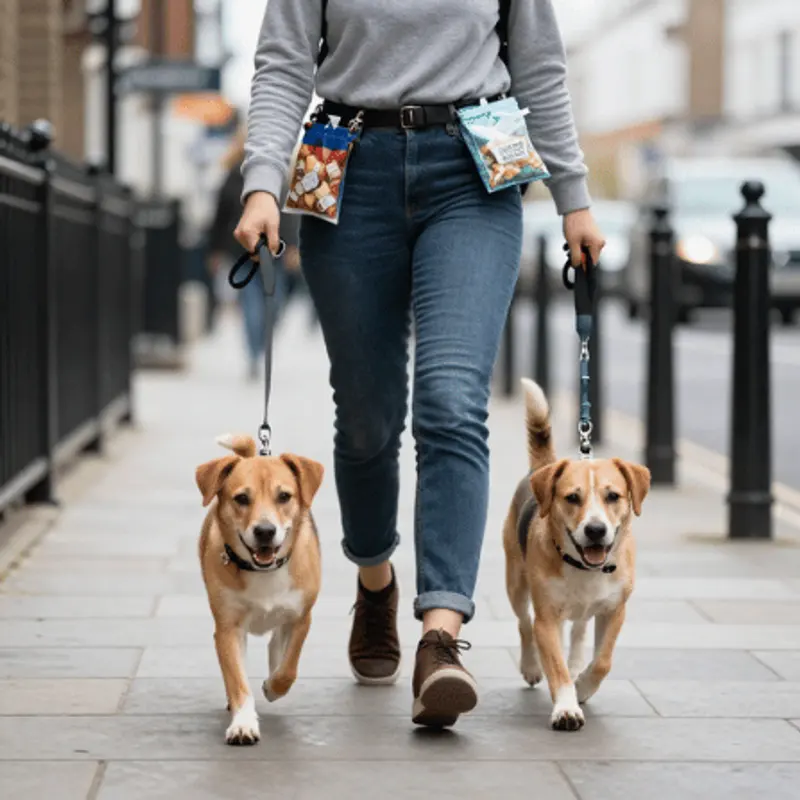
How to Choose a Dog Breed That Suits Your Life
A practical, honest guide to choosing a dog breed - matching energy, size, grooming and temperament to your home and lifestyle, and why the right fit matters more than looks.

Dog daycare: is it right for your dog?
What dog daycare involves, its real benefits and risks, UK licensing rules, and how to choose a safe, reputable provider

Dog wheelchairs: when they help and how to choose one
A practical guide to which conditions dog wheelchairs help with, the different types available, and how to choose, fit and introduce one safely