
Pembroke Welsh Corgi
A short-legged Welsh cattle-herding breed, bold and intelligent in a compact frame. Affectionate and very trainable, but vocal, prone to herding-nipping and weight gain.
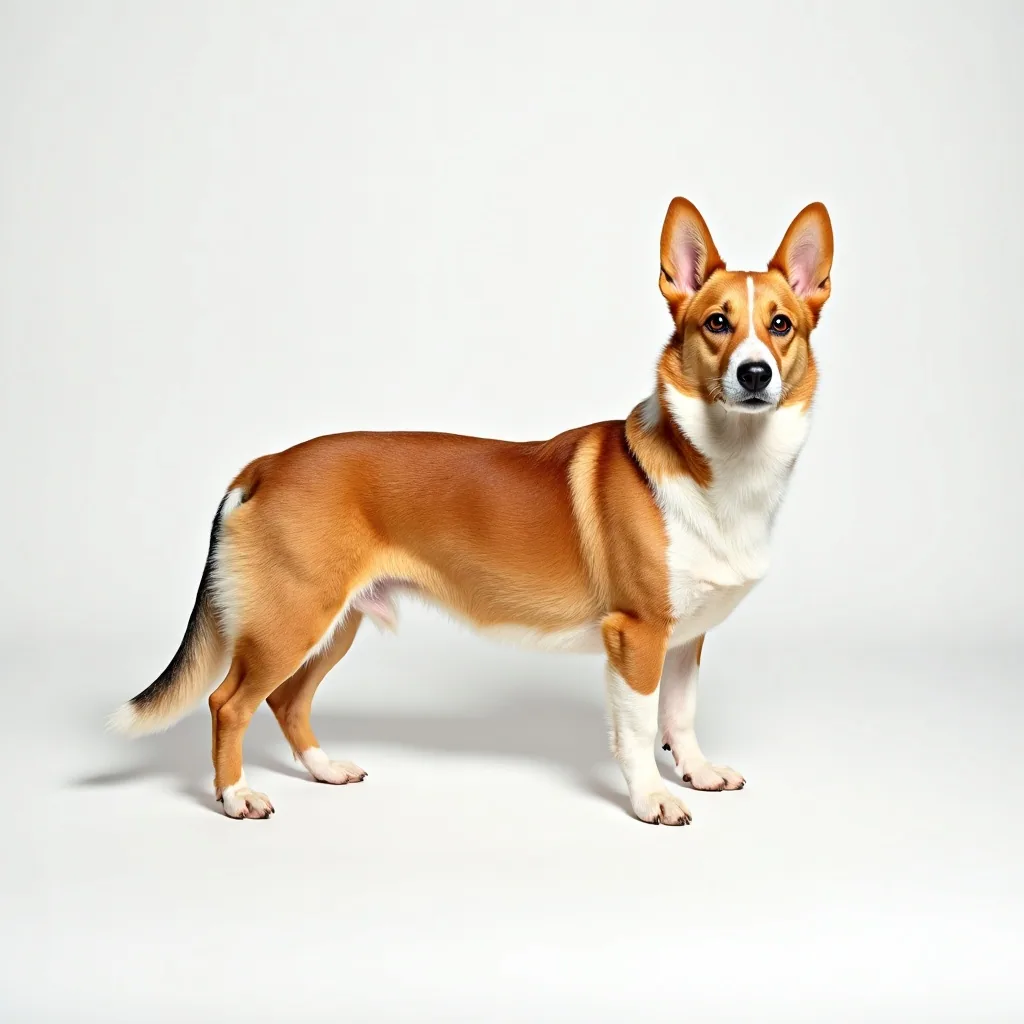
Pembroke Welsh Corgi scorecard
Overview
The Pembroke Welsh Corgi is a short-legged, long-bodied herding dog from Wales, instantly recognisable for its fox-like head, large upright ears and characteristically short or absent tail. Standing just 25–30 cm but weighing a sturdy 10–14 kg, it packs the boldness, intelligence and stamina of a true cattle-herding breed into a compact frame. The Pembroke is the more popular of the two Welsh corgi breeds and is famous worldwide for its long association with Queen Elizabeth II.
Affectionate, alert and highly trainable, the Pembroke makes a charming and adaptable family companion that fits most homes. It is also vocal, prone to herding-style nipping at heels, a heavy seasonal shedder and very fond of food, so it needs sensible management to stay well behaved and at a healthy weight. With early training and plenty of company and activity, it is a bright, devoted and good-humoured dog.
Good to know — a Pembroke Welsh Corgi is best with a garden and good for first-time owners. Every dog is an individual, so meet a few and chat to a good breeder or rescue before deciding.
Popular searches for the Pembroke Welsh Corgi
History & origins
Corgis have herded cattle in Wales for centuries, driving stock by nipping at their heels and using their low stature to avoid kicks. The Pembroke Welsh Corgi and the Cardigan Welsh Corgi were once shown together but were recognised as separate breeds by The Kennel Club in 1934, the Pembroke being distinguished by its typically shorter tail, lighter build and finer bone.
The breed gained enormous public profile through the British royal family, particularly Queen Elizabeth II, who owned many Pembroke corgis over her lifetime. Despite this fame, Pembroke registrations in the UK declined enough at one point for The Kennel Club to monitor the breed, though interest has since revived.
Temperament & family fit
Pembrokes are bold, intelligent and outgoing, with an affectionate and lively nature that makes them engaging companions. They typically bond closely with their families, enjoy being involved in daily life and are usually good with children. Their herding heritage gives them a confident, sometimes bossy personality in a small package.
That heritage also makes them alert and vocal, quick to bark at activity, and prone to nipping at moving feet or heels, a behaviour that needs redirecting, especially around young children. They are generally sociable but can be reserved with strangers, and good early socialisation helps them grow into the steady, friendly adults the breed is known for.
- Families with children of all ages
- Committed first-time owners
- Homes with a secure garden
Training & intelligence
The Pembroke is highly intelligent and very trainable, consistently ranked among the more biddable herding breeds, and it responds enthusiastically to reward-based methods, particularly when food is involved. Because it learns quickly, it picks up both good and bad habits readily, so consistency matters. Early socialisation and training help curb the natural tendencies to bark and to herd by nipping.
Mental stimulation is as important as physical exercise for this clever breed, and it enjoys training games, trick work and dog sports such as obedience and agility. Keeping sessions positive and varied makes the most of its quick mind and eagerness to please.
- Start socialisation & handling early
- Reward-based methods only — no harsh corrections
- Keep sessions short, calm and consistent
Exercise needs
A healthy adult Pembroke Welsh Corgi typically needs around an hour a day (roughly 60–80 minutes), split across walks, play and a little training. A good sniffy walk, some play and a little training usually keeps them content. Puppies, seniors and dogs with health conditions need adjusted amounts — check with your vet.
Grooming & coat
The Pembroke has a weatherproof double coat that is fairly easy to maintain day to day but sheds heavily, especially during seasonal moults when more frequent brushing is needed to manage the loose undercoat. Regular brushing, ideally several times a week, keeps the coat healthy and the shedding under control. Routine attention to nails, teeth and the large upright ears rounds out a manageable grooming routine.
- Brush several times a week
- Bathe every few weeks or as needed
- Check ears, nails and teeth weekly
Feeding considerations
Feed a complete, good-quality diet suited to the dog's age and activity level, and be especially careful with portion sizes and treats, as the Pembroke is notably food-motivated and prone to weight gain. Excess weight is particularly harmful in a long-backed breed because it increases strain on the spine and joints, so maintaining a lean body condition is important. Provide fresh water at all times and seek veterinary advice on feeding and any weight management.
Pembroke Welsh Corgi health & costs
Before bringing a Pembroke Welsh Corgi home it pays to budget for the whole picture — food, insurance, grooming and routine vet care all add up. The figures below are typical UK estimates for a healthy adult; your real costs vary with where you live, your dog's health and the cover you choose.
Food
£250–400 / year
Complete food sized to weight & life stage
Insurance
£15–32 / month
Lifetime cover — varies by age, breed & area
Grooming
£120–300 / year
Occasional pro + home brushing
Routine vet care
£200–450 / year
Vaccines, flea/worm, annual check
Pembroke Welsh Corgis typically live around 12–15 years. The breed's long back and short legs (a form of chondrodystrophy) predispose it to intervertebral disc disease, making weight control and care with jumping important. Hip dysplasia is also seen, and breeders are advised to use the BVA/Kennel Club hip scheme.
The breed is associated with several inherited conditions for which DNA tests exist, including degenerative myelopathy (a progressive spinal cord disease) and certain forms of progressive retinal atrophy, as well as von Willebrand's disease, a bleeding disorder. Eye testing and use of available DNA tests by breeders help reduce risk. Keeping the dog lean and protecting the back are the most useful everyday health measures owners can take.
Common health conditions to be aware of
- Intervertebral disc disease — the long back and chondrodystrophic build predispose corgis to disc problems; keep the dog lean and limit jumping.
- Degenerative myelopathy — a progressive, inherited spinal cord disease causing hindlimb weakness; a DNA test is available.
- Hip dysplasia — malformation of the hip joint; breeding dogs should be hip-scored under the BVA/KC scheme.
- Progressive retinal atrophy — inherited retinal degeneration leading to blindness, with DNA testing available for some forms.
- Von Willebrand's disease — an inherited clotting disorder recognised in the breed, with DNA testing available.
- Obesity — the breed's strong appetite makes weight gain common and especially risky for its spine and joints.
These reflect typical, size- and coat-related risks for dogs like the Pembroke Welsh Corgi; individual breeds carry their own predispositions. Always buy from health-tested parents and speak to your vet — this isn't a diagnosis.
Protect against surprise bills
A single emergency can run into thousands. Lifetime insurance spreads the risk.
Estimate insurance →How pet insurance works →Puppy & senior care
Bringing home a Pembroke Welsh Corgi puppy
Puppies need controlled exercise (a rough guide is five minutes per month of age, twice a day) to protect growing joints, little-and-often meals of a complete puppy food, early socialisation, and a calm routine for toilet training and sleep. Book first vaccinations, microchipping and a vet check early.
New puppy checklist →Caring for a senior Pembroke Welsh Corgi
As they age, watch weight, joints and teeth, switch to a senior diet if your vet advises, keep exercise gentle but regular, and consider orthopaedic bedding and ramps. Twice-yearly vet checks help catch issues early.
Orthopaedic beds & mobility →Pros & cons
The good bits
- Smart, affectionate and trainable
- Compact and adaptable to most homes
Things to consider
- Vocal and may nip while herding
- Sheds heavily and prone to weight gain
Compare the Pembroke Welsh Corgi
See how the Pembroke Welsh Corgi measures up against similar breeds before you decide:
More breeds like the Pembroke Welsh Corgi
Same breed group
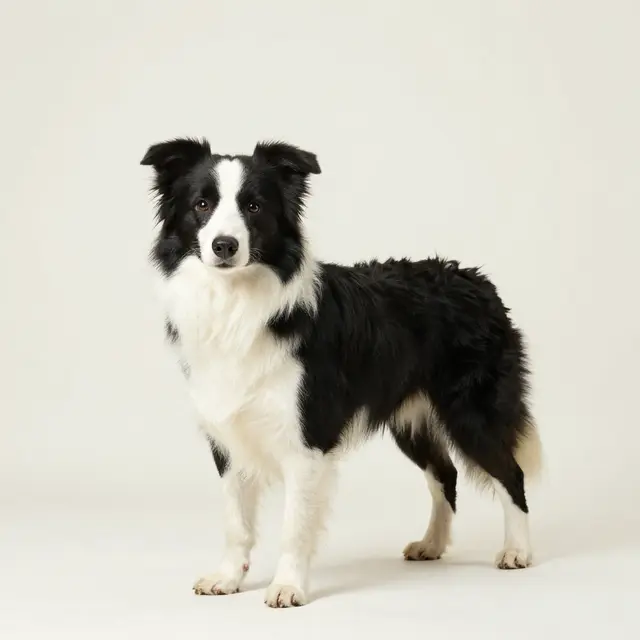
Border Collie
The ultimate working brain — astonishingly clever and trainable, but needs hours of exercise and a job to do.
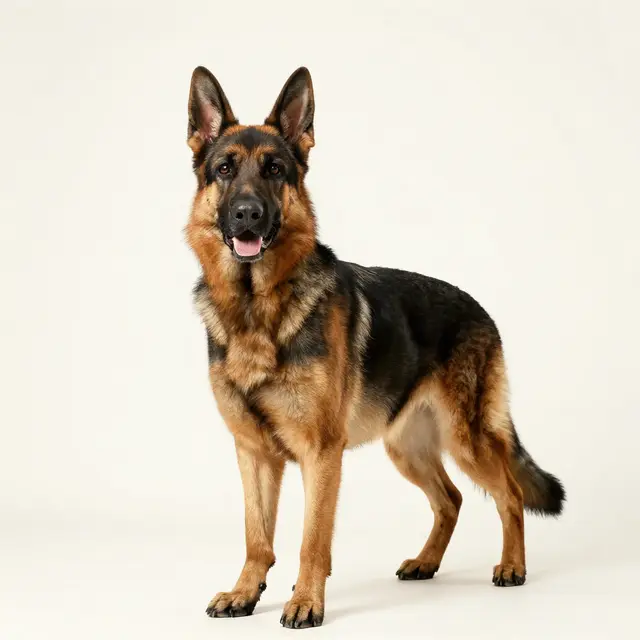
German Shepherd
A loyal, courageous and highly trainable working dog that needs experienced handling and plenty to do.
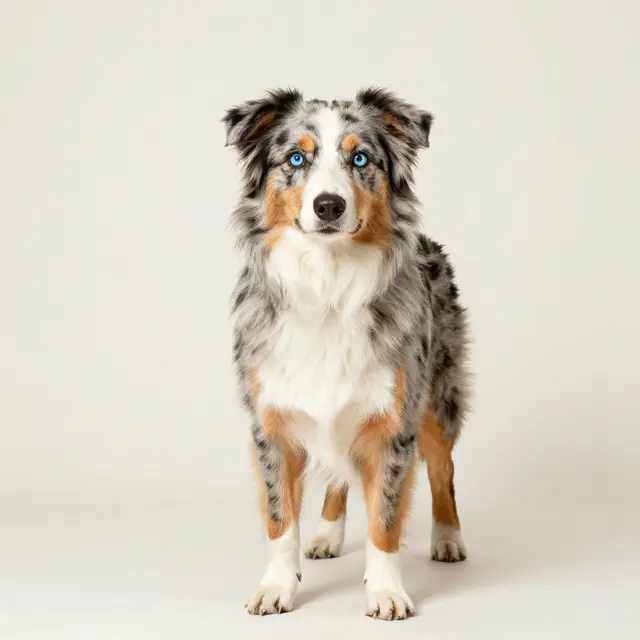
Australian Shepherd
A brilliant, energetic herding dog that excels at sport and work — but needs a busy, committed owner.
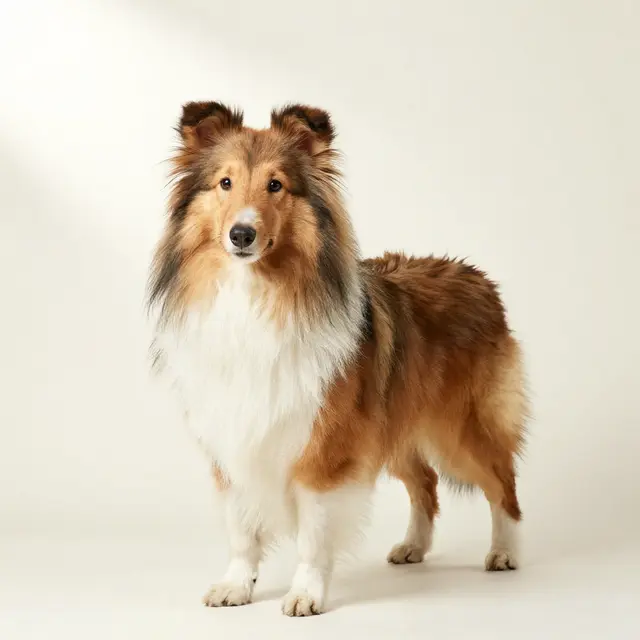
Shetland Sheepdog
A small, brainy herding dog — the "Sheltie" is devoted, highly trainable and excels at agility and obedience.
Similar temperament

West Highland White Terrier
A confident, friendly little terrier — the "Westie" is hardy, characterful and adaptable to smaller homes.
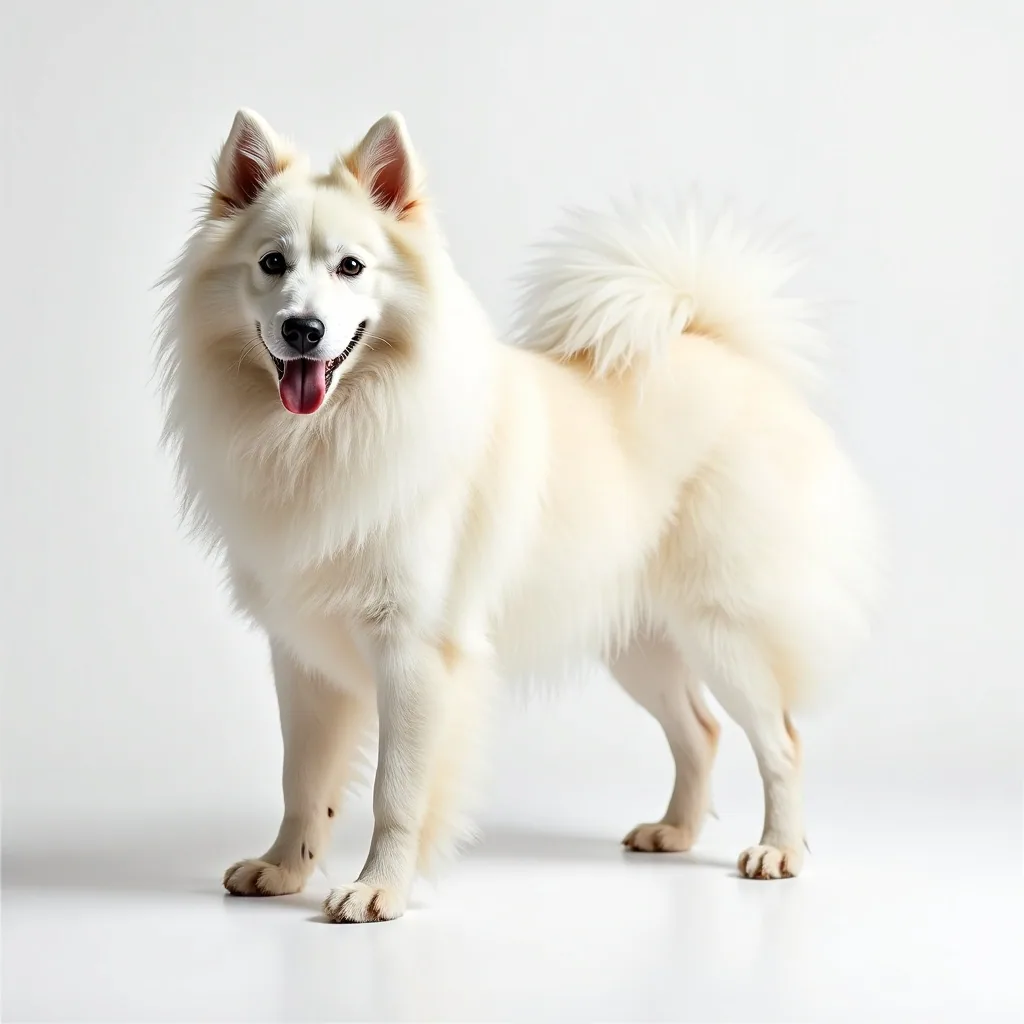
Japanese Spitz
A small, fluffy white companion spitz resembling a miniature Samoyed. Loyal, affectionate and cheerful, suiting families and apartments, though alert and prone to barking.

Miniature Schnauzer
A smart, spirited and low-shedding companion that adapts well to flats but likes to have its say.

Australian Terrier
A small, sturdy working terrier with a harsh weatherproof coat. Spirited, affectionate and adaptable, making a good companion, though it loves to bark and dig.
Similar size, different type

French Bulldog
A compact, easy-going companion that suits flats and modest exercise — but with serious health considerations.

Cavalier King Charles Spaniel
A gentle, affectionate lap dog that’s wonderful with children and adapts happily to flat or house living.

Jack Russell Terrier
A small dog with a huge personality — bold, clever and bursting with energy and prey drive.

Border Terrier
A hardy, good-natured working terrier that’s friendlier with people and dogs than many of its terrier cousins.
Is the Pembroke Welsh Corgi your breed?
Create your pet profile and get personalised food, toy, insurance and health recommendations — tailored to your dog.
Frequently asked questions
What is the difference between a Pembroke and a Cardigan Welsh Corgi?
They are two separate Welsh corgi breeds. The Pembroke is the more popular and is famous for its long association with Queen Elizabeth II. It is recognisable by its fox-like head, large upright ears and characteristically short or absent tail. Both are short-legged, long-bodied herding dogs from Wales, but the Pembroke and Cardigan are distinct breeds with their own standards.
How big is a Pembroke Welsh Corgi?
Despite its short legs, the Pembroke is a sturdy little dog, standing just 25–30 cm at the shoulder but weighing a solid 10–14 kg. It packs the boldness, intelligence and stamina of a true cattle-herding breed into a compact frame, which is why it needs proper exercise and mental stimulation rather than being treated as a lapdog.
Do Pembroke Welsh Corgis shed a lot?
Yes. The Pembroke has a weatherproof double coat that is fairly easy to maintain day to day but sheds heavily, especially during seasonal moults when more frequent brushing is needed to manage the loose undercoat. Regular brushing, ideally several times a week, keeps the coat healthy and shedding under control, alongside routine nail, tooth and ear care.
Are Pembroke Welsh Corgis good with children?
They are generally good with children and other pets when properly socialised, being bold, affectionate and outgoing by nature. However, their herding heritage makes them prone to nipping at moving feet or heels and to barking at activity, behaviours that need redirecting, particularly around young children. Early socialisation helps them grow into steady, friendly adults.
Why do Pembroke Welsh Corgis have back problems?
The breed's long back and short legs are a form of chondrodystrophy, which predisposes it to intervertebral disc disease. This makes weight control and care with stairs, jumping and rough play especially important. Keeping the dog lean and protecting the back are among the most useful everyday health measures owners can take to reduce strain on the spine and joints.
How long do Pembroke Welsh Corgis live?
Pembroke Welsh Corgis typically live around 12–15 years. The breed is associated with several inherited conditions for which DNA tests exist, including degenerative myelopathy, certain forms of progressive retinal atrophy, and von Willebrand's disease, a bleeding disorder. Hip dysplasia is also seen. Use of eye testing and DNA tests by breeders helps reduce these risks.
Why do Pembroke Welsh Corgis gain weight easily?
Pembrokes are notably food-motivated, which makes them very trainable but also prone to weight gain. Careful portion control and moderation with treats are essential. Excess weight is particularly harmful in a long-backed breed because it increases strain on the spine and joints, so maintaining a lean body condition is important. Seek veterinary advice on feeding and any weight management.
Are Pembroke Welsh Corgis good with children?
Good with children. As a general guide, Pembroke Welsh Corgis tend to be patient and tolerant. Whatever the breed, always supervise dogs and young children and teach kids to interact gently.
How much exercise does a Pembroke Welsh Corgi need?
As a healthy adult, a typical Pembroke Welsh Corgi needs around an hour of exercise a day (60–80 minutes), split across walks plus play. A good sniffy walk plus some play and training usually keeps them happy. Puppies, seniors and dogs with health conditions need less — ask your vet.
Do Pembroke Welsh Corgis shed a lot?
High shedding. Coat upkeep is regular brushing — brush regularly to keep the coat in good condition.
Are Pembroke Welsh Corgis easy to train and good for first-time owners?
Good for first-time owners. Pembroke Welsh Corgis are generally a forgiving choice for first-time owners who put in early training and socialisation. Reward-based training and early socialisation help any dog.
Do Pembroke Welsh Corgis bark a lot?
Vocal / alert barker. They can be quite vocal, so early training and enough exercise and stimulation help keep barking in check.
Are Pembroke Welsh Corgis good with other dogs?
Generally fine with other dogs. Early, positive socialisation with other dogs from a young age makes a big difference.
Do Pembroke Welsh Corgis suit flats or smaller homes?
Best with a garden. A Pembroke Welsh Corgi is happiest with access to a secure garden and regular outdoor exercise.
Sources
- The Kennel Club — Welsh Corgi (Pembroke) breed information: https://www.thekennelclub.org.uk/breed-standards/pastoral/welsh-corgi-pembroke/
- British Veterinary Association — Canine Health Schemes (hip and eye testing): https://www.bva.co.uk/canine-health-schemes/
- PDSA — Intervertebral disc disease (IVDD) in dogs: https://www.pdsa.org.uk/pet-help-and-advice/pet-health-hub/conditions/intervertebral-disc-disease-in-dogs
- Blue Cross — Dog weight and obesity advice: https://www.bluecross.org.uk/advice/dog/health-and-injuries/obesity-in-dogs
Recommended for your Pembroke Welsh Corgi
Matched to a Pembroke Welsh Corgi's size and their typical need for help with shedding, dental care, ramps & easy access.

Pet Teeth Cleaning Finger Wipes
Soft disposable finger sleeves for quick, fuss-free daily tooth cleaning. Slip one on, wipe along the teeth and gums to help reduce tartar build-up and freshen breath. 50 pieces.

Pet Dental & Breath Freshening Spray
An easy spray-on dental formula that helps clean teeth and freshen breath without the brushing battle.

Bolstered Orthopaedic Dog Bed
A supportive bolstered dog bed with a thick cushioned base and raised sides that cradle joints and give a place to rest the head. Ideal for older dogs or any pet who likes to stretch out for restful, comfortable sleep.
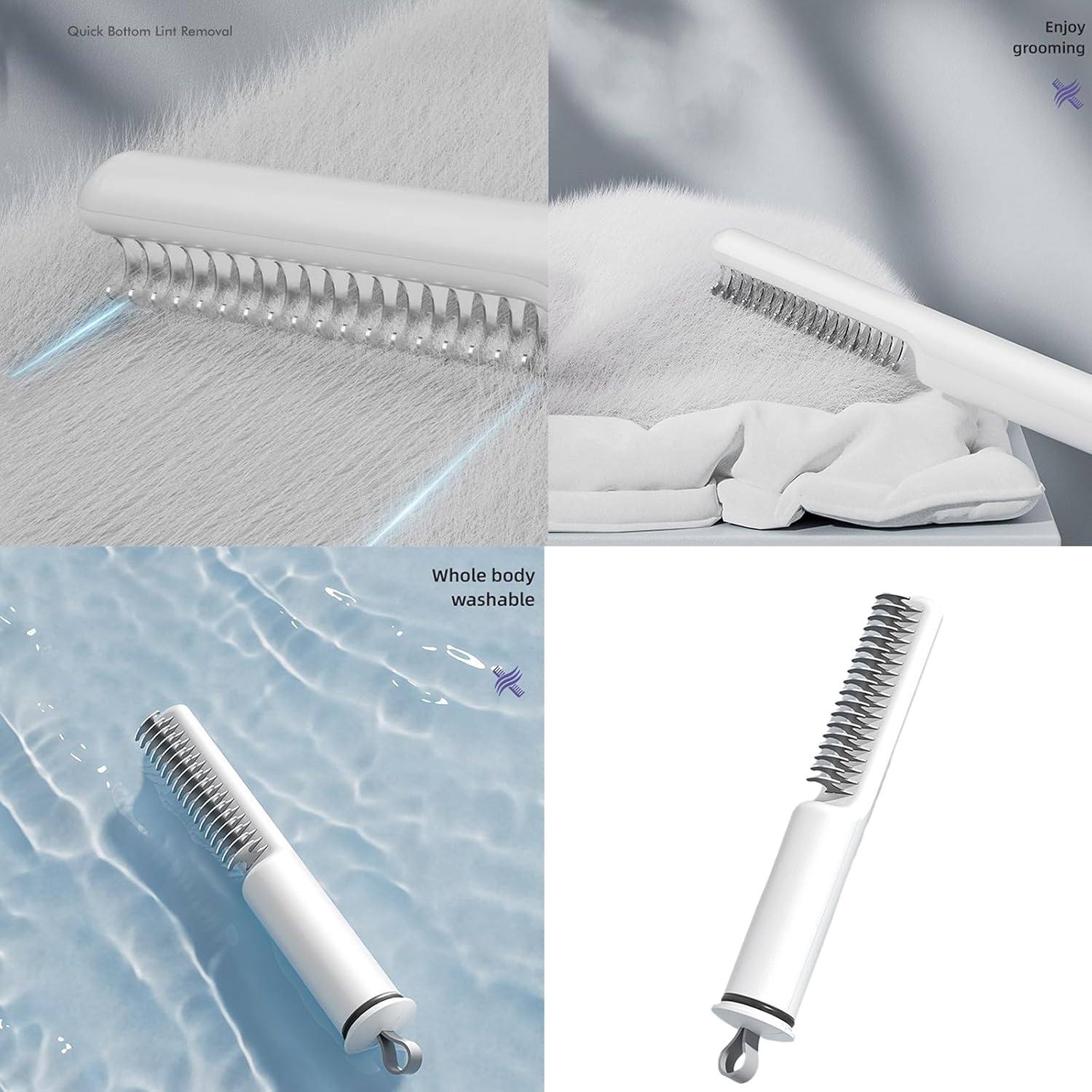
Curved-Blade Dematting & Deshedding Comb
A handheld deshedding comb with a row of curved stainless steel blades that slice through knots and mats while removing loose hair. Fully washable, with a hanging loop for easy storage.
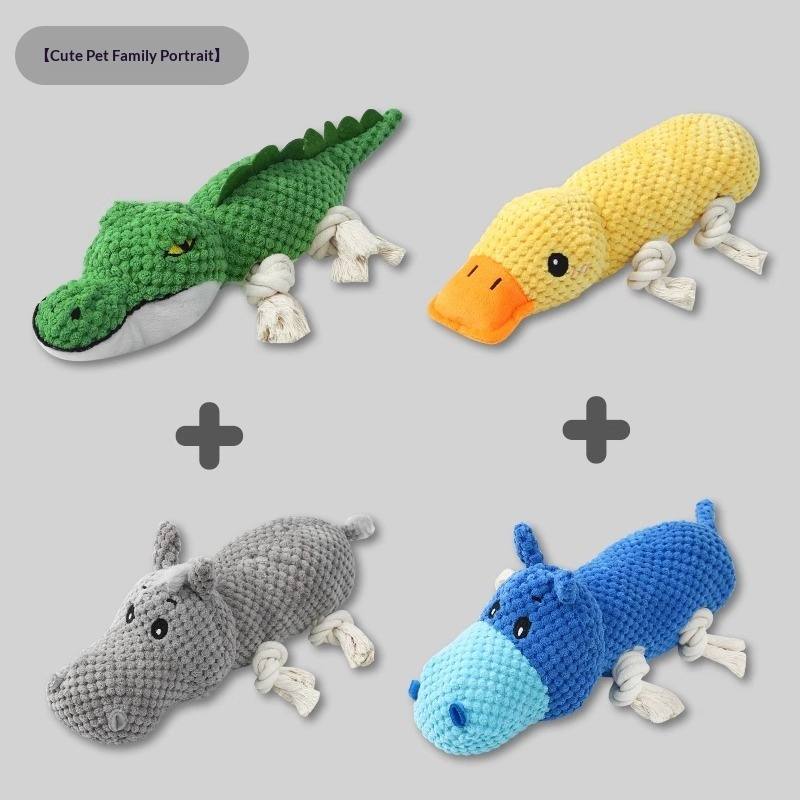
Plush Squeaky Dog Toy With Rope
A characterful crinkle-plush squeaky dog toy with knotted rope feet for tugging and gentle chewing. Soft yet sturdy, it keeps dogs entertained and helps satisfy the urge to play. Crocodile, duck and hippo designs.

Pet Tooth-Cleaning Mousse Spray
A foaming tooth-cleaning mousse with tea polyphenols and an enzyme complex that freshens breath and supports clean teeth for pets who hate the brush. Pump on and let it work. 60ml.
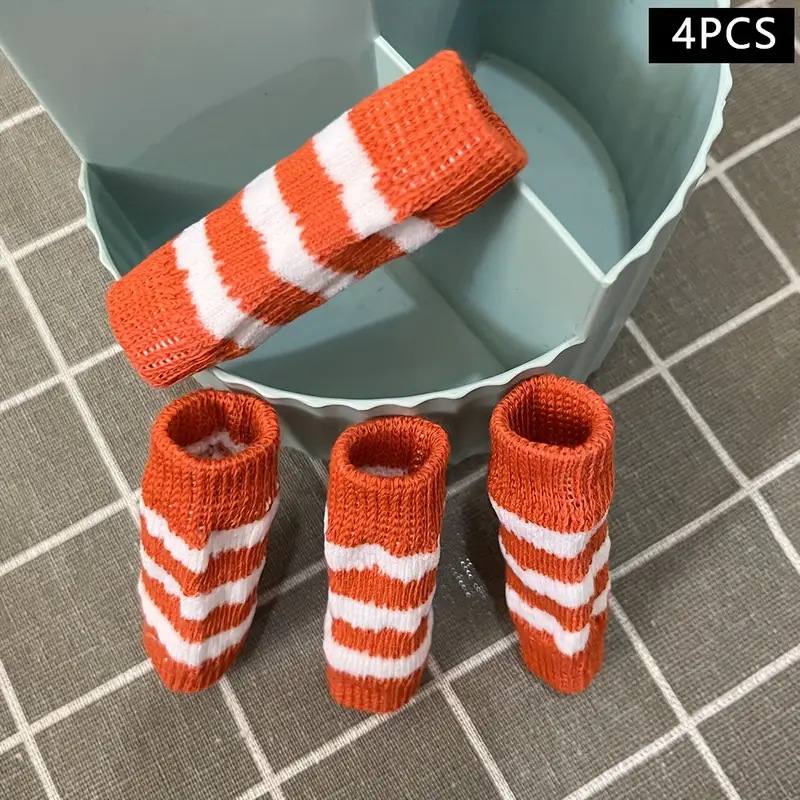
Dog Knee & Leg Support Sleeves (Set of 4)
A set of four knitted, elasticated leg sleeves that gently support your dog's knees and joints, helping ease strain and protect healing limbs during recovery and everyday movement.

Dog Front-Limb Mobility Wheelchair
An adjustable two-wheel walker that supports dogs with front-limb weakness or injury. The lightweight frame and padded supports restore mobility, helping your dog stay active, exercise and enjoy walks with confidence.
Suggestions based on breed traits — always check sizing and suitability for your individual dog.
Got a Pembroke Welsh Corgi? Save them to a pet profile for tailored picks across the whole site.
Happier, healthier pets — in your inbox.
Breed care tips, seasonal advice and first access to new arrivals. No spam, unsubscribe anytime.
Every dog is an individual — temperament and needs vary. Please research thoroughly, meet dogs in person, and consider adopting from a rescue. This is general guidance, not a substitute for advice from your vet or a qualified trainer.