
Manchester Terrier
A sleek black-and-tan British ratting terrier, fast and keen. Alert, loyal and clean-coated, a spirited companion with a strong prey drive and typical terrier independence.
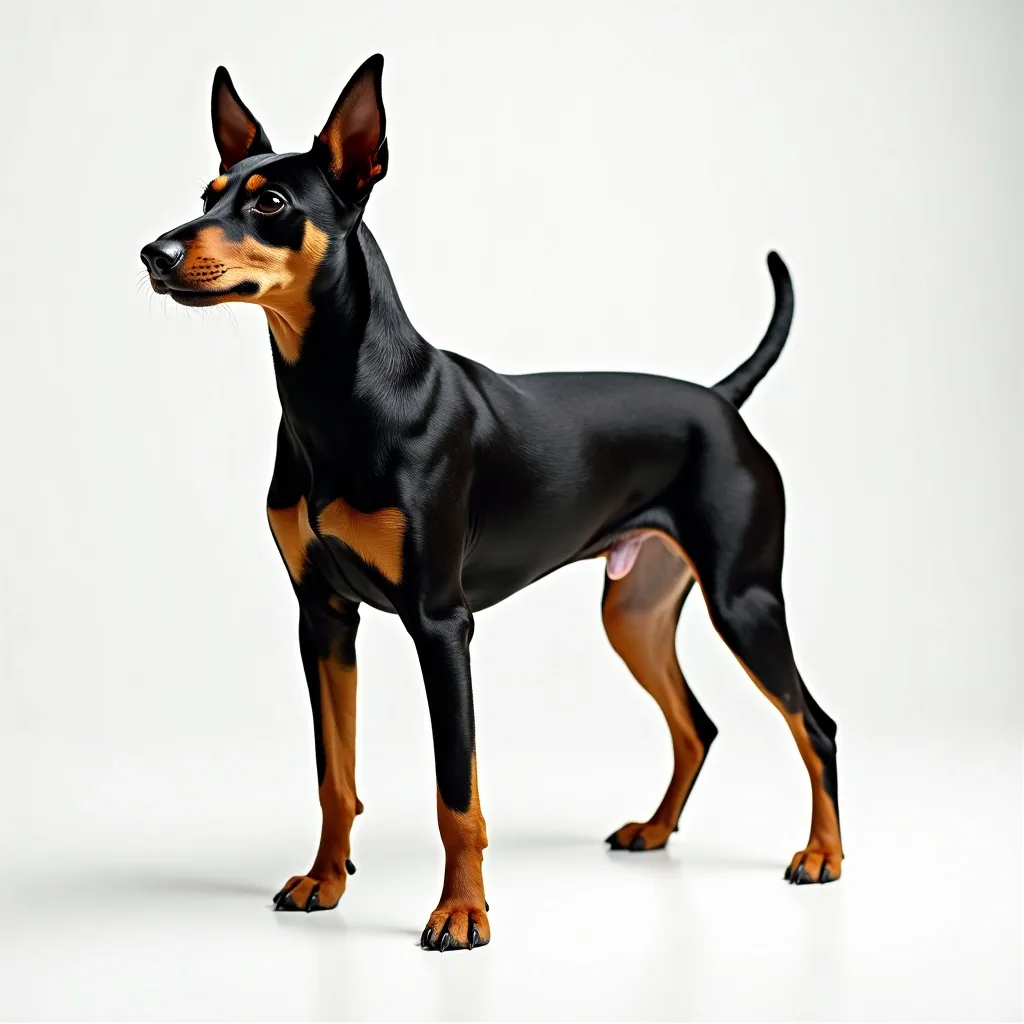
Manchester Terrier scorecard
Overview
The Manchester Terrier is a sleek, athletic British terrier instantly recognised by its short, glossy black-and-tan coat and clean, racy outline. Standing around 38–41 cm and weighing roughly 5–10 kg, it combines the speed and elegance of a small sighthound with the keen, gritty character of a working terrier. Bred to control rats in the mills, homes and streets of Victorian England, it is fast, agile and sharp-eyed, with an alertness that makes it both a spirited companion and a natural little watchdog.
Devoted and clean-living, the Manchester Terrier bonds closely with its people and asks for relatively little in the way of grooming. It is, however, very much a terrier at heart: independent-minded, quick to react and driven by a strong instinct to chase. The breed is recognised by the UK Kennel Club but is uncommon and appears on its list of vulnerable native breeds, reflecting low annual registration numbers in Britain.
Good to know — a Manchester Terrier is best with a garden and manageable for committed beginners. Every dog is an individual, so meet a few and chat to a good breeder or rescue before deciding.
Popular searches for the Manchester Terrier
History & origins
The Manchester Terrier developed in nineteenth-century England, particularly in and around the city that gives it its name, where a fast, hardy ratting dog was in great demand. It is generally held to have been created by crossing the old Black and Tan Terrier with the Whippet, producing a dog that combined terrier tenacity with sighthound speed for the popular pursuits of rat-killing and rabbiting. The breed's smart appearance and reliable working ability made it a fixture of working-class life in the industrial north.
The Manchester Terrier is the larger of two closely related varieties; the smaller English Toy Terrier (Black and Tan) shares much of its history. Recognised by the UK Kennel Club, the standard Manchester Terrier is now scarce and is classed among the Kennel Club's vulnerable native breeds, with dedicated enthusiasts working to maintain it.
Temperament & family fit
The Manchester Terrier is alert, lively and loyal, forming strong attachments to its family while remaining somewhat reserved with strangers. It is a sensitive, observant dog that notices everything going on around it, which makes it an effective watchdog but also means it can be quick to vocalise. With early socialisation it can be a delightful, affectionate companion that fits well into an active household.
Like most terriers it has a marked prey drive and an independent streak. Small, fast-moving animals can trigger an instinctive chase, so secure boundaries and careful management around cats and small pets are wise. It generally gets on reasonably with children and other dogs when raised with them, but its terrier spark means interactions with very young children should always be supervised and it benefits from clear, consistent household rules.
- Families with older, respectful children
- Owners ready for consistent training
- Homes with a secure garden
Training & intelligence
Intelligent and capable, the Manchester Terrier learns quickly but can be strong-willed, so training works best when it is positive, consistent and engaging. Reward-based methods that keep sessions short and fun hold its attention far better than repetition or heavy correction, which tend to make a sensitive terrier switch off. Early socialisation with people, other dogs and everyday situations is important for producing a confident, well-balanced adult.
Recall deserves particular attention because the chase instinct can override training in an instant; a long line and enclosed spaces are sensible while reliability is built. Channelling the breed's energy and cleverness into activities such as scent games, agility or other dog sports gives it an outlet and strengthens the bond. Managing barking early, by teaching a reliable quiet cue and not rewarding alarm-barking, helps keep the watchdog tendency in check.
- Start socialisation & handling early
- Reward-based methods only — no harsh corrections
- Channel energy into training games & enrichment
Exercise needs
A healthy adult Manchester Terrier typically needs 90 minutes to 2 hours a day (roughly 90–120 minutes), split across walks, play and a little training. Higher-energy dogs also need their brains tired — sniffy walks, training games and puzzle feeding go a long way. Puppies, seniors and dogs with health conditions need adjusted amounts — check with your vet.
Grooming & coat
Grooming could hardly be simpler. The short, dense, glossy coat needs only a weekly brush or rubber-mitt grooming to remove loose hair and maintain its shine, and the breed is naturally clean with little odour. The main routine tasks are regular nail trimming, ear checks and consistent dental care, as small breeds are prone to tartar build-up. Being fine-coated, the Manchester Terrier feels the cold and may appreciate a coat on chilly walks.
- Brush occasionally to remove loose hair
- Bathe every few weeks or as needed
- Check ears, nails and teeth weekly
Feeding considerations
Feed a complete, balanced diet suited to the dog's age, size and activity level, divided into two meals a day for an adult. Because it is a small, active breed it has a lively metabolism but is also easy to overfeed with treats, so portions and treats used in training should be accounted for to keep the dog lean and well-muscled. Maintaining a healthy weight protects the joints and overall health, and fresh water should always be available. Any dietary change is best made gradually and in consultation with your vet.
Manchester Terrier health & costs
Before bringing a Manchester Terrier home it pays to budget for the whole picture — food, insurance, grooming and routine vet care all add up. The figures below are typical UK estimates for a healthy adult; your real costs vary with where you live, your dog's health and the cover you choose.
Food
£250–400 / year
Complete food sized to weight & life stage
Insurance
£15–32 / month
Lifetime cover — varies by age, breed & area
Grooming
£0–60 / year
Mostly DIY at home
Routine vet care
£200–450 / year
Vaccines, flea/worm, annual check
The Manchester Terrier is generally a hardy, long-lived breed, with a typical lifespan often quoted at around 14–16 years. As a relatively uncommon breed it has less large-scale UK health data than popular terriers, but responsible breeders are aware of a small number of inherited conditions and health-test where appropriate.
The condition most strongly associated with the breed is a form of inherited bleeding disorder, von Willebrand's disease, for which DNA testing is available; reputable breeders test their stock to reduce its incidence. Eye conditions and patellar (kneecap) issues are also worth discussing with a breeder. As with all dogs, routine preventive care, dental hygiene, weight management and regular veterinary check-ups support a long and healthy life. Buying from a breeder who screens their dogs and is open about their lines is the best protection.
Common health conditions to be aware of
- Von Willebrand's disease — an inherited blood-clotting disorder seen in the breed; DNA testing of breeding stock is available and advised.
- Patellar luxation — slipping kneecaps can occur in small breeds and may need management or surgery in more severe cases.
- Inherited eye conditions — including progressive retinal atrophy in some lines; eye testing and good breeding practice help reduce risk.
- Dental disease — small mouths are prone to tartar and gum disease without regular tooth brushing and check-ups.
- Cold sensitivity — the short, fine coat offers little insulation, so the breed feels the cold in winter.
- Juvenile cardiomyopathy — a rare inherited heart condition has been reported in the breed; reputable breeders are aware of it.
These reflect typical, size- and coat-related risks for dogs like the Manchester Terrier; individual breeds carry their own predispositions. Always buy from health-tested parents and speak to your vet — this isn't a diagnosis.
Protect against surprise bills
A single emergency can run into thousands. Lifetime insurance spreads the risk.
Estimate insurance →How pet insurance works →Puppy & senior care
Bringing home a Manchester Terrier puppy
Puppies need controlled exercise (a rough guide is five minutes per month of age, twice a day) to protect growing joints, little-and-often meals of a complete puppy food, early socialisation, and a calm routine for toilet training and sleep. Book first vaccinations, microchipping and a vet check early.
New puppy checklist →Caring for a senior Manchester Terrier
As they age, watch weight, joints and teeth, switch to a senior diet if your vet advises, keep exercise gentle but regular, and consider orthopaedic bedding and ramps. Twice-yearly vet checks help catch issues early.
Orthopaedic beds & mobility →Pros & cons
The good bits
- Sleek, low-maintenance coat
- Alert, agile and devoted companion
Things to consider
- High prey drive and terrier stubbornness
- Can be reserved and needs early socialisation
Compare the Manchester Terrier
See how the Manchester Terrier measures up against similar breeds before you decide:
More breeds like the Manchester Terrier
Same breed group
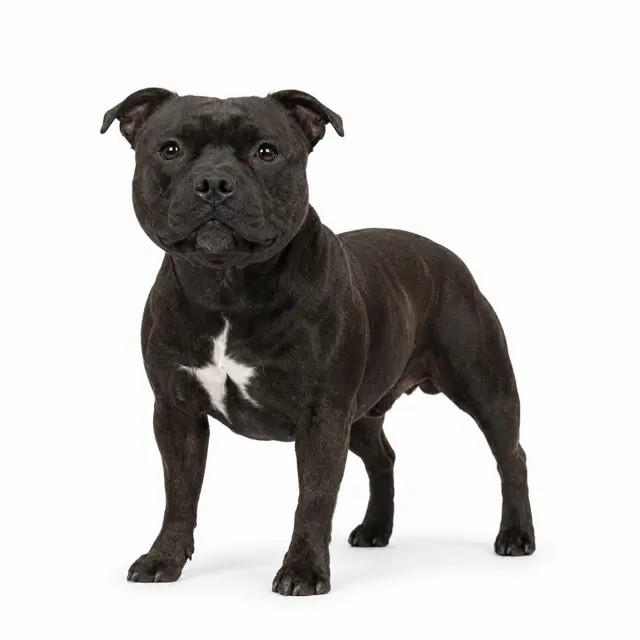
Staffordshire Bull Terrier
Affectionately known as the "nanny dog" — devoted, people-loving and famously gentle with children.

Jack Russell Terrier
A small dog with a huge personality — bold, clever and bursting with energy and prey drive.
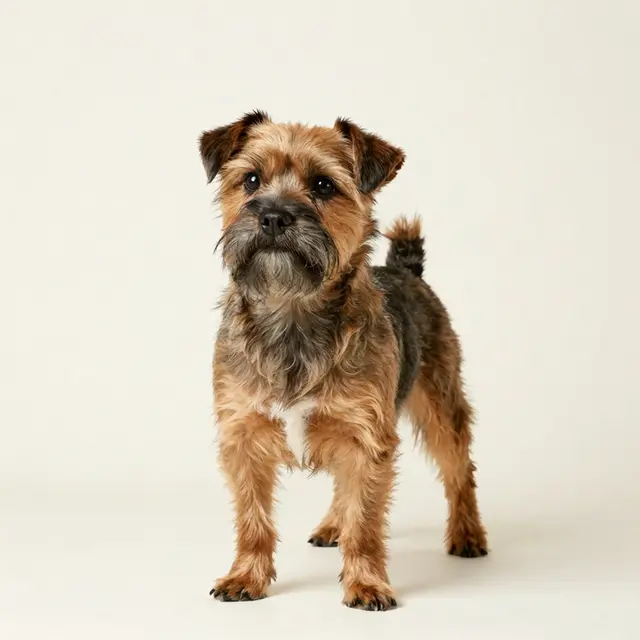
Border Terrier
A hardy, good-natured working terrier that’s friendlier with people and dogs than many of its terrier cousins.
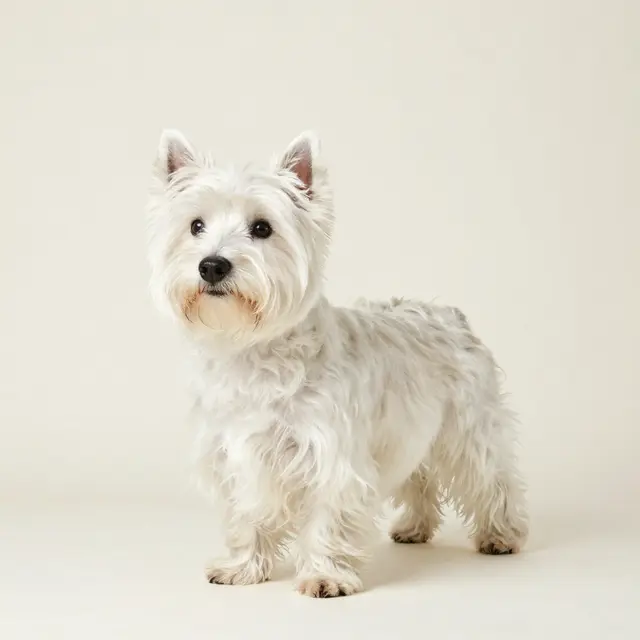
West Highland White Terrier
A confident, friendly little terrier — the "Westie" is hardy, characterful and adaptable to smaller homes.
Similar temperament
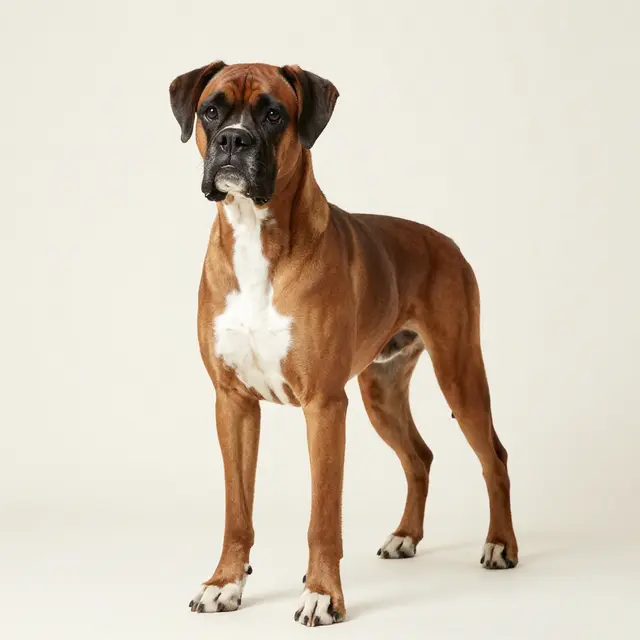
Boxer
A bouncy, playful and devoted family dog that stays puppy-like for years — and needs the exercise to match.
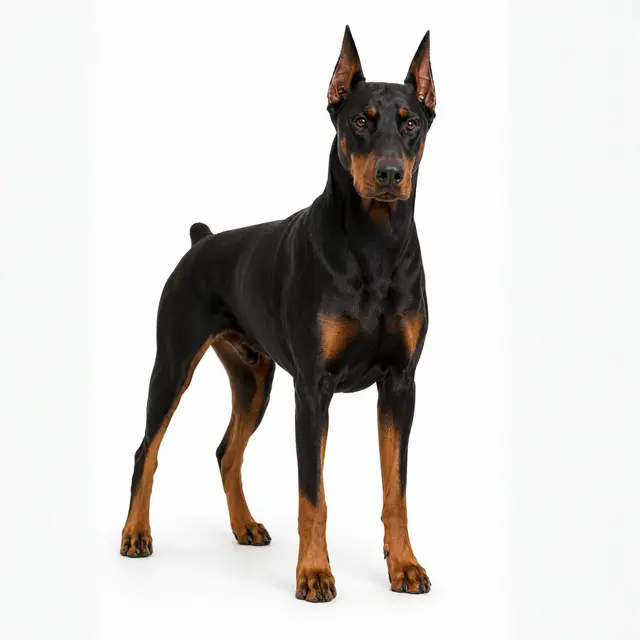
Dobermann
A sleek, athletic and intensely loyal guardian — highly trainable, but a serious commitment for active owners.
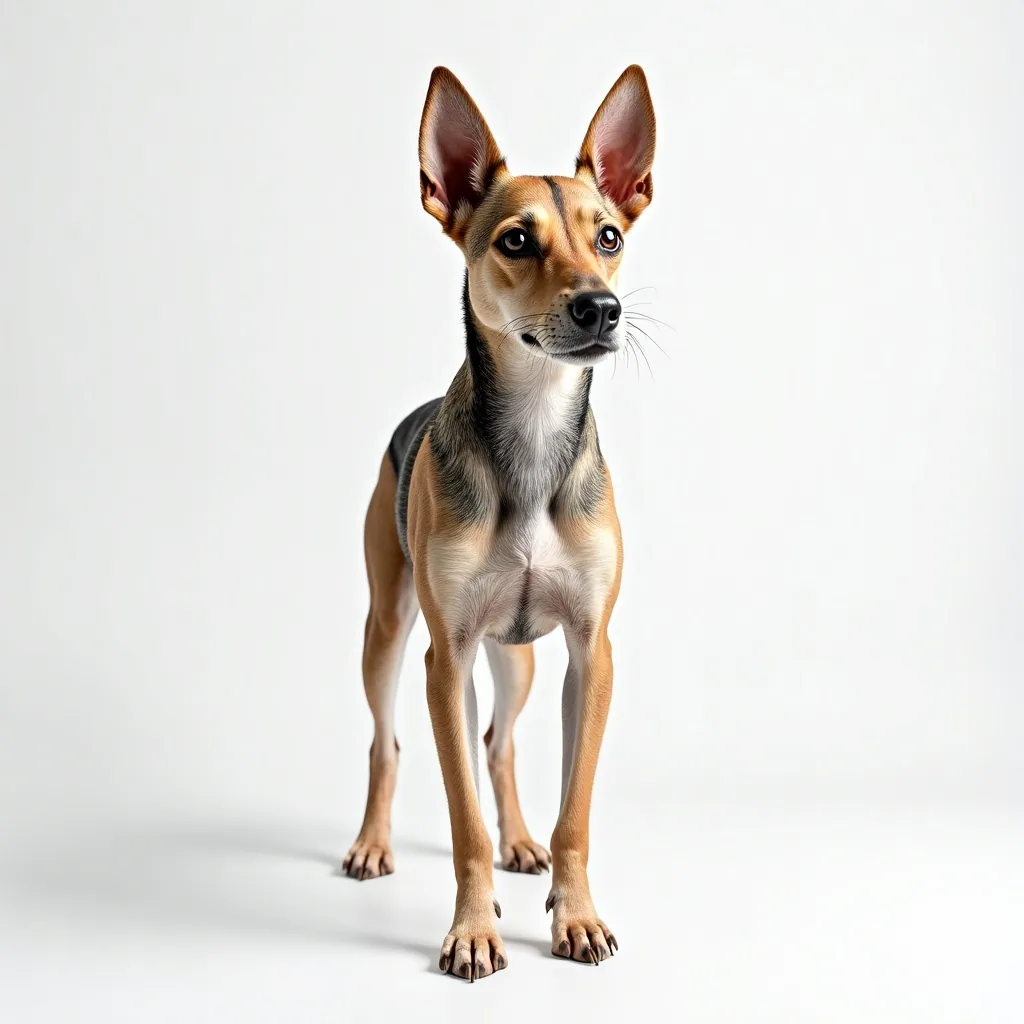
Andalusian Terrier
A small Spanish ratting terrier (Ratonero Bodeguero Andaluz). Lively, brave and quick, with strong working instincts and the typical terrier alertness and tenacity.
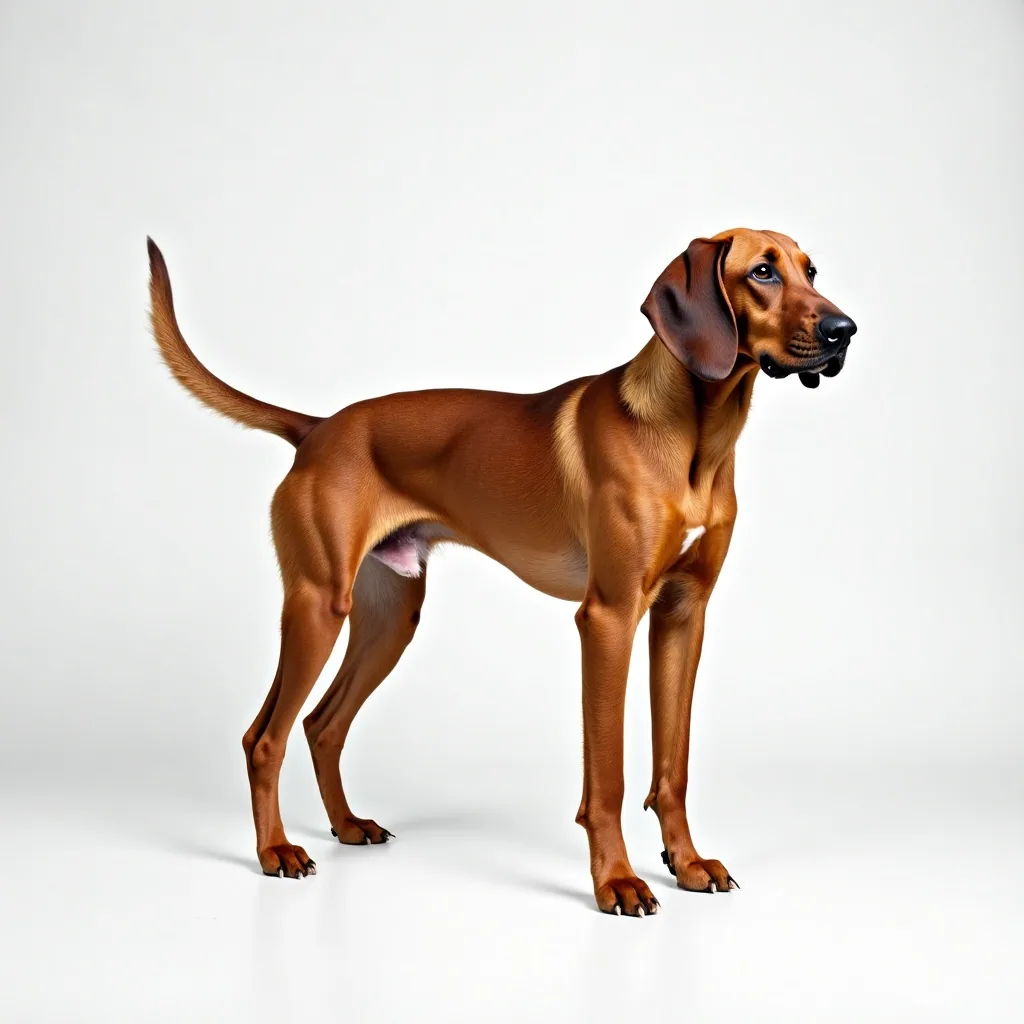
Bavarian Mountain Hound
A German mountain scenthound bred to track wounded game over difficult ground. Calm and deeply bonded to its handler, but a focused, single-minded tracker that is reserved with strangers and needs an active, experienced owner.
Similar size, different type
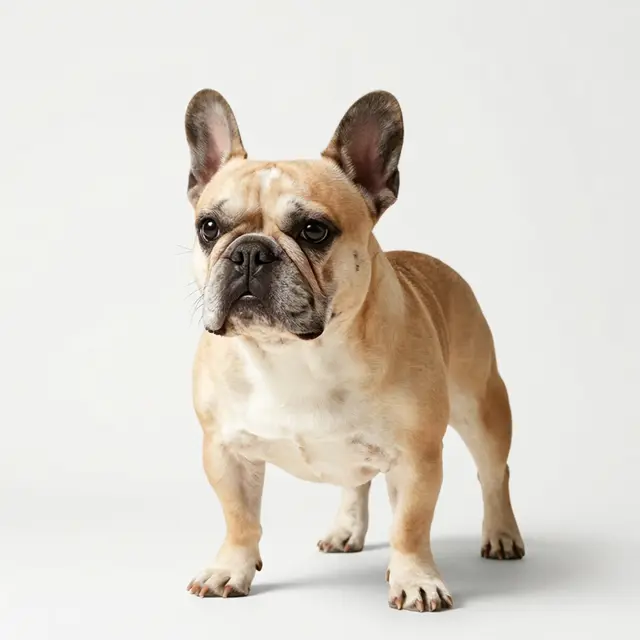
French Bulldog
A compact, easy-going companion that suits flats and modest exercise — but with serious health considerations.

Cavalier King Charles Spaniel
A gentle, affectionate lap dog that’s wonderful with children and adapts happily to flat or house living.

Dachshund
A bold, characterful "sausage dog" that suits smaller homes but needs careful handling of its long back.

Pug
A charming, comical lap dog that’s content in a flat — but a flat face brings real health considerations.
Is the Manchester Terrier your breed?
Create your pet profile and get personalised food, toy, insurance and health recommendations — tailored to your dog.
Frequently asked questions
How big is a Manchester Terrier?
The Manchester Terrier is a small, sleek dog standing around 38–41 cm at the shoulder and weighing roughly 5–10 kg. It has a clean, racy outline that combines the speed and elegance of a small sighthound with the gritty character of a working terrier, all wrapped in a short, glossy black-and-tan coat.
What is the Manchester Terrier's temperament like?
Alert, lively and loyal, the Manchester Terrier forms strong attachments to its family while remaining somewhat reserved with strangers. It is a sensitive, observant dog that notices everything, which makes it an effective watchdog but also means it can be quick to bark. Like most terriers it has a marked prey drive and an independent streak, so secure boundaries and good socialisation are wise.
How long do Manchester Terriers live?
The Manchester Terrier is generally a hardy, long-lived breed, with a typical lifespan often quoted at around 14–16 years. Routine preventive care, dental hygiene, weight management and regular veterinary check-ups all help support a long and healthy life. Buying from a breeder who screens their dogs gives the best start.
Do Manchester Terriers need a lot of grooming?
No, grooming could hardly be simpler. The short, dense, glossy coat needs only a weekly brush or rubber-mitt grooming to remove loose hair and maintain its shine, and the breed is naturally clean with little odour. The main routine tasks are nail trimming, ear checks and consistent dental care. Being fine-coated, it feels the cold and may appreciate a coat on chilly walks.
What is the difference between a Manchester Terrier and a Miniature Pinscher?
Although superficially similar in colour and outline, they are distinct breeds with separate origins. The Manchester Terrier is a British ratting terrier, while the Miniature Pinscher is an older German breed. The Manchester Terrier tends to be a little larger and longer in the head, whereas the Min Pin is a true toy breed with its distinctive prancing, hackney-like gait. Their temperaments and breed standards differ accordingly.
What health issues affect Manchester Terriers?
As a relatively uncommon breed it has less large-scale UK health data, but the condition most associated with it is von Willebrand's disease, an inherited bleeding disorder for which DNA testing is available. Eye conditions and patellar (kneecap) issues are also worth discussing with a breeder. Choosing a breeder who health-tests and is open about their lines is the best protection.
Is the Manchester Terrier a rare breed?
Yes. The Manchester Terrier is recognised by the UK Kennel Club but is uncommon and appears on its list of vulnerable native breeds, reflecting low annual registration numbers in Britain. Anyone keen on this scarce native breed should expect to wait and should seek out a responsible, health-testing breeder.
Are Manchester Terriers good in flats and with families?
The Manchester Terrier adapts well to a variety of homes, from active families to individuals, and can live happily in a smaller home or flat if its needs for exercise, company and mental stimulation are met. A securely fenced garden is valuable given its prey drive and agility. It generally gets on with children when raised with them, though play with very young children should be supervised.
Are Manchester Terriers good with children?
Fine with sensible, older children. As a general guide, Manchester Terriers tend to be fine with sensible, older children. Whatever the breed, always supervise dogs and young children and teach kids to interact gently.
How much exercise does a Manchester Terrier need?
As a healthy adult, a typical Manchester Terrier needs 90 minutes to 2 hours of exercise a day (90–120 minutes), split across walks plus play. Higher-energy dogs also need mental stimulation — sniffing, training games and puzzle feeders — to stay settled. Puppies, seniors and dogs with health conditions need less — ask your vet.
Do Manchester Terriers shed a lot?
Low shedding. Coat upkeep is wash-and-go — a quick brush now and then is usually enough.
Are Manchester Terriers easy to train and good for first-time owners?
Manageable for committed beginners. Manchester Terriers are best for owners ready to commit to consistent training and plenty of activity. Reward-based training and early socialisation help any dog.
Do Manchester Terriers bark a lot?
Moderate barker. They are usually fairly easy-going about barking, though any dog will bark if bored or under-exercised.
Are Manchester Terriers good with other dogs?
Generally fine with other dogs. Early, positive socialisation with other dogs from a young age makes a big difference.
Do Manchester Terriers suit flats or smaller homes?
Best with a garden. A Manchester Terrier is happiest with access to a secure garden and regular outdoor exercise.
Sources
- The Kennel Club (UK) — Manchester Terrier breed information and vulnerable native breeds list: https://www.thekennelclub.org.uk/
- British Manchester Terrier Club — Breed-specific health and care information: https://www.thekennelclub.org.uk/search/find-a-club/
- PDSA — Dog health and care advice: https://www.pdsa.org.uk/pet-help-and-advice
- Blue Cross — Dog care guidance: https://www.bluecross.org.uk/advice/dog
- RSPCA — Dog welfare and care: https://www.rspca.org.uk/adviceandwelfare/pets/dogs
Recommended for your Manchester Terrier
Matched to a Manchester Terrier's size and their typical need for enrichment & mental stimulation, dental care.
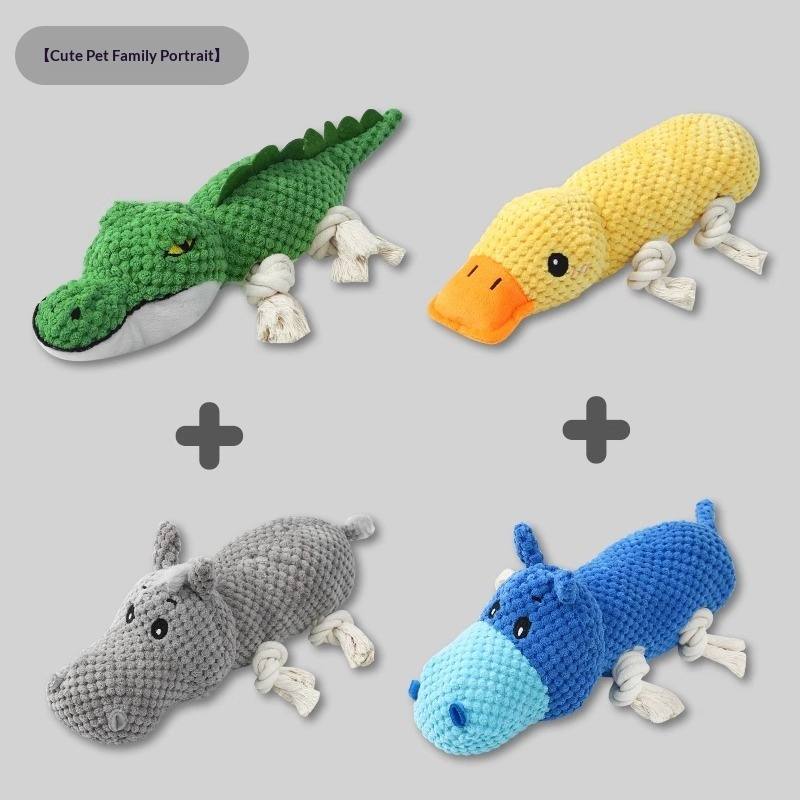
Plush Squeaky Dog Toy With Rope
A characterful crinkle-plush squeaky dog toy with knotted rope feet for tugging and gentle chewing. Soft yet sturdy, it keeps dogs entertained and helps satisfy the urge to play. Crocodile, duck and hippo designs.

Pet Oral Spray for Dogs & Cats
A 100ml pet oral spray for dogs and cats that helps promote fresh breath and cleaner teeth. Simply spray onto teeth and gums - no brushing needed for daily oral care.

Pet Teeth Cleaning Finger Wipes
Soft disposable finger sleeves for quick, fuss-free daily tooth cleaning. Slip one on, wipe along the teeth and gums to help reduce tartar build-up and freshen breath. 50 pieces.

Pet Tooth-Cleaning Mousse Spray
A foaming tooth-cleaning mousse with tea polyphenols and an enzyme complex that freshens breath and supports clean teeth for pets who hate the brush. Pump on and let it work. 60ml.
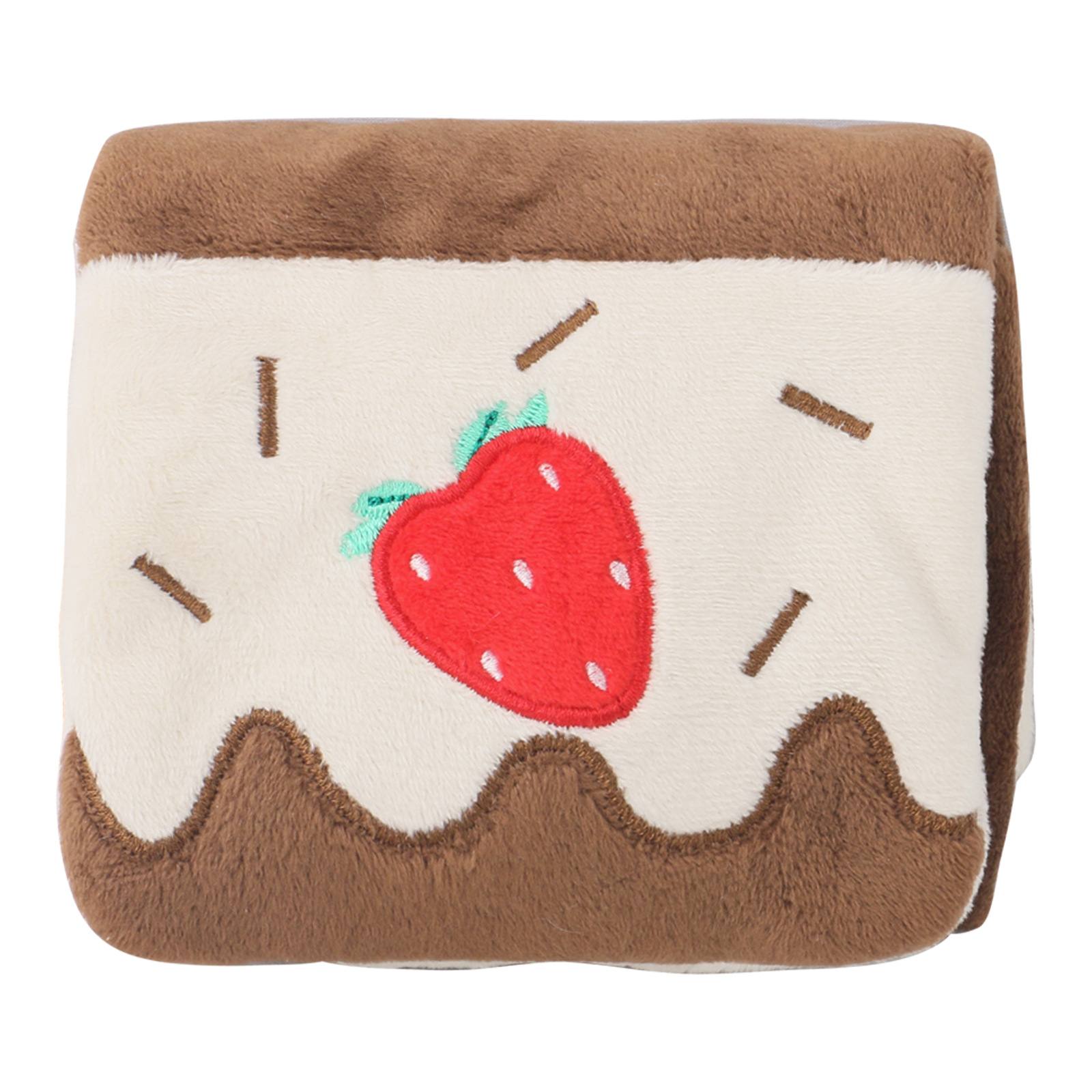
Plush Snuffle Foraging Mat
A roll-up plush snuffle mat with cute animal designs. Hide treats in the folds and let your pet sniff and forage to find them - a rewarding enrichment game that beats boredom and slows feeding.

Pet Oral Care Spray for Dogs & Cats
A 100ml pet oral care spray for dogs and cats that gives quick odour control, freshens breath and supports healthy gums with no brushing needed. Suitable for daily use.
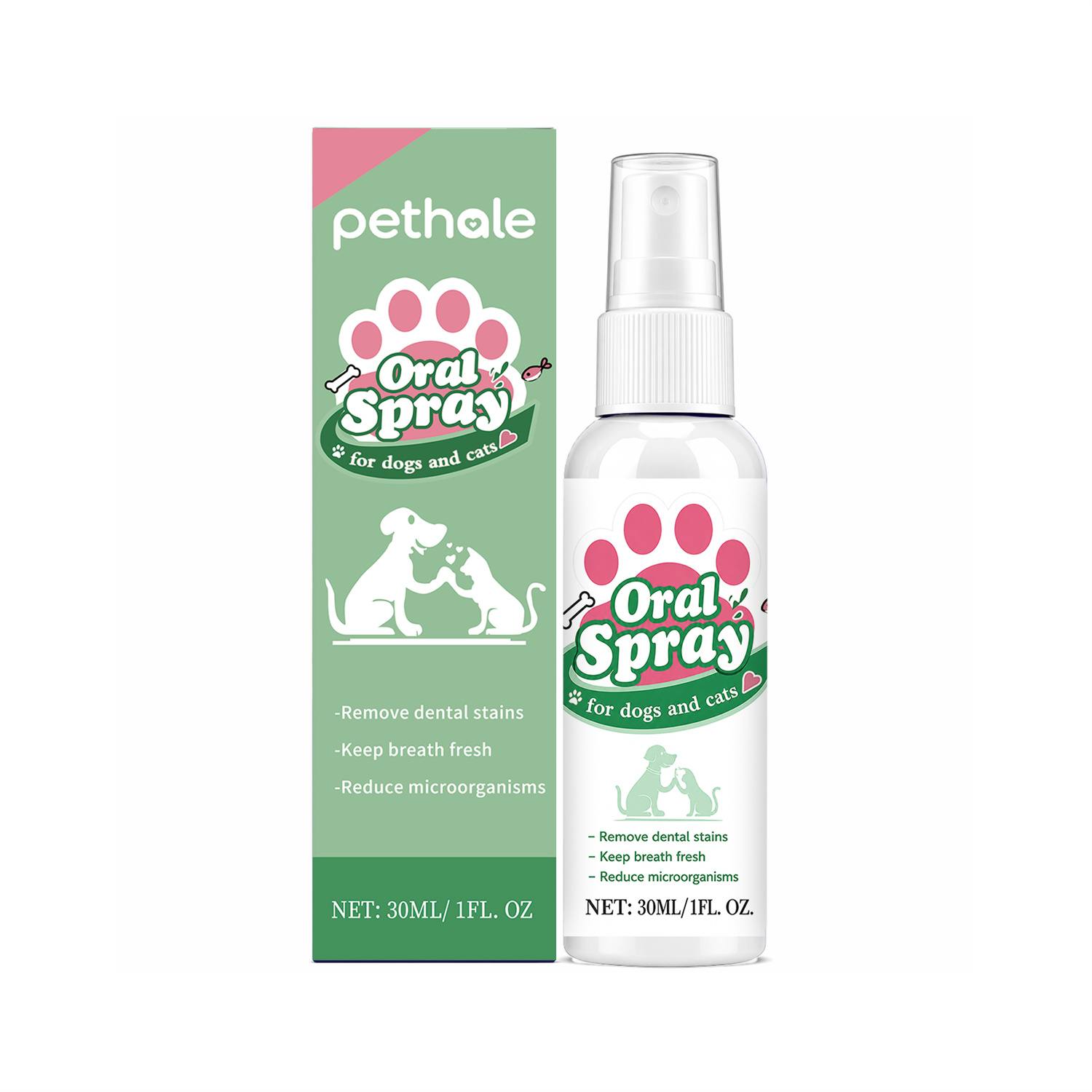
Pet Dental Oral Spray for Dogs & Cats
A dental spray for dogs and cats that freshens breath and helps lift everyday tartar and staining.

Recordable Pet Communication Buttons with Mat
Recordable talking buttons on a non-slip mat that let your dog press to 'speak' phrases you record, such as 'love you' or 'go out and play'. Choose from several colours to build a custom communication board and boost enrichment.
Suggestions based on breed traits — always check sizing and suitability for your individual dog.
Got a Manchester Terrier? Save them to a pet profile for tailored picks across the whole site.
Happier, healthier pets — in your inbox.
Breed care tips, seasonal advice and first access to new arrivals. No spam, unsubscribe anytime.
Every dog is an individual — temperament and needs vary. Please research thoroughly, meet dogs in person, and consider adopting from a rescue. This is general guidance, not a substitute for advice from your vet or a qualified trainer.