
English Setter
A gentle, feathered gundog bred to find game birds on the moor, the English Setter is friendly, sociable and wonderful with children. Even-tempered but energetic. It suits active families who can meet its considerable exercise needs, keep the silky coat groomed, and appreciate a sensitive dog that's slow to mature out of puppyhood.

English Setter scorecard
Overview
The English Setter is an elegant, medium-to-large gundog known for its gentle, friendly nature and its distinctive speckled coat, called 'belton'. Standing roughly 58 to 69 cm at the shoulder and weighing around 20 to 36 kg, it is a graceful, athletic dog built for a full day's work quartering the field in search of game birds. The feathered coat, soft expression and flowing movement have long made it as admired in the show ring and at home as it is in the field.
As a companion, the English Setter is renowned for being one of the kindest and most even-tempered of the gundogs — sociable, affectionate and famously good with children. It is, however, a genuinely high-energy working breed that needs plenty of daily exercise and mental engagement, and it tends to be sensitive and slow to mature, keeping a playful, puppyish outlook well into adulthood. This combination of gentleness and stamina makes it a wonderful family dog for active households, but a poor match for anyone who cannot meet its exercise and companionship needs.
Good to know — a English Setter needs plenty of space and manageable for committed beginners. Every dog is an individual, so meet a few and chat to a good breeder or rescue before deciding.
Popular searches for the English Setter
History & origins
The English Setter is one of the oldest of the British gundog breeds, developed over centuries to locate game birds and then 'set' — crouch low — to indicate their presence to hunters. Setting dogs of this type were known in Britain for a very long time, but the modern breed owes much to the 19th-century work of Edward Laverack and later Richard Purcell Llewellin, whose breeding programmes refined and standardised the English Setter and gave rise to the distinct field (working) and show lines that persist today.
The breed is recognised by The Kennel Club in the UK within the Gundog Group. In recent years the native, traditional working strains have attracted conservation interest, and the English Setter has at times appeared among the Kennel Club's list of Vulnerable Native Breeds when annual registrations have fallen to low levels, prompting efforts to support and promote the breed in its homeland.
Temperament & family fit
English Setters are celebrated for their mild, friendly and affectionate temperament. They are sociable dogs that generally get on well with people, children and other dogs, and they thrive on being part of family life rather than left alone for long periods. Their gentle, even nature and tolerance make them a popular choice for households with children, though as with any large, energetic dog, interactions with very young children should be supervised simply because of the dog's size and enthusiasm.
This is also a sensitive breed that responds poorly to harsh handling and can be slow to mature, often retaining a boisterous, playful streak for several years. Bred to range and hunt, English Setters can be independent and easily distracted by scent and movement, and a bored or under-exercised setter may become restless or destructive. They are not natural guard dogs — their friendliness extends to most strangers — so anyone wanting a watchdog should look elsewhere. With the company, exercise and gentle guidance they need, however, they are devoted and delightful companions.
- Families with children of all ages
- Owners ready for consistent training
- Active homes with plenty of space
Training & intelligence
English Setters are intelligent and willing but sensitive and sometimes easily distracted, so training works best when it is patient, positive and consistent. They respond very well to reward-based methods and kind, encouraging handling, and they shut down or become anxious under heavy-handed correction. Because they were bred to work at a distance and follow their nose, recall and focus around distractions take real, ongoing effort, and many owners keep setters on a long line in unfenced areas until recall is genuinely reliable.
Early socialisation and basic training from puppyhood help channel the breed's energy and curiosity, and gundog-style training, scent games and trick work all suit their working brains well. Because they mature slowly, owners should expect to keep training sessions short, varied and fun for longer than they might with a quicker-settling breed. Consistency and patience pay off: a well-trained English Setter is a biddable, happy partner, but expecting instant obedience from a young, distractible setter only leads to frustration.
- Start socialisation & handling early
- Reward-based methods only — no harsh corrections
- Channel energy into training games & enrichment
Exercise needs
A healthy adult English Setter typically needs 90 minutes to 2 hours a day (roughly 90–120 minutes), split across walks, play and a little training. Higher-energy dogs also need their brains tired — sniffy walks, training games and puzzle feeding go a long way. Puppies, seniors and dogs with health conditions need adjusted amounts — check with your vet.
Grooming & coat
The English Setter's medium-length, feathered coat needs regular grooming to keep it healthy and free of tangles, with brushing several times a week and more attention to the feathering on the ears, chest, legs, belly and tail, where mats form most easily. The coat also picks up burrs, mud and seeds on country walks, so a check-over after exercise is sensible. Periodic trimming or tidying — often by a professional groomer — helps keep the feathering and feet neat, and the pendulous ears should be checked and cleaned regularly, as their shape can predispose the breed to ear infections. Routine nail trimming and dental care round out a grooming routine that is moderate but ongoing.
- Brush several times a week
- Bathe every few weeks or as needed
- Check ears, nails and teeth weekly
Feeding considerations
English Setters should be fed a complete, good-quality diet suited to their size, age and high activity level, divided into measured meals. As an active, large breed their energy needs are considerable when they are working or exercising hard, but it is still important not to overfeed, as excess weight strains the joints and undermines the athleticism the breed is built for. Portions should be adjusted to maintain a lean, healthy body condition with an easily felt ribcage and a visible waist. As with other deep-chested, larger breeds, dividing the daily ration into two meals and avoiding vigorous exercise immediately before or after eating is a sensible precaution. Fresh water should always be available, particularly given the breed's high activity.
English Setter health & costs
Before bringing a English Setter home it pays to budget for the whole picture — food, insurance, grooming and routine vet care all add up. The figures below are typical UK estimates for a healthy adult; your real costs vary with where you live, your dog's health and the cover you choose.
Food
£600–850 / year
Complete food sized to weight & life stage
Insurance
£35–62 / month
Lifetime cover — varies by age, breed & area
Grooming
£120–300 / year
Occasional pro + home brushing
Routine vet care
£200–450 / year
Vaccines, flea/worm, annual check
The English Setter is generally a robust, healthy breed, but like many medium-to-large dogs it is predisposed to certain inherited and structural conditions that responsible breeders screen for. Hip dysplasia and elbow dysplasia — developmental joint conditions that can lead to pain and arthritis — are recognised concerns, and reputable UK breeders use the British Veterinary Association/Kennel Club hip and elbow scoring schemes to inform their breeding decisions. Hereditary deafness, which can affect one or both ears, is also seen in the breed, and puppies can be hearing-tested.
The breed's long, pendulous ears mean ear infections are a common, manageable issue that regular checking and cleaning helps prevent, and as a deeper-chested breed there is some risk of bloat/gastric dilatation-volvulus, a sudden, life-threatening emergency that owners should learn to recognise. Prospective owners should always buy from breeders who health-test their stock, ask to see the relevant hip, elbow and any DNA or hearing-test results for the parents, and choose a Kennel Club Assured Breeder where possible. With good breeding and care, English Setters typically live around 10 to 12 years.
Common health conditions to be aware of
- Hip dysplasia — a developmental hip condition that can cause pain and arthritis; parents should be hip-scored under the BVA/Kennel Club scheme.
- Elbow dysplasia — abnormal elbow development leading to lameness and arthritis; screened via BVA/Kennel Club elbow grading.
- Hereditary deafness — congenital deafness can affect one or both ears; puppies can be hearing-tested.
- Ear infections — the long, pendulous ears trap moisture and warmth and are prone to infection without regular cleaning.
- Bloat / gastric dilatation-volvulus (GDV) — a sudden, life-threatening twisting of the stomach that deeper-chested breeds are at some risk of and that needs emergency treatment.
- Hypothyroidism — an under-active thyroid can occur in the breed and is usually manageable with daily medication.
These reflect typical, size- and coat-related risks for dogs like the English Setter; individual breeds carry their own predispositions. Always buy from health-tested parents and speak to your vet — this isn't a diagnosis.
Protect against surprise bills
A single emergency can run into thousands. Lifetime insurance spreads the risk.
Estimate insurance →How pet insurance works →Puppy & senior care
Bringing home a English Setter puppy
Puppies need controlled exercise (a rough guide is five minutes per month of age, twice a day) to protect growing joints, little-and-often meals of a complete puppy food, early socialisation, and a calm routine for toilet training and sleep. Book first vaccinations, microchipping and a vet check early.
New puppy checklist →Caring for a senior English Setter
As they age, watch weight, joints and teeth, switch to a senior diet if your vet advises, keep exercise gentle but regular, and consider orthopaedic bedding and ramps. Twice-yearly vet checks help catch issues early — larger breeds age sooner, so start senior care from around 6–7 years.
Orthopaedic beds & mobility →Pros & cons
The good bits
- Gentle, friendly and great with children
- Sociable and even-tempered
Things to consider
- High exercise needs and a feathered coat to maintain
- Can be sensitive and slow to mature
Compare the English Setter
See how the English Setter measures up against similar breeds before you decide:
More breeds like the English Setter
Same breed group

Labrador Retriever
The UK’s most popular family dog — friendly, biddable and brilliant with children, but needs proper exercise.

Golden Retriever
Gentle, eager-to-please and devoted — a classic family companion that thrives on company and exercise.

Cocker Spaniel
A merry, affectionate gundog that loves people and activity — happiest with a job and regular grooming.

English Springer Spaniel
A tireless, enthusiastic working gundog that needs serious daily exercise and mental stimulation.
Similar temperament

Flat-Coated Retriever
The "Peter Pan" of retrievers — joyful, friendly and superb with children, staying puppyish for years.

Large Münsterländer
A versatile German pointing-and-retrieving gundog with a striking black-and-white coat. Affectionate, biddable and great with families, but a true working dog needing ample exercise.

Irish Setter
The flame-red gundog — exuberant, friendly and wonderful with children, but high-energy and slow to grow up.

Sprocker Spaniel
A Cocker × Springer spaniel cross — friendly, biddable and brilliant for active families, with serious working energy.
Similar size, different type

German Shepherd
A loyal, courageous and highly trainable working dog that needs experienced handling and plenty to do.

Greyhound
The ultimate couch potato — despite their racing reputation, retired greyhounds need surprisingly little exercise.

Boxer
A bouncy, playful and devoted family dog that stays puppy-like for years — and needs the exercise to match.

Rottweiler
A powerful, confident guardian that’s calm and devoted in the right hands — but needs an experienced owner.
Is the English Setter your breed?
Create your pet profile and get personalised food, toy, insurance and health recommendations — tailored to your dog.
Frequently asked questions
What is an English Setter like as a family dog?
The English Setter is renowned as one of the kindest and most even-tempered of the gundogs — sociable, affectionate and famously good with children. It thrives on being part of family life and dislikes being left alone for long. However, it is a genuinely high-energy working breed that needs plenty of exercise and company, so it suits active households rather than sedentary ones.
What are the belton coat colours of the English Setter?
The English Setter's distinctive speckled coat is called 'belton'. Common varieties include orange belton, blue belton, and others such as lemon and liver belton, where flecks of colour are intermingled through a white base. This feathered, flecked coat, soft expression and flowing movement have long made the breed admired in the show ring and the field alike.
How much exercise does an English Setter need?
A great deal. This is a working gundog with high exercise needs — as a guide, an adult typically needs well over an hour and ideally two or more hours of varied exercise a day, including safe off-lead running, plus mental stimulation such as scent work. Without enough physical and mental outlet, setters can become restless, frustrated and destructive.
Are English Setters easy to train?
They are intelligent and willing but sensitive and easily distracted, so training works best when patient, positive and consistent. They respond well to reward-based methods and shut down under heavy-handed correction. Because they were bred to range and follow scent, recall takes real ongoing effort — many owners use a long line until recall is reliable. They also mature slowly, so keep sessions short and fun.
Do English Setters make good guard dogs?
No. English Setters are not natural guard dogs — their friendliness extends to most strangers, so anyone wanting a watchdog should look elsewhere. They generally get on well with people, children and other dogs. What they offer instead is a gentle, sociable, devoted companion, provided they get the exercise, company and gentle guidance they need.
How much grooming does an English Setter need?
Its medium-length, feathered coat needs brushing several times a week, with extra attention to the feathering on the ears, chest, legs, belly and tail where mats form most easily. The coat picks up burrs and mud on country walks, so check it over afterwards. Periodic professional trimming keeps things neat, and the pendulous ears should be checked and cleaned regularly to help prevent infections.
What health problems affect English Setters?
The English Setter is generally robust but, like many medium-to-large dogs, is predisposed to hip and elbow dysplasia, which reputable UK breeders screen for using the BVA/Kennel Club schemes. Hereditary deafness is also seen and puppies can be hearing-tested. The pendulous ears make ear infections common but manageable, and there is some risk of bloat. Buy from breeders who health-test their stock.
How long do English Setters live?
With good breeding and care, English Setters typically live around 10 to 12 years. Choosing a puppy from health-tested parents — checking hip, elbow and any DNA or hearing-test results — keeping the dog lean and active, and providing routine veterinary care all help support a long, healthy life for this athletic breed.
Are English Setters good with children?
Excellent with children of all ages. As a general guide, English Setters tend to be patient and tolerant. Whatever the breed, always supervise dogs and young children and teach kids to interact gently.
How much exercise does an English Setter need?
As a healthy adult, a typical English Setter needs 90 minutes to 2 hours of exercise a day (90–120 minutes), split across walks plus play. Higher-energy dogs also need mental stimulation — sniffing, training games and puzzle feeders — to stay settled. Puppies, seniors and dogs with health conditions need less — ask your vet.
Do English Setters shed a lot?
Moderate shedding. Coat upkeep is regular brushing — brush regularly to keep the coat in good condition.
Are English Setters easy to train and good for first-time owners?
Manageable for committed beginners. English Setters are best for owners ready to commit to consistent training and plenty of activity. Reward-based training and early socialisation help any dog.
Do English Setters bark a lot?
Quiet. They are usually fairly easy-going about barking, though any dog will bark if bored or under-exercised.
Are English Setters good with other dogs?
Sociable with other dogs. Early, positive socialisation with other dogs from a young age makes a big difference.
Do English Setters suit flats or smaller homes?
Needs plenty of space. A English Setter really needs plenty of space and a lot of daily activity — not ideal for a small flat.
Sources
- The Kennel Club (UK) — English Setter breed information and Vulnerable Native Breeds: https://www.thekennelclub.org.uk/breeds/english-setter/
- British Veterinary Association (BVA) — Canine Health Schemes (hip and elbow scoring): https://www.bva.co.uk/canine-health-schemes/
- PDSA — exercising your dog and breed care advice: https://www.pdsa.org.uk/pet-help-and-advice/looking-after-your-pet/puppies-dogs
- Blue Cross — gundog breeds and dog care advice: https://www.bluecross.org.uk/advice/dog
Recommended for your English Setter
Matched to a English Setter's size and their typical need for enrichment & mental stimulation, no-pull walking kit, a cosy bed.

Bolstered Orthopaedic Dog Bed
A supportive bolstered dog bed with a thick cushioned base and raised sides that cradle joints and give a place to rest the head. Ideal for older dogs or any pet who likes to stretch out for restful, comfortable sleep.

Extra Large Orthopaedic Dog Sofa Bed
An extra-large orthopaedic sofa bed with a cushioned mattress to support bigger dogs while they sleep.
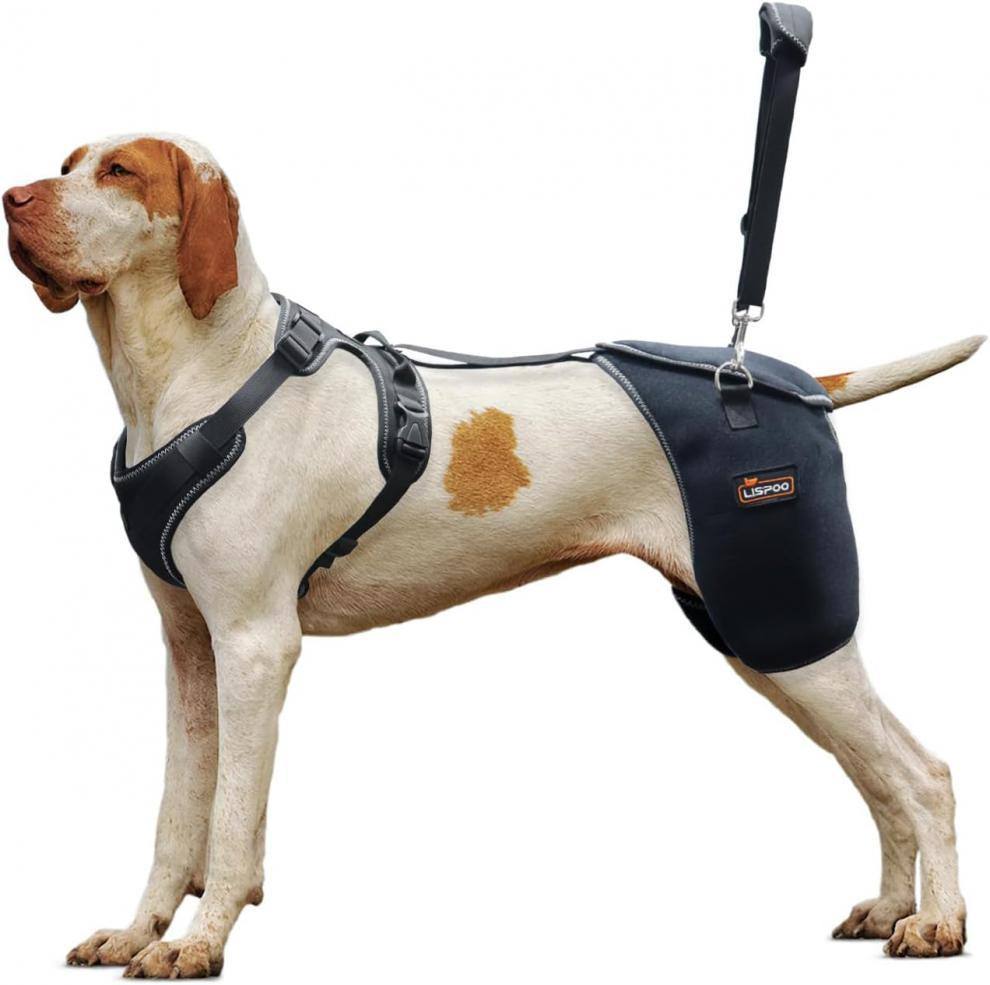
Dog Hip & Knee Support Brace Harness
A supportive brace harness with a padded chest piece and lift handle that stabilises the hips and rear legs. Helps ageing, arthritic or recovering dogs walk, climb and rise with less strain and more confidence.

Padded No-Pull Dog Harness With Handle
A padded no-pull harness for medium and large dogs, with a sturdy top grab handle and adjustable straps. The breathable padded panels spread pressure across the chest for comfortable, controlled walks.
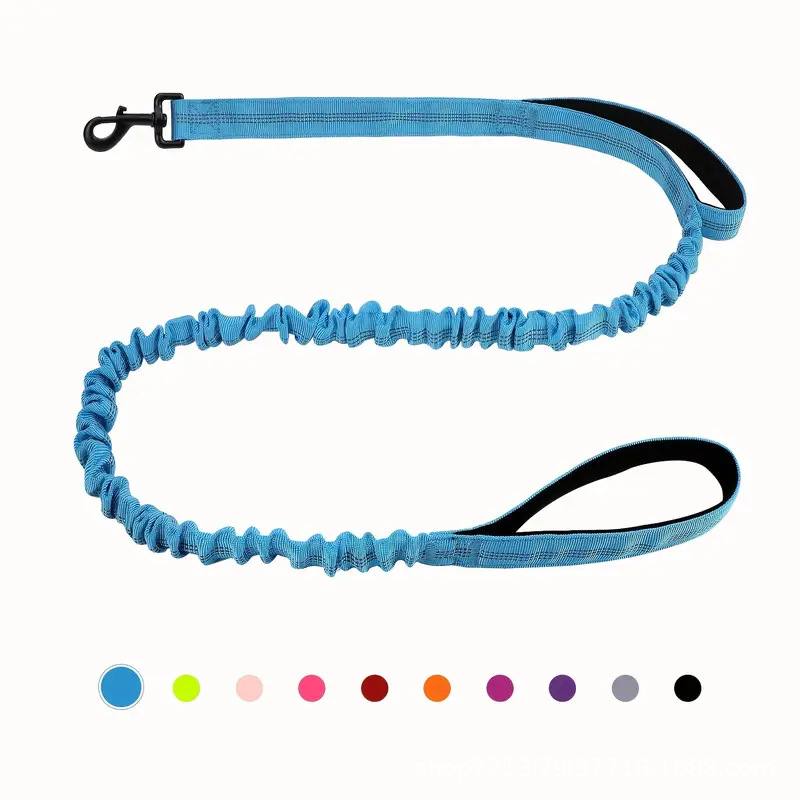
Bungee Anti-Pull Dog Lead with Padded Handles
A shock-absorbing bungee dog lead that cushions sudden pulls from strong dogs. Two padded handles give you close control or relaxed walking, and reflective stitching aids visibility on darker walks.

Linen Pet Teepee Tent Bed
A linen teepee tent bed with a washable cover, giving cats and small dogs a private little den.

Reversible Flannel & Sherpa Pet Blanket
A reversible blanket with soft sherpa on one side and paw-print flannel on the other, machine washable.

Checkered Plush Pet Sofa Mat
A soft chequerboard plush mat that protects furniture while giving pets a cosy spot to relax.
Suggestions based on breed traits — always check sizing and suitability for your individual dog.
Got a English Setter? Save them to a pet profile for tailored picks across the whole site.
Happier, healthier pets — in your inbox.
Breed care tips, seasonal advice and first access to new arrivals. No spam, unsubscribe anytime.
Every dog is an individual — temperament and needs vary. Please research thoroughly, meet dogs in person, and consider adopting from a rescue. This is general guidance, not a substitute for advice from your vet or a qualified trainer.