
Bucovina Shepherd Dog
A massive Romanian livestock guardian bred to protect flocks from predators. Devoted and fearless with its family, but highly territorial, independent and not a fit for novices.
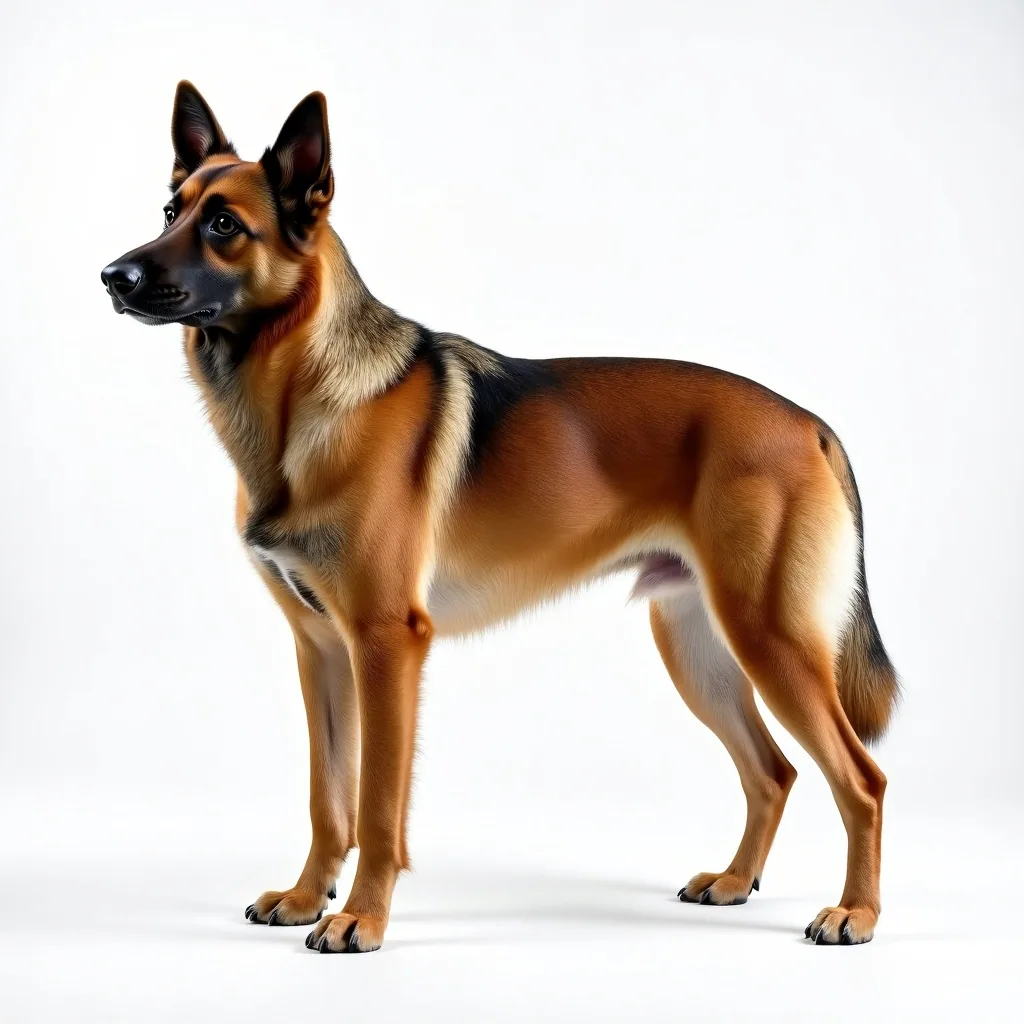
Bucovina Shepherd Dog scorecard
Overview
The Bucovina Shepherd Dog is a giant Romanian livestock guardian, bred over centuries in the Carpathian Mountains to live alongside flocks and defend them from wolves, bears and lynx. Standing roughly 64–78 cm at the shoulder and weighing anywhere from 50 to 90 kg, it is a genuinely imposing animal, with a heavy bone structure, a thick weatherproof coat and a deep, carrying bark used to warn predators away from its territory.
This is a working guardian first and a companion second. The Bucovina (also called the Southeastern European Shepherd) is calm, devoted and quietly affectionate with its own people, yet highly territorial and naturally suspicious of strangers. It is not a breed for novices, for small homes or for anyone unprepared for the scale of feeding, fencing and management a dog of this size demands. In the UK it remains very rare and is not separately recognised by The Kennel Club.
Good to know — a Bucovina Shepherd Dog needs plenty of space and best for experienced owners. Every dog is an individual, so meet a few and chat to a good breeder or rescue before deciding.
Popular searches for the Bucovina Shepherd Dog
History & origins
The breed developed in the Bucovina and broader Carpathian region of north-eastern Romania, where shepherds needed a large, hardy dog capable of working unsupervised for long stretches in harsh mountain weather. Like other regional flock guardians, it was shaped by function rather than by a written standard, with the most effective protectors being bred from generation to generation.
Romania's national kennel club drew up a standard in the twentieth century, and the breed is recognised by the FCI in its livestock-guardian grouping. Outside Romania and a handful of neighbouring countries it is still scarcely known, and reliable population and health records are limited.
Temperament & family fit
With its family the Bucovina is steady, loyal and gentle, often forming a close bond with the household and the animals it considers its charges. It tends to be watchful rather than excitable, conserving energy until it perceives a threat, at which point it becomes formidable. Early, ongoing socialisation is essential so that this guarding instinct is balanced and not indiscriminate.
With strangers the breed is reserved to outright wary, and it will bark readily to announce anything unusual — a trait that suits a remote farm far better than a suburban street. It can be aloof with unfamiliar dogs and, as an independent decision-maker, expects to assess situations for itself. Owners need to be calm, confident and consistent, providing leadership without harshness.
- Families with older, respectful children
- Owners ready for consistent training
- Active homes with plenty of space
Training & intelligence
Bucovina Shepherds are intelligent but independent, bred to act on their own judgement rather than to take direction. They are not biddable in the way a Border Collie is, and training should focus on reliable basics, impeccable recall where possible, and careful management of the guarding drive rather than on obedience for its own sake.
Start socialisation in puppyhood and continue it throughout the dog's life, introducing it to a wide range of people, sounds and situations. Reward-based methods work best; this is a sensitive, thinking breed that responds poorly to heavy-handed correction. Given its size and protectiveness, secure fencing and absolute control around visitors are non-negotiable.
- Start socialisation & handling early
- Reward-based methods only — no harsh corrections
- Keep sessions short, calm and consistent
Exercise needs
A healthy adult Bucovina Shepherd Dog typically needs around an hour a day (roughly 60–80 minutes), split across walks, play and a little training. A good sniffy walk, some play and a little training usually keeps them content. Puppies, seniors and dogs with health conditions need adjusted amounts — check with your vet.
Grooming & coat
The double coat is dense and weatherproof, with a coarse outer layer and a thick undercoat that sheds heavily, particularly during seasonal moults. Weekly brushing keeps it manageable for most of the year, increasing to several times a week when the undercoat is blowing. Routine care of nails, ears and teeth completes a fairly low-maintenance grooming regime for such a large dog.
- Brush several times a week
- Bathe every few weeks or as needed
- Check ears, nails and teeth weekly
Feeding considerations
Feed a complete diet formulated for large or giant breeds, splitting the daily ration across two or more meals to reduce the risk of bloat. During growth, a correctly balanced large-breed puppy food that supports a slow, steady development rate is important for skeletal health. Monitor body condition carefully — excess weight places real strain on the joints of a dog this heavy — and ensure constant access to fresh water.
Bucovina Shepherd Dog health & costs
Before bringing a Bucovina Shepherd Dog home it pays to budget for the whole picture — food, insurance, grooming and routine vet care all add up. The figures below are typical UK estimates for a healthy adult; your real costs vary with where you live, your dog's health and the cover you choose.
Food
£850–1,200 / year
Complete food sized to weight & life stage
Insurance
£45–85 / month
Lifetime cover — varies by age, breed & area
Grooming
£120–300 / year
Occasional pro + home brushing
Routine vet care
£200–450 / year
Vaccines, flea/worm, annual check
As a rare regional breed there is little published, breed-specific health data, so prospective owners should rely on general guidance for giant livestock-guardian types and ask breeders about the health of their own lines. In common with most very large breeds, the main concerns relate to the joints and to the digestive system.
Giant breeds are predisposed to hip and elbow dysplasia and to gastric dilatation-volvulus (bloat), and they typically have shorter lifespans than smaller dogs — here around 10–12 years. Responsible breeders should be screening breeding stock for hip and elbow status and selecting for sound temperament and structure.
Common health conditions to be aware of
- Hip dysplasia — a malformation of the hip joint common in giant breeds; ask breeders for hip scores on the parents.
- Elbow dysplasia — developmental joint disease causing forelimb lameness; elbow screening of breeding stock is advisable.
- Gastric dilatation-volvulus (bloat) — a sudden, life-threatening twisting of the stomach seen in large, deep-chested dogs; feed smaller meals and seek emergency care if symptoms appear.
- Osteoarthritis — degenerative joint disease that giant, heavy dogs are prone to with age; weight control helps reduce risk.
- Obesity-related strain — excess weight markedly worsens joint problems in dogs of this size, so careful feeding matters.
These reflect typical, size- and coat-related risks for dogs like the Bucovina Shepherd Dog; individual breeds carry their own predispositions. Always buy from health-tested parents and speak to your vet — this isn't a diagnosis.
Protect against surprise bills
A single emergency can run into thousands. Lifetime insurance spreads the risk.
Estimate insurance →How pet insurance works →Puppy & senior care
Bringing home a Bucovina Shepherd Dog puppy
Puppies need controlled exercise (a rough guide is five minutes per month of age, twice a day) to protect growing joints, little-and-often meals of a complete puppy food, early socialisation, and a calm routine for toilet training and sleep. Book first vaccinations, microchipping and a vet check early.
New puppy checklist →Caring for a senior Bucovina Shepherd Dog
As they age, watch weight, joints and teeth, switch to a senior diet if your vet advises, keep exercise gentle but regular, and consider orthopaedic bedding and ramps. Twice-yearly vet checks help catch issues early — larger breeds age sooner, so start senior care from around 6–7 years.
Orthopaedic beds & mobility →Pros & cons
The good bits
- Powerful, devoted livestock guardian
- Hardy and weatherproof
Things to consider
- Strongly territorial and wary of strangers
- Independent guarding breed unsuited to novices
Compare the Bucovina Shepherd Dog
See how the Bucovina Shepherd Dog measures up against similar breeds before you decide:
More breeds like the Bucovina Shepherd Dog
Same breed group
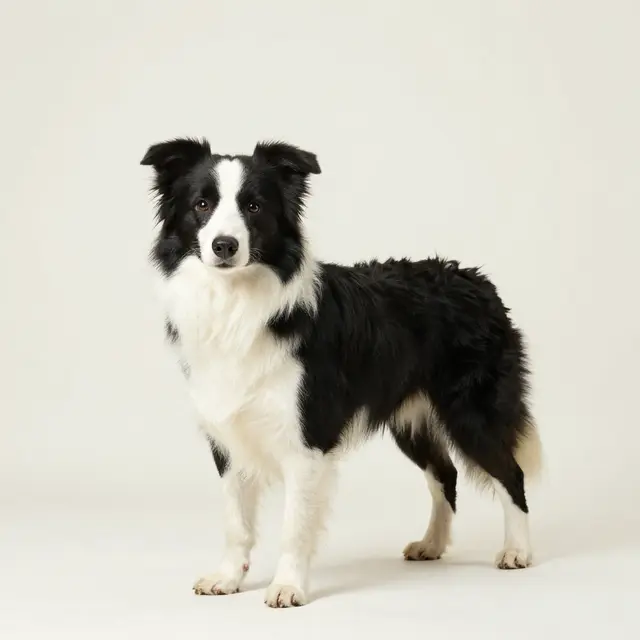
Border Collie
The ultimate working brain — astonishingly clever and trainable, but needs hours of exercise and a job to do.
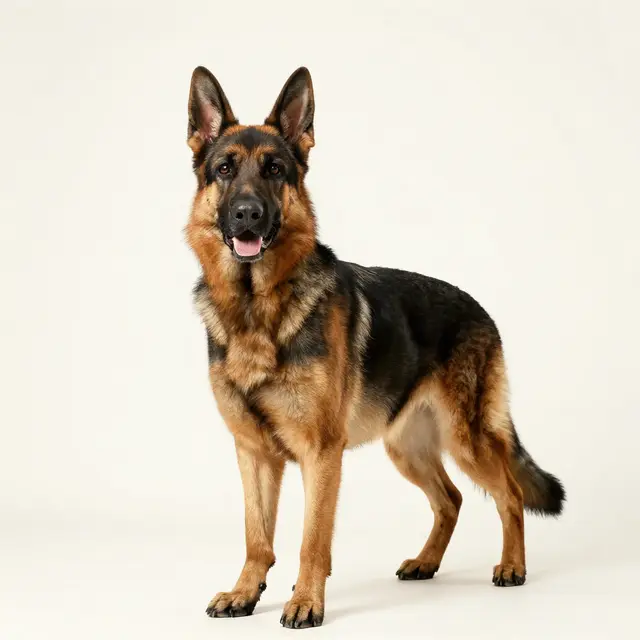
German Shepherd
A loyal, courageous and highly trainable working dog that needs experienced handling and plenty to do.
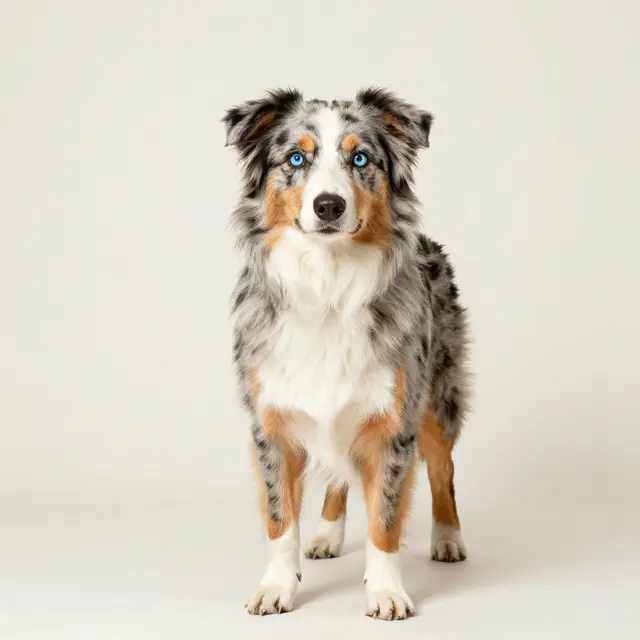
Australian Shepherd
A brilliant, energetic herding dog that excels at sport and work — but needs a busy, committed owner.
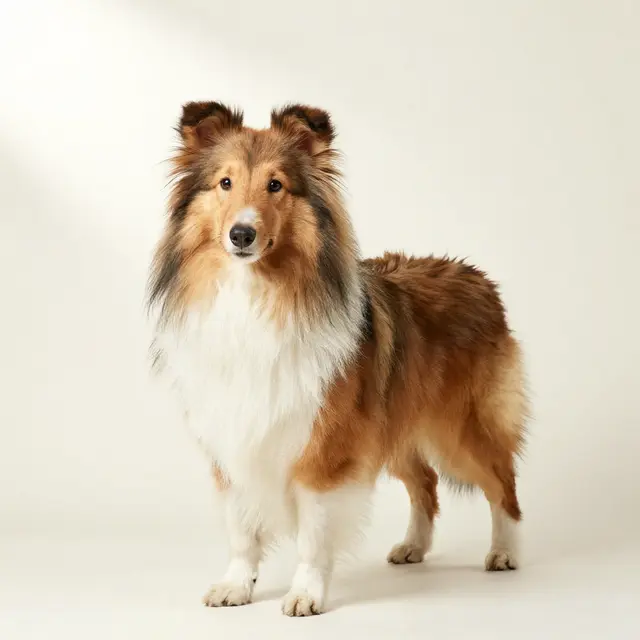
Shetland Sheepdog
A small, brainy herding dog — the "Sheltie" is devoted, highly trainable and excels at agility and obedience.
Similar temperament
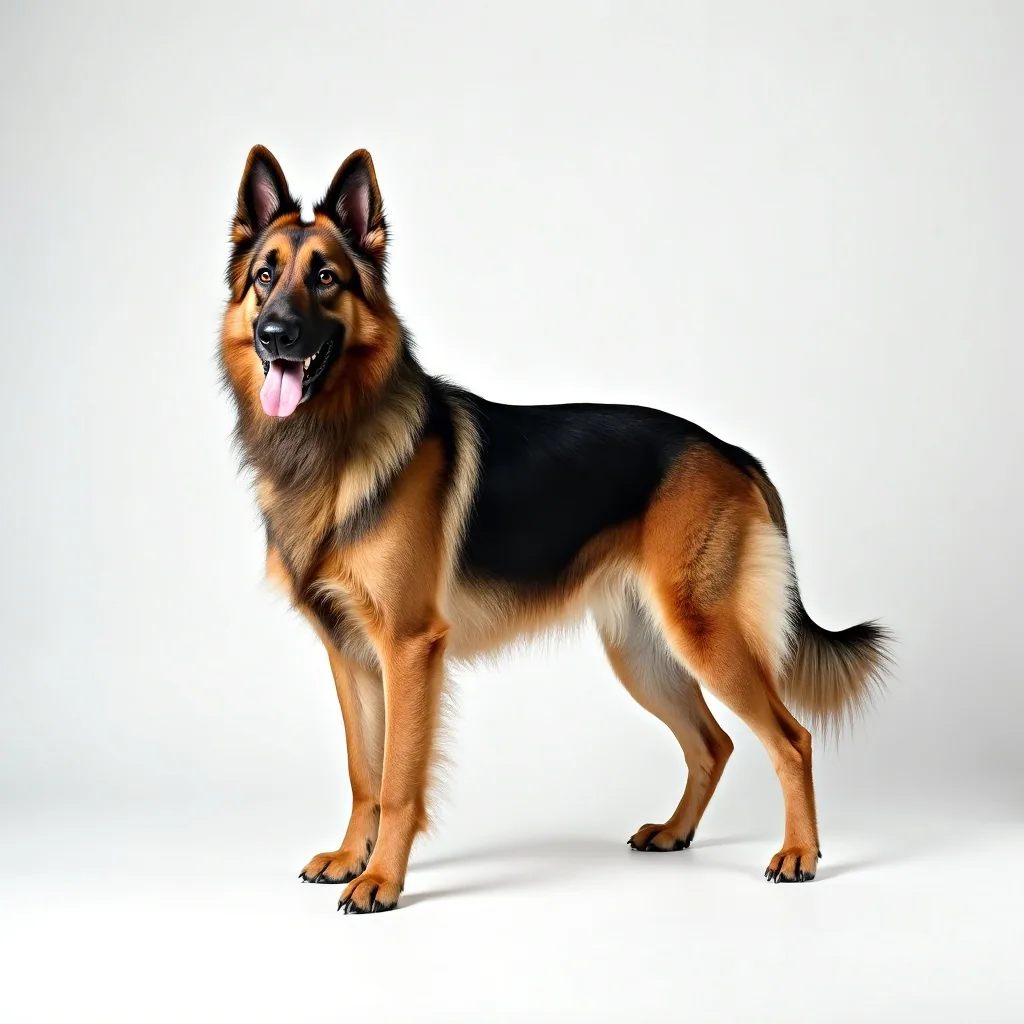
Carpathian Shepherd Dog
A large Romanian mountain livestock guardian bred to fend off wolves and bears. Devoted and balanced with its family, but territorial, independent and best for experienced rural owners.
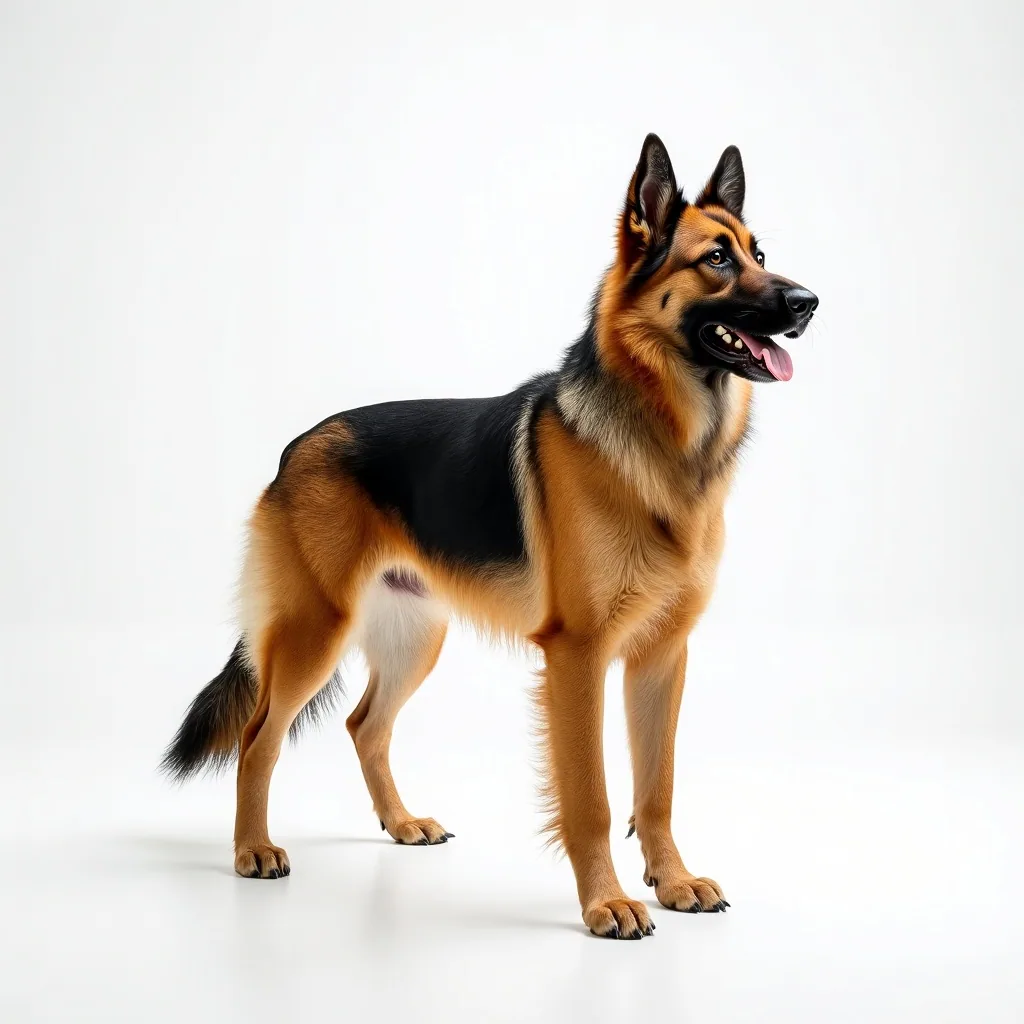
Macedonian Shepherd Dog
A large Balkan livestock-guardian dog (Šarplaninac-type) bred to defend flocks from predators. Courageous, independent and intensely protective, requiring confident, experienced ownership.
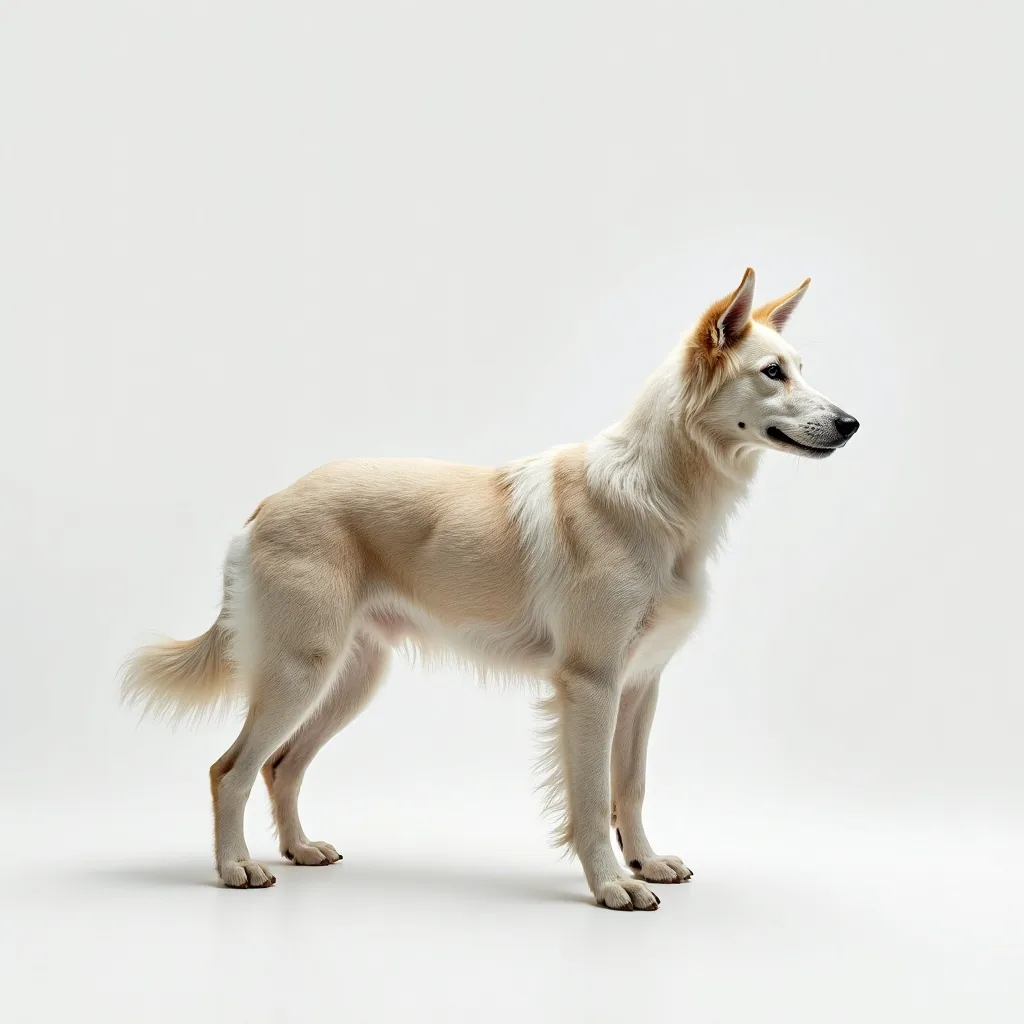
Maremmano-Abruzzese Sheepdog
A large white Italian livestock-guardian dog bred to live with flocks. Dignified, devoted and intensely protective, but independent, territorial and best suited to rural, experienced homes.
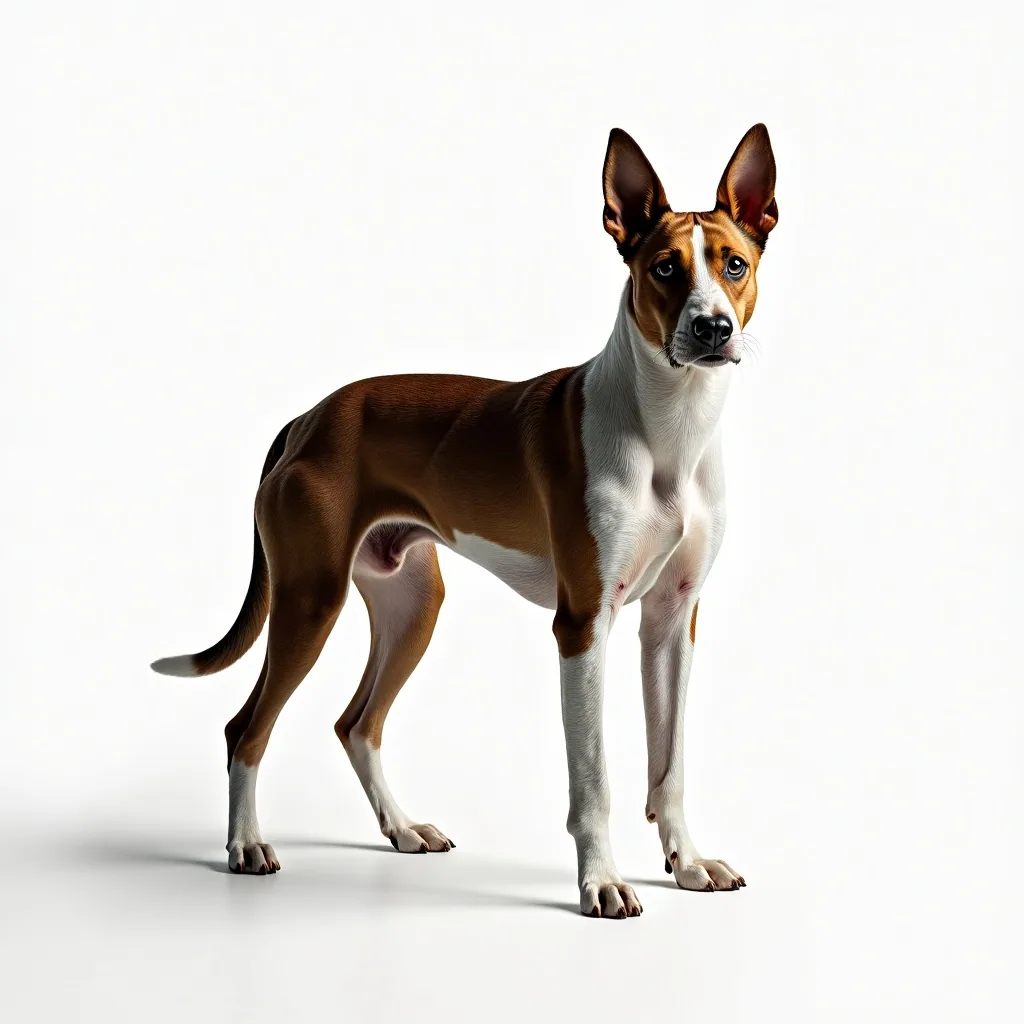
Cão de Gado Transmontano
A huge Portuguese livestock guardian from the Trás-os-Montes region, bred to protect flocks from wolves. Calm and devoted with family, but powerfully territorial and independent.
Similar size, different type
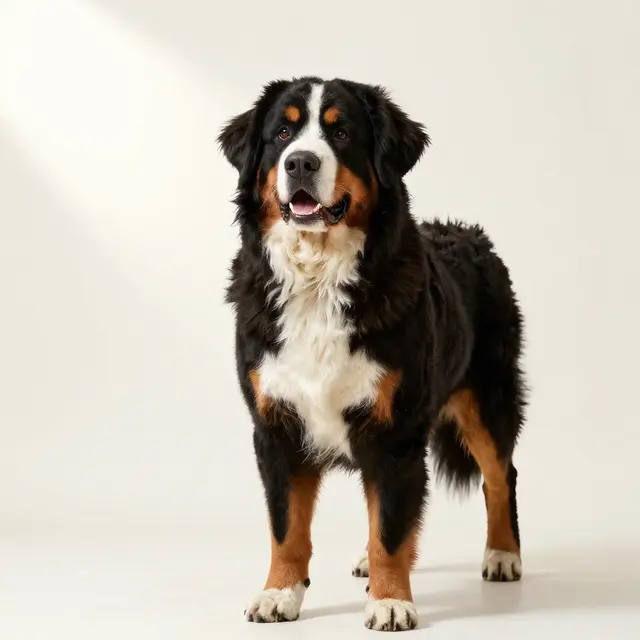
Bernese Mountain Dog
A gentle giant — calm, affectionate and wonderful with families, if you have the space and a big heart.
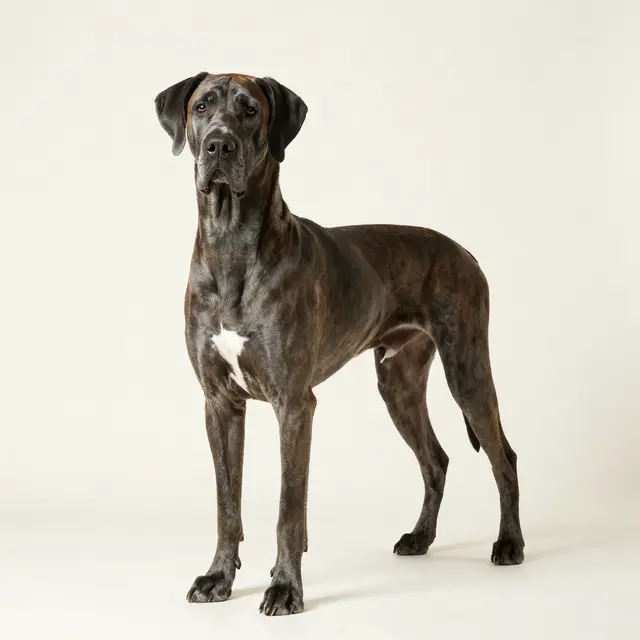
Great Dane
A truly enormous yet gentle and affectionate "gentle giant" — surprisingly calm for its size.
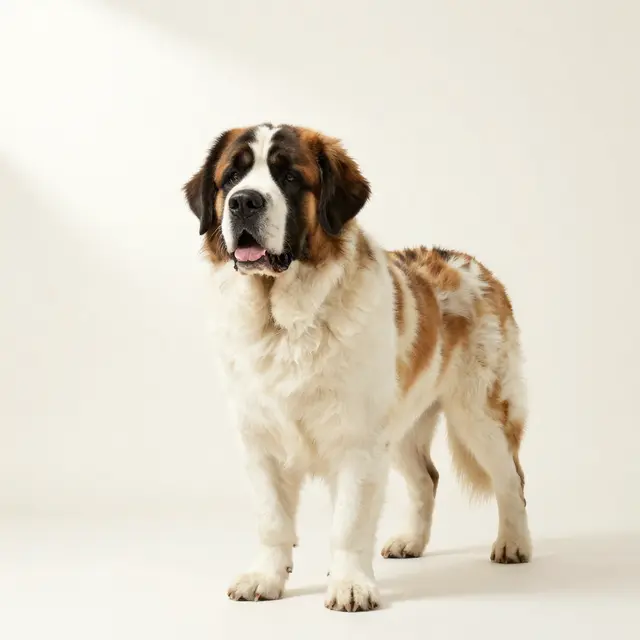
Saint Bernard
The classic gentle giant — calm, patient and wonderful with children, though it drools, sheds and lives a shorter giant-breed life.
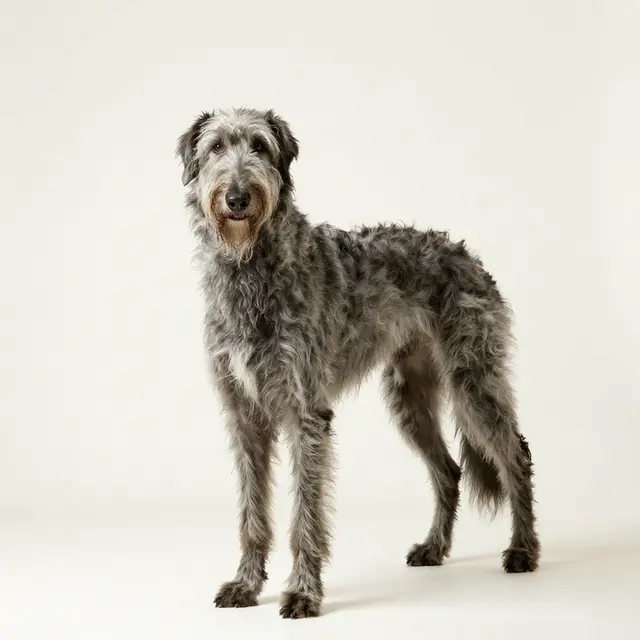
Irish Wolfhound
The tallest of all breeds — a gentle, calm and good-natured sighthound that is, sadly, one of the shortest-lived.
Is the Bucovina Shepherd Dog your breed?
Create your pet profile and get personalised food, toy, insurance and health recommendations — tailored to your dog.
Frequently asked questions
What is the Bucovina Shepherd Dog?
The Bucovina Shepherd Dog is a giant Romanian livestock guardian, bred over centuries in the Carpathian Mountains to live alongside flocks and defend them from wolves, bears and lynx. Also called the Southeastern European Shepherd, it has heavy bone, a thick weatherproof coat and a deep, carrying bark used to warn predators away.
How big is a Bucovina Shepherd Dog?
It is genuinely imposing, standing roughly 64–78 cm at the shoulder and weighing anywhere from 50 to 90 kg. A dog of this scale demands serious consideration of feeding, fencing and general management before taking one on.
What is the Bucovina Shepherd's temperament like?
With its own family it is steady, loyal and quietly affectionate, often bonding closely with the household and the animals it considers its charges. It is watchful rather than excitable, but reserved to outright wary with strangers and will bark readily. Early, ongoing socialisation is essential to keep its guarding instinct balanced.
Can a Bucovina Shepherd be trained like an obedience dog?
Not in the way a biddable breed can. It is intelligent but independent, bred to act on its own judgement rather than take direction. Training should focus on reliable basics, recall where possible and careful management of the guarding drive, using reward-based methods. Secure fencing and absolute control around visitors are non-negotiable.
How much exercise does a Bucovina Shepherd need?
Despite its bulk it is a moderate-energy dog rather than a tireless athlete; it was bred to patrol and guard, not run for miles. Daily walks, space to roam and a clear territory to oversee usually satisfy it. Avoid forced high-impact exercise during the long growth period of a giant-breed puppy to protect developing joints.
Is the Bucovina Shepherd suitable for a town or suburban home?
Generally not. It is best suited to a rural or smallholding home with secure boundaries, experienced owners and a genuine role to perform. Its territorial nature, size and loud, ready bark make it poorly suited to flats, busy urban environments or households with frequent visitors. In the UK it is very rare and not separately recognised by The Kennel Club.
What health problems can affect the Bucovina Shepherd?
As a rare regional breed there is little published, breed-specific health data, so guidance leans on giant livestock-guardian types generally. The main concerns are joints and the digestive system: giant breeds are predisposed to hip and elbow dysplasia and to bloat. Responsible breeders should screen breeding stock for hip and elbow status.
How long does a Bucovina Shepherd Dog live?
Like most very large breeds it typically lives a shorter life, around 10–12 years. A correctly balanced large-breed diet that supports slow, steady growth, careful weight management and routine veterinary care all help protect its joints and overall health.
Are Bucovina Shepherd Dogs good with children?
Fine with sensible, older children. As a general guide, Bucovina Shepherd Dogs tend to be fine with sensible, older children. Whatever the breed, always supervise dogs and young children and teach kids to interact gently.
How much exercise does a Bucovina Shepherd Dog need?
As a healthy adult, a typical Bucovina Shepherd Dog needs around an hour of exercise a day (60–80 minutes), split across walks plus play. A good sniffy walk plus some play and training usually keeps them happy. Puppies, seniors and dogs with health conditions need less — ask your vet.
Do Bucovina Shepherd Dogs shed a lot?
High shedding. Coat upkeep is regular brushing — brush regularly to keep the coat in good condition.
Are Bucovina Shepherd Dogs easy to train and good for first-time owners?
Best for experienced owners. Bucovina Shepherd Dogs are best for owners ready to commit to consistent training and plenty of activity. Reward-based training and early socialisation help any dog.
Do Bucovina Shepherd Dogs bark a lot?
Vocal / alert barker. They can be quite vocal, so early training and enough exercise and stimulation help keep barking in check.
Are Bucovina Shepherd Dogs good with other dogs?
Can be selective with other dogs. Early, positive socialisation with other dogs from a young age makes a big difference.
Do Bucovina Shepherd Dogs suit flats or smaller homes?
Needs plenty of space. A Bucovina Shepherd Dog really needs plenty of space and a lot of daily activity — not ideal for a small flat.
Sources
- Fédération Cynologique Internationale (FCI) — breed standards and group classification, https://www.fci.be/en/nomenclature/
- The Kennel Club (UK) — Breeds A to Z and breed recognition, https://www.thekennelclub.org.uk/breeds-a-to-z/
- PDSA — Big dog breeds and giant-breed care advice, https://www.pdsa.org.uk/pet-help-and-advice
- Blue Cross — Choosing and caring for large dogs, https://www.bluecross.org.uk/advice
Recommended for your Bucovina Shepherd Dog
Matched to a Bucovina Shepherd Dog's size and their typical need for help with shedding, no-pull walking kit, a cosy bed.
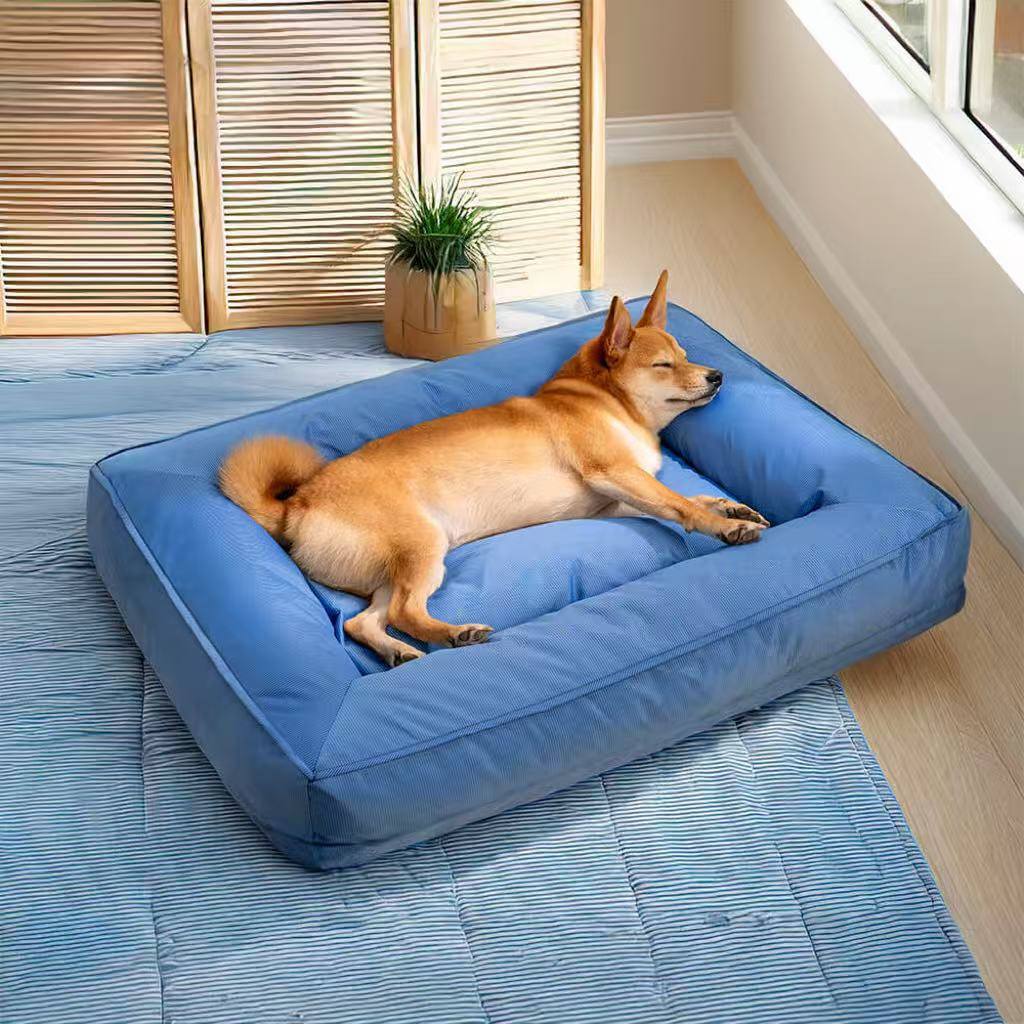
Bolstered Orthopaedic Dog Bed
A supportive bolstered dog bed with a thick cushioned base and raised sides that cradle joints and give a place to rest the head. Ideal for older dogs or any pet who likes to stretch out for restful, comfortable sleep.

Extra Large Orthopaedic Dog Sofa Bed
An extra-large orthopaedic sofa bed with a cushioned mattress to support bigger dogs while they sleep.

Reversible Flannel & Sherpa Pet Blanket
A reversible blanket with soft sherpa on one side and paw-print flannel on the other, machine washable.

Soft Fleece Pet Blanket
A plush double-sided sherpa blanket that keeps pets cosy and shields beds, sofas and car seats from fur.
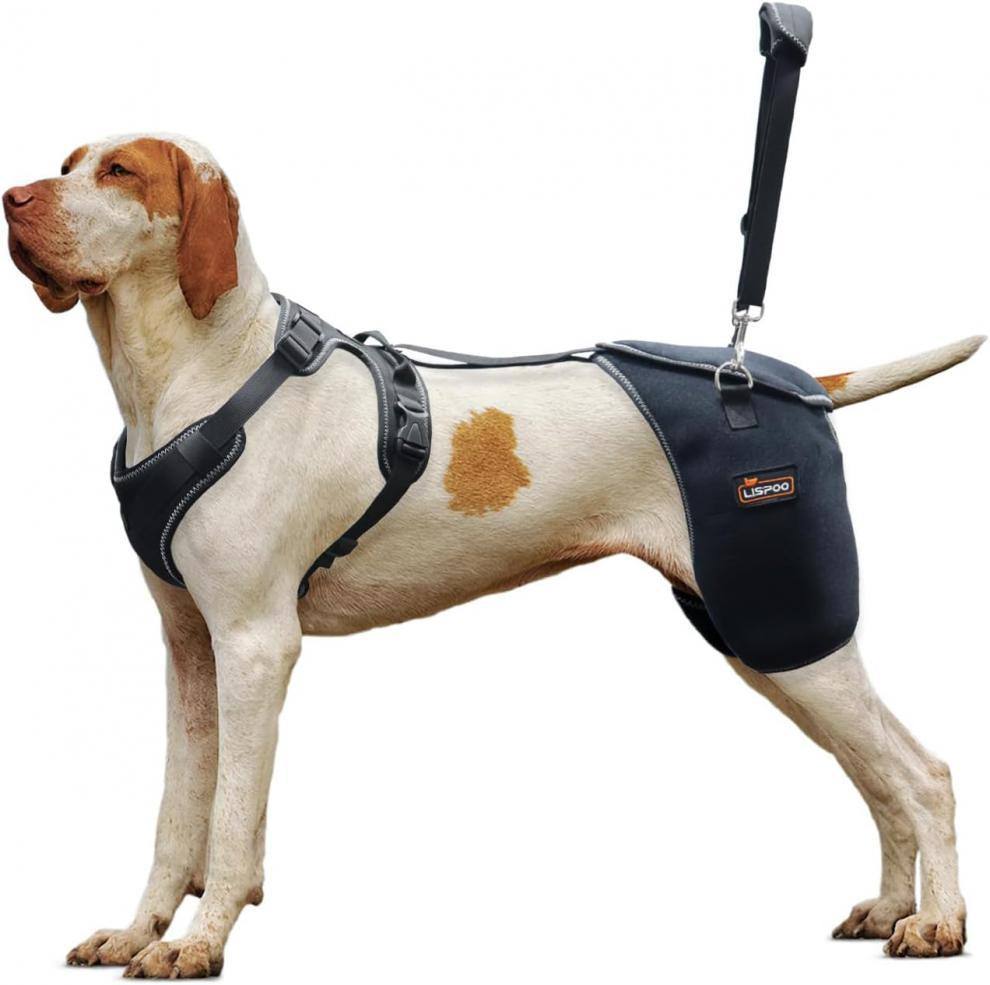
Dog Hip & Knee Support Brace Harness
A supportive brace harness with a padded chest piece and lift handle that stabilises the hips and rear legs. Helps ageing, arthritic or recovering dogs walk, climb and rise with less strain and more confidence.
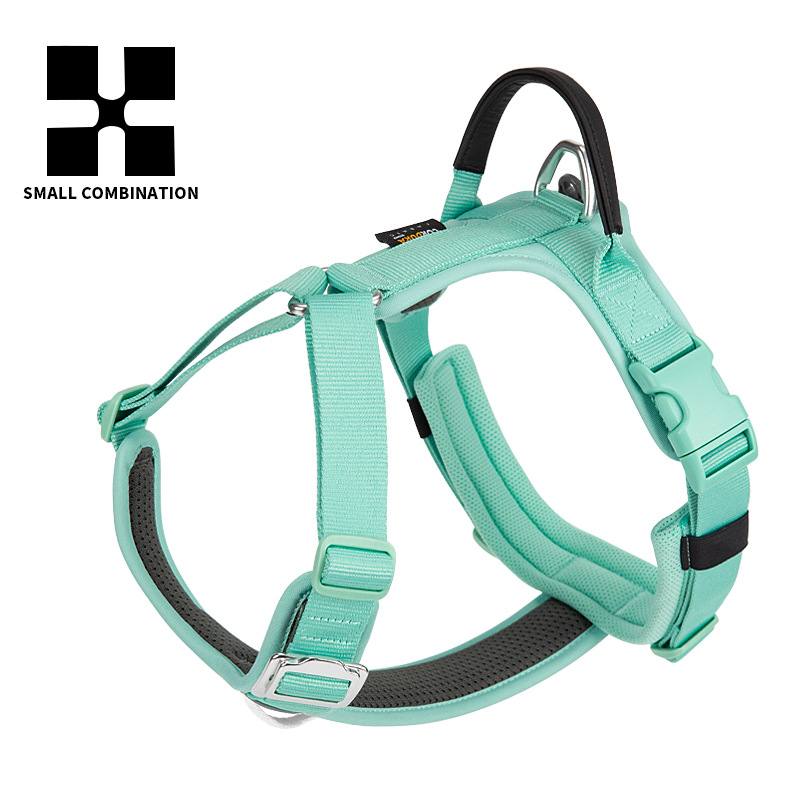
Padded No-Pull Dog Harness With Handle
A padded no-pull harness for medium and large dogs, with a sturdy top grab handle and adjustable straps. The breathable padded panels spread pressure across the chest for comfortable, controlled walks.
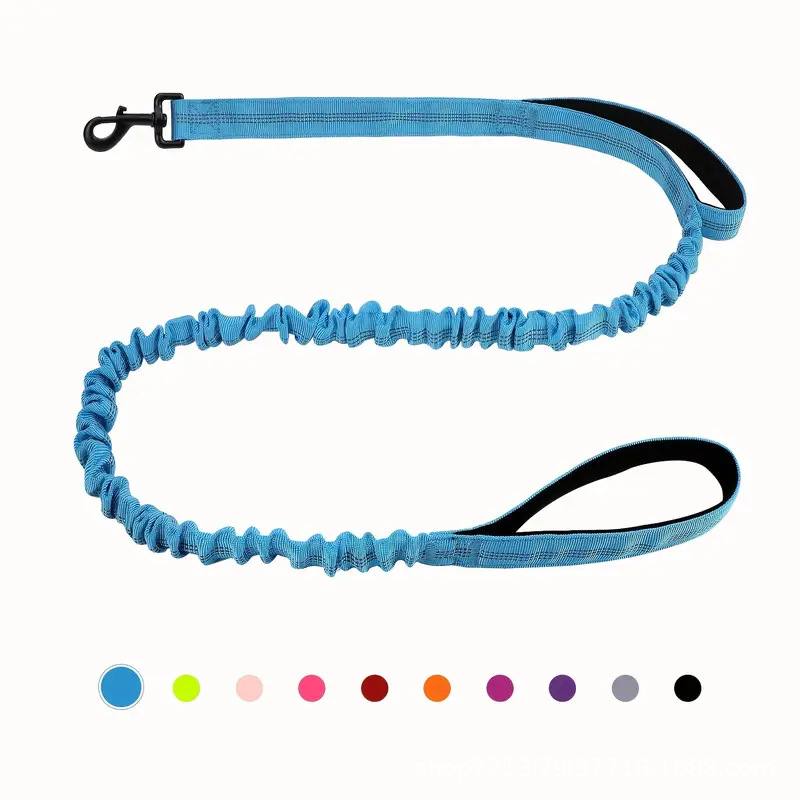
Bungee Anti-Pull Dog Lead with Padded Handles
A shock-absorbing bungee dog lead that cushions sudden pulls from strong dogs. Two padded handles give you close control or relaxed walking, and reflective stitching aids visibility on darker walks.

Linen Pet Teepee Tent Bed
A linen teepee tent bed with a washable cover, giving cats and small dogs a private little den.
Suggestions based on breed traits — always check sizing and suitability for your individual dog.
Got a Bucovina Shepherd Dog? Save them to a pet profile for tailored picks across the whole site.
Happier, healthier pets — in your inbox.
Breed care tips, seasonal advice and first access to new arrivals. No spam, unsubscribe anytime.
Every dog is an individual — temperament and needs vary. Please research thoroughly, meet dogs in person, and consider adopting from a rescue. This is general guidance, not a substitute for advice from your vet or a qualified trainer.