


Braces & Supports
Supports and braces for dogs recovering from injury or living with joint problems. Sizing needs to be exact to do any good and a poorly fitted brace can make things worse, so this is a category to buy on your vet's advice rather than instead of it.
Shop Senior & Mobility by type
Choose a section to narrow the range.



9 products

Dog Hip & Hind-Leg Support Brace
An orthotic brace that wraps the hip and thigh to stabilise the rear leg with gentle support.
£27.99

Soft Padded Recovery Cone Collar
A soft padded recovery collar in breathable Oxford fabric that gently stops your pet licking or biting wounds, stitches and hotspots after surgery. Adjustable buckle fit, lightweig
From£11.99

Dog Recovery Boot for Injured Paws
A protective paw boot that shields healing wounds, torn pads, bleeding toes and damaged nails. Soft yet durable with adjustable straps, it keeps the injury clean and lets your dog
From£10.99

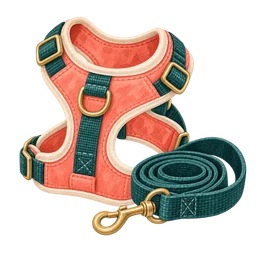
Dog Hip & Knee Support Brace Harness
A supportive brace harness with a padded chest piece and lift handle that stabilises the hips and rear legs. Helps ageing, arthritic or recovering dogs walk, climb and rise with le
From£68.99

Dog Spine & Back Support Jacket
A supportive neoprene jacket that gently braces your dog's back and spine to encourage better posture and discourage hunching. Adjustable and breathable, it offers comfortable ever
£11.99

Dog Knee & Leg Support Sleeves (Set of 4)
A set of four knitted, elasticated leg sleeves that gently support your dog's knees and joints, helping ease strain and protect healing limbs during recovery and everyday movement.
£7.99

Inflatable Pet Recovery Collar
A soft inflatable recovery collar that stops pets nibbling or scratching wounds after surgery, a comfortable alternative to a rigid cone. Padded ring with adjustable snap closure l
From£12.99

Dog Neck Support Brace
A padded neoprene brace that steadies a dog's neck to ease strain and stiffness during rest and recovery, with an adjustable fastening and seven sizes.
From£17.99

Dog Back Support Brace
A padded neoprene back brace that wraps and supports a dog's spine and lower back, with reflective trim and a lift handle. Helps steady dogs recovering from back strain or coping w
£20.99
Braces and support aids cover knee and leg sleeves, hip and knee support harnesses, and recovery collars, aimed at dogs managing joint stiffness or recovering from an injury or operation. They provide physical support and protection, not treatment, and are meant to work alongside whatever your vet has advised rather than instead of it.
What is in this aisle
Knee and leg support sleeves offer gentle compression and stability to a joint that is stiff or recovering, in a similar way to a support bandage would for a person. A hip and knee support brace harness provides broader support across the hindquarters, useful for a dog with more general weakness rather than a single joint issue.
Recovery collars, such as an inflatable pet recovery collar, protect a healing wound or surgical site from being licked or scratched, which is a different job from the joint supports but often needed around the same period after an operation.
Choosing the right support
A leg or knee sleeve suits a specific, known joint issue, and fit matters a great deal, since a sleeve that slips or bunches will not provide consistent support. A fuller hip and knee harness suits more general hindquarter weakness or a dog recovering from a bigger procedure affecting mobility overall.
These products work best when chosen with your vet's advice on the specific issue, rather than picked based on a general description alone, since the right level and location of support depends on what is actually going on with the joint.
Using a brace day to day
Introduce a brace or sleeve gradually, letting your dog get used to the sensation before expecting them to wear it for extended periods, and check regularly for rubbing, swelling or signs of discomfort underneath. Most are designed to be worn during activity and removed for rest, though this depends on the specific product and your vet's guidance.
Keep an eye on how your dog moves with the brace on, since a support that changes their gait noticeably, rather than simply steadying it, is worth reviewing rather than persisting with.
This is support, not treatment
None of these products treat the underlying joint problem, ligament injury or recovery process itself; they provide physical support and protection while that is managed medically. A brace bought without a clear reason, or used instead of proper veterinary assessment of a new injury, is not a substitute for diagnosis.
If your dog has a new limp, sudden lameness or visible pain, that needs a vet's assessment before you choose a support product, rather than the other way round. Our directory of local vets can help if you need one nearby.
From the Knowledge Hub
Common questions
What do braces and supports do?
They provide gentle compression and stability to joints such as the knee, hock or wrist, which may help comfort and confidence — they are not a cure, so use them as part of a plan agreed with your vet.
How do I choose the right size?
Measure the relevant limb and joint as described in the size guide, as a good fit is essential — too tight restricts circulation and too loose offers little support.
Should I use a brace without veterinary advice?
It is best to check with your vet first, as the right support depends on the diagnosis, and the wrong one or incorrect use could delay healing.
Advice & planning
Tools and advice
Practical calculators and trusted guides relevant to this product.
The two-minute quiz
What does your pet really need?
Five profiles, ten easy questions — find out whether your pet is a Bundle of Energy, a Cosy Cuddler, a Happy Foodie, the Fresh & Fabulous type or a born Adventurer (and exactly what tends to suit them).