
Tornjak
A large Balkan livestock-guarding dog from the Bosnian and Croatian mountains. Calm, devoted and steady, but independent, territorial and built to guard flocks.
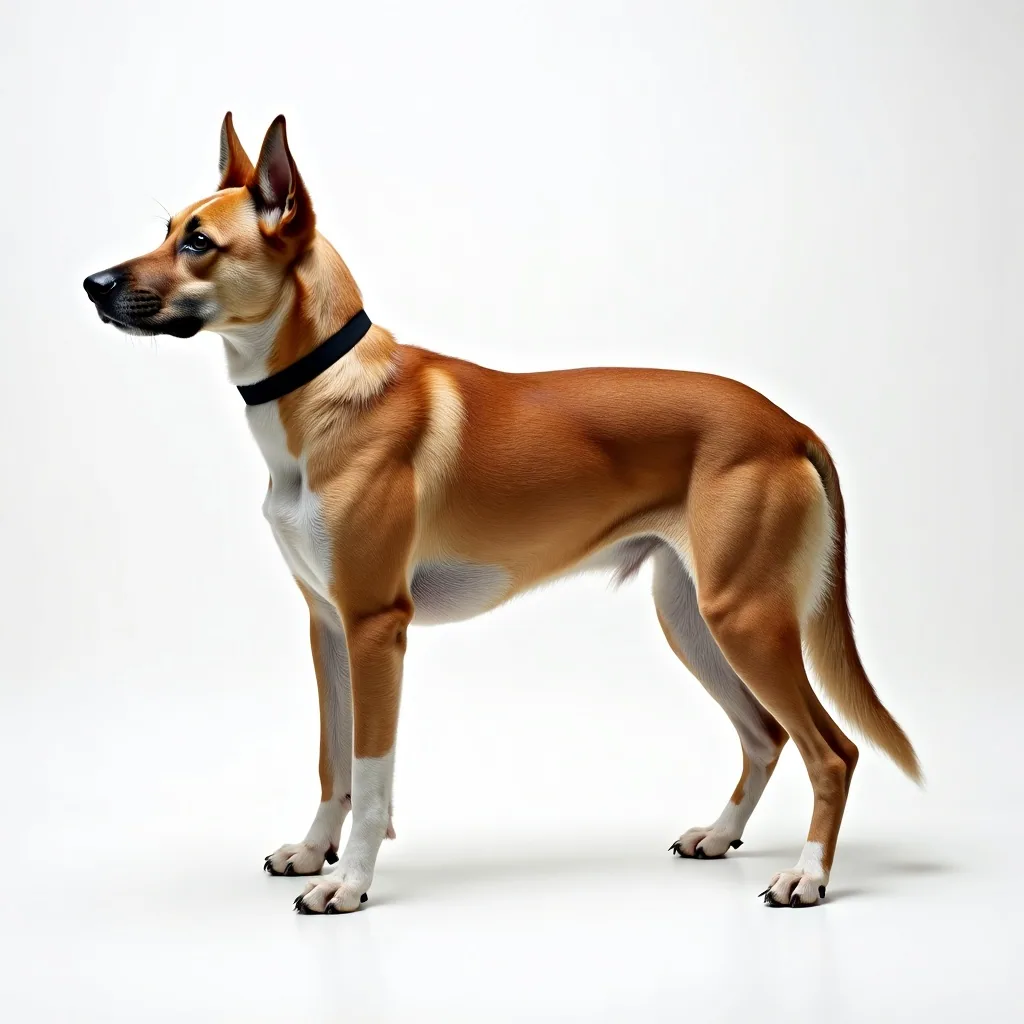
Tornjak scorecard
Overview
The Tornjak is a large livestock-guarding dog native to the mountains of Bosnia and Herzegovina and Croatia, where it has worked alongside shepherds protecting flocks of sheep and goats from predators for centuries. Powerfully built and covered in a long, weatherproof coat, it is a classic flock guardian in the same broad family as the Šarplaninac and other Balkan mountain dogs, bred for endurance, independence and the steady nerve needed to face down wolves and other threats.
This is very much a working guardian rather than a conventional pet. The Fédération Cynologique Internationale (FCI) recognises the Tornjak, but it remains rare outside its homeland and is not currently recognised as a separate breed by the UK Kennel Club, so you are unlikely to encounter one in Britain. Owners drawn to the breed should understand its purpose: a calm, devoted companion to those it knows, but a serious, territorial protector by instinct.
Good to know — a Tornjak needs plenty of space and better with some experience. Every dog is an individual, so meet a few and chat to a good breeder or rescue before deciding.
Save the Tornjak guide
Thinking about a Tornjak? Pop your email in and we’ll send this guide so you can come back to it any time — handy while you compare breeds.
Popular searches for the Tornjak
History & origins
The Tornjak's name derives from the Bosnian and Croatian word "tor", meaning a sheep pen or enclosure, reflecting its historic role guarding penned and grazing livestock in the Dinaric Alps. Dogs of this type are mentioned in regional records going back several centuries, and the modern breed is the result of dedicated restoration efforts by Bosnian and Croatian cynologists from the 1970s onwards, who sought out surviving working dogs in remote mountain villages to re-establish a recognised type.
The FCI granted the breed full recognition in stages, with the standard developed jointly under the patronage of both Bosnia and Herzegovina and Croatia. Throughout this history the Tornjak has been bred for function rather than show, valued for its ability to live outdoors year-round and to work with minimal direction from its shepherd.
Temperament & family fit
With its own family and livestock, the Tornjak is typically calm, steady and deeply devoted. It is not a frantic or fussy dog; instead it tends to watch its surroundings quietly, conserving energy until something genuinely warrants a response. This composure makes it a dignified presence at home, and many owners describe a gentle, affectionate side with people and animals it has been raised to protect.
The flip side of that guardian temperament is natural wariness of strangers and strong territorial instincts. The Tornjak is independent by design, bred to make its own decisions on a hillside without waiting for a human, which means it is not biddable in the way a herding or gundog breed is. It needs early, thorough socialisation and an owner who understands livestock-guardian behaviour, as its protectiveness can become problematic without careful management.
- Families with children of all ages
- Owners ready for consistent training
- Active homes with plenty of space
Training & intelligence
Training a Tornjak calls for patience, consistency and realistic expectations. As an independent guardian breed it does not live to please its handler in the way many companion breeds do, and harsh or repetitive methods will simply erode trust. Calm, reward-based training and clear, fair boundaries from puppyhood work best, building a relationship of mutual respect rather than rigid obedience.
Socialisation is the single most important investment. Exposing a young Tornjak to a wide range of people, places, dogs and everyday situations helps temper its natural suspicion of the unfamiliar. Even so, this is not a breed for a novice owner; its size, strength and protective drive mean it needs an experienced handler who can manage a powerful, strong-willed dog responsibly throughout its life.
- Start socialisation & handling early
- Reward-based methods only — no harsh corrections
- Keep sessions short, calm and consistent
Exercise needs
A healthy adult Tornjak typically needs around an hour a day (roughly 60–80 minutes), split across walks, play and a little training. A good sniffy walk, some play and a little training usually keeps them content. Puppies, seniors and dogs with health conditions need adjusted amounts — check with your vet.
Grooming & coat
The Tornjak carries a long, dense double coat with a profuse outer layer and thick undercoat that protects it in harsh mountain weather. Regular brushing, typically several times a week, helps manage shedding and prevent matting, with heavier seasonal moults requiring more frequent attention. The coat is otherwise fairly low-maintenance and naturally weather-resistant, needing only routine care alongside standard nail, ear and dental upkeep.
- Brush several times a week
- Bathe every few weeks or as needed
- Check ears, nails and teeth weekly
Feeding a Tornjak
As a large, slow-maturing breed, the Tornjak should be fed a complete, balanced diet appropriate to its size, age and activity level, with large-breed puppy food during growth to support healthy bone and joint development. Portions should be matched to its working or domestic activity to keep it lean, as excess weight places strain on the joints of any big dog. As with all deep-chested breeds, splitting the daily ration into two meals and avoiding heavy exercise around mealtimes is a sensible precaution; consult your vet for tailored guidance.
A giant breed
An adult Tornjak typically weighs 28–50 kg, so a healthy Tornjak eats a lot, and the sack size matters as much as the recipe compared with other breeds. Every feeding guide on a bag is written per kilo of body weight, not per breed — start there, then adjust to the dog in front of you.
Life stage
A giant breed is usually done growing at 18–24 months, which is roughly when a puppy food has finished its job. With a typical lifespan of 11–14 years, there is a long adult stretch in the middle; switch to a senior food when your vet thinks it is worth it rather than on a birthday.
Joint support is worth looking for
Their size and frame put more load through the joints than a smaller dog carries, so a food with joint support on the label is worth reading for — and keeping them lean does more for their joints than any supplement.
Weight matters more than usual here
A long back or a heavy frame makes every extra kilo count twice. Weigh portions rather than eyeballing a scoop, and reduce the food rather than the walks if the waist starts to disappear.
How much should a Tornjak weigh?
Adult 28–50 kgfully grown at 18–24 months
| Age | Stage | Typical weight | Of adult size |
|---|---|---|---|
| 8 weeks | Just home | 2.5–4.4 kg | 9% |
| 3 months | Young puppy | 4–7.1 kg | 14% |
| 6 months | Growing fast | 8–14.3 kg | 29% |
| 12 months | Adolescent | 16–28.6 kg | 57% |
| 18–24 months | Fully grown | 28–50 kg | 100% |
A guide, from the same rule of thumb our puppy growth predictor uses — each age is that share of the way to maturity for a giant breed. Puppies grow fastest early, so a real puppy usually sits a little above the middle rows. Weigh yours and ask your vet if the number worries you.
Complete dog foods that suit a Tornjak
Complete foods from our range, matched to a Tornjak's size band and what the breed typically needs. Stock levels and delivery dates are live on each product.


Field & Trial Skinner S Field Trial Light Senior
A lower-fat dry food for older, overweight or less active dogs, including working breeds
From£9.85

Autarky Complete Grain Free Adult Turkey
Grain-free complete dry food for adult dogs, with turkey and a marine-algae joint care package
£12.79

Autarky Grain Free Tasty White Fish & Potato Complete
Grain-free dry dog food built around white fish meal rather than poultry
£12.99

Lily's Kitchen Lily S Kitchen Dog Lovely Lamb
Complete lamb-led dry dog food offered in two practical bag sizes
From£25.15

Burns Adult/Senior Weight Control Chicken and Oats
A low-fat weight control dry food for adult and senior dogs, oat-based
£35.99


Burns Adult Large/Giant Breed Chicken and Brown Rice
Complete large-breed dry dog food with 23% chicken and brown rice
£59.99

Burgess Greyhound and Lurcher Chicken
Complete adult dry food formulated for the specific build of greyhounds and lurchers
£35.35


Naturo Senior Rice Poultry Variety 6pk
Six 400g trays across three recipes for senior dogs, with glucosamine and chondroitin
£10.29

Naturo Senior Dog Turkey with Rice and Vegetables 7pk
Turkey at 65% in a senior wet tray, with brown rice, vegetables and added joint support
£11.99
Tornjak health & costs
Before bringing a Tornjak home it pays to budget for the whole picture — food, insurance, grooming and routine vet care all add up. The figures below are typical UK estimates for a healthy adult; your real costs vary with where you live, your dog's health and the cover you choose.
Food
£850–1,200 / year
Complete food sized to weight & life stage
Insurance
£45–85 / month
Lifetime cover — varies by age, breed & area
Grooming
£120–300 / year
Occasional pro + home brushing
Routine vet care
£200–450 / year
Vaccines, flea/worm, annual check
The Tornjak is generally regarded as a robust, hardy breed, a reflection of its origins as a hard-working mountain dog selected primarily for function and survival rather than appearance. Many lines have retained good working soundness, and the breed's relatively modest popularity has so far spared it the intense selection pressures seen in some more fashionable breeds.
That said, breed-specific health data is sparse because the Tornjak is rare and population-wide screening schemes are limited. As with most large and giant guardian breeds, hip and elbow joint problems are the main concern to watch for, and prospective owners should seek breeders who health-test their stock. Given the lack of large-scale UK data, owners should treat general large-breed health guidance as their best reference and discuss screening with a vet.
Common health conditions to be aware of
- Hip dysplasia — a heritable malformation of the hip joint common in large guardian breeds; responsible breeders should hip-score breeding stock.
- Elbow dysplasia — a developmental joint condition that can cause lameness in large, heavy dogs; screening of parents is advisable.
- Gastric dilatation-volvulus (bloat) — a life-threatening twisting of the stomach that deep-chested large breeds can be prone to; know the warning signs.
- Obesity-related joint strain — excess weight worsens wear on the joints of any giant breed, so a lean body condition is important.
- Limited breed-specific data — because the Tornjak is rare, robust population health statistics are scarce, so general large-breed screening is recommended.
These reflect typical, size- and coat-related risks for dogs like the Tornjak; individual breeds carry their own predispositions. Always buy from health-tested parents and speak to your vet — this isn't a diagnosis.
Protect against surprise bills
A single emergency can run into thousands. Lifetime insurance spreads the risk.
Estimate insurance →How pet insurance works →Puppy & senior care
Bringing home a Tornjak puppy
Puppies need controlled exercise (a rough guide is five minutes per month of age, twice a day) to protect growing joints, little-and-often meals of a complete puppy food, early socialisation, and a calm routine for toilet training and sleep. Book first vaccinations, microchipping and a vet check early.
New puppy checklist →Caring for a senior Tornjak
As they age, watch weight, joints and teeth, switch to a senior diet if your vet advises, keep exercise gentle but regular, and consider orthopaedic bedding and ramps. Twice-yearly vet checks help catch issues early — larger breeds age sooner, so start senior care from around 6–7 years.
Orthopaedic beds & mobility →Pros & cons
The good bits
- Calm, steady and devoted family guardian
- Hardy livestock-guarding instinct
Things to consider
- Independent guardian nature needs experienced owners
- Large size, heavy coat and wary of strangers
Compare the Tornjak
See how the Tornjak measures up against similar breeds before you decide:
More breeds like the Tornjak
Same breed group
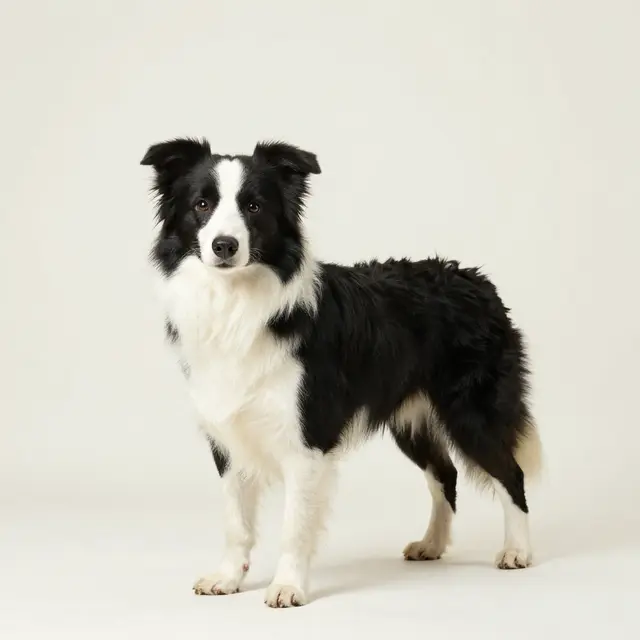
Border Collie
The ultimate working brain — astonishingly clever and trainable, but needs hours of exercise and a job to do.
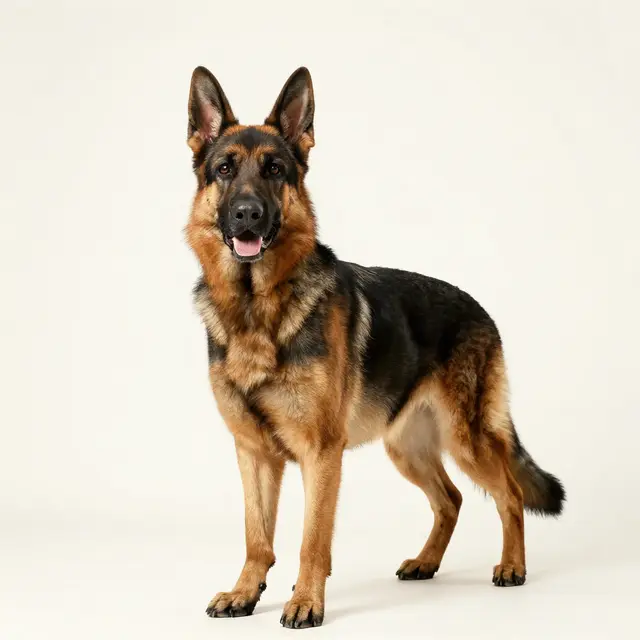
German Shepherd
A loyal, courageous and highly trainable working dog that needs experienced handling and plenty to do.
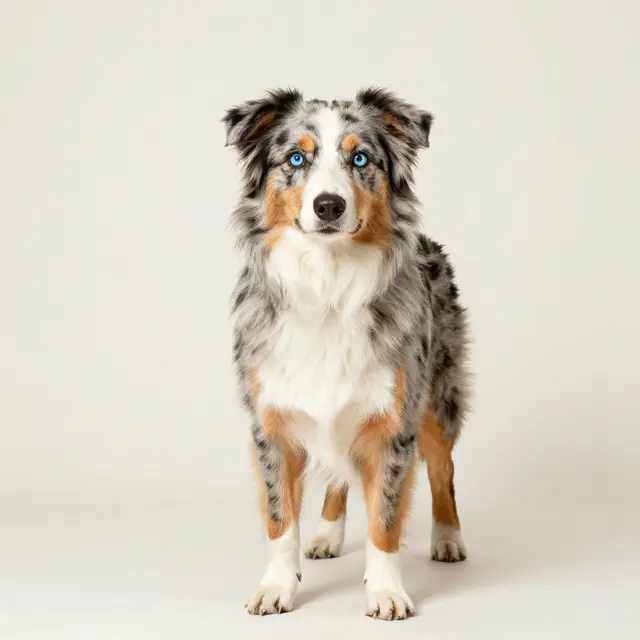
Australian Shepherd
A brilliant, energetic herding dog that excels at sport and work — but needs a busy, committed owner.
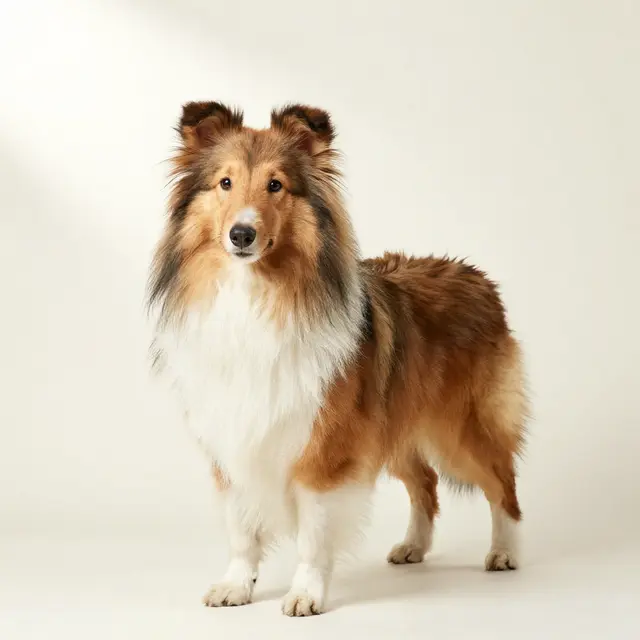
Shetland Sheepdog
A small, brainy herding dog — the "Sheltie" is devoted, highly trainable and excels at agility and obedience.
Similar temperament
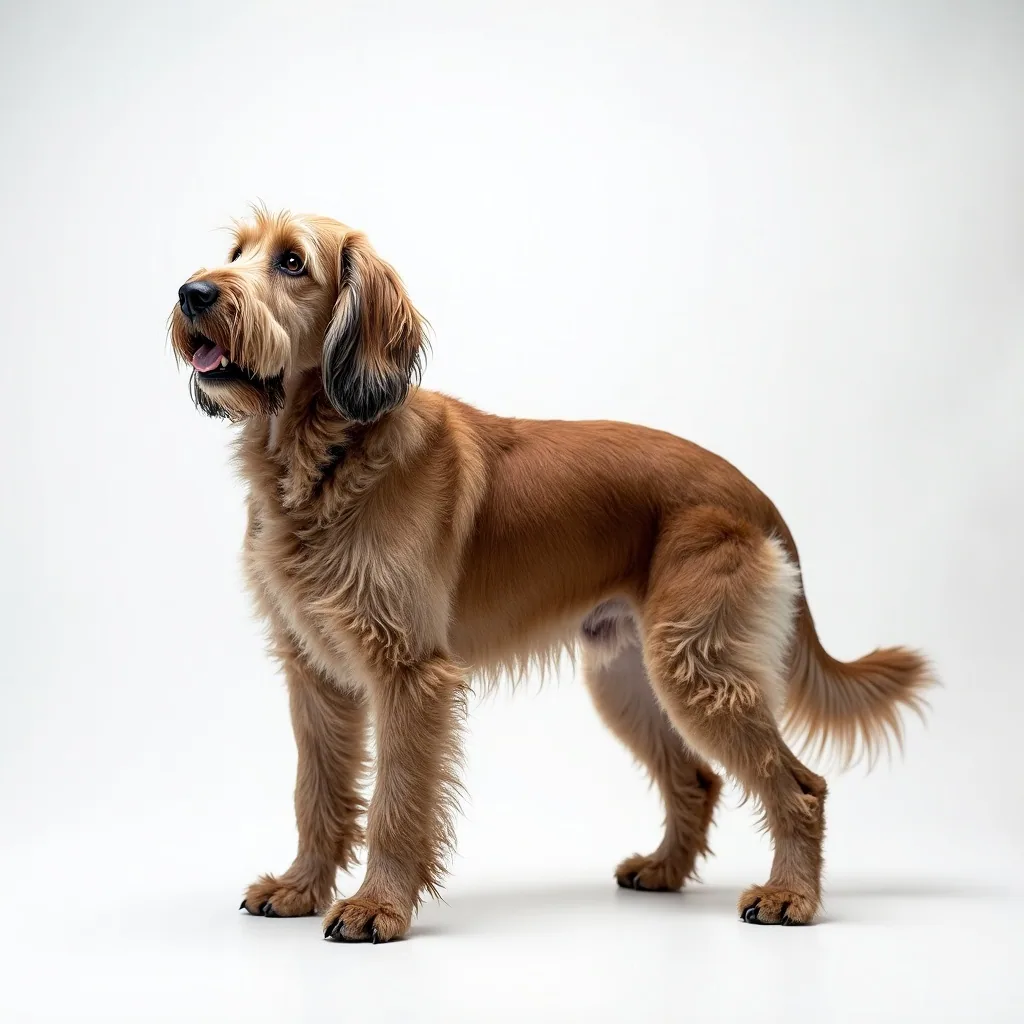
Bergamasco Shepherd
An ancient Italian flock-herding breed with a distinctive coat of felted flocks. Intelligent, patient and devoted, but independent-minded and protective, with an unusual coat that needs specialist (rather than frequent) care.
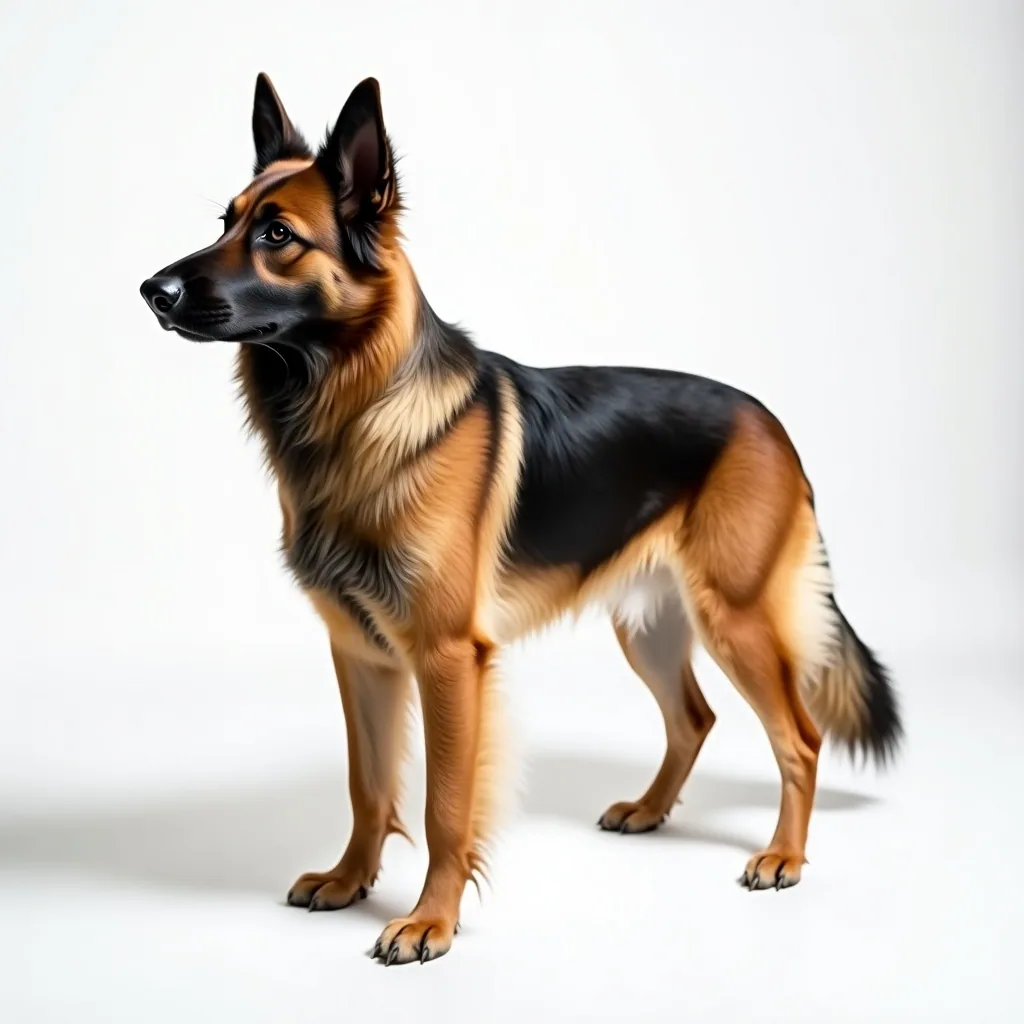
Tatra Shepherd Dog
A large white Polish flock-guarding dog from the Tatra mountains. Calm, gentle and devoted to its family, but independent, territorial and protective of livestock.
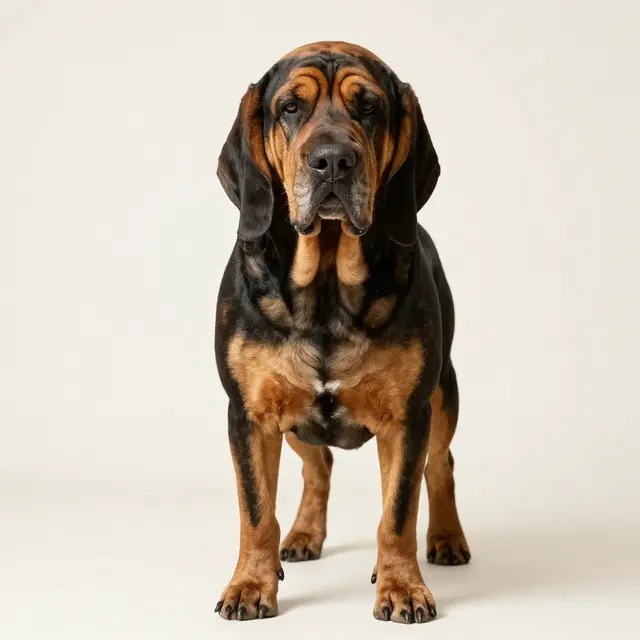
Bloodhound
The ultimate scent hound — gentle, affectionate and tolerant, but ruled entirely by its remarkable nose.
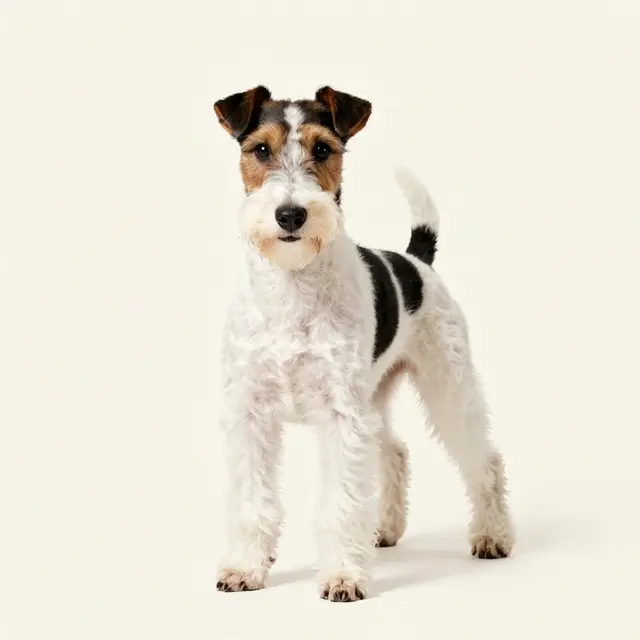
Fox Terrier
A lively, classic British terrier (smooth or wire) — bold and full of character, with strong terrier instincts.
Similar size, different type
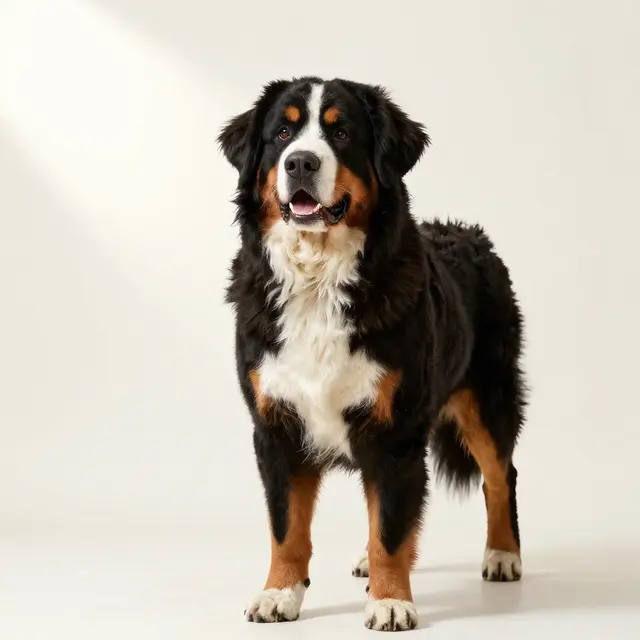
Bernese Mountain Dog
A gentle giant — calm, affectionate and wonderful with families, if you have the space and a big heart.
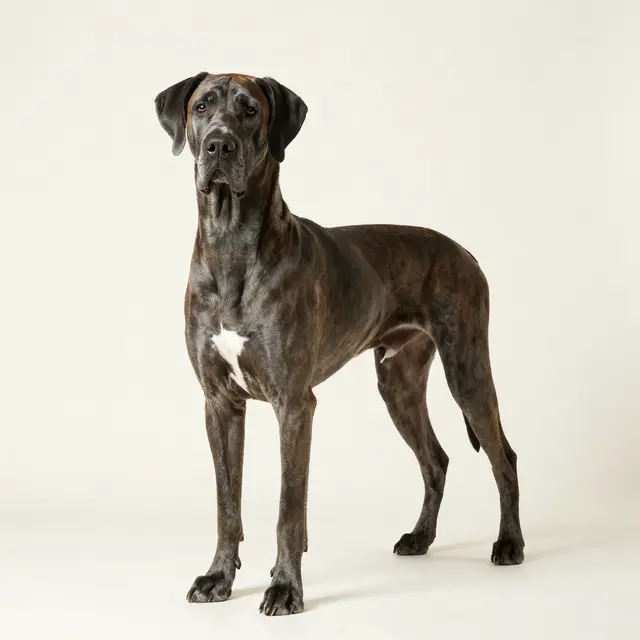
Great Dane
A truly enormous yet gentle and affectionate "gentle giant" — surprisingly calm for its size.
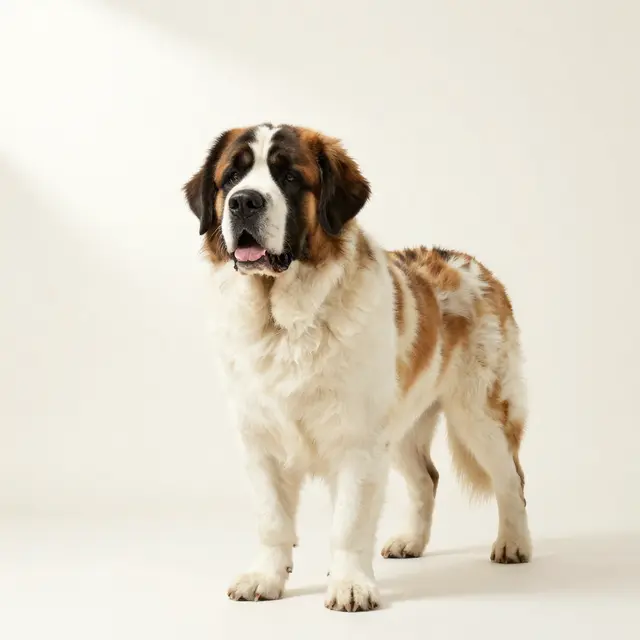
Saint Bernard
The classic gentle giant — calm, patient and wonderful with children, though it drools, sheds and lives a shorter giant-breed life.
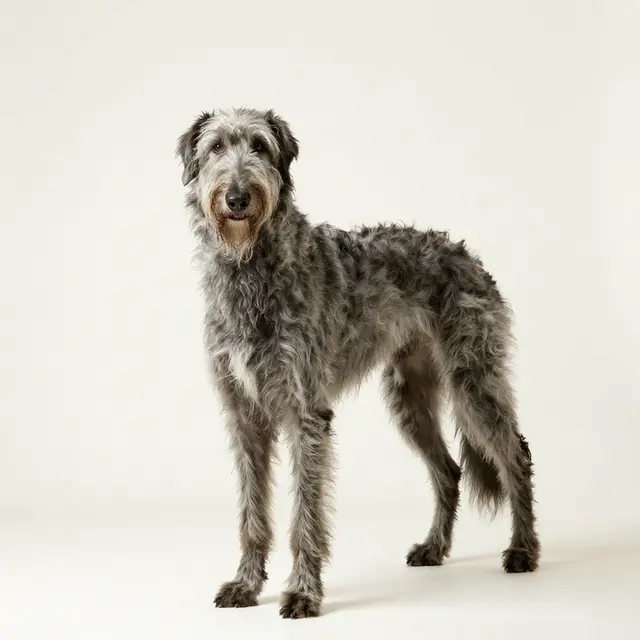
Irish Wolfhound
The tallest of all breeds — a gentle, calm and good-natured sighthound that is, sadly, one of the shortest-lived.
Is the Tornjak your breed?
Create your pet profile and get personalised food, toy, insurance and health recommendations — tailored to your dog.
Frequently asked questions
What is the Tornjak?
The Tornjak is a large livestock-guarding dog native to the mountains of Bosnia and Herzegovina and Croatia, where it has protected flocks of sheep and goats from predators for centuries. Powerfully built with a long, weatherproof coat, it belongs to the same broad family as the Šarplaninac and other Balkan mountain dogs. The FCI recognises it, but it remains rare outside its homeland.
How big does a Tornjak get and how long does it live?
It is a large guardian breed, typically standing around 60 to 70 cm at the shoulder and weighing roughly 28 to 50 kg, with males larger than females. As a robust working mountain dog it has a typical lifespan of around 11 to 14 years. Breed-specific data is sparse due to its rarity, so general large-breed health guidance is the best reference.
What is the Tornjak's temperament like?
With its own family and livestock the Tornjak is typically calm, steady and deeply devoted, watching its surroundings quietly and conserving energy until something genuinely warrants a response. The flip side is natural wariness of strangers and strong territorial instincts. It is independent by design, bred to make its own decisions, so it is not biddable in the way a herding or gundog breed is.
Is the Tornjak good with families and children?
Within its own household the Tornjak can be a gentle, affectionate and devoted companion to the people and animals it has been raised to protect. However, its size, guarding drive and wariness of strangers mean early, thorough socialisation and supervision around children are essential. It is a serious, territorial protector by instinct rather than a casual family pet.
How much exercise and space does a Tornjak need?
The Tornjak has moderate exercise needs by guardian-dog standards but needs plenty of secure space to patrol, making it well suited to a rural property. Daily walks and the freedom to roam a large, well-fenced area keep it content, and it is happiest with a job such as overseeing its territory. It is not suited to apartment living or homes without secure boundaries.
How much grooming does a Tornjak need?
The Tornjak carries a long, dense double coat with a profuse outer layer and thick undercoat. Regular brushing, typically several times a week, helps manage shedding and prevent matting, with heavier seasonal moults requiring more frequent attention. The coat is otherwise fairly low-maintenance and naturally weather-resistant, needing only routine care alongside standard nail, ear and dental upkeep.
What health problems affect the Tornjak?
The Tornjak is generally regarded as robust and hardy, having been selected for function and survival rather than appearance. Breed-specific data is sparse, but as with most large guardian breeds, hip and elbow joint problems are the main concern to watch for. Prospective owners should seek breeders who health-test their stock and treat general large-breed guidance as their best reference.
Is the Tornjak suitable for first-time owners?
No. The Tornjak is best suited to rural or semi-rural homes with secure land and experienced owners who understand livestock-guardian breeds. Its size, strength, protectiveness and need for space and a job make it a serious, lifelong commitment and a poor match for flats, busy urban settings or novice handlers. With the right home and early socialisation it becomes calm, devoted and impressive.
Are Tornjaks good with children?
Good with children. As a general guide, Tornjaks tend to be patient and tolerant. Whatever the breed, always supervise dogs and young children and teach kids to interact gently.
How much exercise does a Tornjak need?
As a healthy adult, a typical Tornjak needs around an hour of exercise a day (60–80 minutes), split across walks plus play. A good sniffy walk plus some play and training usually keeps them happy. Puppies, seniors and dogs with health conditions need less — ask your vet.
Do Tornjaks shed a lot?
High shedding. Coat upkeep is regular brushing — brush regularly to keep the coat in good condition.
Are Tornjaks easy to train and good for first-time owners?
Better with some experience. Tornjaks are best for owners ready to commit to consistent training and plenty of activity. Reward-based training and early socialisation help any dog.
Do Tornjaks bark a lot?
Moderate barker. They are usually fairly easy-going about barking, though any dog will bark if bored or under-exercised.
Are Tornjaks good with other dogs?
Generally fine with other dogs. Early, positive socialisation with other dogs from a young age makes a big difference.
Do Tornjaks suit flats or smaller homes?
Needs plenty of space. A Tornjak really needs plenty of space and a lot of daily activity — not ideal for a small flat.
Sources
- Fédération Cynologique Internationale (FCI) — Tornjak breed standard (No. 355): https://www.fci.be/en/nomenclature/TORNJAK-355.html
- The Kennel Club — Getting a dog and choosing a breed: https://www.thekennelclub.org.uk/getting-a-dog-or-puppy/
- PDSA — Choosing the right dog and large-breed care: https://www.pdsa.org.uk/pet-help-and-advice/looking-after-your-pet/getting-a-dog
- Blue Cross — Choosing the right dog for you: https://www.bluecross.org.uk/advice/dog/thinking-of-getting-a-dog
Recommended for your Tornjak
Matched to a Tornjak's size and their typical need for help with shedding, no-pull walking kit, a cosy bed.

Reflective Two-Tone Dog Harness and Lead Set
A bright two-tone step-in dog harness with a matching lead. Adjustable straps and quick-release buckles give a snug fit, while reflective trim keeps your dog visible on darker walks.
£7.99

L-Shaped Bolster Sofa Dog Bed
A supportive L-shaped sofa bed with a raised bolster back and side for your dog to rest their head. The thick padded base cushions joints, and the soft rose-velvet cover is removable and washable for easy care.
From£44.99

Plush Bee Cat Harness and Lead Set
A soft plush cat harness with a 3D bee charm and a matching lead, adjustable at neck and chest, made for kittens, cats and very small dogs on gentle outings.
£7.99

Corduroy Dog Harness with Bow
A soft corduroy step-in dog harness with breathable mesh lining and gold-tone alloy buckles. The adjustable fit and pretty bow detail make walks comfortable and stylish for small and medium dogs.
From£7.99


Orthopaedic Memory Foam Dog Sofa Bed
An orthopaedic memory-foam dog bed with supportive bolster sides for head and neck resting. The egg-crate foam core cushions joints and distributes weight, ideal for older or larger dogs needing extra support.
From£39.99

Bugalugs Hemp Oil for Dogs & Cats – 50ml
A natural, UK-made hemp seed oil supplement rich in Omega-3, -6, and -9 to support calmness, joint mobility, and a healthy, glossy coat.
£13.99
Suggestions based on breed traits — always check sizing and suitability for your individual dog.
Got a Tornjak? Save them to a pet profile for tailored picks across the whole site.
Happier, healthier pets — in your inbox.
Breed care tips, seasonal advice and first access to new arrivals. No spam, unsubscribe anytime.
Every dog is an individual — temperament and needs vary. Please research thoroughly, meet dogs in person, and consider adopting from a rescue. This is general guidance, not a substitute for advice from your vet or a qualified trainer.