
Saint Bernard
Bred by monks at the Great St Bernard Pass to find and rescue travellers in the Alps, the Saint Bernard is the archetypal gentle giant — calm, patient and wonderful with children. It suits homes with space who can manage heavy shedding, drooling and giant-breed costs, and who'll keep this affectionate mountain dog cool and lean.

Saint Bernard scorecard
Overview
The Saint Bernard is a giant working breed from the Swiss Alps, famous as the archetypal gentle giant. Males in particular are enormous, with the breed standing roughly 65–90 cm at the shoulder and weighing somewhere in the region of 54–82 kg, with a massive head, powerful frame and a kindly, dignified expression. The breed comes in both short-haired (smooth) and long-haired (rough) coats, generally in white with red, brindle or tan markings. As a giant breed it has a relatively short lifespan of around 8–10 years.
Despite its imposing size, the Saint Bernard is renowned for a calm, patient and affectionate temperament, and it is often particularly good with children. It is a steady, devoted family companion rather than an energetic working athlete in the modern home. The trade-offs are practical ones: the breed drools, sheds heavily, eats a great deal, and brings all the costs and the shorter life expectancy associated with giant dogs. Anyone considering one needs the space, budget and realism to take on a dog of this scale.
Good to know — a Saint Bernard needs plenty of space and manageable for committed beginners. Every dog is an individual, so meet a few and chat to a good breeder or rescue before deciding.
Popular searches for the Saint Bernard
History & origins
The Saint Bernard descends from large mountain and farm dogs of the Swiss and Italian Alps and is named after the hospice of the Great St Bernard Pass, founded by monks to shelter travellers crossing the treacherous route between Switzerland and Italy. From at least the seventeenth and eighteenth centuries, the monks kept large dogs at the hospice, and over time these dogs became associated with locating and helping travellers lost in the snow.
The breed's fame as an Alpine rescue dog is bound up with stories of dogs such as the celebrated Barry, credited with saving many lives in the early nineteenth century. The popular image of the Saint Bernard carrying a small barrel around its neck is a romantic embellishment rather than documented historical practice. The breed was developed and standardised in Switzerland through the nineteenth century and is recognised internationally; the Kennel Club places it in the Working Group.
Temperament & family fit
Saint Bernards are typically gentle, friendly and good-natured, with a notably calm and tolerant disposition that makes them well suited to family life. They tend to be patient and affectionate with children and are generally sociable with people and other dogs, more inclined to lean against you for affection than to bounce around the house. Many are watchful without being aggressive, and their sheer presence is deterrent enough.
That said, their size means temperament and training matter enormously: a calm, well-socialised giant is a joy, but an unruly one is genuinely hard to manage. Puppies grow quickly and can be clumsy and boisterous before they mature, and supervision around small children is wise simply because of the dog's bulk. Early socialisation helps ensure they grow into the steady, confident adults the breed is known for.
- Families with children of all ages
- Owners ready for consistent training
- Active homes with plenty of space
Training & intelligence
Because of their eventual size and strength, early training and socialisation are essential for Saint Bernards; a dog this large must learn good manners, lead walking and basic obedience while it is still small enough to manage easily. They are generally willing and people-oriented, and respond well to patient, positive, reward-based methods delivered with consistency and gentleness. They are sensitive dogs and do not respond well to harsh handling.
Starting young pays off, as habits learned in puppyhood are far easier to instil than to correct in a fully grown adult. Teaching the dog not to pull, jump up or lean its full weight against people is particularly worthwhile. Saint Bernards are not high-drive dogs that need intensive training careers, but they do need the foundations firmly in place to be safe and pleasant companions at full size.
- Start socialisation & handling early
- Reward-based methods only — no harsh corrections
- Keep sessions short, calm and consistent
Exercise needs
A healthy adult Saint Bernard typically needs around 30 minutes (gentle, broken into shorter walks) a day (roughly 30–45 minutes), split across walks, play and a little training. A good sniffy walk, some play and a little training usually keeps them content. Puppies, seniors and dogs with health conditions need adjusted amounts — check with your vet.
Grooming & coat
Both the smooth and rough coats shed considerably, and regular brushing — several times a week, and daily during heavy moults — helps manage loose hair and keep the coat healthy. The long-haired variety naturally needs a little more attention to prevent tangles. Saint Bernards are notable droolers, so owners should be prepared to wipe the face and mouth area regularly. Routine care includes nail trimming, dental brushing, ear checks and keeping facial folds clean and dry.
- Brush several times a week
- Bathe every few weeks or as needed
- Check ears, nails and teeth weekly
Feeding considerations
As a giant breed, the Saint Bernard needs a complete diet formulated for large or giant dogs, and puppies in particular benefit from an appropriate large-breed growth food fed to support steady, controlled development rather than rapid growth, which can harm developing joints. Feeding measured meals split through the day and keeping the dog lean is important, as excess weight places real strain on the joints and heart of such a large animal. Given the deep chest and bloat risk, avoid heavy exercise around mealtimes and follow your vet's guidance on feeding routines.
Saint Bernard health & costs
Before bringing a Saint Bernard home it pays to budget for the whole picture — food, insurance, grooming and routine vet care all add up. The figures below are typical UK estimates for a healthy adult; your real costs vary with where you live, your dog's health and the cover you choose.
Food
£850–1,200 / year
Complete food sized to weight & life stage
Insurance
£45–85 / month
Lifetime cover — varies by age, breed & area
Grooming
£120–300 / year
Occasional pro + home brushing
Routine vet care
£200–450 / year
Vaccines, flea/worm, annual check
Like most giant breeds, the Saint Bernard is prone to a number of size-related health problems and has a comparatively short lifespan, and prospective owners should go into ownership clear-eyed about both. Joint disease, heart conditions, certain cancers and the giant-breed emergency of bloat are the main areas of concern, and good breeding and sensible management can reduce but not eliminate the risks.
Responsible breeders screen for hip and elbow dysplasia and for eye and heart conditions, and prospective owners should ask to see health-test results for the parents. Keeping the dog lean, feeding appropriately during growth, providing sensible exercise and being alert to the signs of bloat are all important. Routine preventive care — vaccination, parasite control, dental care and weight management — supports the best possible quality of life.
Common health conditions to be aware of
- Hip and elbow dysplasia — developmental joint malformations causing pain and arthritis; reduced by screening breeding stock.
- Gastric dilatation-volvulus (bloat) — a sudden, life-threatening twisting of the stomach that is a particular risk in deep-chested giant breeds.
- Dilated cardiomyopathy and other heart conditions — disease of the heart muscle that can affect large breeds.
- Entropion and ectropion — eyelid abnormalities (rolling in or out) that can irritate the eyes and may need surgery.
- Osteosarcoma (bone cancer) — an aggressive cancer seen more commonly in large and giant breeds.
- Wobbler syndrome (cervical spondylomyelopathy) — a neck/spinal condition affecting some large breeds and causing unsteadiness.
These reflect typical, size- and coat-related risks for dogs like the Saint Bernard; individual breeds carry their own predispositions. Always buy from health-tested parents and speak to your vet — this isn't a diagnosis.
Protect against surprise bills
A single emergency can run into thousands. Lifetime insurance spreads the risk.
Estimate insurance →How pet insurance works →Puppy & senior care
Bringing home a Saint Bernard puppy
Puppies need controlled exercise (a rough guide is five minutes per month of age, twice a day) to protect growing joints, little-and-often meals of a complete puppy food, early socialisation, and a calm routine for toilet training and sleep. Book first vaccinations, microchipping and a vet check early.
New puppy checklist →Caring for a senior Saint Bernard
As they age, watch weight, joints and teeth, switch to a senior diet if your vet advises, keep exercise gentle but regular, and consider orthopaedic bedding and ramps. Twice-yearly vet checks help catch issues early — larger breeds age sooner, so start senior care from around 6–7 years.
Orthopaedic beds & mobility →Pros & cons
The good bits
- Gentle, patient and superb with children
- Calm and affectionate family companion
Things to consider
- Enormous size, heavy shedding and drooling
- Giant-breed costs and a shorter lifespan
Compare the Saint Bernard
See how the Saint Bernard measures up against similar breeds before you decide:
More breeds like the Saint Bernard
Same breed group
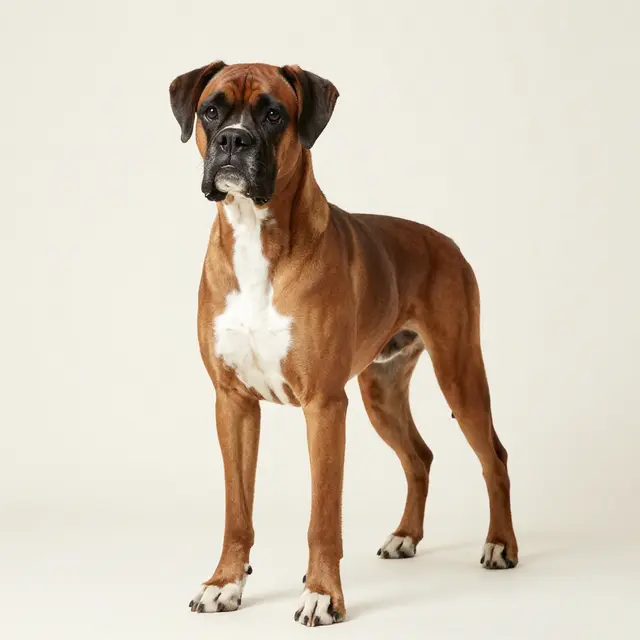
Boxer
A bouncy, playful and devoted family dog that stays puppy-like for years — and needs the exercise to match.
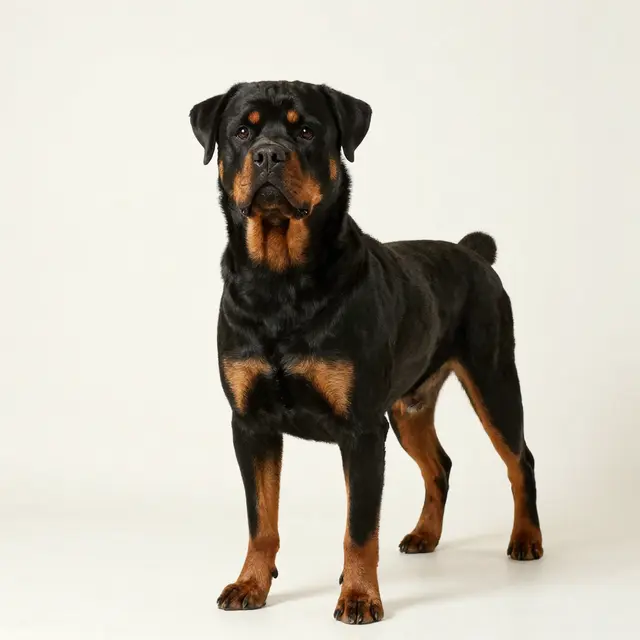
Rottweiler
A powerful, confident guardian that’s calm and devoted in the right hands — but needs an experienced owner.
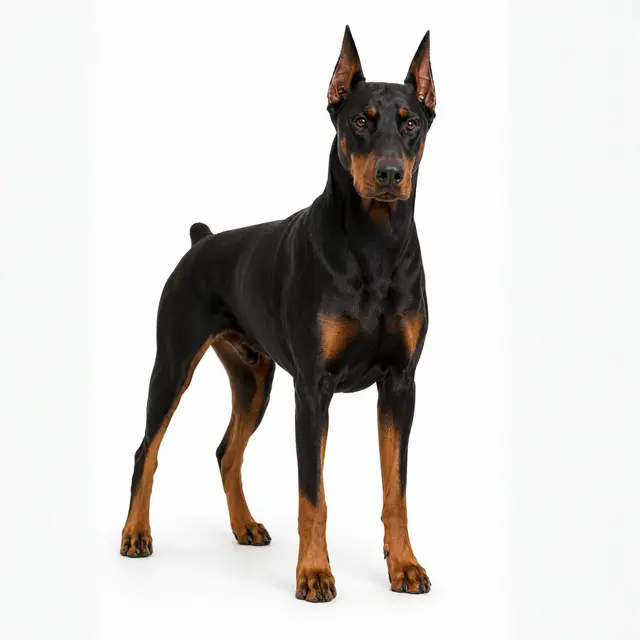
Dobermann
A sleek, athletic and intensely loyal guardian — highly trainable, but a serious commitment for active owners.
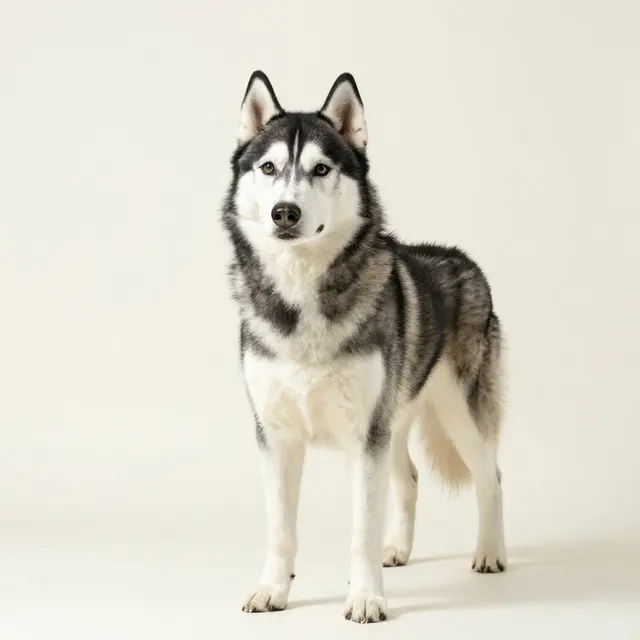
Siberian Husky
A stunning, independent sled dog built for endurance — beautiful, but a real handful for the unprepared.
Similar temperament
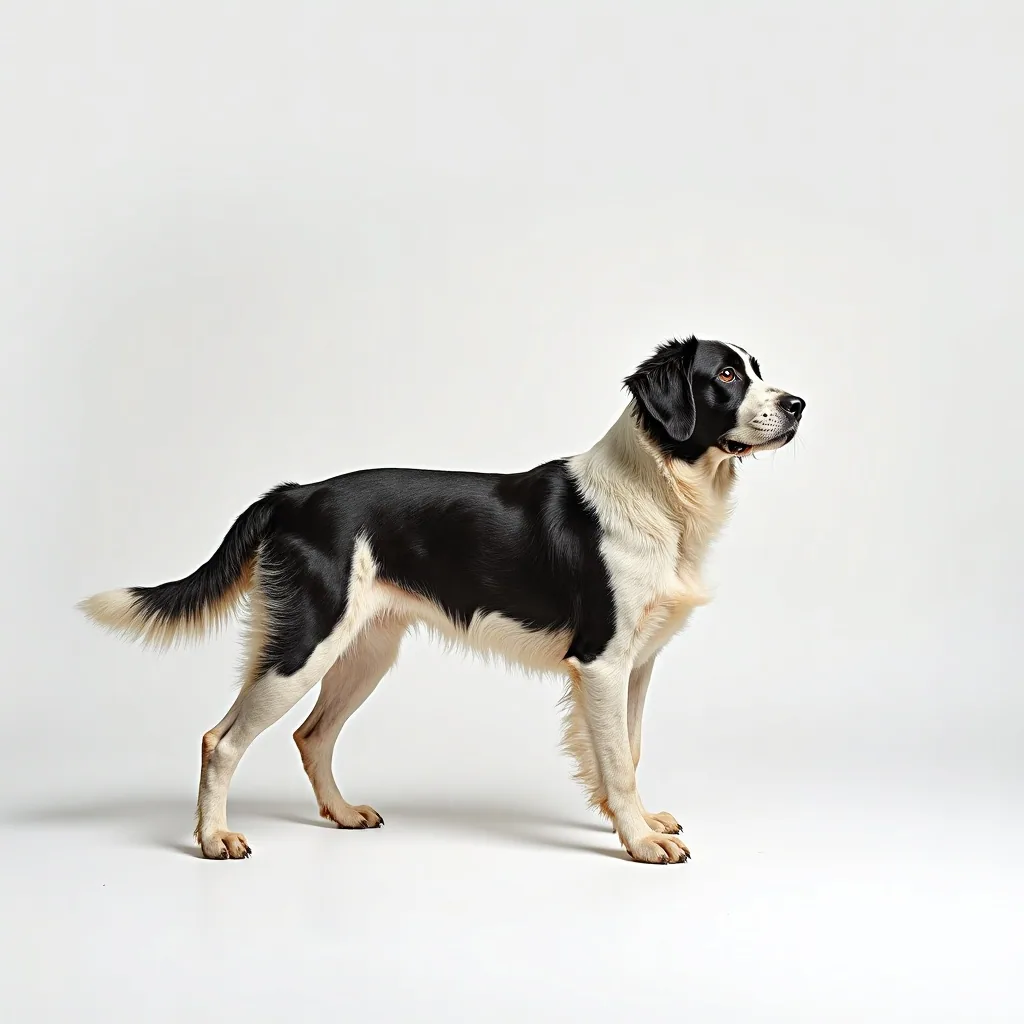
Landseer
A giant black-and-white water-rescue dog, recognised as a breed distinct from the Newfoundland in continental Europe. Gentle, calm and devoted, a superb but very large family companion.
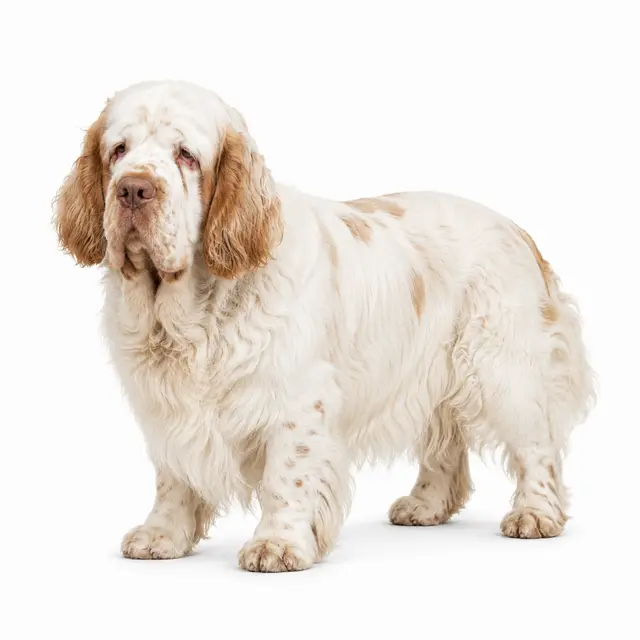
Clumber Spaniel
A heavy, mellow gundog — gentler and calmer than most spaniels, but it sheds, drools and gains weight easily.
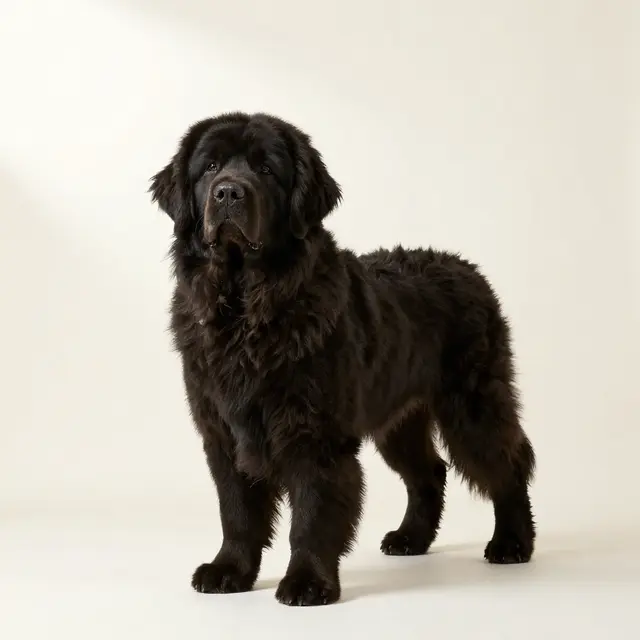
Newfoundland
A sweet, water-loving gentle giant with a reputation as a natural "nanny dog" — devoted and patient, but big and high-maintenance.

Norfolk Terrier
One of the smallest working terriers — friendly, sociable and good with families and other dogs.
Similar size, different type
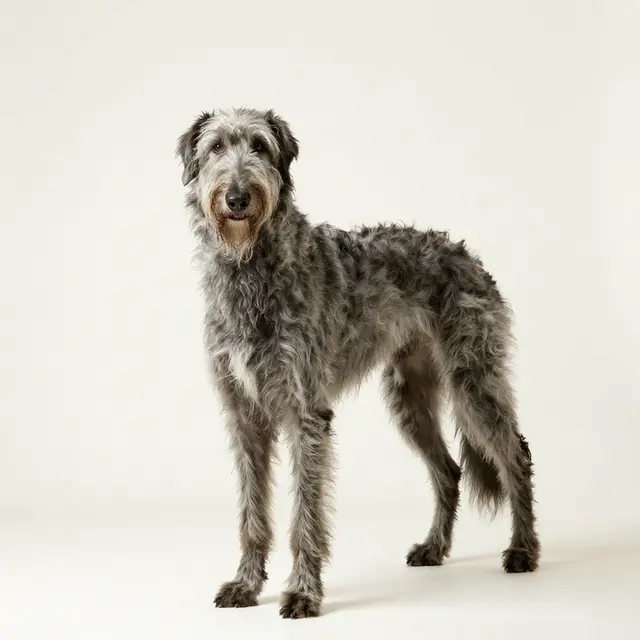
Irish Wolfhound
The tallest of all breeds — a gentle, calm and good-natured sighthound that is, sadly, one of the shortest-lived.
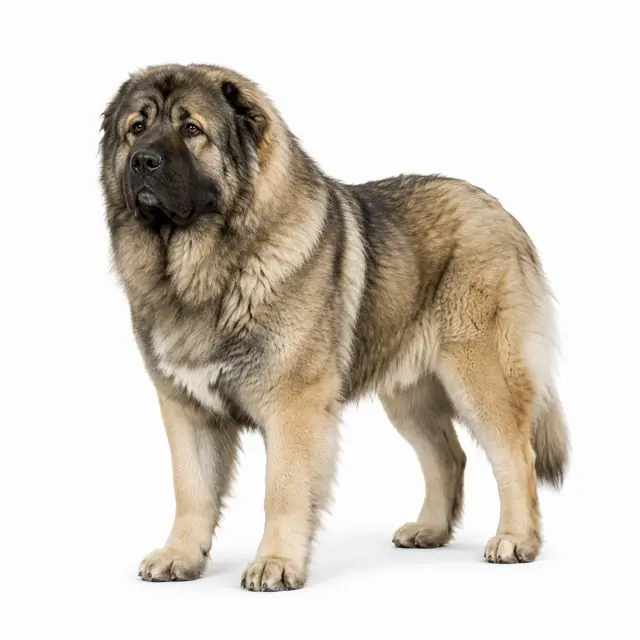
Caucasian Shepherd
An enormous livestock-guardian breed — fiercely protective and devoted, but strictly for very experienced owners.
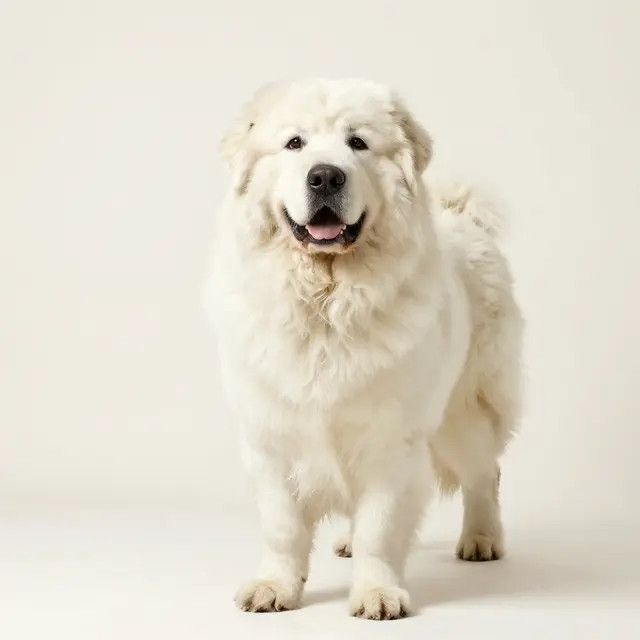
Pyrenean Mountain Dog
The majestic Great Pyrenees — a calm, devoted family guardian, independent and prone to night-time barking.
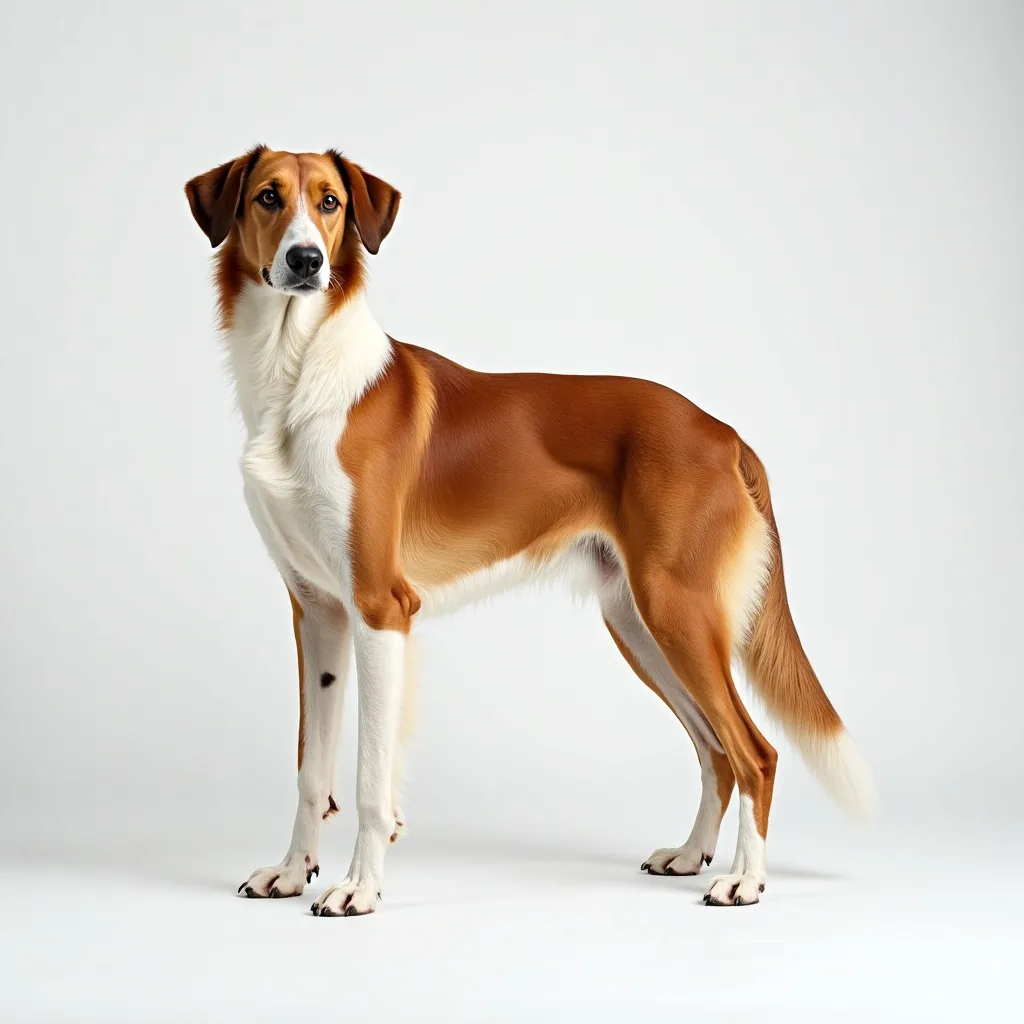
Borzoi
A tall, elegant Russian sighthound bred to course wolves. Gentle and quiet indoors but aloof and independent, with a very strong prey drive and the need for safe space to run.
Is the Saint Bernard your breed?
Create your pet profile and get personalised food, toy, insurance and health recommendations — tailored to your dog.
Frequently asked questions
How long do Saint Bernards live?
As a giant breed, the Saint Bernard has a comparatively short lifespan of around 8 to 10 years. Big dogs tend to live shorter lives than smaller ones, so prospective owners should go into ownership clear-eyed about this. Keeping the dog lean, feeding appropriately and providing routine preventive care all support the best possible quality of life.
How big does a Saint Bernard get?
Saint Bernards are enormous. The breed stands roughly 65–90 cm at the shoulder and weighs somewhere in the region of 54–82 kg, with males in particular being very substantial. They have a massive head and powerful frame, so anyone considering one needs the space, budget and realism to take on a dog of this scale.
Are Saint Bernards good with children?
Saint Bernards are renowned for a calm, patient and affectionate temperament and are often particularly good with children. They tend to lean against you for affection rather than bounce around. That said, their sheer bulk means supervision around small children is wise, and puppies can be clumsy and boisterous before they mature.
Do Saint Bernards drool a lot?
Yes. Saint Bernards are notable droolers, and owners should be prepared to wipe the face and mouth area regularly. Along with heavy shedding and a large appetite, drool is one of the practical trade-offs of the breed. Anyone unable to cope with this aspect of giant-dog ownership should think carefully before choosing one.
How much exercise does a Saint Bernard need?
Saint Bernards have moderate exercise needs and are relatively low-energy for their size, generally content with a couple of steady walks a day plus time to potter and relax at home. Take care with growing puppies, as over-exercise during growth can strain developing joints, and avoid exercising in the heat as the breed is sensitive to warm weather.
How much grooming does a Saint Bernard need?
Both the smooth and rough coats shed considerably, so brushing several times a week — and daily during heavy moults — helps manage loose hair. The long-haired variety needs a little more attention to prevent tangles. Routine care also includes nail trimming, dental brushing, ear checks and keeping facial folds clean and dry.
What health problems do Saint Bernards have?
Like most giant breeds, Saint Bernards are prone to size-related problems including hip and elbow dysplasia, heart conditions, certain cancers and the emergency of bloat. Responsible breeders screen for hip, elbow, eye and heart conditions, so ask to see parents' health-test results. Keeping the dog lean and being alert to the signs of bloat are important.
Do Saint Bernards need a lot of space?
Yes. A Saint Bernard needs a home with plenty of space, both indoors and out, and is not suited to small flats. Owners also need to manage the practicalities of a giant dog — the drool, shedding, food bills and higher veterinary costs. In a roomy family home, however, they are calm, affectionate and famously good-natured companions.
Are Saint Bernards good with children?
Excellent with children of all ages. As a general guide, Saint Bernards tend to be patient and tolerant. Whatever the breed, always supervise dogs and young children and teach kids to interact gently.
How much exercise does a Saint Bernard need?
As a healthy adult, a typical Saint Bernard needs around 30 minutes (gentle, broken into shorter walks) of exercise a day (30–45 minutes), split across walks plus play. A good sniffy walk plus some play and training usually keeps them happy. Puppies, seniors and dogs with health conditions need less — ask your vet.
Do Saint Bernards shed a lot?
High shedding. Coat upkeep is regular brushing — brush regularly to keep the coat in good condition.
Are Saint Bernards easy to train and good for first-time owners?
Manageable for committed beginners. Saint Bernards are best for owners ready to commit to consistent training and plenty of activity. Reward-based training and early socialisation help any dog.
Do Saint Bernards bark a lot?
Quiet. They are usually fairly easy-going about barking, though any dog will bark if bored or under-exercised.
Are Saint Bernards good with other dogs?
Sociable with other dogs. Early, positive socialisation with other dogs from a young age makes a big difference.
Do Saint Bernards suit flats or smaller homes?
Needs plenty of space. A Saint Bernard really needs plenty of space and a lot of daily activity — not ideal for a small flat.
Sources
- The Kennel Club — St. Bernard breed information: https://www.thekennelclub.org.uk/breed-standards/working/st-bernard/
- PDSA — Getting a dog and breed considerations: https://www.pdsa.org.uk/taking-care-of-your-pet/getting-a-pet/dogs
- Blue Cross — Dog advice and choosing a breed: https://www.bluecross.org.uk/advice/dog
- Royal Veterinary College (RVC) VetCompass — canine health research programme: https://www.rvc.ac.uk/vetcompass
- Fédération Cynologique Internationale (FCI) — St. Bernard standard No. 61: https://www.fci.be/en/nomenclature/ST-BERNARD-61.html
Recommended for your Saint Bernard
Matched to a Saint Bernard's size and their typical need for help with shedding, no-pull walking kit, a cosy bed.

Bolstered Orthopaedic Dog Bed
A supportive bolstered dog bed with a thick cushioned base and raised sides that cradle joints and give a place to rest the head. Ideal for older dogs or any pet who likes to stretch out for restful, comfortable sleep.

Extra Large Orthopaedic Dog Sofa Bed
An extra-large orthopaedic sofa bed with a cushioned mattress to support bigger dogs while they sleep.

Reversible Flannel & Sherpa Pet Blanket
A reversible blanket with soft sherpa on one side and paw-print flannel on the other, machine washable.

Soft Fleece Pet Blanket
A plush double-sided sherpa blanket that keeps pets cosy and shields beds, sofas and car seats from fur.
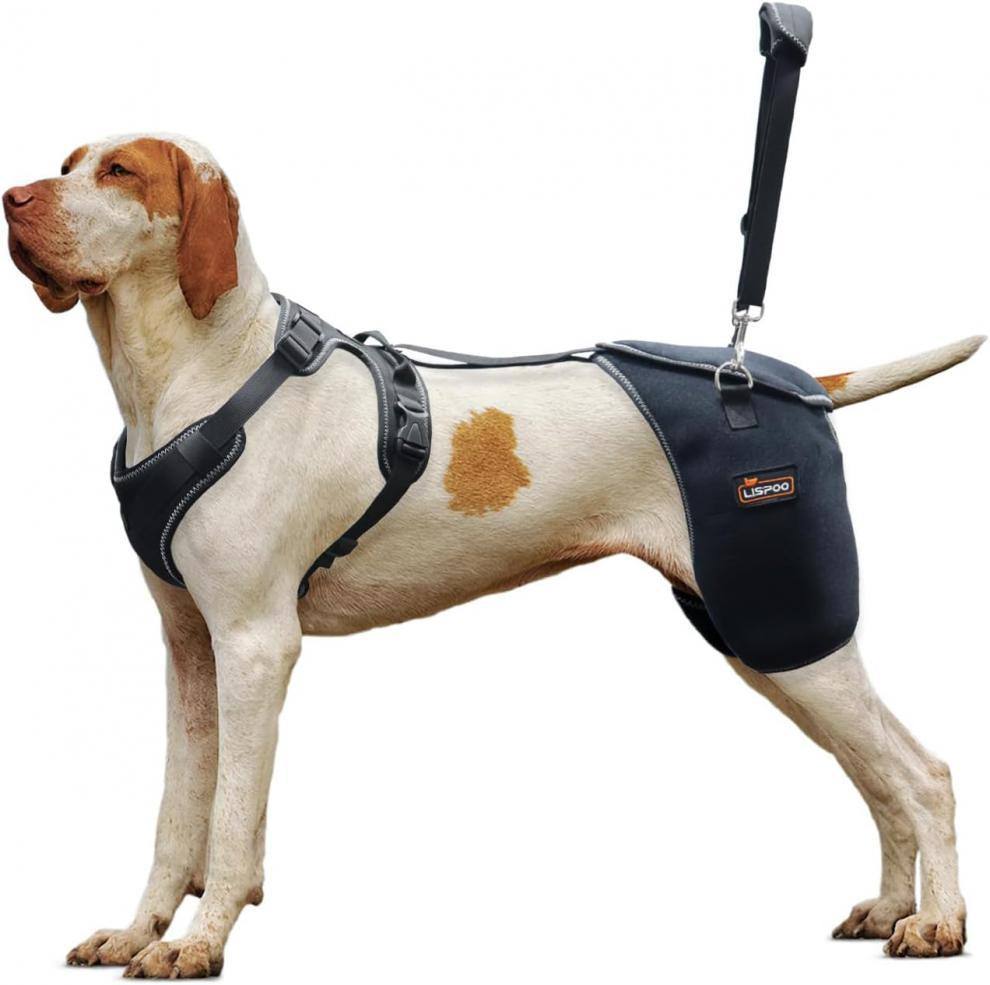
Dog Hip & Knee Support Brace Harness
A supportive brace harness with a padded chest piece and lift handle that stabilises the hips and rear legs. Helps ageing, arthritic or recovering dogs walk, climb and rise with less strain and more confidence.
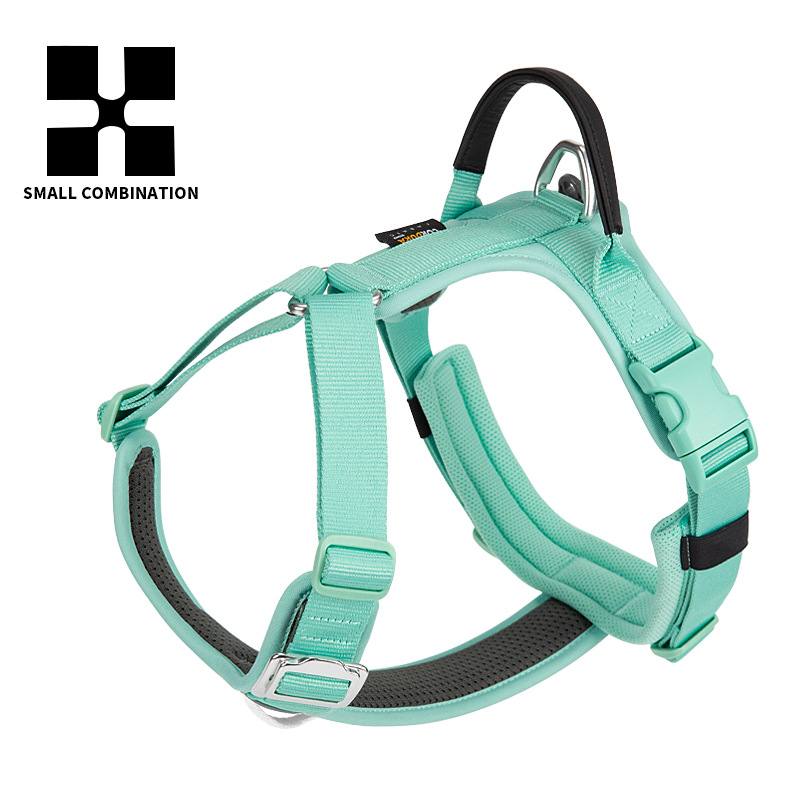
Padded No-Pull Dog Harness With Handle
A padded no-pull harness for medium and large dogs, with a sturdy top grab handle and adjustable straps. The breathable padded panels spread pressure across the chest for comfortable, controlled walks.
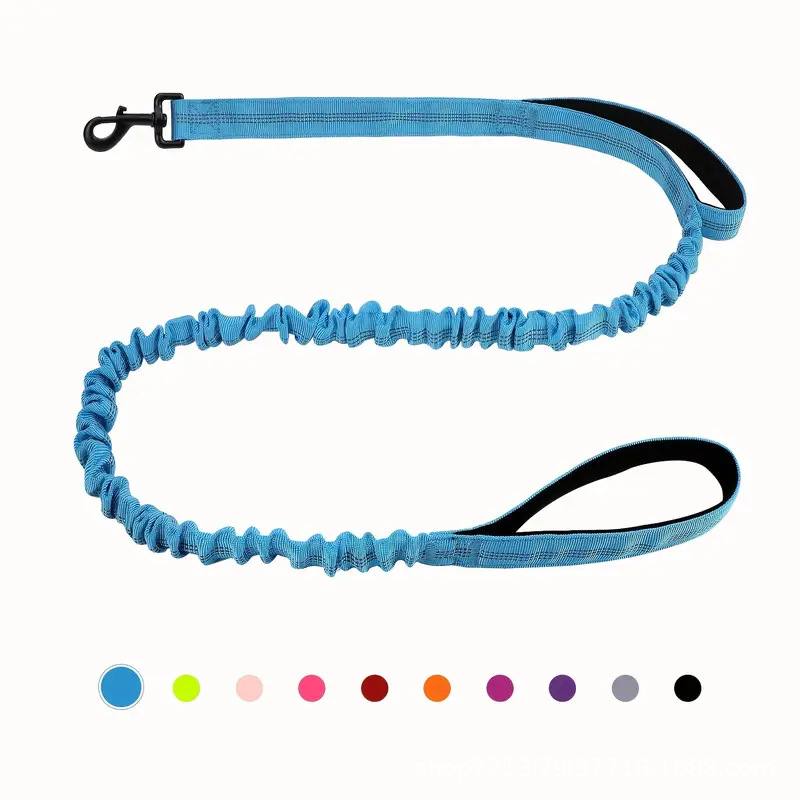
Bungee Anti-Pull Dog Lead with Padded Handles
A shock-absorbing bungee dog lead that cushions sudden pulls from strong dogs. Two padded handles give you close control or relaxed walking, and reflective stitching aids visibility on darker walks.
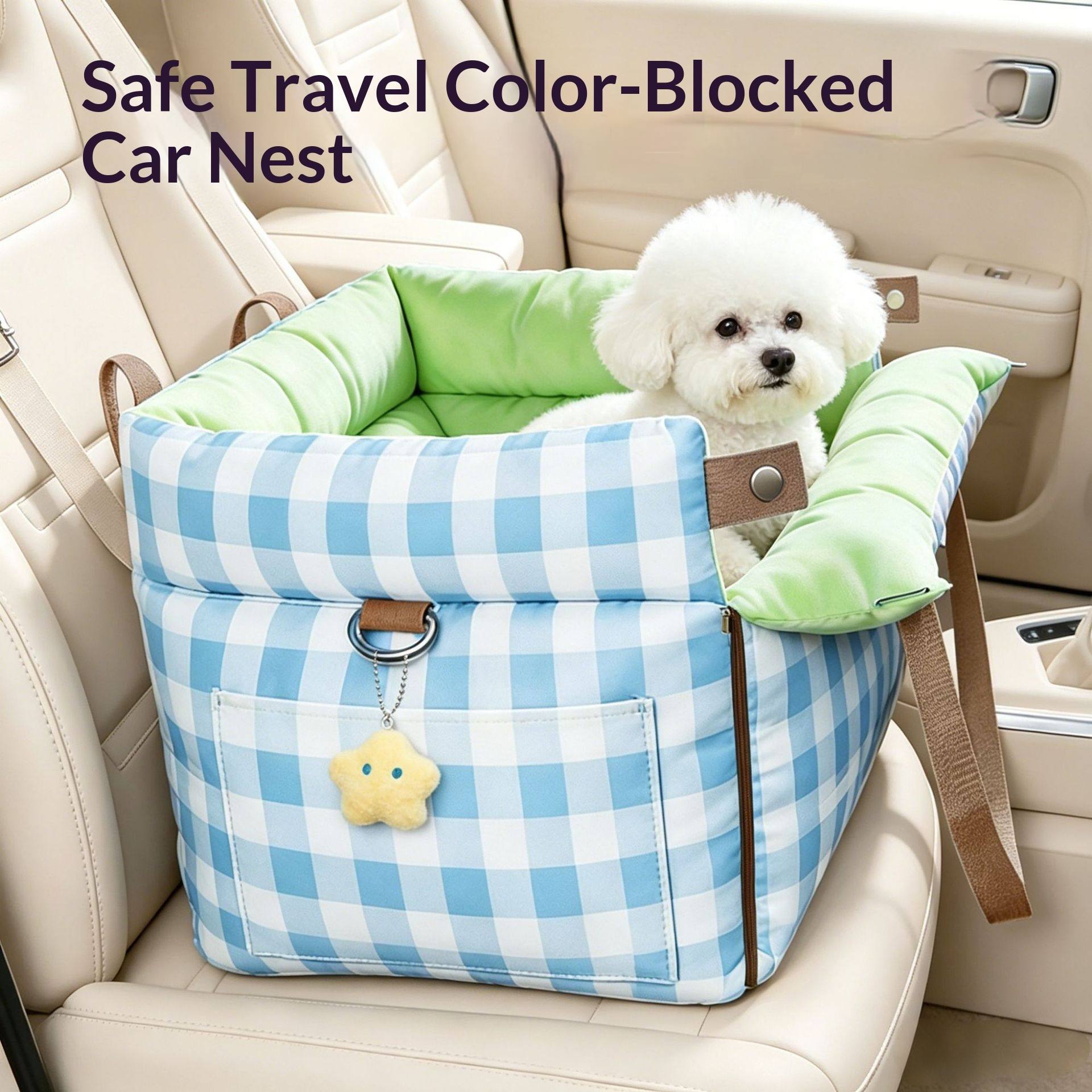
Dog Car Booster Seat Travel Bed
A raised, bolstered booster bed that lets small dogs travel safely and see out of the window, with a built-in safety leash clip and a storage pocket. The cosy padded sides and wipe-clean cover keep journeys comfy and tidy.
Suggestions based on breed traits — always check sizing and suitability for your individual dog.
Got a Saint Bernard? Save them to a pet profile for tailored picks across the whole site.
Happier, healthier pets — in your inbox.
Breed care tips, seasonal advice and first access to new arrivals. No spam, unsubscribe anytime.
Every dog is an individual — temperament and needs vary. Please research thoroughly, meet dogs in person, and consider adopting from a rescue. This is general guidance, not a substitute for advice from your vet or a qualified trainer.