
Rough Collie
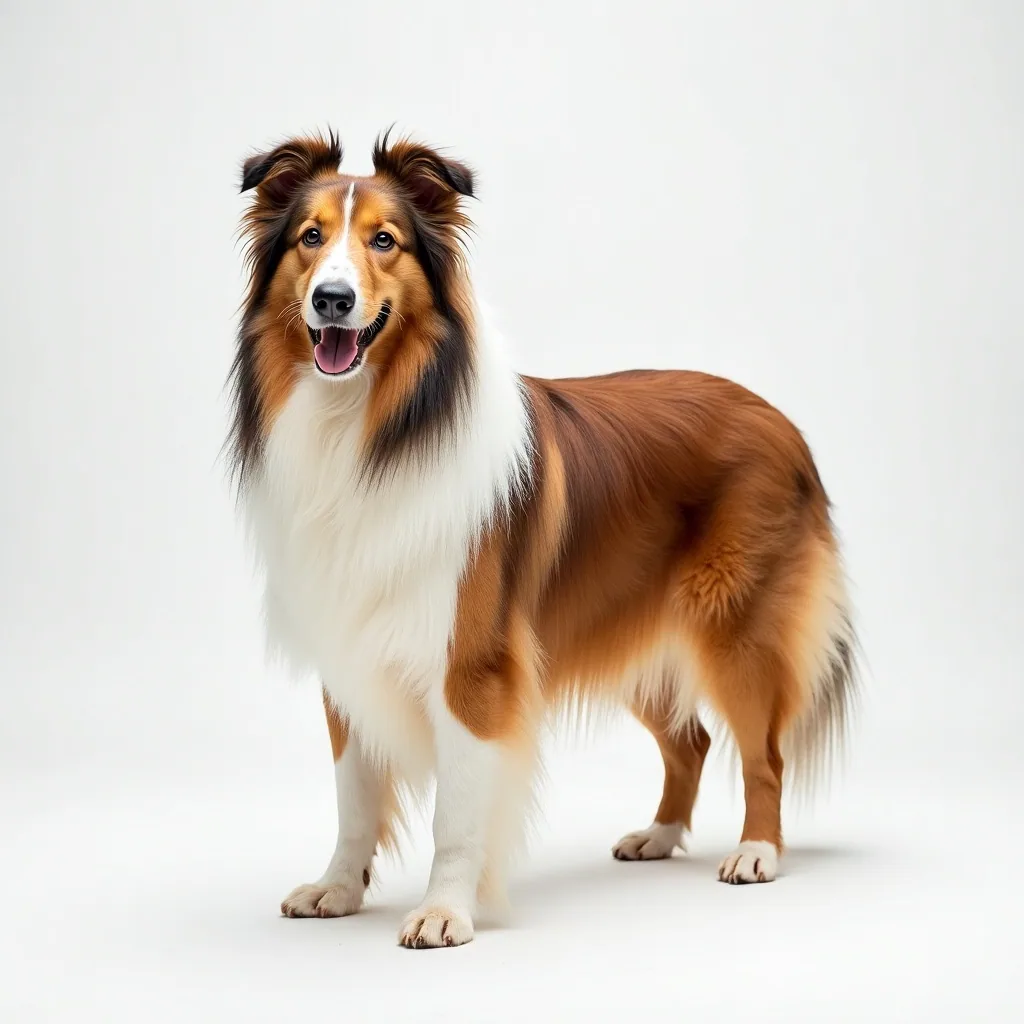
The classic 'Lassie' collie, an elegant Scottish herding dog with a luxurious coat. Gentle, devoted and highly trainable, wonderful with families, but the heavy coat needs regular grooming and it can be vocal.
Rough Collie scorecard
Overview
The Rough Collie is an elegant, long-coated Scottish herding breed, world-famous as the original 'Lassie' dog. Standing around 51–61 cm and weighing roughly 18–30 kg, it has a refined, wedge-shaped head, an expressive face and a magnificent profuse coat with a full mane and frill. Behind the glamour lies a genuine working sheepdog: intelligent, sensitive and devoted, bred to gather and move flocks across the Scottish hills.
The Rough Collie is one of the most family-friendly of the herding breeds, renowned for being gentle, loyal and exceptionally good with children. It is highly trainable and forms deep bonds with its people, but it is also sensitive and can be vocal, and its luxurious coat needs real commitment to grooming. The breed is well established and recognised by the UK Kennel Club within the Pastoral group, and it remains a popular and rewarding companion for active families.
Good to know — a Rough Collie is best with a garden and good for first-time owners. Every dog is an individual, so meet a few and chat to a good breeder or rescue before deciding.
Save the Rough Collie guide
Thinking about a Rough Collie? Pop your email in and we’ll send this guide so you can come back to it any time — handy while you compare breeds.
Popular searches for the Rough Collie
History & origins
The Rough Collie descends from hardy herding dogs of Scotland and northern England, where for centuries they worked sheep on rugged upland farms. The breed as we know it was refined through the 19th century, and its popularity was greatly boosted by Queen Victoria, who became an enthusiast after encountering collies at Balmoral, helping transform the working sheepdog into a fashionable companion and show dog.
Selective breeding for the breed's striking coat, refined head and elegant outline shaped the modern Rough Collie, which shares ancestry with the smooth-coated collie. The breed's fame was cemented in the 20th century by the 'Lassie' books, films and television series, which made it one of the most recognisable dogs in the world. It is recognised by the FCI and the UK Kennel Club and remains a well-loved family and show breed.
Temperament & family fit
Rough Collies are gentle, affectionate and devoted, and they are widely regarded as one of the best herding breeds for families with children. They are sensitive, people-oriented dogs that thrive on companionship and tend to be friendly, sociable and rarely aggressive. Their herding heritage gives them an alert, responsive nature and a strong bond with their household.
That sensitivity is a defining trait: Rough Collies respond to the emotional tone around them and can become anxious if handled harshly or left alone for long periods. They are also naturally vocal and can be persistent barkers, particularly if under-stimulated or reacting to movement and noise. Most get on well with other dogs and pets they are raised with. Early socialisation helps temper a tendency towards wariness with strangers and builds a confident, well-rounded adult.
- Families with children of all ages
- Committed first-time owners
- Homes with a secure garden
Training & intelligence
Highly intelligent and eager to please, the Rough Collie is one of the more trainable herding breeds and excels in obedience, agility, herding and as a family companion. It responds beautifully to gentle, positive, reward-based training and tends to learn quickly, making it well suited to first-time owners willing to put in the time. Its sensitivity means harsh corrections are unnecessary and counterproductive.
Because the breed can be vocal and reactive to movement, useful early priorities include a 'quiet' cue, calm responses to passing stimuli and good impulse control, alongside the usual recall and manners. Plenty of socialisation helps prevent shyness with strangers. Mental stimulation matters as much as physical exercise: a bright, under-occupied collie may resort to barking or fretting, so training games and activities keep it happy.
- Start socialisation & handling early
- Reward-based methods only — no harsh corrections
- Keep sessions short, calm and consistent
Exercise needs
A healthy adult Rough Collie typically needs around an hour a day (roughly 60–80 minutes), split across walks, play and a little training. A good sniffy walk, some play and a little training usually keeps them content. Puppies, seniors and dogs with health conditions need adjusted amounts — check with your vet.
Grooming & coat
The Rough Collie's profuse double coat is its biggest care commitment, needing thorough brushing at least a couple of times a week, and more during the heavy seasonal moults when it sheds a great deal. Particular attention is needed behind the ears, under the legs and around the frill, where the coat is prone to matting. Routine care also covers nail trimming, ear checks and dental hygiene. The coat should not be shaved, as it protects the dog in both heat and cold.
- Brush several times a week
- Bathe every few weeks or as needed
- Check ears, nails and teeth weekly
Feeding a Rough Collie
Feed a complete, good-quality diet appropriate to the Rough Collie's age, size and activity level, divided into measured meals to maintain a healthy weight. Keeping the dog lean supports joint health and overall wellbeing. Account for any training treats within the daily ration and keep fresh water available. If you are unsure about quantities or considering a diet change, your vet can advise on the right approach.
A large breed
An adult Rough Collie typically weighs 18–30 kg, so a healthy Rough Collie eats a fair amount compared with other breeds. Every feeding guide on a bag is written per kilo of body weight, not per breed — start there, then adjust to the dog in front of you.
Life stage
A large breed is usually done growing at 15–18 months, which is roughly when a puppy food has finished its job. With a typical lifespan of 12–14 years, there is a long adult stretch in the middle; switch to a senior food when your vet thinks it is worth it rather than on a birthday.
Joint support is worth looking for
Their size and frame put more load through the joints than a smaller dog carries, so a food with joint support on the label is worth reading for — and keeping them lean does more for their joints than any supplement.
Weight matters more than usual here
A long back or a heavy frame makes every extra kilo count twice. Weigh portions rather than eyeballing a scoop, and reduce the food rather than the walks if the waist starts to disappear.
How much should a Rough Collie weigh?
Adult 18–30 kgfully grown at 15–18 months
| Age | Stage | Typical weight | Of adult size |
|---|---|---|---|
| 8 weeks | Just home | 2.1–3.4 kg | 11% |
| 3 months | Young puppy | 3.3–5.6 kg | 19% |
| 6 months | Growing fast | 6.7–11.1 kg | 37% |
| 12 months | Adolescent | 13.4–22.3 kg | 74% |
| 15–18 months | Fully grown | 18–30 kg | 100% |
A guide, from the same rule of thumb our puppy growth predictor uses — each age is that share of the way to maturity for a large breed. Puppies grow fastest early, so a real puppy usually sits a little above the middle rows. Weigh yours and ask your vet if the number worries you.
Complete dog foods that suit a Rough Collie
Complete foods from our range, matched to a Rough Collie's size band and what the breed typically needs. Stock levels and delivery dates are live on each product.


Field & Trial Skinner S Field Trial Light Senior
A lower-fat dry food for older, overweight or less active dogs, including working breeds
From£9.85

Autarky Complete Grain Free Adult Turkey
Grain-free complete dry food for adult dogs, with turkey and a marine-algae joint care package
£12.79

Autarky Grain Free Tasty White Fish & Potato Complete
Grain-free dry dog food built around white fish meal rather than poultry
£12.99

Lily's Kitchen Lily S Kitchen Dog Lovely Lamb
Complete lamb-led dry dog food offered in two practical bag sizes
From£25.15

Burns Adult/Senior Weight Control Chicken and Oats
A low-fat weight control dry food for adult and senior dogs, oat-based
£35.99


Burns Adult Large/Giant Breed Chicken and Brown Rice
Complete large-breed dry dog food with 23% chicken and brown rice
£59.99

Burgess Greyhound and Lurcher Chicken
Complete adult dry food formulated for the specific build of greyhounds and lurchers
£35.35


Naturo Senior Rice Poultry Variety 6pk
Six 400g trays across three recipes for senior dogs, with glucosamine and chondroitin
£10.29

Naturo Senior Dog Turkey with Rice and Vegetables 7pk
Turkey at 65% in a senior wet tray, with brown rice, vegetables and added joint support
£11.99
Rough Collie health & costs
Before bringing a Rough Collie home it pays to budget for the whole picture — food, insurance, grooming and routine vet care all add up. The figures below are typical UK estimates for a healthy adult; your real costs vary with where you live, your dog's health and the cover you choose.
Food
£600–850 / year
Complete food sized to weight & life stage
Insurance
£35–62 / month
Lifetime cover — varies by age, breed & area
Grooming
£400–700 / year
Regular professional grooming
Routine vet care
£200–450 / year
Vaccines, flea/worm, annual check
The Rough Collie is generally a healthy breed with a typical lifespan of around 12–14 years, but it is associated with several known inherited conditions that prospective owners should understand. The most significant is the MDR1 (multidrug resistance) gene mutation, which is common in collies and means affected dogs can react severely to certain ordinary veterinary medicines; DNA testing identifies affected and carrier dogs, and owners should inform their vet of the dog's status.
The breed is also prone to specific inherited eye conditions, so eye screening of breeding stock is important and buyers should ask for results. Because the Rough Collie is well established, more breed-specific health information and screening schemes are available than for rare breeds. Buying from breeders who carry out recommended DNA and eye testing, and keeping the dog at a healthy weight with routine veterinary care, gives the best chance of a long, sound life.
Common health conditions to be aware of
- MDR1 (multidrug resistance) gene mutation — common in collies; affected dogs can have dangerous reactions to certain drugs, so DNA testing is strongly advised.
- Collie eye anomaly (CEA) — an inherited developmental eye condition for which DNA and eye testing are available.
- Progressive retinal atrophy (PRA) — an inherited degenerative eye disease that can lead to blindness; screening is recommended.
- Hip dysplasia — a developmental joint condition seen in many medium-to-large breeds; hip-scoring is advised.
- Dermatomyositis — an inherited skin and muscle condition reported in collies that can cause skin lesions.
- Epilepsy — idiopathic seizures occur in some lines and warrant veterinary assessment.
These reflect typical, size- and coat-related risks for dogs like the Rough Collie; individual breeds carry their own predispositions. Always buy from health-tested parents and speak to your vet — this isn't a diagnosis.
Protect against surprise bills
A single emergency can run into thousands. Lifetime insurance spreads the risk.
Estimate insurance →How pet insurance works →Puppy & senior care
Bringing home a Rough Collie puppy
Puppies need controlled exercise (a rough guide is five minutes per month of age, twice a day) to protect growing joints, little-and-often meals of a complete puppy food, early socialisation, and a calm routine for toilet training and sleep. Book first vaccinations, microchipping and a vet check early.
New puppy checklist →Caring for a senior Rough Collie
As they age, watch weight, joints and teeth, switch to a senior diet if your vet advises, keep exercise gentle but regular, and consider orthopaedic bedding and ramps. Twice-yearly vet checks help catch issues early — larger breeds age sooner, so start senior care from around 6–7 years.
Orthopaedic beds & mobility →Pros & cons
The good bits
- Gentle, loyal and excellent with children
- Highly intelligent and trainable
Things to consider
- Profuse coat needs regular grooming and sheds
- Sensitive and can be a persistent barker
Compare the Rough Collie
See how the Rough Collie measures up against similar breeds before you decide:
More breeds like the Rough Collie
Same breed group
Border Collie
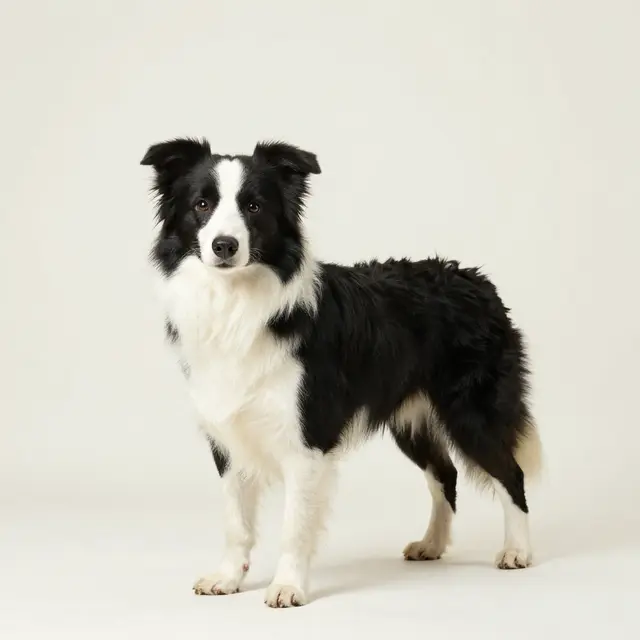
The ultimate working brain — astonishingly clever and trainable, but needs hours of exercise and a job to do.
German Shepherd
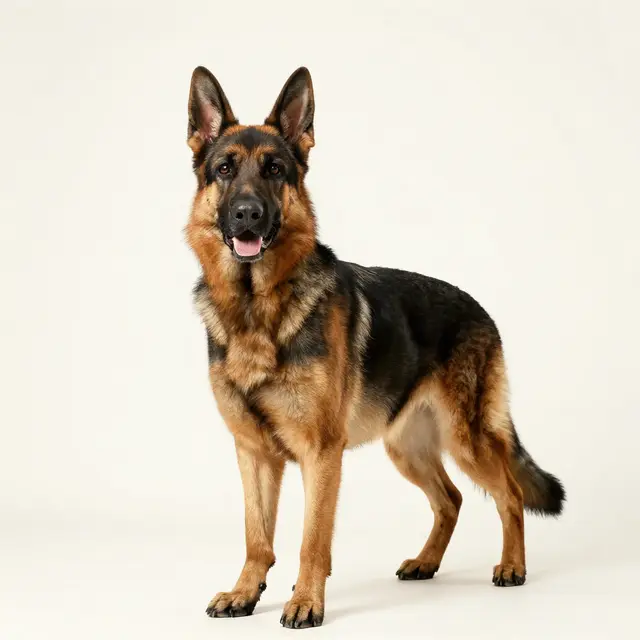
A loyal, courageous and highly trainable working dog that needs experienced handling and plenty to do.
Australian Shepherd
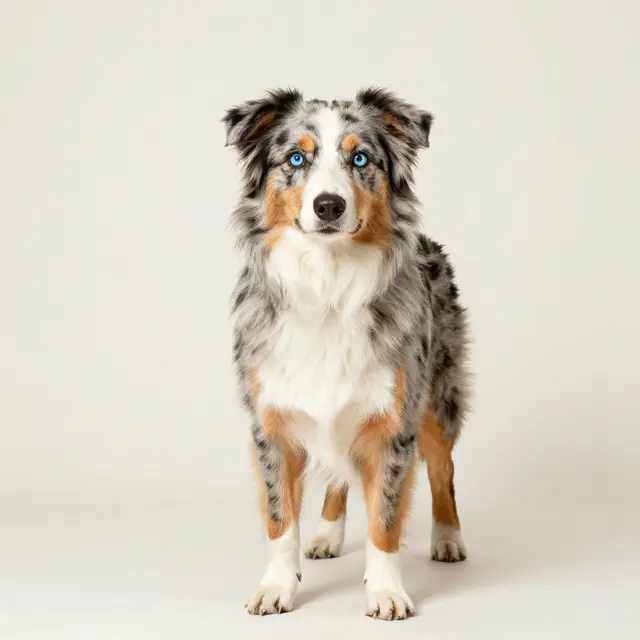
A brilliant, energetic herding dog that excels at sport and work — but needs a busy, committed owner.
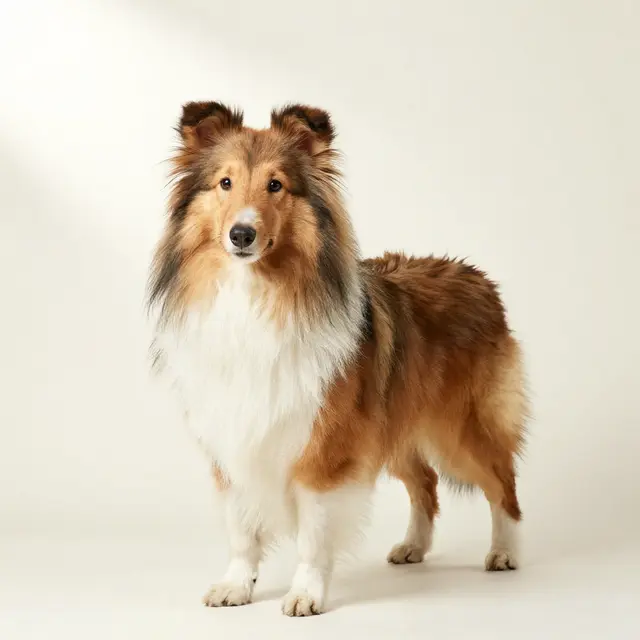
Shetland Sheepdog
A small, brainy herding dog — the "Sheltie" is devoted, highly trainable and excels at agility and obedience.
Similar temperament
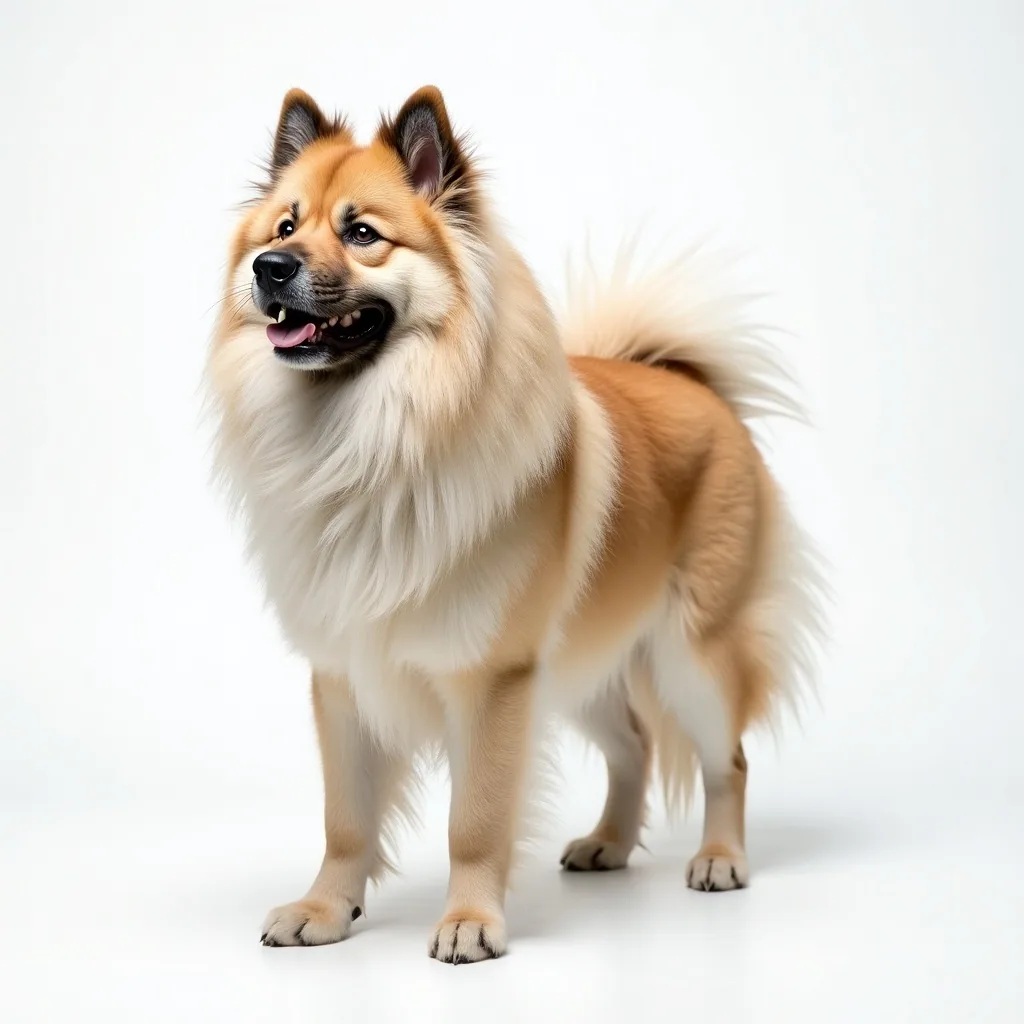
Keeshond
A handsome grey-and-black spitz, the Dutch barge dog, with a plush coat and spectacled face. Friendly, affectionate and a great family companion, though alert and prone to barking, with a coat that sheds heavily.
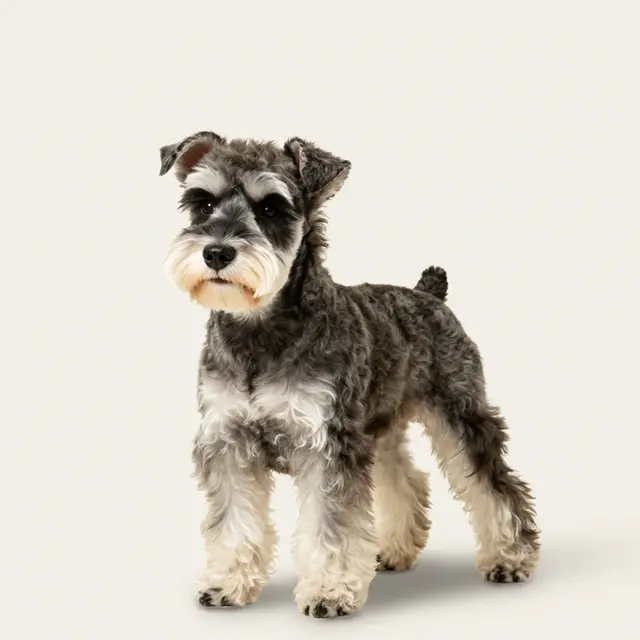
Miniature Schnauzer
A smart, spirited and low-shedding companion that adapts well to flats but likes to have its say.
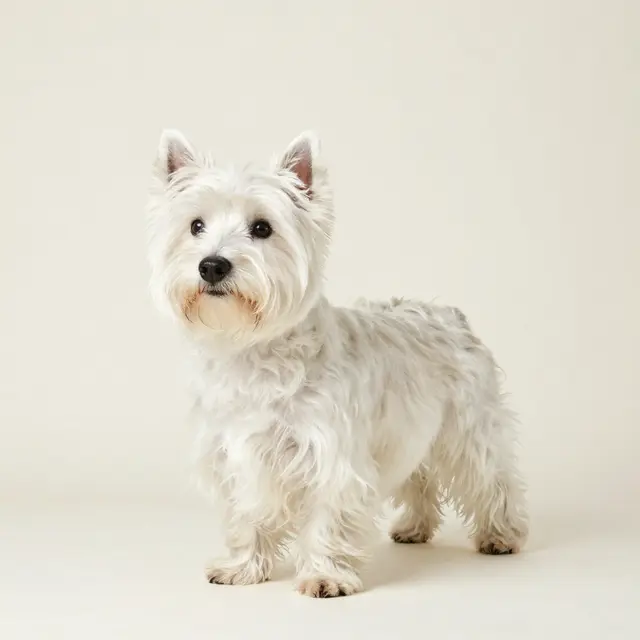
West Highland White Terrier
A confident, friendly little terrier — the "Westie" is hardy, characterful and adaptable to smaller homes.
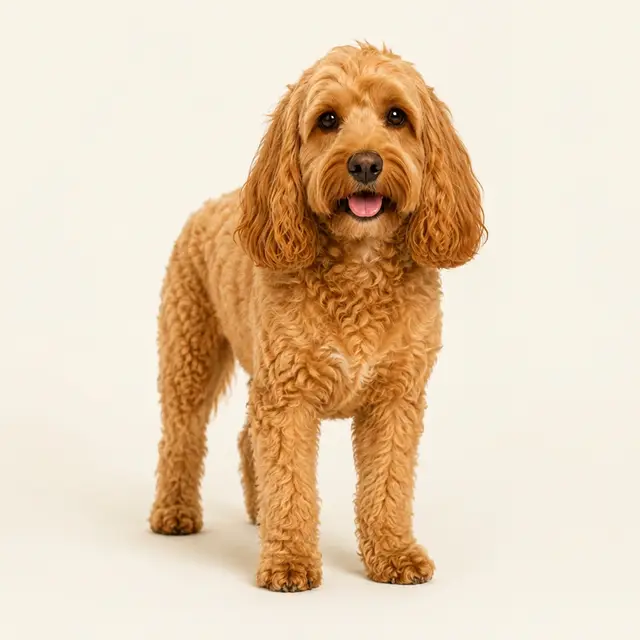
Cockapoo
A hugely popular Cocker × Poodle crossbreed — friendly, lower-shedding and great with families.
Similar size, different type
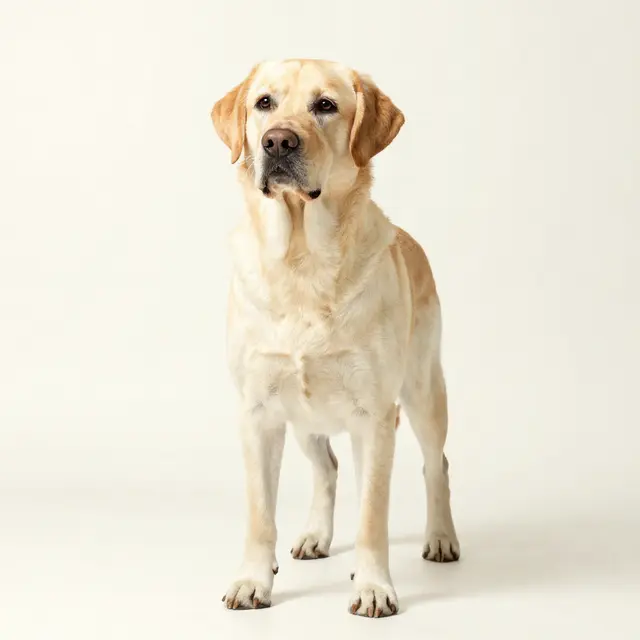
Labrador Retriever
The UK’s most popular family dog — friendly, biddable and brilliant with children, but needs proper exercise.
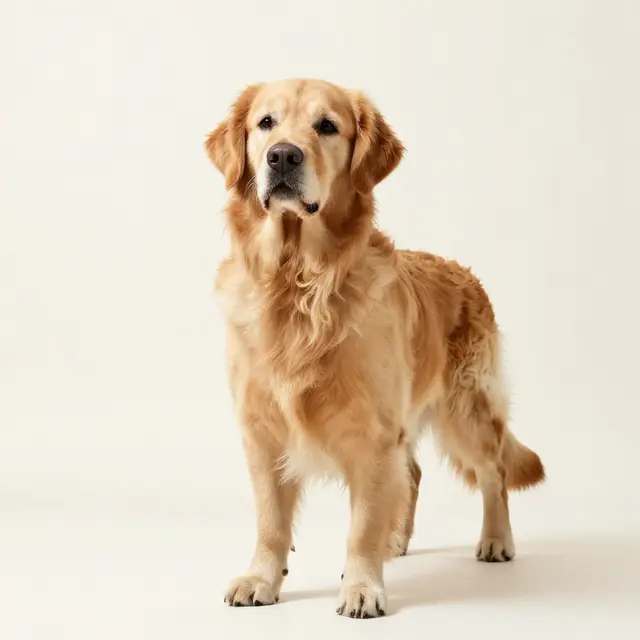
Golden Retriever
Gentle, eager-to-please and devoted — a classic family companion that thrives on company and exercise.
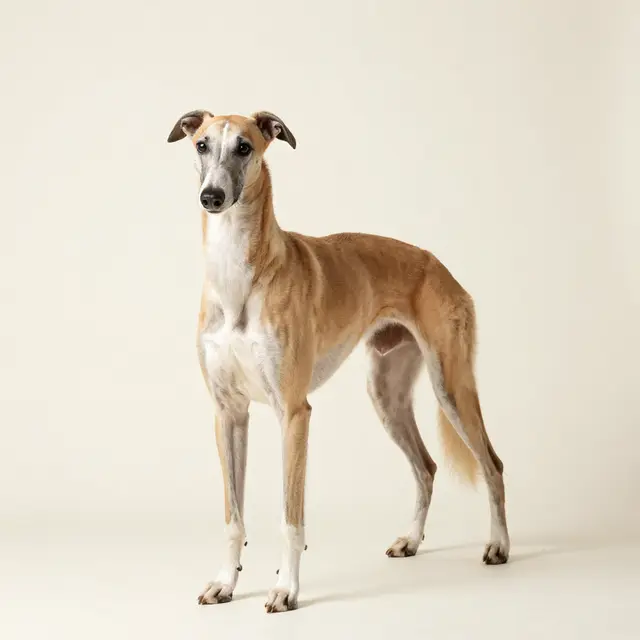
Greyhound
The ultimate couch potato — despite their racing reputation, retired greyhounds need surprisingly little exercise.
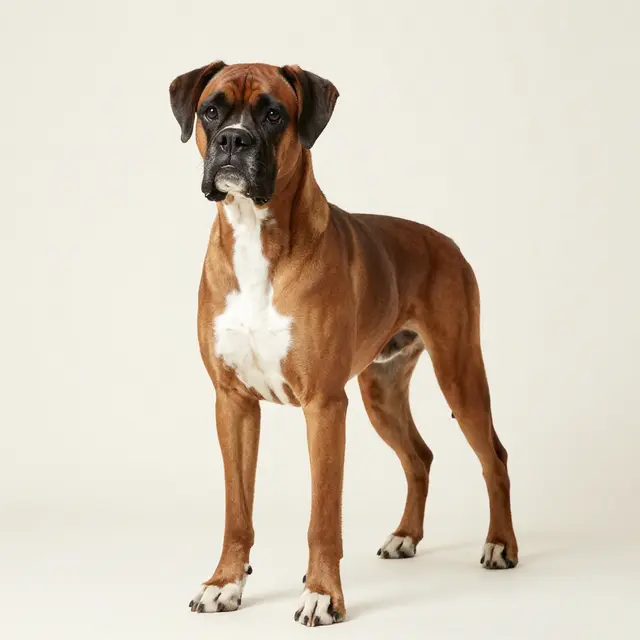
Boxer
A bouncy, playful and devoted family dog that stays puppy-like for years — and needs the exercise to match.
Is the Rough Collie your breed?
Create your pet profile and get personalised food, toy, insurance and health recommendations — tailored to your dog.
Frequently asked questions
Is the Rough Collie the same as the 'Lassie' dog?
Yes. The Rough Collie is the elegant, long-coated Scottish herding breed made world-famous as the original 'Lassie'. Behind the glamour is a genuine working sheepdog: intelligent, sensitive and devoted, bred to gather and move flocks across the Scottish hills. It is recognised by the UK Kennel Club within the Pastoral group.
Are Rough Collies good family dogs?
Very much so. The Rough Collie is one of the most family-friendly herding breeds, renowned for being gentle, loyal and exceptionally good with children. It is people-oriented, friendly and rarely aggressive, and most get on well with other dogs and pets they are raised with. Early socialisation helps temper any natural wariness with strangers.
How big do Rough Collies get?
Rough Collies stand around 51–61 cm at the shoulder and weigh roughly 18–30 kg, making them a medium-to-large breed. They have a refined, wedge-shaped head, an expressive face and a magnificent profuse coat with a full mane and frill. They have a typical lifespan of around 12–14 years.
Do Rough Collies bark a lot?
They can. Rough Collies are naturally vocal and can be persistent barkers, particularly when under-stimulated or reacting to movement and noise. Teaching a 'quiet' cue early, providing plenty of mental stimulation and avoiding long periods alone all help. A bright, under-occupied collie is more likely to resort to barking or fretting.
How much grooming does a Rough Collie need?
The profuse double coat is the breed's biggest care commitment, needing thorough brushing at least a couple of times a week, and more during heavy seasonal moults. Pay particular attention behind the ears, under the legs and around the frill, where matting is common. The coat should never be shaved, as it protects the dog in both heat and cold.
What is the MDR1 gene and why does it matter for Rough Collies?
MDR1 (multidrug resistance) is a gene mutation common in collies. Affected dogs can react severely to certain ordinary veterinary medicines. DNA testing identifies affected and carrier dogs, and owners should inform their vet of the dog's status. The breed is also prone to specific inherited eye conditions, so buy from breeders who carry out recommended DNA and eye testing.
How much exercise does a Rough Collie need?
The Rough Collie has moderate exercise needs, content with around an hour or more of daily activity combined with mental stimulation. It enjoys walks, play, training games and dog sports such as agility or herding. While athletic, it lacks the relentless drive of some herding breeds, making it a manageable choice for an active family with a garden.
Are Rough Collies suitable for first-time owners?
Yes. Highly intelligent and eager to please, the Rough Collie is one of the more trainable herding breeds and responds beautifully to gentle, reward-based training, making it well suited to first-time owners willing to commit to its grooming and company. It does not cope well with long periods alone and can be vocal, worth noting in close-set housing.
Are Rough Collies good with children?
Excellent with children of all ages. As a general guide, Rough Collies tend to be patient and tolerant. Whatever the breed, always supervise dogs and young children and teach kids to interact gently.
How much exercise does a Rough Collie need?
As a healthy adult, a typical Rough Collie needs around an hour of exercise a day (60–80 minutes), split across walks plus play. A good sniffy walk plus some play and training usually keeps them happy. Puppies, seniors and dogs with health conditions need less — ask your vet.
Do Rough Collies shed a lot?
High shedding. Coat upkeep is high upkeep — plan on frequent brushing and regular trips to a groomer.
Are Rough Collies easy to train and good for first-time owners?
Good for first-time owners. Rough Collies are generally a forgiving choice for first-time owners who put in early training and socialisation. Reward-based training and early socialisation help any dog.
Do Rough Collies bark a lot?
Vocal / alert barker. They can be quite vocal, so early training and enough exercise and stimulation help keep barking in check.
Are Rough Collies good with other dogs?
Sociable with other dogs. Early, positive socialisation with other dogs from a young age makes a big difference.
Do Rough Collies suit flats or smaller homes?
Best with a garden. A Rough Collie is happiest with access to a secure garden and regular outdoor exercise.
Sources
- The Kennel Club (UK) — Collie (Rough) breed information: https://www.thekennelclub.org.uk/breeds/collie-rough/
- Fédération Cynologique Internationale (FCI) — Collie Rough breed standard: https://www.fci.be/en/nomenclature/COLLIE-ROUGH-156.html
- American Kennel Club — Collie breed profile: https://www.akc.org/dog-breeds/collie/
- PDSA — Looking after your dog: https://www.pdsa.org.uk/taking-care-of-your-pet
Recommended for your Rough Collie
Matched to a Rough Collie's size and their typical need for help with shedding, regular coat care, no-pull walking kit.

Bugalugs Hemp Oil for Dogs & Cats – 50ml
A natural, UK-made hemp seed oil supplement rich in Omega-3, -6, and -9 to support calmness, joint mobility, and a healthy, glossy coat.
£13.99

Reflective Two-Tone Dog Harness and Lead Set
A bright two-tone step-in dog harness with a matching lead. Adjustable straps and quick-release buckles give a snug fit, while reflective trim keeps your dog visible on darker walks.
£7.99

L-Shaped Bolster Sofa Dog Bed
A supportive L-shaped sofa bed with a raised bolster back and side for your dog to rest their head. The thick padded base cushions joints, and the soft rose-velvet cover is removable and washable for easy care.
From£44.99

Large Self-Cleaning Slicker Brush for Mats and Tangles
A self-cleaning slicker brush with fine, bead-tipped wire pins that gently lift loose undercoat, mats and tangles from short or long-haired pets. A one-click button releases the collected fur for fuss-free cleaning. Cat-ear shaped design.
£18.99

Round-Tipped Deshedding Rake Comb
A double-sided undercoat rake with rounded stainless-steel blades that gently cut through mats and remove loose hair. The non-slip ergonomic handle makes deshedding dogs and cats quick and comfortable.
From£8.99

Soft Mesh Recovery Cone Collar
A soft, breathable mesh recovery cone that stops licking and biting of wounds after surgery. Lightweight and adjustable, it's a comfy alternative to a hard E-collar for dogs and cats.
From£11.99

Groom Professional Curved Soft Slicker Brush
A professional-grade curved slicker brush with soft pins, designed to groom delicate and soft-coated pets without discomfort.
From£8.99

Plush Bee Cat Harness and Lead Set
A soft plush cat harness with a 3D bee charm and a matching lead, adjustable at neck and chest, made for kittens, cats and very small dogs on gentle outings.
£7.99
Suggestions based on breed traits — always check sizing and suitability for your individual dog.
Got a Rough Collie? Save them to a pet profile for tailored picks across the whole site.
Happier, healthier pets — in your inbox.
Breed care tips, seasonal advice and first access to new arrivals. No spam, unsubscribe anytime.
Every dog is an individual — temperament and needs vary. Please research thoroughly, meet dogs in person, and consider adopting from a rescue. This is general guidance, not a substitute for advice from your vet or a qualified trainer.