
How Much Exercise Does a Greyhound Need?
Greyhounds need far less exercise than their athletic build suggests — why these sprinters are happy with short walks, and how to exercise one safely.
The quick answer
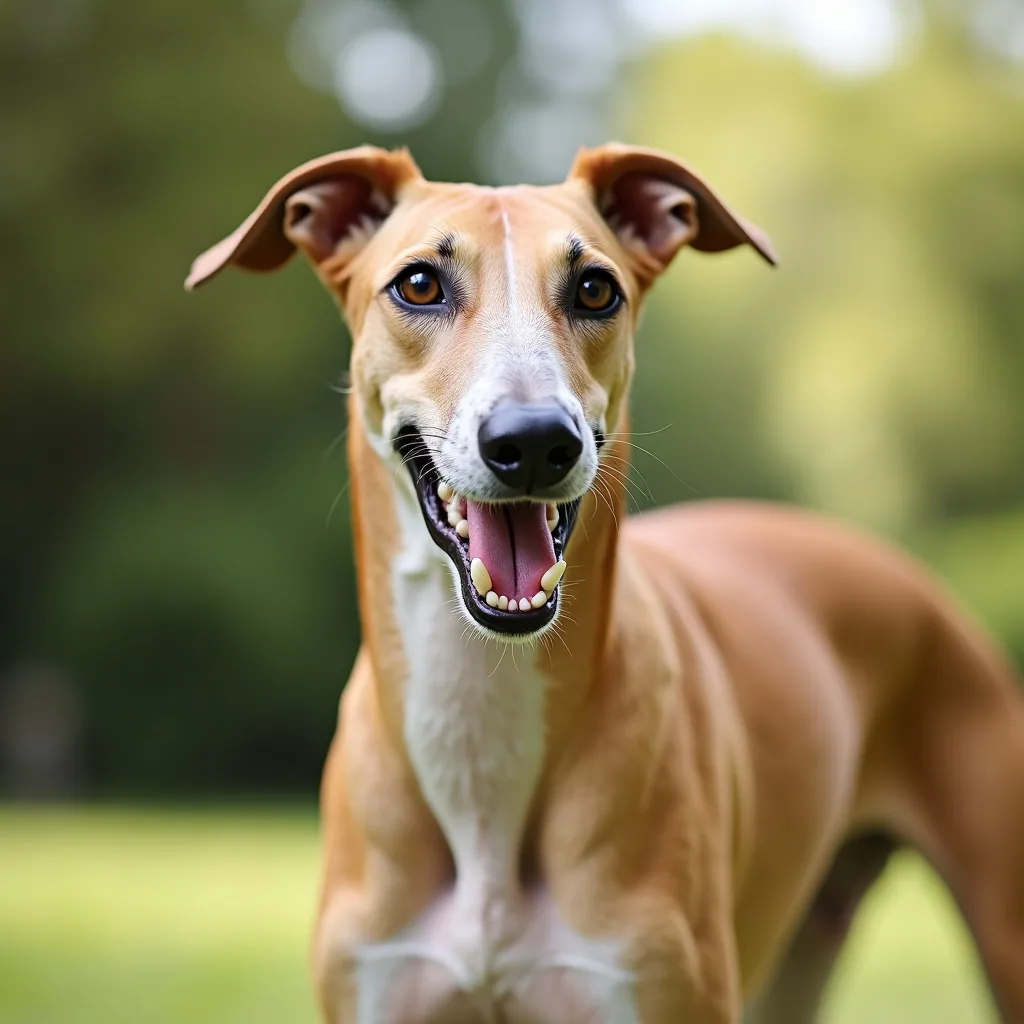
Surprisingly little for such an athletic-looking dog. Greyhounds are sprinters, not endurance runners, and most are content with two walks a day totalling around an hour, plus the chance for a short, safe gallop in a secure area. They are built for short bursts of speed rather than long-distance stamina, and adult Greyhounds typically spend much of the day sleeping.
It is one of the great surprises of the breed: the fastest dog on earth is also one of the laziest. If you are picturing daily ten-mile runs to keep a Greyhound happy, you can relax. Greyhounds are sprinters, not marathon runners, and most need far less exercise than their lean, athletic appearance implies. Here is an honest guide to how much exercise a Greyhound really needs and how to give it safely.
Sprinters, not endurance dogs
Greyhounds are built for explosive, short bursts of speed rather than sustained stamina. On the track or in a field, a Greyhound can reach extraordinary speed — but only for a matter of seconds before they are ready to flop down and recover. This is the key to understanding their exercise needs: they want short, intense bursts followed by lots of rest, not the steady, all-day activity that suits a Labrador or a working collie. A Greyhound that has had a good gallop and a couple of walks is a contented, sleepy Greyhound.
How much exercise per day?
For most adult Greyhounds, two walks a day totalling around an hour is plenty, alongside the chance for a short, safe off-lead run in a secure area where possible. Many are perfectly happy with sensible lead walks and will spend the rest of the day asleep. As always, individual dogs vary — a younger or particularly lively Greyhound may want a little more, while an older or retired racer may be content with gentle strolls. You can get a rough, personalised steer with our dog walking calculator.
The famous couch potato
The "45mph couch potato" nickname exists for a reason. Adult Greyhounds typically sleep a great deal — often eighteen hours or more across a day and night — and are genuinely happy doing very little between walks. This makes them an excellent fit for owners who want a calm companion and cannot commit to hours of daily activity. A comfortable, supportive dog bed is arguably more important to a Greyhound's wellbeing than a big garden.
Off-lead running and recall
A Greyhound's idea of heaven is a flat-out gallop, and a safe sprint is great physical and mental exercise. But there is a serious caveat: Greyhounds are sighthounds with a strong chase instinct and incredible acceleration, which means recall can be unreliable once something catches their eye. A Greyhound in pursuit can be hundreds of metres away in seconds and is very hard to call back. For this reason, many owners only let their Greyhound off the lead in fully enclosed, secure spaces such as a fenced dog field, rather than open parks or anywhere near roads, livestock or wildlife. Secure dog fields, increasingly common across the UK and bookable by the hour, are ideal for letting a Greyhound truly stretch its legs safely.
On-lead walking kit
Because Greyhounds have slim heads — narrower than their necks — an ordinary collar can slip off, especially if the dog suddenly pulls back. Many owners use a wide, padded sighthound collar (a martingale or "house collar") that tightens gently and safely if the dog tries to back out, plus a well-fitted harness for extra security. Browse dog collars, harnesses and leads designed with sighthounds in mind. A securely fitted set-up gives you peace of mind on every walk.
Don't forget the cold
Greyhounds have very little body fat and a thin coat, so they feel the cold badly. In winter, on wet days, or with older dogs, a warm, well-fitted coat makes walks far more comfortable and is a genuine welfare measure rather than a fashion choice. See our health and care guide for more, and browse dog coats suited to a deep-chested, lean build.
Puppies and older dogs
If you have a Greyhound puppy, avoid over-exercising while the joints are still developing — short, frequent, gentle sessions are better than long walks, and you should follow your vet's guidance. At the other end of life, senior Greyhounds may slow down and prefer shorter, gentler outings, though most stay keen for a gentle daily walk well into old age. Retired racers, despite their athletic past, often transition happily to a quieter pet exercise routine.
Mental exercise matters too
Like all dogs, Greyhounds benefit from mental stimulation as well as physical exercise. Sniffing on walks, gentle training, and food-based enrichment such as a puzzle feeder or lick mat or a slow feeder all help keep them content, especially on days when the weather limits outdoor time.
The bottom line
Greyhounds need surprisingly little exercise: roughly an hour of walking a day plus, ideally, the occasional safe gallop in a secure space. They are sprinters who love a quick burst and then a long sleep, which makes them one of the lower-maintenance large breeds for busy or less active owners — as long as you can keep them warm, secure and well rested. For more on the breed, see our guides on whether Greyhounds make good family pets and lifespan and health.
*This is general guidance. Exercise needs vary with age and health, so check with your vet, especially for puppies, seniors or dogs with health conditions.*
Sources
- The Kennel Club — Greyhound breed information and exercise needs (thekennelclub.org.uk).
- PDSA — dog exercise and walking advice (pdsa.org.uk).
- Blue Cross — exercising your dog safely (bluecross.org.uk).
- RSPCA — dog welfare and exercise (rspca.org.uk).
Common questions
How much exercise does a Greyhound need?
Surprisingly little for such an athletic-looking dog. Greyhounds are sprinters, not endurance runners, and most are content with two walks a day totalling around an hour, plus the chance for a short, safe gallop in a secure area. They are built for short bursts of speed rather than long-distance stamina, and adult Greyhounds typically spend much of the day sleeping. A daily routine of gentle lead walks and some off-lead time in a fenced space keeps most happy.
Can Greyhounds be let off the lead?
Only with great care. Greyhounds are sighthounds with a strong chase instinct and explosive acceleration, so recall can be unreliable once something catches their eye, and a Greyhound in pursuit is very hard to call back. Many owners only allow off-lead running in fully enclosed, secure spaces such as fenced dog fields, rather than open parks or anywhere near roads, livestock or wildlife. A secure dog field is the safest way to let a Greyhound gallop.
Do Greyhounds make good running companions?
Not really, despite their speed. Greyhounds are built for short, explosive sprints rather than sustained endurance, so they are not natural jogging partners for long-distance runs. They prefer a quick burst of speed followed by a long rest. If you want a dog to run miles with, a Greyhound is unlikely to suit; if you want a calm companion who loves a quick gallop and then a sleep, they are ideal.
About the author
Matt Garnett — founder, Giddy Pets
Matt started Giddy Pets to make getting pets the good stuff simpler and fairer. Everything in these guides comes from real life with pets and a lot of trial and error — it's practical guidance, not veterinary advice. If a guide gets something wrong, tell him directly.
Free tools & more guides
Read next
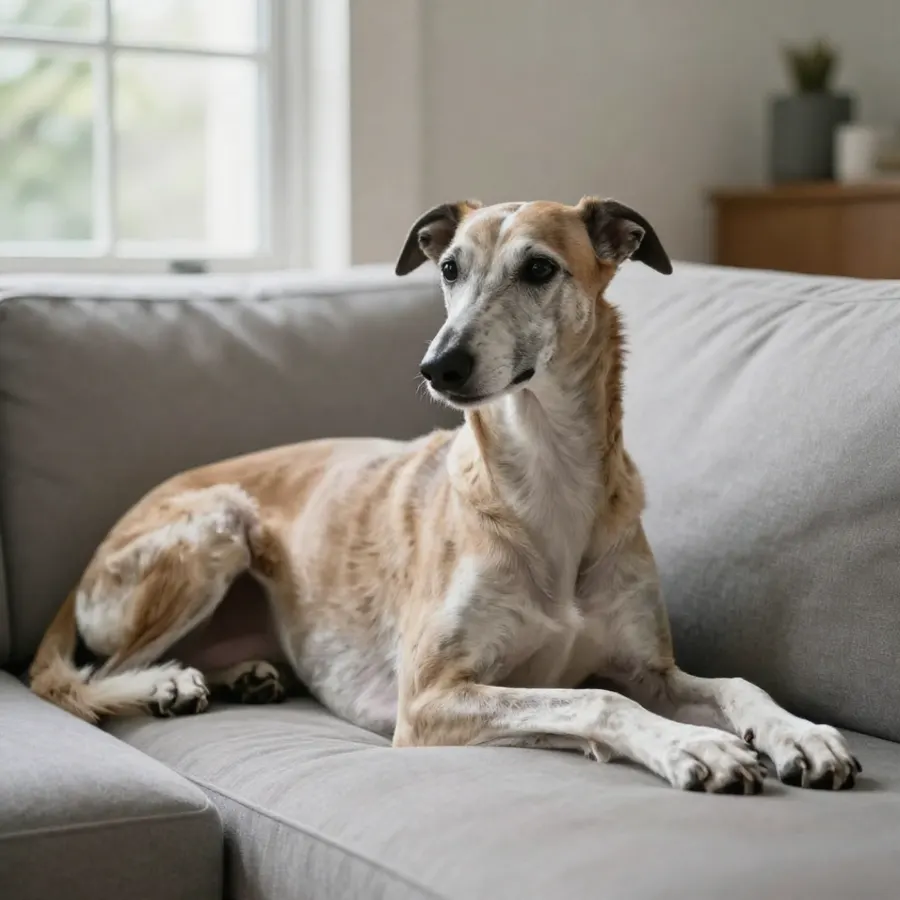
Are Greyhounds Good Family Pets?
What Greyhounds are really like to live with — their gentle, quiet temperament, the famous 45mph couch potato nature, and the homes they suit best.
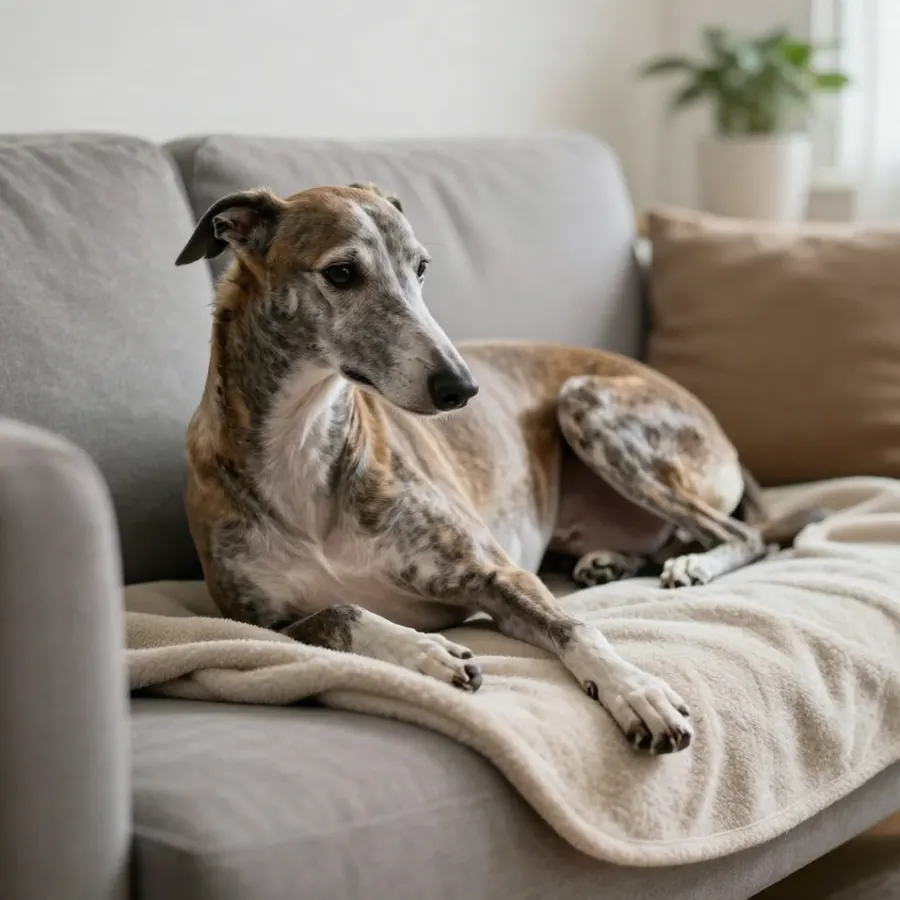
Greyhound Health & Care
How to care for a Greyhound — thin skin and lacerations, sensitivity to cold and anaesthetic, bloat, dental care, easy grooming, and why they need coats.
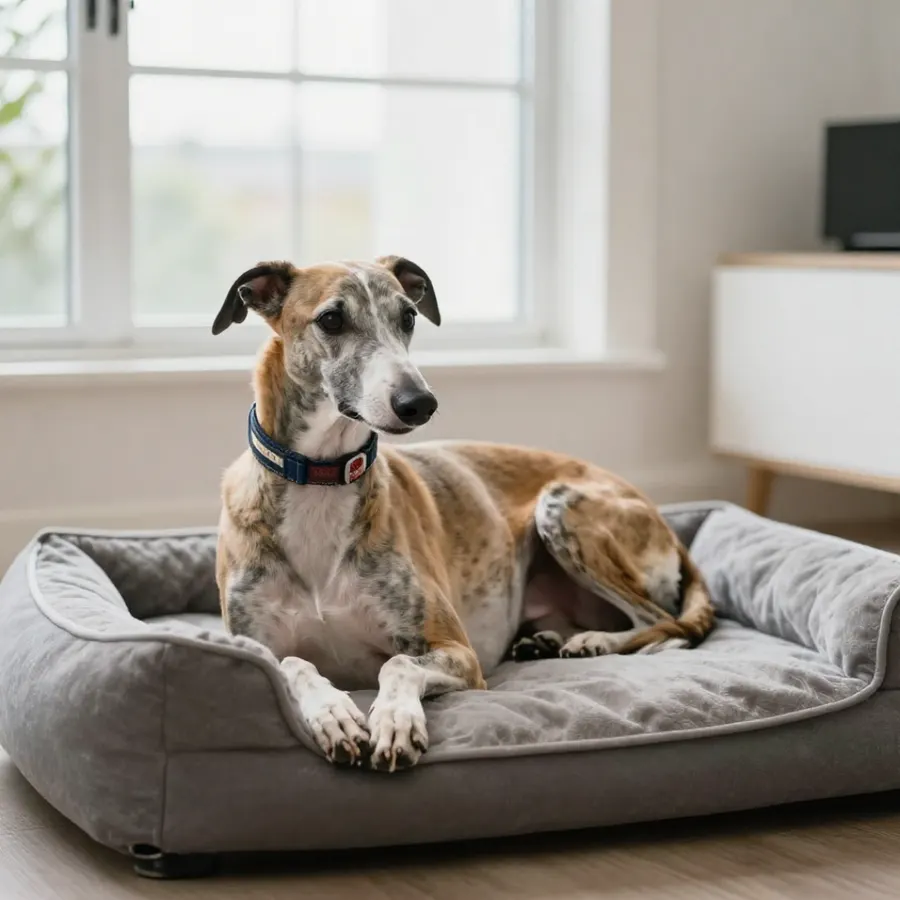
Adopting a Retired Racing Greyhound: What to Expect
What to expect when adopting a retired racing Greyhound in the UK — the kennel-to-home transition, muzzle culture, cats and recall, and how to help one settle.
How Long Do Greyhounds Live? Lifespan & Health
How long Greyhounds live, the breed's generally good health, the conditions to watch for such as bloat and cold sensitivity, and how to help yours age well.