
How Long Do Greyhounds Live? Lifespan & Health
How long Greyhounds live, the breed's generally good health, the conditions to watch for such as bloat and cold sensitivity, and how to help yours age well.
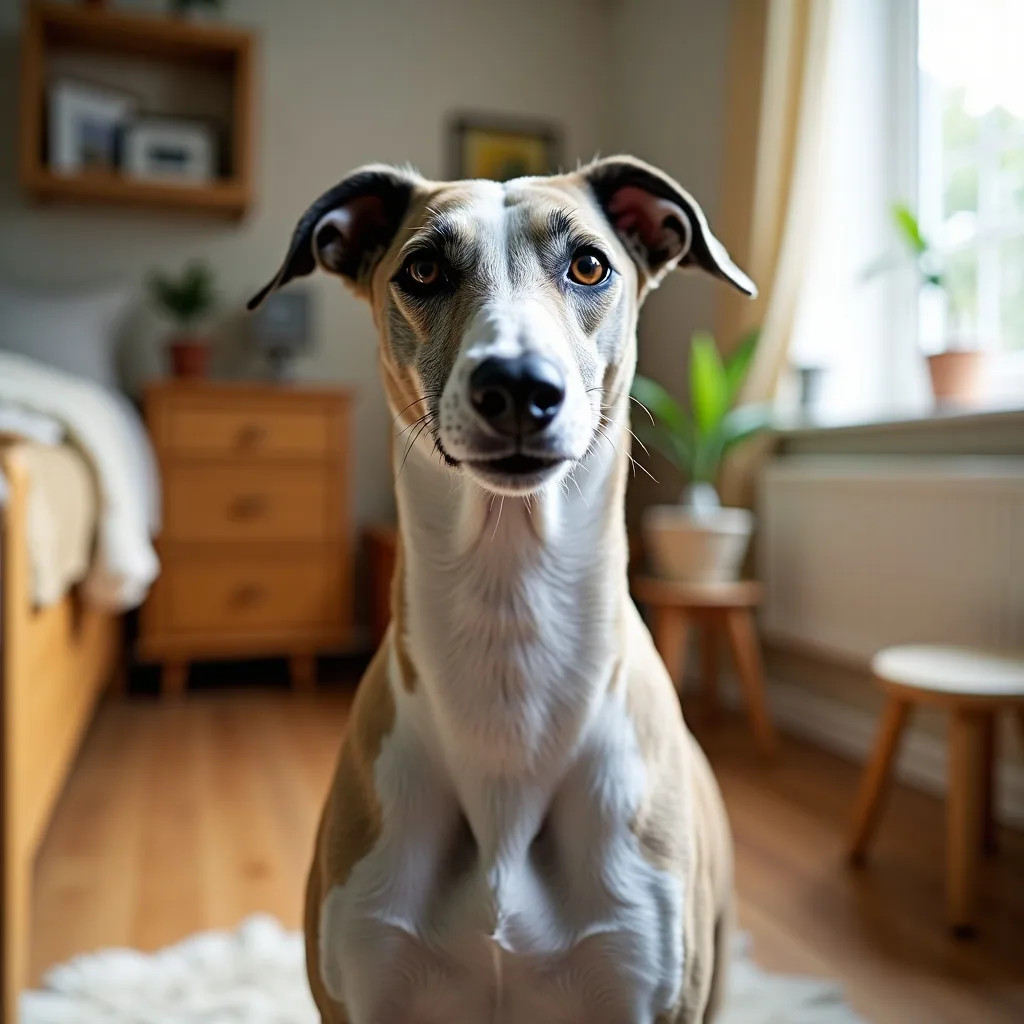
The quick answer
Greyhounds typically live to around 10–13 years, which is a good lifespan for a dog of their size. As a relatively healthy breed without many of the exaggerated features that affect some pedigrees, well-cared-for Greyhounds often reach their early teens.
The Greyhound is an ancient breed, lean and athletic, and on the whole a fairly healthy one too — free from many of the exaggerated features that shorten the lives of some modern pedigrees. If you are thinking of welcoming one, or already share your home with a gentle ex-racer, one of the first questions is usually how long they live and what to look out for. Here is an honest look at Greyhound lifespan, the conditions the breed can carry, and the practical things that help yours reach a healthy old age.
How long do Greyhounds live?
Greyhounds typically live to around 10–13 years, which is a good lifespan for a dog of their size — larger breeds generally live shorter lives than small ones, and the Greyhound does well within its weight class. With good care, many reach their early teens. As always, genetics set the outer limits while everyday care — weight, diet, dental health, warmth and routine veterinary attention — strongly influences where an individual dog lands.
A relatively healthy breed
One of the Greyhound's quiet virtues is that it has been bred for function rather than extreme looks, so it avoids many of the structural problems seen in more exaggerated breeds. They are athletic, well-proportioned dogs without the breathing, joint or skin problems that some flat-faced or heavily built breeds suffer. That said, no breed is without its risks, and there are a few specific things every Greyhound owner should understand.
Bloat (gastric dilatation-volvulus)
As a deep-chested breed, Greyhounds are among those at higher risk of bloat, also called gastric dilatation-volvulus (GDV). This is a sudden, life-threatening emergency in which the stomach fills with gas and can twist, cutting off its blood supply. Signs include a swollen, hard abdomen, unproductive retching, restlessness, drooling and obvious distress. Bloat is a veterinary emergency — contact your vet immediately if you suspect it. To reduce the risk, many owners feed smaller meals rather than one large one, avoid vigorous exercise right before and after eating, and discourage gulping; a slow feeder can help a fast eater pace themselves.
Thin skin and lacerations
Greyhounds carry very little body fat and have notably thin, delicate skin that cuts, grazes and tears more easily than most dogs. Minor knocks on rough ground, brambles or sharp edges can cause wounds that need veterinary attention. It is not a life-threatening issue, but it is something to be mindful of, and it is covered in detail in our health and care guide.
Sensitivity to cold and anaesthetic
Because they are so lean, Greyhounds feel the cold acutely and many genuinely need a warm coat in winter and a draught-free bed indoors. Their low body fat and breed physiology also mean they can be more sensitive to certain anaesthetics, which is why an experienced vet will take a Greyhound's particular needs into account before any procedure. These are manageable considerations rather than serious diseases, but they shape day-to-day care.
Dental disease
Dental disease is common in the breed, and retired racers in particular can arrive with significant tartar and gum problems. Left unchecked, dental disease causes pain and can affect overall health. Regular tooth brushing, dental chews and routine veterinary dental checks all help — browse our dental care range and keep up regular vet visits.
Weight: the everyday risk
Greyhounds are naturally lean, and they should stay that way — you should be able to see a hint of the last ribs and a clear waist. Carrying excess weight strains the joints and heart and raises the risk of other problems. Because the breed is so slim by nature, even a small amount of extra weight shows, so judge condition by body shape and your vet's advice. Our pet calorie calculator can help you feed the right amount.
Helping your Greyhound live a long, healthy life
- Keep them lean — measure meals and avoid overfeeding a naturally slim dog.
- Know the signs of bloat and act fast — it is a true emergency.
- Keep them warm — a coat for winter walks and a soft, draught-free bed.
- Stay on top of dental care, vaccinations and parasite control.
- See your vet regularly, moving towards more frequent checks as your dog ages.
- Insure early — lifelong cover taken out while your dog is young is genuinely valuable.
You can get a rough sense of lifespan with our pet life expectancy tool, estimate cover with the pet insurance estimator, and find local and emergency clinics through our vet finder.
*This is general guidance, not a substitute for advice from your vet, who can assess your individual dog.*
Sources
- The Kennel Club — Greyhound breed information and health (thekennelclub.org.uk).
- RVC VetCompass — UK dog health and longevity research (rvc.ac.uk/vetcompass).
- PDSA — bloat (GDV), dental disease and dog health (pdsa.org.uk).
- Blue Cross — caring for your dog (bluecross.org.uk).
Common questions
How long do Greyhounds live?
Greyhounds typically live to around 10–13 years, which is a good lifespan for a dog of their size. As a relatively healthy breed without many of the exaggerated features that affect some pedigrees, well-cared-for Greyhounds often reach their early teens. Keeping your dog at a lean, healthy weight, staying on top of dental and routine veterinary care, and being aware of breed-specific issues such as bloat and cold sensitivity all help yours live a long, comfortable life.
What health problems are Greyhounds prone to?
Greyhounds are fairly healthy overall, but as a deep-chested breed they are at higher risk of bloat (gastric dilatation-volvulus), a sudden emergency requiring immediate veterinary care. Their thin skin tears and grazes easily, they feel the cold badly and can be more sensitive to some anaesthetics, and dental disease is common — especially in retired racers. Keeping them lean, warm and on top of dental care, and knowing the signs of bloat, manages most of these risks.
What is bloat and why are Greyhounds at risk?
Bloat, or gastric dilatation-volvulus (GDV), is a life-threatening emergency where the stomach fills with gas and can twist, cutting off its blood supply. Deep-chested breeds like Greyhounds are at higher risk. Signs include a swollen hard abdomen, unproductive retching, restlessness and distress — contact your vet immediately if you suspect it. Feeding smaller meals, avoiding vigorous exercise around mealtimes and slowing fast eaters can help reduce the risk.
About the author
Matt Garnett — founder, Giddy Pets
Matt started Giddy Pets to make getting pets the good stuff simpler and fairer. Everything in these guides comes from real life with pets and a lot of trial and error — it's practical guidance, not veterinary advice. If a guide gets something wrong, tell him directly.
Free tools & more guides
Read next
Greyhound Health & Care
How to care for a Greyhound — thin skin and lacerations, sensitivity to cold and anaesthetic, bloat, dental care, easy grooming, and why they need coats.
Are Greyhounds Good Family Pets?
What Greyhounds are really like to live with — their gentle, quiet temperament, the famous 45mph couch potato nature, and the homes they suit best.

Adopting a Retired Racing Greyhound: What to Expect
What to expect when adopting a retired racing Greyhound in the UK — the kennel-to-home transition, muzzle culture, cats and recall, and how to help one settle.
How Much Exercise Does a Greyhound Need?
Greyhounds need far less exercise than their athletic build suggests — why these sprinters are happy with short walks, and how to exercise one safely.