
How to Train a Papillon (and Why They Excel)
Why Papillons are one of the most trainable toy breeds, and a practical guide to house training, socialisation, recall, barking and the dog sports they love.
The quick answer
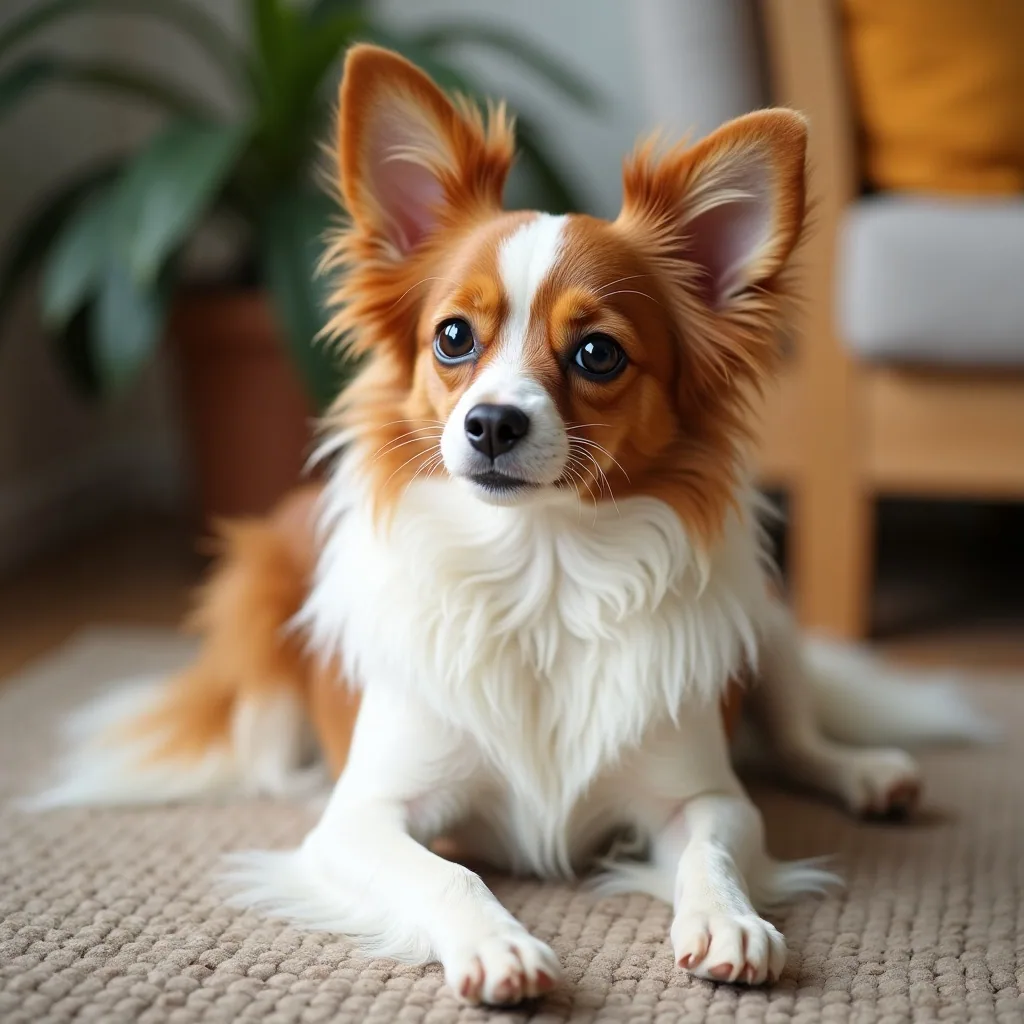
Yes — Papillons are among the most trainable of all toy breeds. They are highly intelligent, eager to please and quick to learn, and they regularly excel in dog agility, obedience and trick competitions, often outperforming much larger dogs. A Papillon even won Best in Show at Crufts in 2019.
If there were a class prize for cleverness among toy breeds, the Papillon would be a strong contender. Bright, eager to please and quick on the uptake, Papillons are widely regarded as one of the most trainable small dogs — and they have the competition results to prove it. Here is why they excel, and how to train your Papillon well.
Why Papillons excel at training
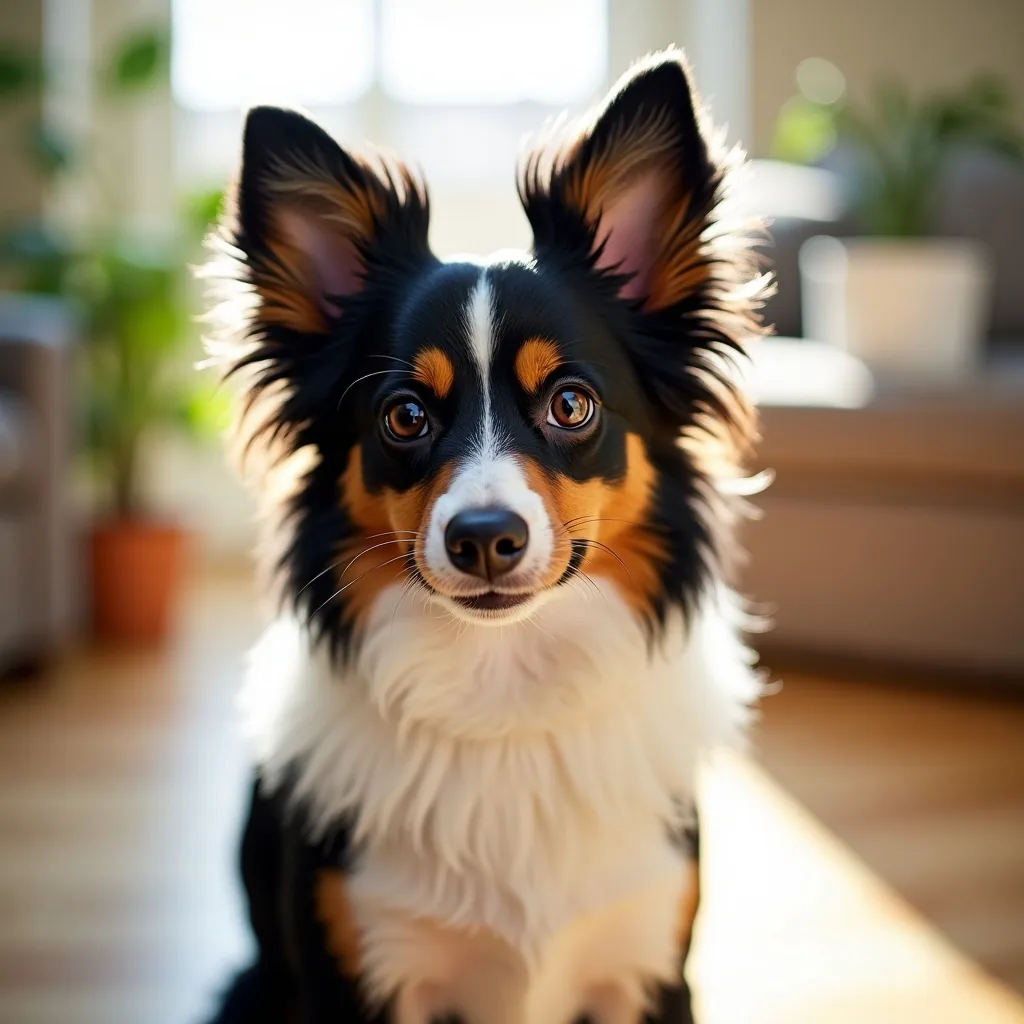
Papillons are genuinely clever, biddable and motivated. They learn quickly, enjoy working with their person, and take real pleasure in having a job to do. This combination is why they punch so far above their weight in dog sports: Papillons are regular high performers in agility, obedience and trick competitions, frequently beating much larger breeds. The breed even claimed Best in Show at Crufts in 2019, a reminder of just how capable these little dogs are. That intelligence is a gift, but it comes with a responsibility — a smart dog with nothing to do will find its own entertainment, so a Papillon needs regular training and mental stimulation to be at its best.
Start with the basics: positive, reward-based training
Like all dogs, Papillons respond best to kind, reward-based methods. Keep sessions short, upbeat and frequent — a few minutes several times a day beats one long, dull session, especially for a dog with a busy brain. Use small, tasty treats, a happy voice and plenty of praise to mark and reward the behaviour you want. Because they are so food- and praise-motivated, most Papillons learn fast; the trick is consistency, so that everyone in the household uses the same cues and rules.
House training
House training a toy breed takes patience because their tiny bladders need frequent emptying, and accidents are easy to miss on a small dog. Take your puppy out often — after waking, eating, playing and at regular intervals through the day — and go out with them so you can reward generously the very moment they toilet outside. Never punish accidents, which only teaches a dog to hide and toilet out of sight and makes the whole process harder. A predictable routine, consistent praise for getting it right, and patience are the fastest route to a reliably clean dog. Crate training, done kindly, can also help by giving your puppy a safe den and supporting a toileting routine.
Socialisation matters
Early, positive socialisation is one of the best investments you can make. Gently introduce your Papillon to a wide variety of people, friendly dogs, other animals, sounds, surfaces and everyday situations while they are young, always keeping experiences calm and positive. Well-socialised Papillons grow into confident, adaptable adults. Because they are small, take care around big, boisterous dogs during play so confidence is built safely.
Recall and lead manners
A reliable recall keeps your dog safe, so practise it early in a secure space, making coming back to you the best thing that ever happens with treats and praise. Build up gradually from a quiet room to the garden to busier places with more distractions, and never tell a dog off when they do come back, however long it took. For lead walking, a harness is kinder than a collar on a delicate toy-breed neck, taking pressure off the windpipe if your dog pulls — browse our dog harnesses and leads. Reward your Papillon for walking nicely beside you rather than pulling, keep sessions short and upbeat, and finish on a win.
Managing barking
Papillons are alert and can be barky if it becomes a habit. The trainable mind that makes them so clever also makes barking very fixable: avoid accidentally rewarding it with attention, teach and reward a "quiet" cue and calm behaviour, and make sure your dog has enough physical and mental exercise so boredom is not driving the noise. Consistency from the whole household is key.
Channel that brain: enrichment and dog sports
The single best thing you can do for a Papillon is give its mind a workout. Puzzle feeders, scent games, trick training and structured play all help — explore our puzzle and enrichment toys and dog toys. If you and your dog enjoy training, consider a local agility, obedience, rally or trick-training class: Papillons are made for these sports, and they are a brilliant way to bond, burn energy and show off your clever little dog. A tired, mentally satisfied Papillon is a calm, well-behaved one.
Putting it together
Train a Papillon with kindness, consistency and plenty of mental challenge, and you will be rewarded with a delightful, responsive companion that can learn almost anything. For more on the breed, see our guides on whether Papillons make good family dogs and grooming and care.
*This is general guidance. If you are struggling with a specific behaviour, a qualified, reward-based trainer or behaviourist can help.*
Sources
Common questions
Are Papillons easy to train?
Yes — Papillons are among the most trainable of all toy breeds. They are highly intelligent, eager to please and quick to learn, and they regularly excel in dog agility, obedience and trick competitions, often outperforming much larger dogs. A Papillon even won Best in Show at Crufts in 2019. They respond best to short, positive, reward-based training sessions, and because they are so bright they need regular mental stimulation to stay happy and out of mischief.
Why are Papillons so good at agility?
Papillons combine intelligence, athleticism and a real eagerness to work with their handler, which is the perfect recipe for agility. Despite their tiny size they are fast, nimble and surprisingly energetic, and they love having a job to do. They are regular high performers in agility and obedience, often beating much larger breeds. Channelling that ability into a local agility, obedience or trick class is a great way to keep a Papillon happy and well-behaved.
How do I stop my Papillon barking?
Papillons are alert and can bark out of habit if it goes unchecked. Because they are so trainable it is very fixable: avoid accidentally rewarding barking with attention, teach and reward a 'quiet' cue and calm behaviour, and make sure your dog gets enough physical and mental exercise so boredom is not driving the noise. Consistency from the whole household, plus plenty of enrichment, usually brings barking under control quickly.
About the author
Matt Garnett — founder, Giddy Pets
Matt started Giddy Pets to make getting pets the good stuff simpler and fairer. Everything in these guides comes from real life with pets and a lot of trial and error — it's practical guidance, not veterinary advice. If a guide gets something wrong, tell him directly.
Free tools & more guides
Read next
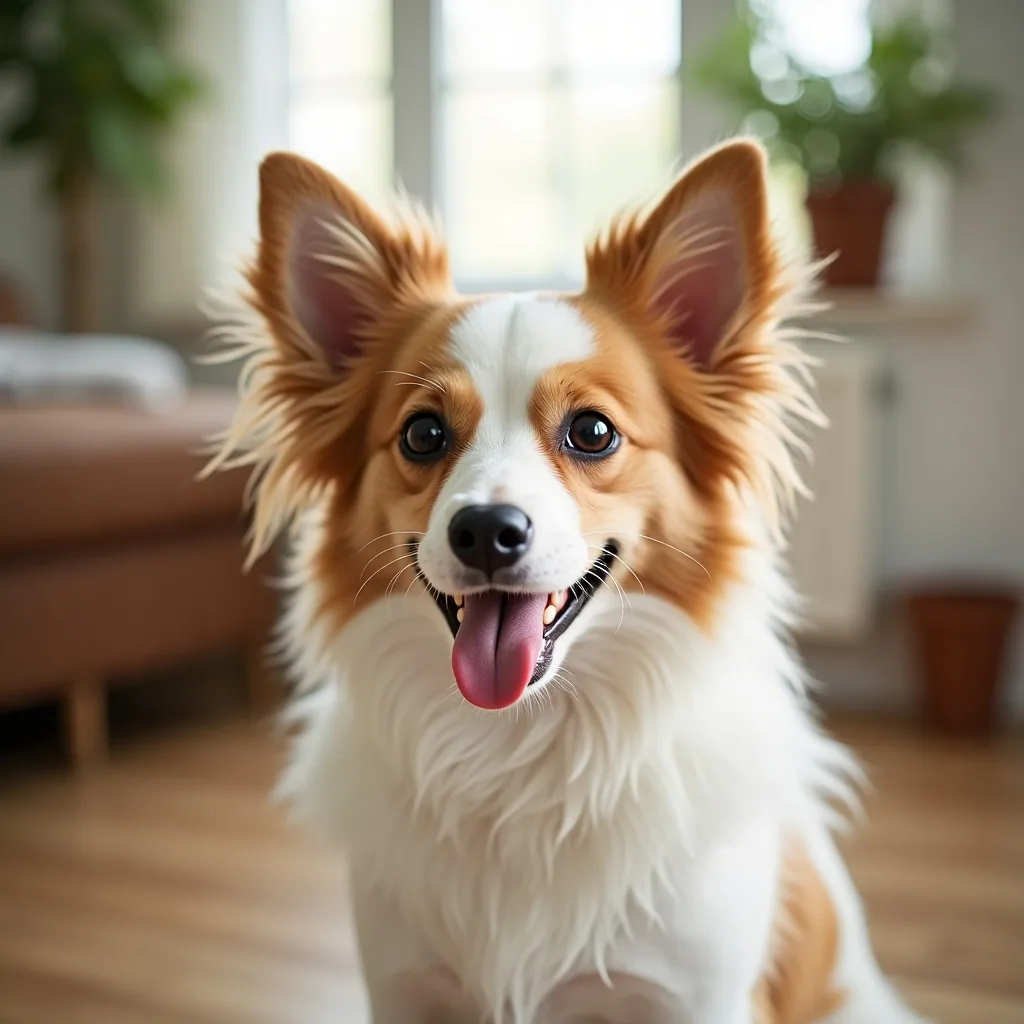
Are Papillons Good Family Dogs?
What Papillons are really like to live with — their bright, affectionate temperament, how they cope with children and other pets, and the homes they suit best.
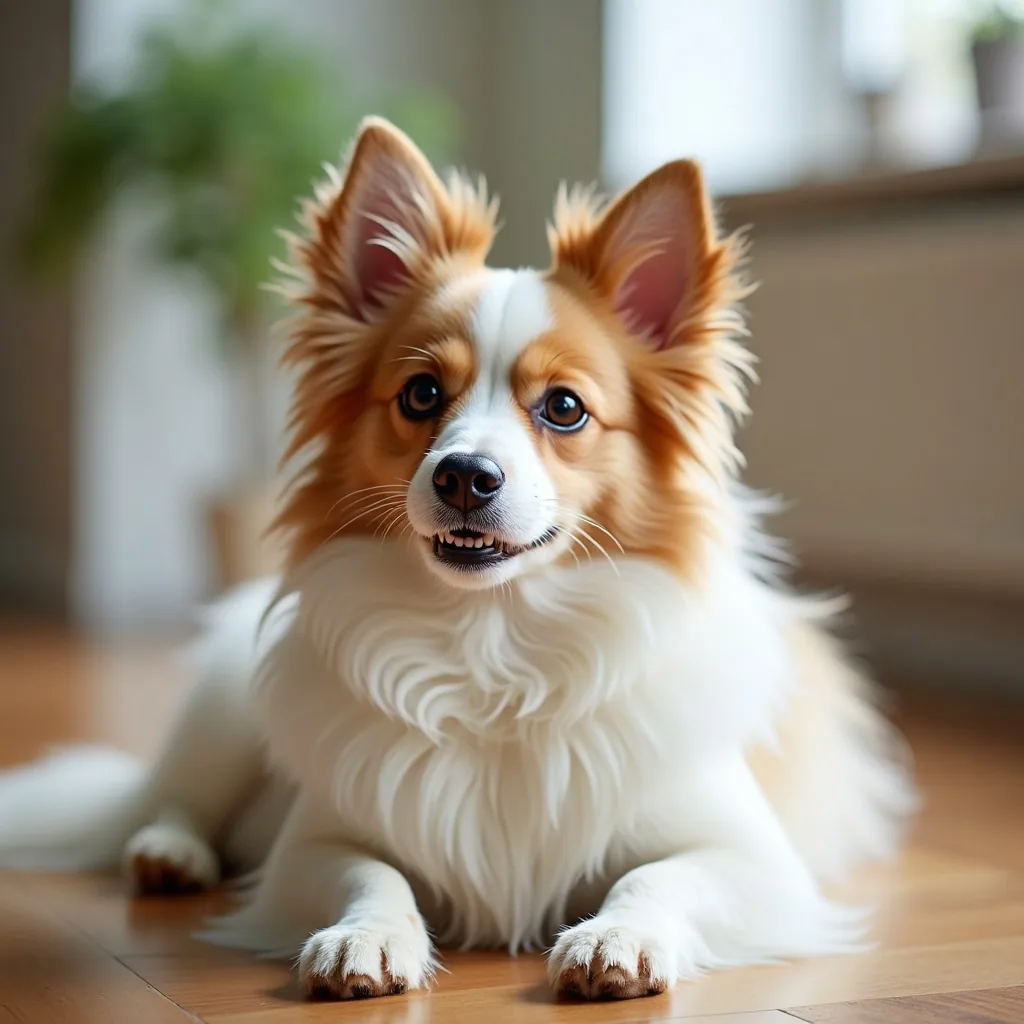
How Long Do Papillons Live? Lifespan & Health
How long Papillons live, the toy-breed health issues to know about — slipping kneecaps, dental disease and inherited eye conditions — and how to help yours reach a healthy old age.
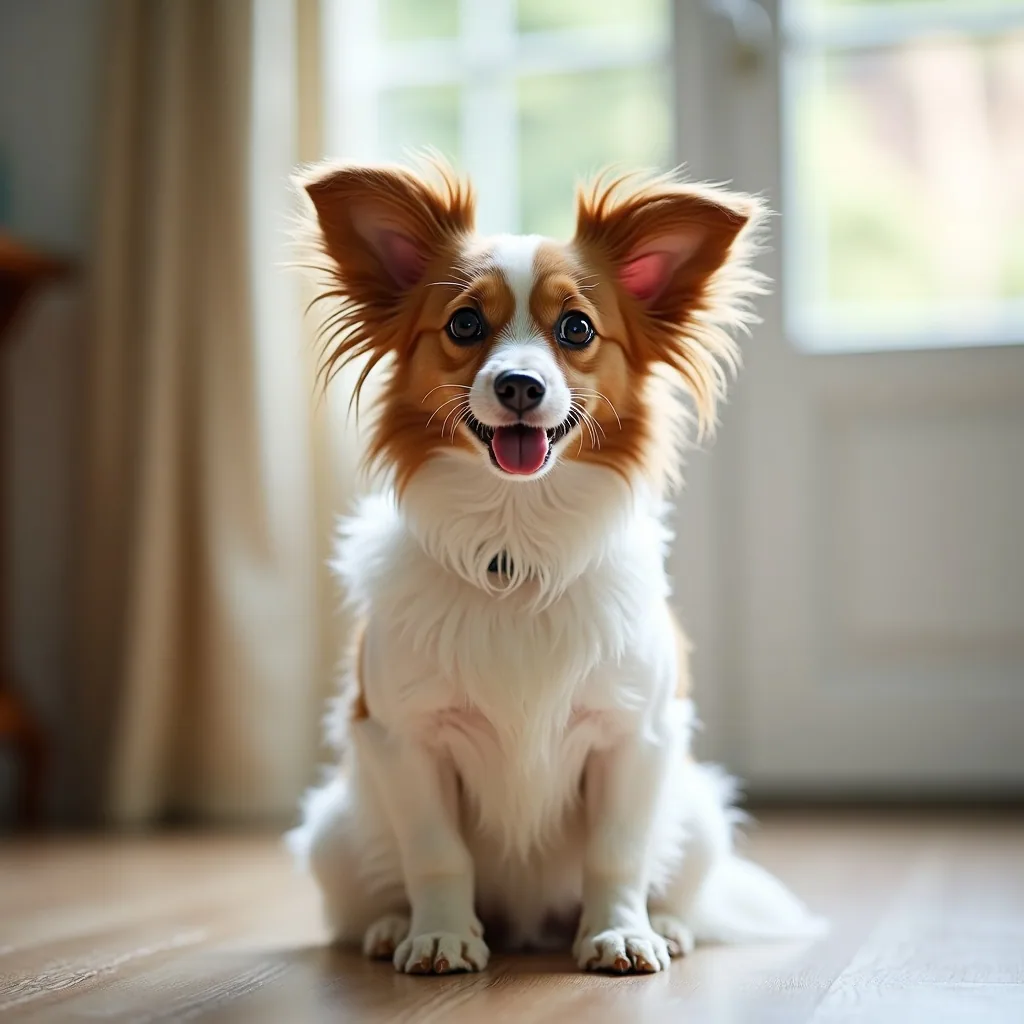
Papillon Grooming & Care (Coat, Ears & Dental)
How to groom and care for a Papillon — brushing the silky single coat, caring for the feathered ears, dental care, nails, and looking after a fine-boned toy breed.
How Much Does a Papillon Cost? Buying & Lifetime Costs
What a Papillon really costs — the purchase price of a health-tested puppy, the lifetime running costs, and why insurance matters for a long-lived toy breed.