
Are Papillons Good Family Dogs?
What Papillons are really like to live with — their bright, affectionate temperament, how they cope with children and other pets, and the homes they suit best.
The quick answer
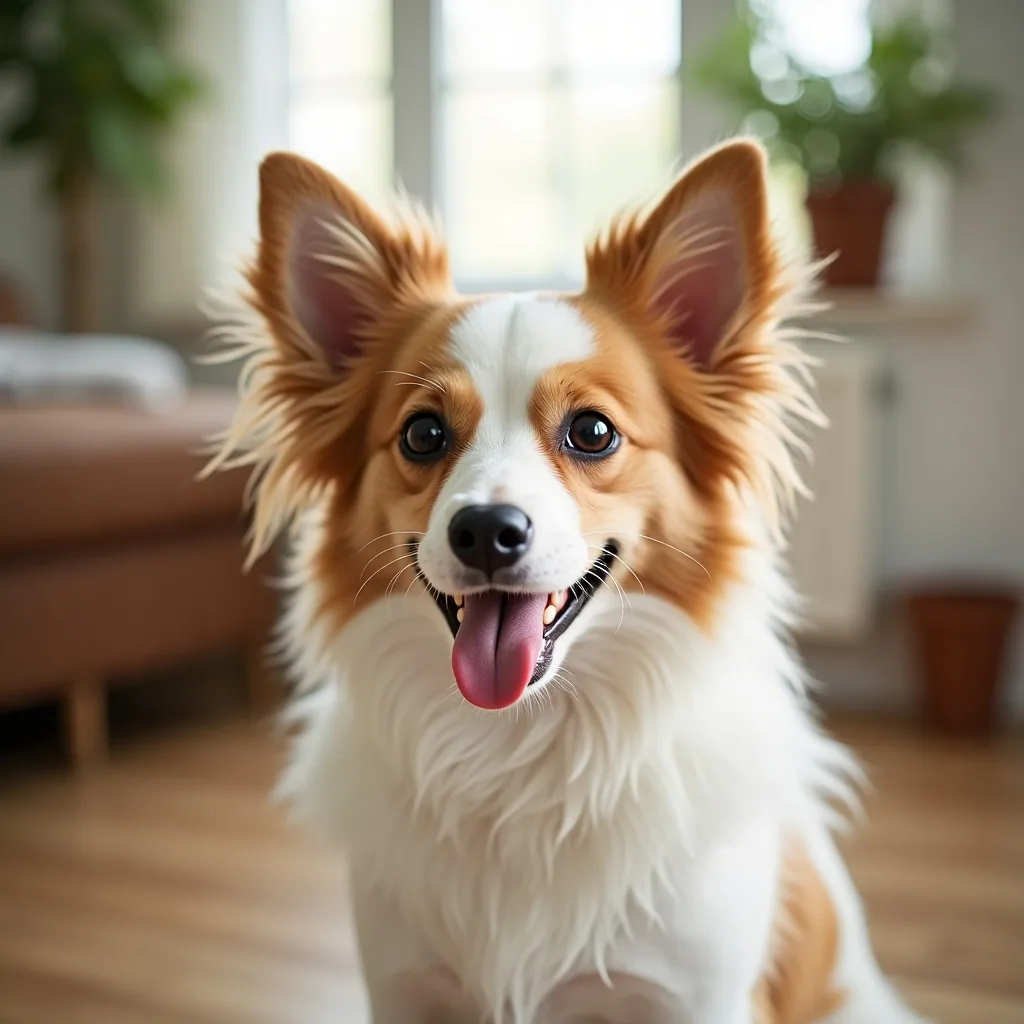
Papillons can make lovely family dogs in the right home. They are affectionate, lively, intelligent and people-focused, and they usually get on well with sensible, gentle older children and other pets when properly socialised. The main caution is their size and fragility: a Papillon weighs only a couple of kilograms, so rough or unpredictable handling by very young children can injure them.
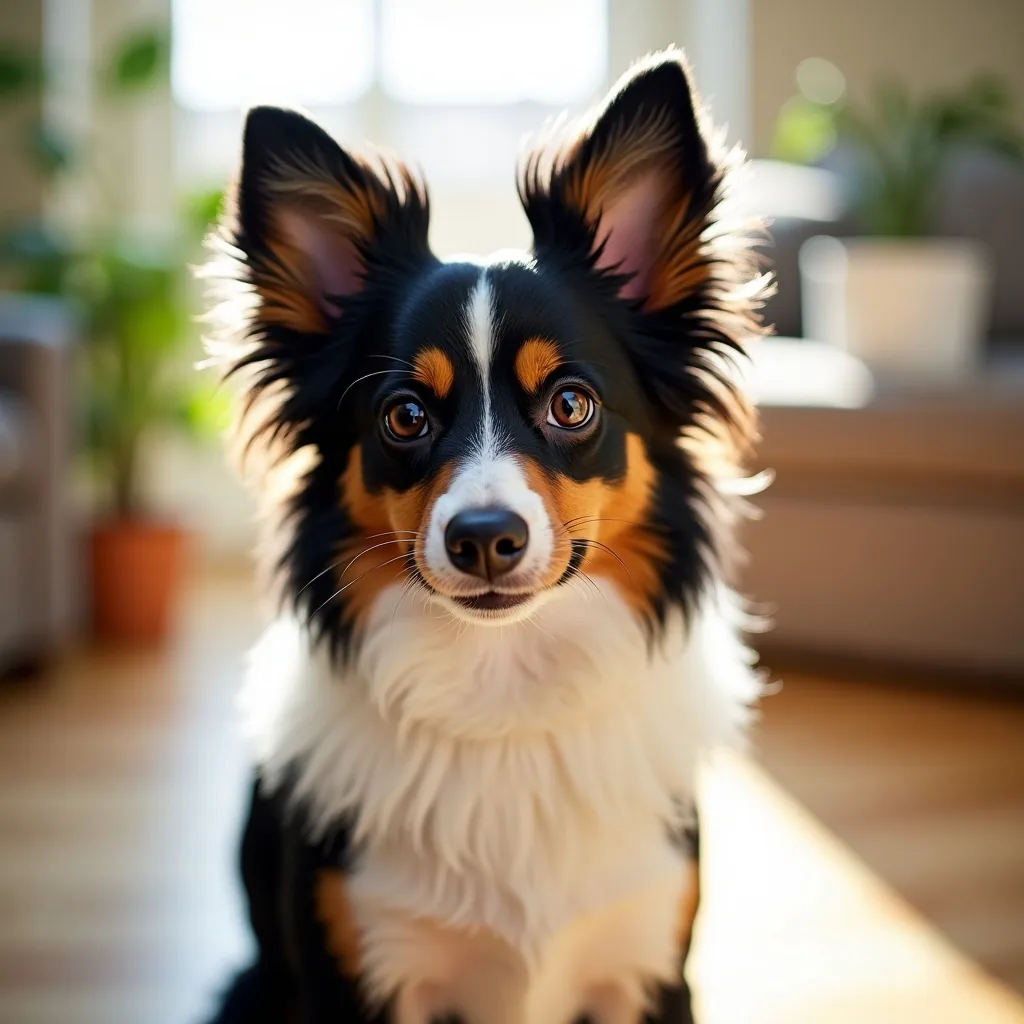
Papillons may be tiny, but they have outsized personalities — bright, lively, affectionate and devoted to their people. With those signature butterfly ears and that confident sparkle, they are easy to fall for. But are Papillons actually good family dogs, and would one suit your household? Here is an honest look at the breed's temperament, the quirks that come with it, and the homes they fit best.
A bright, affectionate companion
Papillons are best known for being friendly, outgoing and people-focused. They thrive on companionship and love being involved in whatever the family is doing, often shadowing their favourite person from room to room. They are also famously intelligent — one of the cleverest of all the toy breeds — which makes them engaging, responsive and genuinely fun to live with. That same intelligence means they need mental stimulation and company; a bored or lonely Papillon is a less happy one, and may turn to barking or mischief.
The size question: handle with care
The single most important thing to weigh up with a Papillon and family life is how small and fragile they are. A Papillon weighs only around 1.5–4.5kg, with fine bones, so they can be injured by being dropped, stepped on, or handled roughly. This is why most breed experts suggest Papillons suit homes with sensible, gentle, older children rather than households with toddlers. It is not that they dislike children — well-socialised Papillons can be lovely with kind ones — but very young children move unpredictably and may not understand how delicate the dog is. If you do have young children, every interaction needs close supervision, the dog needs a safe place to retreat to, and children must be taught to be calm and gentle and never to pick the dog up without help.
Good with other dogs and pets
Papillons are generally sociable with other dogs and pets when they have been properly socialised from a young age. The main risk, again, is their size: a Papillon often has no idea how tiny it is and may happily try to play with a dog ten times its weight, so supervise mixed-size play carefully to avoid accidental injury. With cats and other household pets, calm, gradual introductions usually work well, particularly when the Papillon has grown up alongside them.
Energetic in a small package
Do not be fooled by the dainty looks — Papillons are surprisingly athletic and energetic. They enjoy a proper daily walk, play and games, and they are capable of far more activity than their size suggests, which is part of why they shine at agility. They cope well with family life provided they get that physical and mental exercise. A harness is a sensible choice over a collar for a delicate toy breed, taking pressure off a small neck on the lead. You can plan walks with our dog walking calculator.
Watch the barking
Like many small, alert breeds, Papillons can be vocal, barking to announce visitors or anything they find interesting. Left unchecked this can become a habit, which matters more in a busy family home or a flat. Happily, because they are so trainable, it is very manageable — reward calm behaviour, avoid accidentally rewarding barking with attention, and keep them mentally and physically exercised. Our guide on training a Papillon covers this in more depth.
Who do Papillons suit?
- Families with older, gentle children who can be taught to handle a delicate dog respectfully.
- People who are around a fair amount and can offer company, play and training.
- Active owners who enjoy walks, games and brain work — Papillons love having a job to do.
- Anyone wanting a long-term companion and prepared for the breed's dental and health needs (see our lifespan and health guide).
They are less ideal for homes with very young, boisterous children, for people out all day with no company for the dog, or for anyone wanting a quiet, low-interaction pet.
The honest verdict
For the right home, Papillons make wonderful family companions: clever, affectionate, energetic and endlessly entertaining. The key caveats are their fragility around small children and their need for company, exercise and a little training to curb barking. Meet them honestly against your household, and a Papillon can be a brilliant fit. For more on living with the breed, see our guides on training and grooming and care.
*This is general guidance. Every dog is an individual, so meet the parents and puppies before choosing, and speak to your vet or breeder about your specific situation.*
Sources
Common questions
Are Papillons good family dogs?
Papillons can make lovely family dogs in the right home. They are affectionate, lively, intelligent and people-focused, and they usually get on well with sensible, gentle older children and other pets when properly socialised. The main caution is their size and fragility: a Papillon weighs only a couple of kilograms, so rough or unpredictable handling by very young children can injure them. Households with toddlers need to supervise every interaction closely and teach children to be calm and gentle.
Are Papillons good with young children?
Papillons are best suited to homes with older, gentle children rather than toddlers. They are not unfriendly with little ones, but at only 1.5–4.5kg with fine bones they are fragile and can be hurt by being dropped, stepped on or handled roughly. If you have young children, supervise every interaction closely, give the dog a safe place to retreat to, and teach children to be calm, gentle and never to pick the dog up without an adult's help.
Do Papillons get on with other dogs and pets?
Generally yes. Well-socialised Papillons are usually friendly with other dogs and pets. The main risk is their size: a Papillon often has no idea how small it is and may try to play with much larger dogs, so supervise mixed-size play to avoid accidental injury. With cats and other household pets, calm, gradual introductions tend to work well, especially when the Papillon has grown up around them.
About the author
Matt Garnett — founder, Giddy Pets
Matt started Giddy Pets to make getting pets the good stuff simpler and fairer. Everything in these guides comes from real life with pets and a lot of trial and error — it's practical guidance, not veterinary advice. If a guide gets something wrong, tell him directly.
Free tools & more guides
Read next
How to Train a Papillon (and Why They Excel)
Why Papillons are one of the most trainable toy breeds, and a practical guide to house training, socialisation, recall, barking and the dog sports they love.
Papillon Grooming & Care (Coat, Ears & Dental)
How to groom and care for a Papillon — brushing the silky single coat, caring for the feathered ears, dental care, nails, and looking after a fine-boned toy breed.
How Long Do Papillons Live? Lifespan & Health
How long Papillons live, the toy-breed health issues to know about — slipping kneecaps, dental disease and inherited eye conditions — and how to help yours reach a healthy old age.
How Much Does a Papillon Cost? Buying & Lifetime Costs
What a Papillon really costs — the purchase price of a health-tested puppy, the lifetime running costs, and why insurance matters for a long-lived toy breed.