
Papillon Grooming & Care (Coat, Ears & Dental)
How to groom and care for a Papillon — brushing the silky single coat, caring for the feathered ears, dental care, nails, and looking after a fine-boned toy breed.
The quick answer
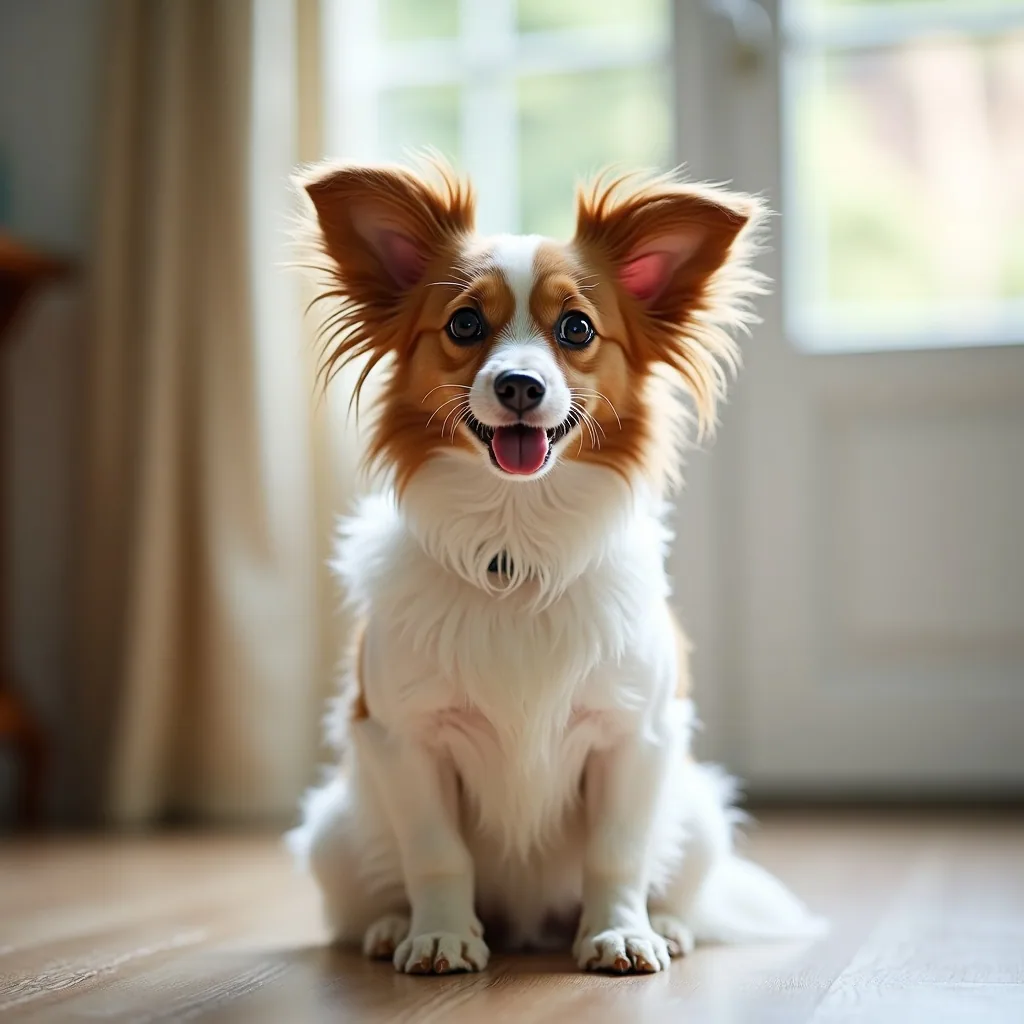
Papillons are fairly low-maintenance for a long-coated breed because they have a single coat with no dense undercoat, so they do not mat as easily as double-coated dogs. A brush a few times a week keeps the silky coat and the feathering on the ears, chest, legs and tail tangle-free, with extra attention behind the ears and on the trousers.
Papillons are surprisingly easy to care for compared with many long-coated breeds, but they do have a few priorities of their own — chief among them their teeth and their delicate frame. The good news is that a sensible routine keeps this elegant little dog looking and feeling its best. Here is how to groom and care for a Papillon properly.
Understanding the Papillon coat
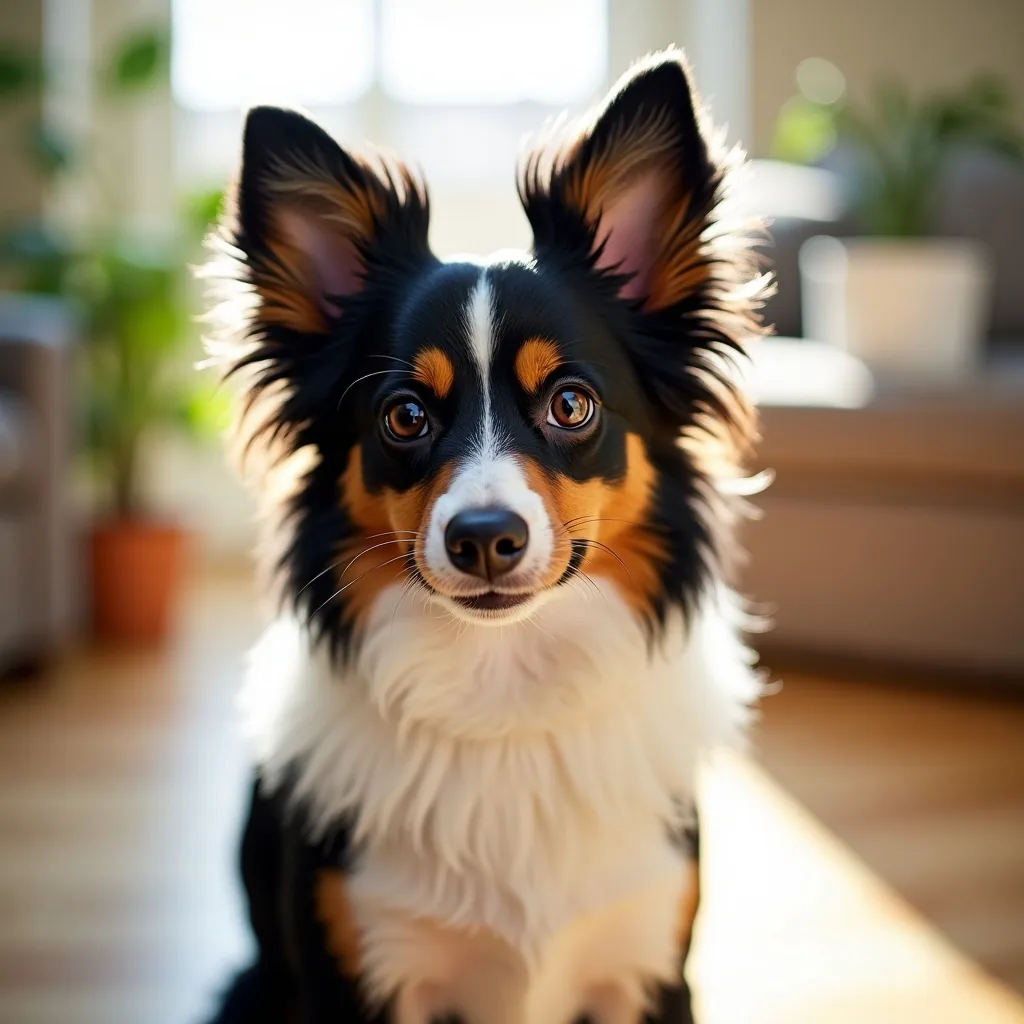
Papillons have a long, silky, single coat with no dense woolly undercoat. That single coat is a real advantage: it sheds less heavily and mats far less readily than a double coat, so Papillons are relatively low-maintenance for a long-haired breed. The coat is longer in flowing feathering on the ears, chest, the backs of the legs (often called trousers or culottes) and the plumed tail, while it is shorter over the body. The famous fringed butterfly ears are part of what makes the breed so distinctive.
How often to brush
Plan on brushing a few times a week to keep the coat and feathering tangle-free and to spread the natural oils that keep it glossy. Pay particular attention to the feathered areas — behind and under the ears, the chest, the trousers and the tail — where the longer hair can knot. A gentle slicker brush and a comb work well; explore our grooming brushes for suitable tools. Regular brushing is also the perfect time to check the skin for any lumps, parasites or sore spots, and it doubles as bonding time. Starting the habit while your Papillon is a puppy makes handling easy for life.
Caring for the ears
Those glorious ears need a little attention. The long fringing can collect debris, so comb it through gently when you groom. Check inside the ears regularly for redness, wax build-up, odour or scratching, which can signal an infection, and wipe only the visible part with a vet-approved cleaner if needed — never push anything into the ear canal. If something looks or smells wrong, see your vet.
Dental care: the big priority
For a small breed, dental care is arguably the most important part of the routine. UK research from the RVC's VetCompass programme shows small dogs are at far higher risk of dental disease than larger breeds, and a Papillon's small, crowded mouth traps plaque that hardens into tartar and leads to painful gum disease and tooth loss if neglected. The fix is largely preventative:
- Brush the teeth ideally daily, or as often as you can, with dog toothpaste (never human toothpaste). Introduce it gradually and make it positive.
- Use dental chews and dental toys as a helpful extra, not a substitute for brushing — browse our dental care range.
- Keep up regular vet dental checks, and have professional cleaning under anaesthetic if your vet advises it.
Good dental habits protect not just the mouth but overall health, and they are one of the best things you can do for a Papillon's long-term wellbeing.
Nails, feet and the patella
Trim the nails every few weeks if they are not wearing down naturally, taking only the clear tip and avoiding the pink quick. Long nails are uncomfortable and affect how a small dog stands and moves — see our nail care options. As you handle the legs, be aware that patellar luxation (slipping kneecaps) is common in toy breeds: if you notice your dog skipping on a back leg, hopping or holding it up, mention it to your vet.
Keeping a fine-boned dog comfortable
Papillons are delicate, so handle them gently and support them properly when you pick them up. Their thin, single coat offers little protection from the cold, so a well-fitted dog coat is genuinely useful for walks in chilly, wet UK weather. A soft, supportive bed in a quiet spot gives them a safe place to rest.
Diet and weight
On a dog this small, even a little extra weight is a lot proportionally and strains the knees and joints. Feed a good-quality, complete diet in measured portions rather than free-feeding or over-treating, and judge condition by body shape — ribs easily felt, a visible waist from above. Our pet calorie calculator helps you get portions right.
Putting it together
Groom regularly, prioritise the teeth, keep the ears and nails in check, and handle your fine-boned companion with care, and a Papillon is a genuinely manageable, rewarding dog to look after. For more on the breed, see our guides on training and lifespan and health.
*This is general guidance. If you find sore skin, an ear or dental problem, or any sign of knee trouble you cannot easily manage, see your vet or a professional groomer.*
Sources
Common questions
Do Papillons need a lot of grooming?
Papillons are fairly low-maintenance for a long-coated breed because they have a single coat with no dense undercoat, so they do not mat as easily as double-coated dogs. A brush a few times a week keeps the silky coat and the feathering on the ears, chest, legs and tail tangle-free, with extra attention behind the ears and on the trousers. The bigger care priorities are their teeth, which need regular brushing, plus nails and routine ear checks.
How do I look after my Papillon's teeth?
Dental care is one of the most important parts of caring for a Papillon, because small dogs are at much higher risk of dental disease. Brush the teeth ideally daily with dog toothpaste (never human toothpaste), introducing it gradually and keeping it positive. Use dental chews and toys as a helpful extra rather than a substitute for brushing, and keep up regular vet dental checks, with professional cleaning under anaesthetic if your vet advises it.
Do Papillons need a coat in winter?
Often, yes. Papillons have a thin, single coat with no insulating undercoat, so they have little protection against cold, wet weather. A well-fitted dog coat is genuinely useful for walks during chilly UK winters to keep them comfortable. Keep walks sensible in very cold conditions, dry them off when you get home, and give them a warm, draught-free place to rest indoors.
About the author
Matt Garnett — founder, Giddy Pets
Matt started Giddy Pets to make getting pets the good stuff simpler and fairer. Everything in these guides comes from real life with pets and a lot of trial and error — it's practical guidance, not veterinary advice. If a guide gets something wrong, tell him directly.
Free tools & more guides
Read next
How Long Do Papillons Live? Lifespan & Health
How long Papillons live, the toy-breed health issues to know about — slipping kneecaps, dental disease and inherited eye conditions — and how to help yours reach a healthy old age.
How to Train a Papillon (and Why They Excel)
Why Papillons are one of the most trainable toy breeds, and a practical guide to house training, socialisation, recall, barking and the dog sports they love.
Are Papillons Good Family Dogs?
What Papillons are really like to live with — their bright, affectionate temperament, how they cope with children and other pets, and the homes they suit best.
How Much Does a Papillon Cost? Buying & Lifetime Costs
What a Papillon really costs — the purchase price of a health-tested puppy, the lifetime running costs, and why insurance matters for a long-lived toy breed.