
How Much Does a British Shorthair Cost? Buying & Lifetime Costs
What a British Shorthair kitten costs in the UK, the ongoing lifetime costs, how to find a reputable GCCF breeder, and why insurance matters for the breed.

The quick answer
A pedigree British Shorthair kitten from a reputable, health-testing breeder in the UK typically costs several hundred to over a thousand pounds, with the popular "British Blue" often at the higher end of demand. That purchase price is only the start: vaccinations, neutering, microchipping, insurance, quality food, litter and equipment add up across a 12–17 year life.
A British Shorthair is a long-term commitment, both emotionally and financially. The kitten price is only the beginning — and for a breed prone to inherited heart and kidney conditions, understanding the full lifetime cost is essential before you commit. Here is an honest breakdown of what a British Shorthair really costs in the UK.
How much does a British Shorthair kitten cost?
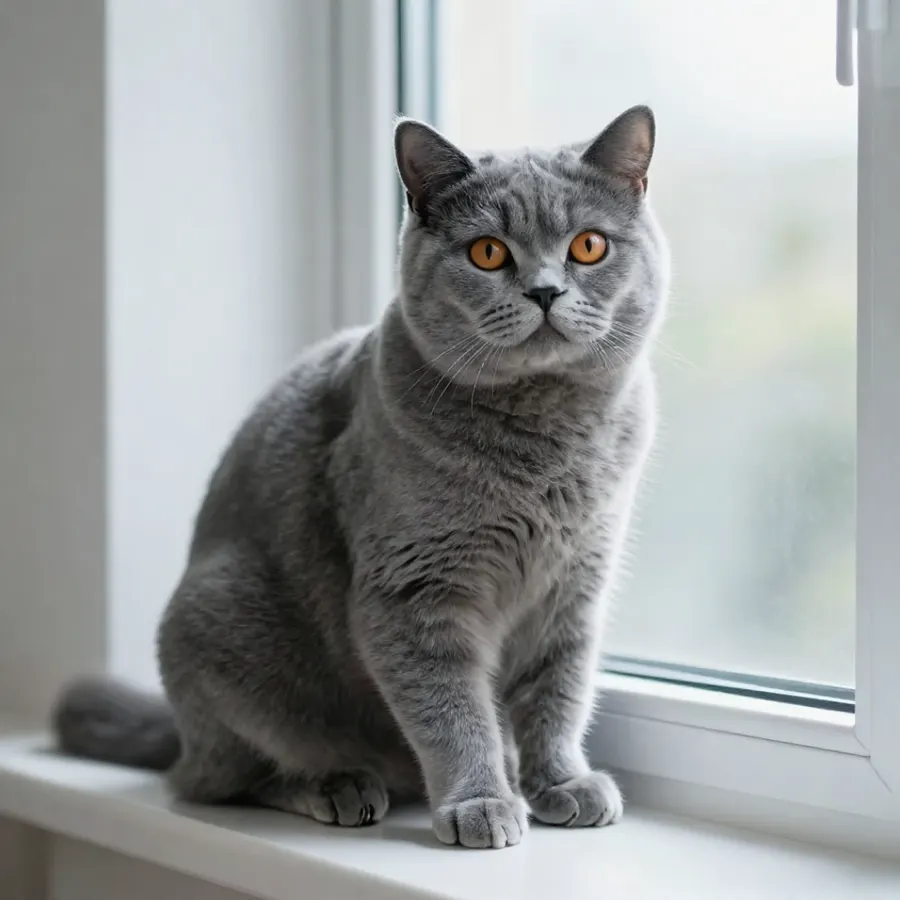
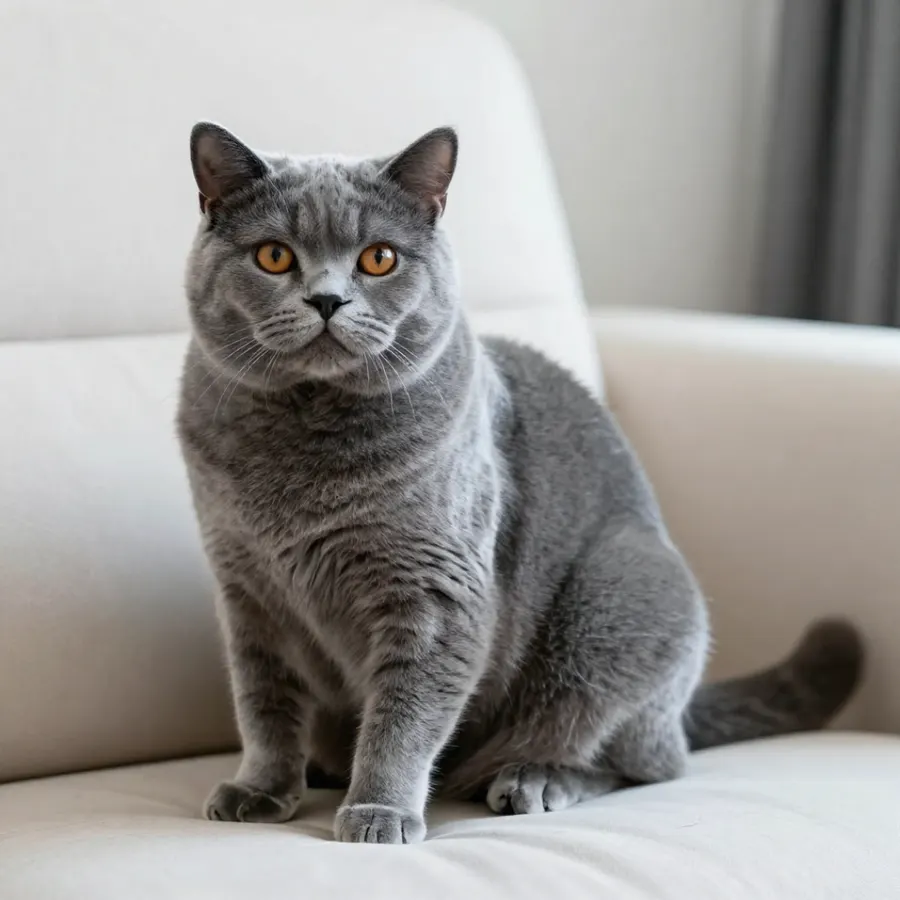
Prices vary widely with breeder, location, lineage and demand, but in the UK a pedigree British Shorthair kitten from a reputable, health-testing breeder typically costs several hundred to over a thousand pounds. The popular "British Blue" — the solid blue-grey coat the breed is most famous for — is in particularly high demand and often sits at the upper end. Other colours and patterns are available and can vary in price.
Be wary of kittens advertised well below the going rate. A suspiciously cheap kitten often means no health testing, no vaccinations, early weaning, or a kitten from a poorly run operation — and that frequently leads to far higher vet bills and heartache later. A higher upfront price from a responsible breeder is usually the cheaper option over a cat's lifetime.
What does the kitten price include?
From a good breeder, the price should usually include early vaccinations, microchipping, a first course of flea and worm treatment, registration papers where applicable, and — crucially — evidence that the parents have been health-screened. Always ask what is included, and never feel pressured to skip these questions.
Finding a reputable breeder
The breeder you choose matters more than almost anything else. For the British Shorthair, look for a breeder who:
- DNA-tests for PKD (polycystic kidney disease) and can show you the results;
- screens for HCM (hypertrophic cardiomyopathy) through DNA testing and/or heart ultrasound (echocardiography) by a specialist;
- is registered with the GCCF (Governing Council of the Cat Fancy) or another recognised UK registry;
- lets you see the kittens with their mother, in a clean home environment;
- asks you plenty of questions in return, and offers ongoing support.
Our guides on lifespan and health and whether the breed suits you are worth reading before you visit any breeder. If rehoming appeals, British Shorthairs and crosses do sometimes appear in rescue, which can be a lower-cost and rewarding route to ownership.
The ongoing lifetime costs
Over a 12–17 year life, the recurring costs far exceed the purchase price. Budget realistically for:
- Food — a complete, quality diet, fed in measured amounts. Because the breed is prone to obesity, getting portions right with a tool like our pet calorie calculator protects both health and budget.
- Litter — an ongoing monthly cost.
- Preventive vet care — annual check-ups, vaccinations, and flea and worm treatment.
- Neutering — a one-off cost if not already done.
- Insurance — see below.
- Equipment — beds, scratching posts and cat trees, toys, carrier, food and water bowls, litter tray and a water fountain to encourage drinking. Browse our cat range, cat beds and cat trees and scratchers for the essentials.
- Unexpected vet bills — the big variable, and the reason insurance exists.
Added together over a full lifetime, the true cost of owning a British Shorthair runs to many thousands of pounds. It is far better to know that going in.
Why insurance matters for this breed
The British Shorthair's predisposition to HCM and PKD is precisely why insurance is worth serious thought. These conditions can require ongoing medication, repeat scans and long-term monitoring, and the costs can mount quickly. Pet insurance turns an unpredictable, potentially large bill into a manageable monthly payment.
Two points really matter. First, take out cover while your cat is young and healthy, before any condition can be excluded as "pre-existing". Second, understand what you are buying — lifetime cover behaves very differently from annual policies for chronic conditions like HCM. Use our pet insurance estimator for a rough idea of cost, and read our pet insurance guide for how to choose. You can also gauge the breed's likely longevity with our pet life expectancy tool.
Keeping lifetime costs down sensibly
The best way to control the cost of a British Shorthair is not to cut corners on the kitten or its care, but to prevent problems:
- Buy from a health-testing breeder so you start with the best odds.
- Keep your cat lean. Obesity is the breed's most common and most preventable health problem, and it drives up vet costs through diabetes, joint disease and more. Our guide on portion control and feline obesity helps.
- Insure early and stay covered.
- Stay on top of preventive care — small, regular costs prevent large, unexpected ones.
A British Shorthair is not a cheap pet, but for the right household the calm, affectionate companionship of this breed is worth every penny — provided you go in with your eyes open about the true cost.
*This is general guidance. Prices and costs vary; always do your own research and budget for the full lifetime of any pet.*
Sources
- GCCF (Governing Council of the Cat Fancy) — British Shorthair registration and breeder standards (gccfcats.org).
- International Cat Care — buying a kitten, HCM and PKD screening (icatcare.org).
- PDSA — the cost of owning a cat and pet insurance (pdsa.org.uk).
- Blue Cross — choosing and buying a kitten responsibly (bluecross.org.uk).
Common questions
How much does a British Shorthair cost?
A pedigree British Shorthair kitten from a reputable, health-testing breeder in the UK typically costs several hundred to over a thousand pounds, with the popular "British Blue" often at the higher end of demand. That purchase price is only the start: vaccinations, neutering, microchipping, insurance, quality food, litter and equipment add up across a 12–17 year life. Budgeting realistically — and insuring early — protects you against the cost of the heart and kidney conditions the breed can be prone to.
What should a British Shorthair breeder have tested for?
Look for a breeder who DNA-tests for polycystic kidney disease (PKD) and screens for hypertrophic cardiomyopathy (HCM) through DNA testing and/or heart ultrasound by a specialist, and who can show you the results. They should be registered with the GCCF or another recognised UK registry, let you see the kittens with their mother in a clean home, and ask you questions in return. A health-testing breeder is the single best predictor of a healthier, longer-lived cat.
Is pet insurance worth it for a British Shorthair?
For most owners, yes. The breed's predisposition to HCM and PKD means it can need ongoing medication, repeat scans and long-term monitoring, and those costs mount quickly. Insurance turns an unpredictable bill into a manageable monthly payment. Take cover out while your cat is young and healthy, before anything can be excluded as pre-existing, and choose lifetime cover if you want chronic conditions covered year after year rather than just for the first policy year.
About the author
Matt Garnett — founder, Giddy Pets
Matt started Giddy Pets to make getting pets the good stuff simpler and fairer. Everything in these guides comes from real life with pets and a lot of trial and error — it's practical guidance, not veterinary advice. If a guide gets something wrong, tell him directly.
Free tools & more guides
Read next

How Long Do British Shorthairs Live? Lifespan & Health
How long British Shorthairs typically live, the heart, kidney and weight conditions the breed is prone to, and how to help yours reach a long, healthy old age.
Are British Shorthairs Good Pets? Temperament & Family Fit
The British Shorthair's calm, independent, affectionate-but-not-clingy temperament, how they fit with families and being left, and who the breed really suits.

British Shorthair Grooming & Care
How to care for the British Shorthair's dense plush coat: weekly brushing, why not to over-bathe, nails, teeth and ears, and feeding for a healthy coat.
Do British Shorthairs Shed?
Yes — British Shorthairs shed year-round with heavier seasonal moults. How to manage the loose hair, reduce hairballs, and why they aren't hypoallergenic.