
Are British Shorthairs Good Pets? Temperament & Family Fit
The British Shorthair's calm, independent, affectionate-but-not-clingy temperament, how they fit with families and being left, and who the breed really suits.
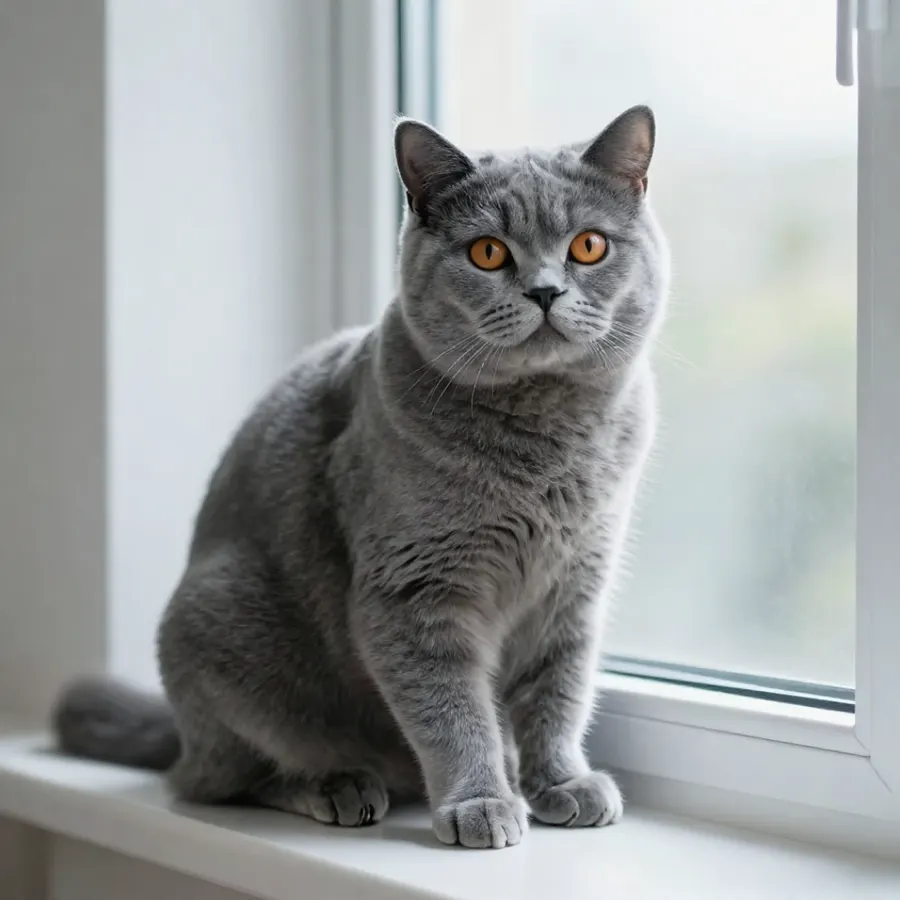
The quick answer
For many households, yes. British Shorthairs are calm, even-tempered and affectionate without being demanding or clingy. They tend to be tolerant of children and other pets when introduced sensibly, and they generally cope better than many breeds with being left part of the day.
The British Shorthair is one of the UK's most popular pedigree cats, and for good reason — but it is not the right cat for everyone. Understanding the breed's genuine temperament, rather than the cuddly image, is the key to a happy match. Here is an honest look at what British Shorthairs are like to live with and who they suit.
What is the British Shorthair's temperament?
British Shorthairs are best known for being calm, even-tempered and easy-going. They tend to be placid and unflappable, taking the comings and goings of a household in their stride and rarely getting flustered or aggressive. They are affectionate and clearly bonded to their people, but in a quietly devoted way rather than a needy one. A British Shorthair will typically want to be in the same room as you, supervising proceedings from a comfortable spot, rather than constantly demanding attention.
This steady, dignified nature is exactly why so many people love the breed. It also means they are generally not loud, hyperactive or destructive when their needs are met.
Are British Shorthairs lap cats?
This is the single most important expectation to get right, because it surprises a lot of new owners. Most British Shorthairs are not lap-cats. They are affectionate and like to be near you, but many prefer to sit beside you rather than on you, and a good number actively dislike being picked up or carried. They show love through companionship and presence rather than constant cuddling.
If you specifically want a cat that will curl up on your lap for hours and enjoy being held, this independent, self-possessed breed may disappoint you — and it is far better to know that before you commit than to feel let down afterwards. If you value a calm, undemanding companion who is content in your company on its own terms, the British Shorthair is hard to beat.
Are British Shorthairs good with children?
Generally, yes. The breed's placid, tolerant nature makes British Shorthairs well suited to family life. They tend to cope calmly with the noise and activity of children and rarely lash out — a British Shorthair that has had enough is far more likely to walk away and find a quiet spot than to scratch or bite. That said, no cat should be expected to tolerate rough handling. Teach children to respect the cat's space, never to chase, grab or corner it, and to let the cat come to them. Give your cat high perches and quiet retreats — a cat tree and a cosy cat bed in a calm spot — so it always has somewhere to escape to.
Are British Shorthairs good with other pets?
Their laid-back temperament generally helps them get along with other cats and with cat-friendly dogs, provided introductions are handled slowly and calmly. Rushing introductions is the usual cause of problems with any breed. Give a new pet and your British Shorthair separate spaces at first, swap scents, and let them meet gradually under supervision. Done patiently, the breed's unflappable nature is a real asset in a multi-pet home.
Can British Shorthairs be left alone?
British Shorthairs are independent and cope with being left better than many breeds. They are content in their own company and generally settle when left for part of a working day, provided they have food, water, a clean litter tray and things to do. This makes them a popular choice for people who are out for part of the day.
That independence has limits, though. No cat should be left alone for very long or repeatedly for full days on end — it is not fair, and even a self-contained breed needs daily interaction, play and companionship to thrive. If you are regularly out for long hours, consider a second compatible pet, plenty of enrichment, or a visitor to break up the day. Provide toys and rotate them to keep things interesting.
The honest downsides
No breed is perfect, and being clear-eyed helps you decide:
- Not a cuddly lap-cat for everyone — the biggest mismatch, covered above.
- Prone to weight gain. The same calm nature that makes them easy company means many would rather lounge than play, and the breed is strongly predisposed to obesity. You will need to manage portions and actively encourage exercise. Our pet calorie calculator and guide to portion control and feline obesity help with this.
- They still need engagement. Calm does not mean "no effort" — daily play and enrichment keep them physically and mentally healthy.
Who does the British Shorthair suit?
The British Shorthair is a wonderful fit for families, first-time cat owners, and people who want a calm, low-drama, affectionate companion that does not demand constant attention — including those out for part of the working day. It is less ideal for someone who specifically wants a clingy, always-on lap-cat, or for anyone unwilling to manage the breed's tendency to put on weight.
If that sounds like the cat for you, our companion guides on lifespan and health and the costs of ownership will help you prepare properly.
*This is general guidance; every cat is an individual, and temperament is shaped by genetics, early socialisation and environment.*
Sources
- International Cat Care — feline behaviour, socialisation and welfare (icatcare.org).
- GCCF (Governing Council of the Cat Fancy) — British Shorthair breed character (gccfcats.org).
- PDSA — cat behaviour and family suitability (pdsa.org.uk).
- Blue Cross — choosing a cat and introducing pets (bluecross.org.uk).
Common questions
Are British Shorthairs good pets?
For many households, yes. British Shorthairs are calm, even-tempered and affectionate without being demanding or clingy. They tend to be tolerant of children and other pets when introduced sensibly, and they generally cope better than many breeds with being left part of the day. The main caveats are that they are independent rather than lap-cats, they dislike being picked up or carried by some people, and their laid-back nature makes them prone to weight gain, so portion control and play matter.
Are British Shorthairs lap cats?
Not usually, and it is one of the most common surprises for new owners. British Shorthairs are affectionate and like to be in the same room as their people, but most prefer to sit beside you rather than on you, and many dislike being picked up or held. They show love through companionship and proximity rather than constant cuddling. If you specifically want a clingy lap-cat, this independent, dignified breed may not be the best match for you.
Do British Shorthairs like being left alone?
They cope with it better than many breeds. British Shorthairs are independent and content in their own company, so they generally settle when left for part of a working day, provided they have food, water, a clean litter tray and things to do. They are not, however, a cat you can ignore — they still need daily interaction, play and companionship. Long, repeated absences are not fair on any cat, and a second pet or enrichment helps prevent boredom.
About the author
Matt Garnett — founder, Giddy Pets
Matt started Giddy Pets to make getting pets the good stuff simpler and fairer. Everything in these guides comes from real life with pets and a lot of trial and error — it's practical guidance, not veterinary advice. If a guide gets something wrong, tell him directly.
Free tools & more guides
Read next

How Long Do British Shorthairs Live? Lifespan & Health
How long British Shorthairs typically live, the heart, kidney and weight conditions the breed is prone to, and how to help yours reach a long, healthy old age.

How Much Does a British Shorthair Cost? Buying & Lifetime Costs
What a British Shorthair kitten costs in the UK, the ongoing lifetime costs, how to find a reputable GCCF breeder, and why insurance matters for the breed.

British Shorthair Grooming & Care
How to care for the British Shorthair's dense plush coat: weekly brushing, why not to over-bathe, nails, teeth and ears, and feeding for a healthy coat.
Do British Shorthairs Shed?
Yes — British Shorthairs shed year-round with heavier seasonal moults. How to manage the loose hair, reduce hairballs, and why they aren't hypoallergenic.