
How Long Do British Shorthairs Live? Lifespan & Health
How long British Shorthairs typically live, the heart, kidney and weight conditions the breed is prone to, and how to help yours reach a long, healthy old age.

The quick answer
Most British Shorthairs live to around 12–17 years, and many well-cared-for cats reach the upper end of that range or beyond. Genetics set the broad limits, but the choices you make day to day matter enormously.
A well-cared-for British Shorthair is a long-term companion — most share our homes for well over a decade. But how long, and how comfortably, depends a great deal on the choices you make every day. Here is what the evidence says about British Shorthair lifespan, the health conditions the breed is prone to, and how to help yours reach a long, contented old age.
How long do British Shorthairs live?
Most British Shorthairs live to around 12 to 17 years, and plenty of well-bred, well-cared-for cats reach the upper end of that range or beyond. As with any cat, that figure is an average rather than a promise. Genetics set the broad limits, but body weight, diet, indoor-versus-outdoor lifestyle and the quality of preventive veterinary care all shift where your individual cat lands. The single most influential factor that is genuinely within your control is keeping your cat lean — and for this particular breed, that is no small ask.
Obesity: the breed's biggest everyday risk
The British Shorthair is a famously laid-back, easy-going cat. That placid temperament is one of the breed's great charms, but it has a downside: many British Shorthairs are perfectly happy to lounge rather than exercise, and combined with a healthy appetite this makes them strongly prone to obesity. Carrying excess weight is not a cosmetic issue. It shortens life expectancy and raises the risk of diabetes, arthritis, urinary problems and reduced quality of life.
Keeping a British Shorthair lean is therefore one of the most powerful things you can do for its longevity. Measure meals rather than leaving food down all day, use our pet calorie calculator to work out the right daily amount, and weigh your cat regularly so you spot creeping gain early. Our guides on portion control and feline obesity and exercise for overweight cats go into the practical detail. Daily play with wand toys and feeding from puzzle feeders or slow feeders turns mealtimes into gentle exercise.
Inherited health conditions to know about
Like all pedigrees, the British Shorthair carries some known predispositions. Knowing them helps you choose a responsibly bred kitten and spot problems early.
- Hypertrophic cardiomyopathy (HCM) is the most common form of heart disease in cats, and it is seen in the British Shorthair. It involves a thickening of the heart muscle and can, in some cats, lead to heart failure or dangerous blood clots. A DNA test is available for the breed, and responsible breeders also have their cats heart-screened by ultrasound (echocardiography) by a specialist.
- Polycystic kidney disease (PKD) is an inherited condition in which fluid-filled cysts develop in the kidneys and can, over time, affect kidney function. A reliable DNA test is available, and good breeders screen their breeding cats so affected lines are not bred from.
- Obesity-related illness — diabetes, joint disease and urinary problems — is, in practical terms, one of the breed's biggest long-term threats, precisely because so many British Shorthairs are predisposed to gaining weight.
When buying a kitten, always ask to see the parents' HCM and PKD test results. A breeder who tests is the single best predictor of a healthier, longer-lived cat.
Helping your British Shorthair age well
Most of "healthy ageing" is simply good ownership applied consistently:
- Keep them lean. It is the cheapest, most powerful thing you can do for their joints, organs and lifespan.
- Feed well and measure portions. A complete, balanced diet appropriate to life stage, fed in measured amounts, beats free-feeding for this breed.
- Encourage daily play. Even a calm British Shorthair benefits from short bursts of activity. Rotate cat toys and offer a cat tree or scratcher to keep them moving and climbing.
- Stay hydrated. Good water intake supports kidney health; many cats drink more from a water fountain.
- See your vet regularly. Annual checks for adults, moving to twice-yearly from around seven to ten years, let problems such as early kidney or heart change be caught when they are most manageable.
Is pet insurance worth it for a British Shorthair?
Given the breed's predisposition to HCM and PKD — conditions that can require ongoing medication, scans and monitoring — many owners find lifetime insurance gives real peace of mind. If you do insure, take the policy out while your cat is young and healthy, before anything can be excluded as "pre-existing". You can get a rough idea of cost with our pet insurance estimator, and our pet insurance guide explains the difference between lifetime and annual cover and the small print that catches people out.
When to see your vet
Book a check if you notice breathing changes, lethargy or sudden weakness or collapse, increased thirst or urination, weight loss despite a good appetite, reduced appetite, or any sudden hind-leg weakness or pain — the last can be a sign of a blood clot linked to heart disease and is an emergency. With a breed prone to heart and kidney conditions, it is always better to have something looked at early than to wait.
*This is general guidance, not a substitute for advice from your vet, who can assess your individual cat.*
Sources
- International Cat Care — feline lifespan, HCM, PKD and obesity (icatcare.org).
- RVC VetCompass — UK companion-animal health and longevity data (rvc.ac.uk/vetcompass).
- GCCF (Governing Council of the Cat Fancy) — British Shorthair breed health and screening (gccfcats.org).
- PDSA — cat health, weight and preventive care (pdsa.org.uk).
- Blue Cross — caring for an older cat (bluecross.org.uk).
Common questions
How long do British Shorthairs live?
Most British Shorthairs live to around 12–17 years, and many well-cared-for cats reach the upper end of that range or beyond. Genetics set the broad limits, but the choices you make day to day matter enormously. Keeping your cat at a healthy weight, feeding a complete diet, staying on top of preventive vet care, and screening breeding lines for the heart and kidney conditions the breed can carry all genuinely influence where your individual cat lands within that span.
What health problems are British Shorthairs prone to?
The two best-known inherited concerns are hypertrophic cardiomyopathy (HCM), a heart-muscle disease, and polycystic kidney disease (PKD), both of which have DNA tests available for the breed. The breed is also strongly predisposed to obesity, which brings its own knock-on health risks. Choosing a kitten from a breeder who DNA-tests and heart-screens their cats, and keeping your cat lean throughout life, are the two most effective things you can do to stack the odds in your cat's favour.
Do British Shorthairs get fat easily?
They are particularly prone to it. The breed's calm, laid-back nature means many are happy to lounge rather than exercise, and combined with a healthy appetite this makes weight gain a genuine, common problem. Obesity shortens life and raises the risk of diabetes, joint disease and other illnesses. Measuring meals rather than free-feeding, using a calorie calculator, choosing the right food and encouraging daily play all help keep a British Shorthair lean and healthy.
About the author
Matt Garnett — founder, Giddy Pets
Matt started Giddy Pets to make getting pets the good stuff simpler and fairer. Everything in these guides comes from real life with pets and a lot of trial and error — it's practical guidance, not veterinary advice. If a guide gets something wrong, tell him directly.
Free tools & more guides
Read next

British Shorthair Grooming & Care
How to care for the British Shorthair's dense plush coat: weekly brushing, why not to over-bathe, nails, teeth and ears, and feeding for a healthy coat.
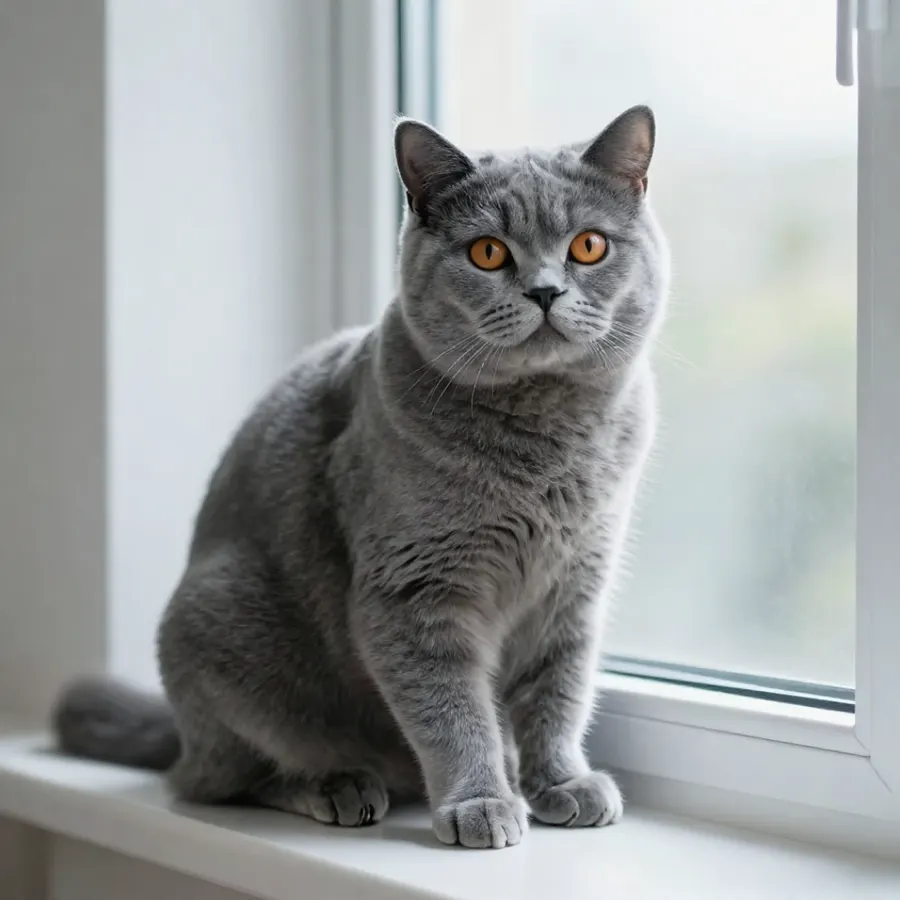
Are British Shorthairs Good Pets? Temperament & Family Fit
The British Shorthair's calm, independent, affectionate-but-not-clingy temperament, how they fit with families and being left, and who the breed really suits.

How Much Does a British Shorthair Cost? Buying & Lifetime Costs
What a British Shorthair kitten costs in the UK, the ongoing lifetime costs, how to find a reputable GCCF breeder, and why insurance matters for the breed.
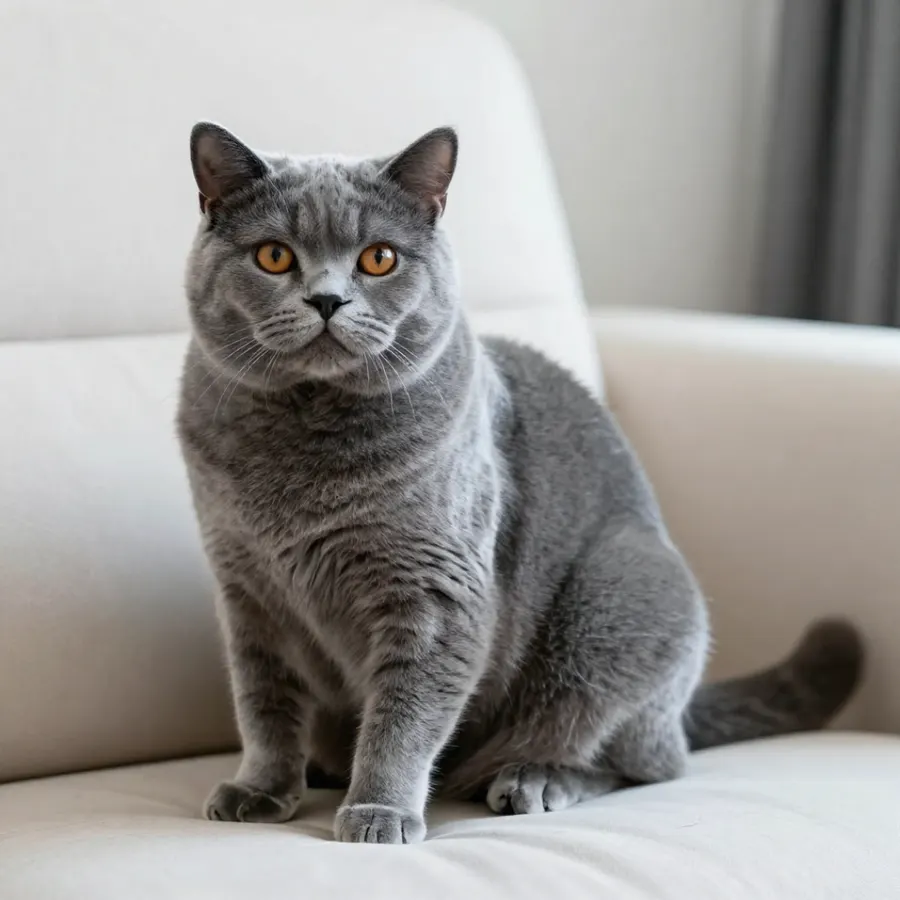
Do British Shorthairs Shed?
Yes — British Shorthairs shed year-round with heavier seasonal moults. How to manage the loose hair, reduce hairballs, and why they aren't hypoallergenic.