


Why Is My Cat Sneezing? Causes and When to Worry
The common reasons cats sneeze, simple things you can do at home, and the signs that mean your sneezy cat needs a vet.
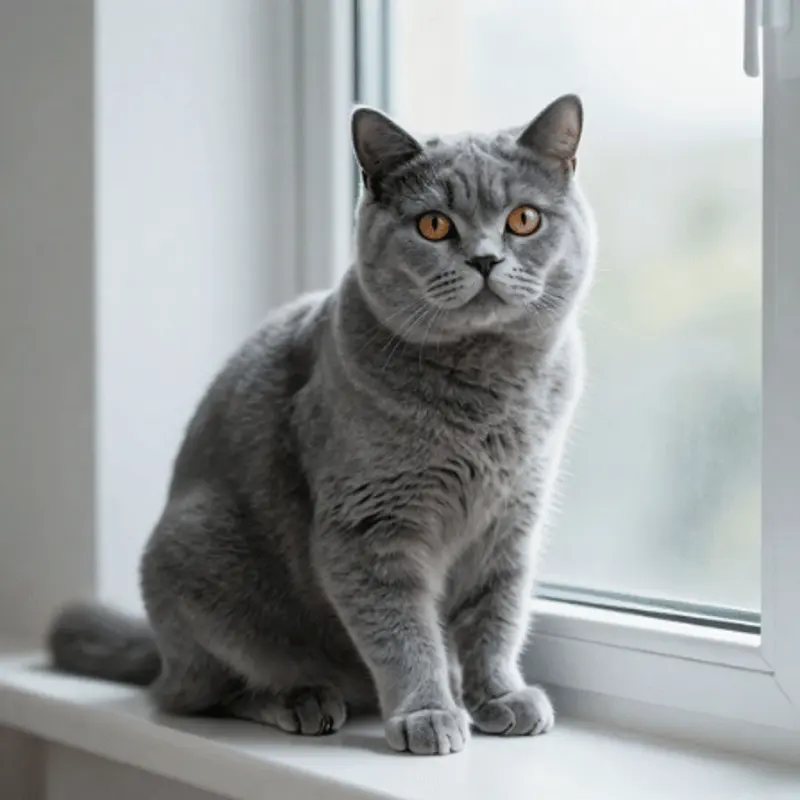
The quick answer
Persistent sneezing is most often caused by cat flu or an irritant such as dust, smoke or air fresheners. Something stuck up the nose, dental problems or allergies can also be to blame. If it continues or comes with discharge, see your vet.
An occasional sneeze is completely normal — cats sneeze to clear their nose just as we do. But if your cat is sneezing a lot, or the sneezing comes with runny eyes, snot or going off their food, it's worth understanding what might be behind it. This is general guidance, not a substitute for veterinary advice — if you're worried, contact your vet.
Why do cats sneeze?
Sneezing is simply the nose clearing an irritant — the same reflex we have. Common, harmless causes include dust, pollen, household sprays, perfume, a dusty bag of litter, or a tickle from something they've just sniffed at floor level. A single bout of sneezing that settles quickly, in a cat who's otherwise bright and eating well, usually needs no action at all.
The picture changes when sneezing becomes a pattern rather than a one-off, or when it arrives with other signs. That's the difference between a harmless tickle and something worth a closer look, so it's helpful to notice how often it's happening and whether anything else has changed.
Common causes of persistent sneezing
When sneezing keeps going or comes with other signs, the usual culprits include:
- [Cat flu](/hub/cat-flu) — viral upper-airway infections are the most common cause of ongoing sneezing, often with runny eyes and nose
- Irritants and allergies — smoke, dust, cleaning products, air fresheners and pollen
- Something stuck up the nose — like a blade of grass, often causing sudden, violent one-sided sneezing
- Dental disease — problems with the upper teeth can sometimes cause nasal signs
- Less commonly, infections or growths in the nose
Signs to watch alongside sneezing
Note whether the sneezing comes with:
- Runny or blocked nose, or coloured (green/yellow) discharge
- Runny, sore or gummy eyes
- Reduced appetite (cat not eating), often from a dulled sense of smell
- Drooling, pawing at the face, or lethargy
What you can do at home
For mild, occasional sneezing, the most useful thing is to reduce irritants. Avoid smoking near your cat, swap to unscented litter and cleaning products, go easy on air fresheners and aerosols, and keep dust down around their favourite spots. Many cats sneeze simply because a perfumed product or dusty litter is irritating their sensitive nose, and a few small swaps can settle it completely.
If your cat is a bit stuffy, sitting them in a steamy bathroom can ease congestion, and gently wiping away any discharge with cotton wool and cooled boiled water keeps them comfortable. Keep them eating and drinking well — see cat hydration — and never give human decongestants or cold remedies, which are dangerous for cats. Keeping vaccinations up to date is the best protection against flu, the most common cause of ongoing sneezing; track boosters with the pet medicine calendar.
It also helps to play detective for a day or two. Did the sneezing start after you changed litter, used a new air freshener, or did some cleaning? Is it worse in one room? Spotting a pattern can point you straight at a simple irritant you can remove, saving an unnecessary trip while still leaving you confident it's nothing more serious. If you've made the obvious changes and the sneezing carries on regardless, that's your cue to involve the vet.
When to see a vet
Book a vet visit if your cat:
- Is sneezing persistently, or has green or yellow discharge from the nose or eyes
- Has sudden, violent one-sided sneezing (possible foreign body)
- Is off their food, lethargic, or losing weight
- Has blood in the discharge, or is struggling to breathe (urgent)
- Is a kitten, elderly, or has other health conditions
Most sneezy cats do well, but a vet can identify infections, allergies or anything stuck, and offer the right treatment if your cat needs it. In older cats especially, persistent one-sided nasal signs that don't settle deserve a proper look, as the nose is a tricky area to assess from the outside. None of this is meant to alarm you — the vast majority of feline sneezes are harmless — but knowing where the line sits means you can relax about the occasional tickle and act promptly on the signs that matter. You can find a vet near you in our directory, and our shop stocks unscented care essentials.
Sources
- PDSA — Sneezing in cats: https://www.pdsa.org.uk/pet-help-and-advice/pet-health-hub
- International Cat Care — Cat advice: https://icatcare.org/advice/
- Cats Protection — Cat health: https://www.cats.org.uk/help-and-advice/health
Common questions
Why does my cat keep sneezing?
Persistent sneezing is most often caused by cat flu or an irritant such as dust, smoke or air fresheners. Something stuck up the nose, dental problems or allergies can also be to blame. If it continues or comes with discharge, see your vet.
Should I worry about a cat sneezing occasionally?
No — an occasional sneeze to clear the nose is normal and needs no action. It's worth a closer look only if the sneezing is frequent or comes with runny eyes, coloured discharge, or your cat going off their food.
Can I give my cat anything for sneezing?
Never give human cold or decongestant remedies — many are toxic to cats. You can reduce irritants, use steam from a hot shower to ease a stuffy nose, and wipe discharge gently. If it persists, your vet can advise on safe treatment.
When is cat sneezing an emergency?
Seek urgent help if your cat is struggling to breathe, has blood in the nasal discharge, or sudden violent sneezing suggesting something is stuck. Persistent sneezing with coloured discharge or loss of appetite also warrants a prompt vet visit.
About the author
Matt Garnett — founder, Giddy Pets
Matt started Giddy Pets to make getting pets the good stuff simpler and fairer. Everything in these guides comes from real life with pets and a lot of trial and error — it's practical guidance, not veterinary advice. If a guide gets something wrong, tell him directly.
Advice & planning
Free tools & more guides
Practical calculators and trusted guides relevant to this product.
Read next
Cat Flu: Symptoms, Care and When to Worry
What cat flu is, how to recognise the symptoms, how to nurse your cat through it at home, and the signs that need a vet.
Cat Not Eating? Why It Happens and What to Do
Why your cat might be off their food, why it matters more than you'd think, simple ways to tempt them, and when to call the vet.
Why Is My Cat Drooling? Causes and When to See a Vet
The reasons cats drool, from happy purring to dental pain, and how to tell harmless dribbling from a sign that needs a vet.
Cat flu: symptoms, causes and treatment
What causes cat flu, the symptoms to watch for, how vets treat it, and why vaccination matters so much for prevention