Cat Flu: Symptoms, Care and When to Worry
What cat flu is, how to recognise the symptoms, how to nurse your cat through it at home, and the signs that need a vet.
The quick answer
Yes — cat flu spreads easily between cats through sneezing, shared bowls and direct contact. Keep an affected cat away from other cats where possible, wash bowls and bedding, and wash your hands between handling cats.
If your cat is sneezing, snuffly and a bit sorry for themselves, cat flu is a common culprit. It's rather like a heavy cold, and while most cats recover with good nursing, it can be more serious in kittens, older cats and those with other health problems. This is general guidance, not a substitute for veterinary advice — if you're worried, contact your vet.
What is cat flu?
Cat flu is a common viral illness affecting the upper airways — nose, throat and eyes. It's usually caused by feline herpesvirus or feline calicivirus, sometimes with bacterial infection on top. It spreads easily between cats through sneezes, shared bowls and direct contact, which is why it's especially common in places where lots of cats live together, such as rescue centres and multi-cat homes.
Many cats that recover become lifelong carriers and can have flare-ups, particularly when stressed — a move, a new pet, or a stay in a cattery can all trigger a recurrence. This doesn't mean they're constantly unwell; it just means the virus lingers and can resurface now and then. Knowing this helps you anticipate flare-ups and support your cat through them.
Signs of cat flu
Symptoms can range from mild to severe and often include:
- Sneezing and a runny or blocked nose
- Runny, sore or gummy eyes
- A reduced appetite — often because a blocked nose dulls their sense of smell (cat not eating)
- Dribbling, mouth ulcers or drooling
- A high temperature, lethargy and hiding away
Home care for a cat with flu
Much of the help you give is good nursing, and it can make a real difference to how quickly your cat bounces back. Gently wipe away discharge from the eyes and nose with cotton wool dampened with cooled boiled water, using a fresh piece for each eye to avoid spreading infection. Sitting your cat in a steamy bathroom while you run a hot shower can ease a blocked nose and help them breathe more comfortably.
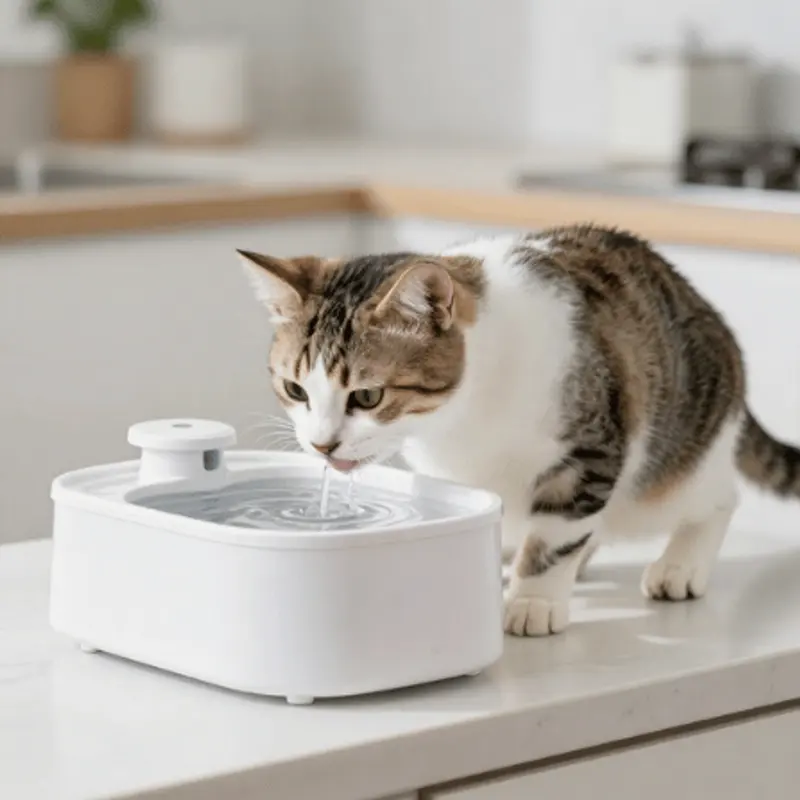
Eating matters enormously, because a blocked nose dulls a cat's sense of smell and many simply lose interest in food. Tempt them by warming food slightly to boost the aroma, and offering something strong-smelling like fish — our can my pet eat this checker helps you confirm a tempting food is cat-safe. Keep fresh water available (see cat hydration), keep them warm and comfortable, and give plenty of quiet rest away from other pets. Never give human cold or flu remedies, as many are toxic to cats — paracetamol in particular is deadly.
Preventing cat flu
Vaccination is the cornerstone of prevention — the standard UK cat vaccine helps protect against the main flu viruses, which is why keeping boosters up to date matters even for indoor cats. Vaccination doesn't always prevent infection entirely, but it greatly reduces how severe an episode tends to be, which can be the difference between a sniffly few days and a seriously poorly cat. Use the pet medicine calendar to track when your cat's next booster is due so it doesn't slip your mind.
Beyond vaccination, reducing stress and keeping known carrier cats away from vulnerable kittens, elderly cats and pregnant cats all help. Good hygiene around bowls and bedding limits spread in multi-cat homes, and washing your hands between handling different cats is a simple, effective step. You'll find quiet beds, easy-clean bowls and other care basics in the shop.
When to see a vet
Cat flu can become serious, so contact your vet if your cat:
- Is a kitten, elderly, or has other health problems — these cats need early veterinary care
- Stops eating for more than a day, or is becoming dehydrated
- Is very lethargic, struggling to breathe, or has a high temperature
- Has thick green or yellow discharge, or symptoms that aren't improving after a few days
Your vet may prescribe treatment for secondary bacterial infections, eye medication, or supportive care such as fluids if your cat is dehydrated. Carrier cats with recurrent flare-ups sometimes benefit from a longer-term plan to reduce stress and support their immune system, which your vet can help you put together. The reassuring takeaway is that, with sensible nursing and timely veterinary input, the great majority of cats come through flu well and go back to their normal selves. You can find a vet near you in our directory, and our pet insurance guide explains how cover can help with ongoing care for cats prone to flare-ups.
Sources
- Cats Protection — Cat flu: https://www.cats.org.uk/help-and-advice/health
- PDSA — Cat flu: https://www.pdsa.org.uk/pet-help-and-advice/pet-health-hub
- International Cat Care — Cat advice: https://icatcare.org/advice/
Sources
Common questions
Is cat flu contagious to other cats?
Yes — cat flu spreads easily between cats through sneezing, shared bowls and direct contact. Keep an affected cat away from other cats where possible, wash bowls and bedding, and wash your hands between handling cats.
Can humans catch cat flu?
No, the viruses that cause cat flu don't infect people. It's a cat-to-cat illness. You can still help reduce spread between cats with good hygiene, but you don't need to worry about catching it yourself.
How long does cat flu last?
Mild cases often improve within a week or two with good nursing, but some cats take longer, and carriers can have flare-ups when stressed. If your cat isn't improving after a few days, or is very unwell, see your vet.
Can cat flu be prevented?
Vaccination is the main way to protect against the common flu viruses, so keeping boosters up to date is important. Reducing stress and keeping carrier cats away from vulnerable kittens also helps lower the risk.
About the author
Matt Garnett — founder, Giddy Pets
Matt started Giddy Pets to make getting pets the good stuff simpler and fairer. Everything in these guides comes from real life with pets and a lot of trial and error — it's practical guidance, not veterinary advice. If a guide gets something wrong, tell him directly.
Advice & planning
Free tools & more guides
Practical calculators and trusted guides relevant to this product.
Read next
Why Is My Cat Sneezing? Causes and When to Worry
The common reasons cats sneeze, simple things you can do at home, and the signs that mean your sneezy cat needs a vet.
Cat Not Eating? Why It Happens and What to Do
Why your cat might be off their food, why it matters more than you'd think, simple ways to tempt them, and when to call the vet.
Why Is My Cat Drooling? Causes and When to See a Vet
The reasons cats drool, from happy purring to dental pain, and how to tell harmless dribbling from a sign that needs a vet.