
Why Is My Cat Drooling? Causes and When to See a Vet
The reasons cats drool, from happy purring to dental pain, and how to tell harmless dribbling from a sign that needs a vet.
The quick answer
Some cats drool a little when happy and purring, which is normal. But sudden, heavy or persistent drooling can signal dental disease, something stuck in the mouth, nausea, or having licked something toxic — these need a vet check.
Some cats drool a little when they're utterly content — kneading and purring on your lap with a happy dribble. But drooling can also signal a problem, particularly with the mouth or teeth, so it's worth understanding when it's nothing and when it's worth a vet visit. This is general guidance, not a substitute for veterinary advice — if you're worried, contact your vet.
When drooling is normal
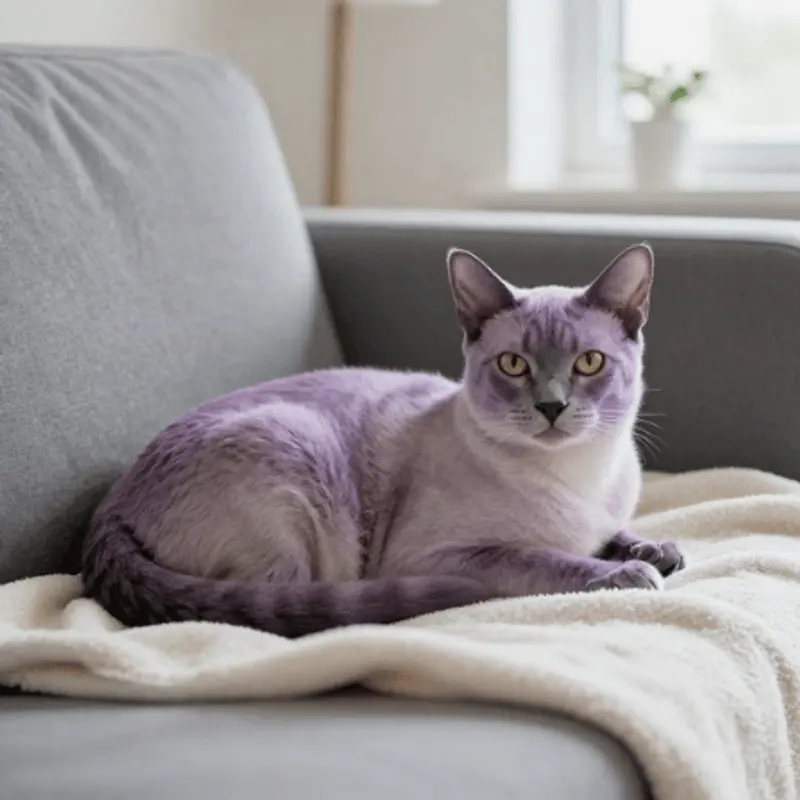
A small amount of drooling in a relaxed, purring cat — often during a fuss or while kneading a blanket on your lap — is usually just a sign of pure contentment, and some cats do it far more than others. It often harks back to kittenhood, when kneading and dribbling went with feeding from mum. A little dribble at the smell of a favourite food, or a damp chin during an especially blissful cuddle, can be perfectly normal too.
The key features of normal drooling are that it's occasional, happens in a clearly happy and relaxed cat, and isn't linked to any other signs. If that describes your cat, it's simply one of their endearing quirks rather than anything to worry about.
When drooling signals a problem
The drooling worth investigating tends to be a clear change from your cat's norm — it appears suddenly, becomes heavy or constant, or arrives hand in hand with other signs of being unwell. Sudden, persistent or heavy drooling, especially when paired with the symptoms below, can point to:
- Dental disease — sore teeth, gum disease or mouth ulcers are among the most common causes; you might also notice bad breath, not eating, or pawing at the mouth
- Something stuck in the mouth or throat — a bit of bone, grass blade, or string
- Nausea — drooling can come before vomiting
- [Cat flu](/hub/cat-flu) and mouth ulcers from viral infection
- Having licked or eaten something nasty — many plants, chemicals and human medicines taste bitter or are toxic and cause drooling
- Heat or stress — some cats drool when very stressed, such as in the car
Signs to watch alongside drooling
Note whether your cat also has:
- Bad breath, bleeding gums, or trouble eating
- Pawing at the mouth or face, or head-shaking
- Reduced appetite, weight loss, or lethargy
- Swelling around the face or jaw
What you can do at home
If your cat is bright and the drooling is mild and occasional, simply keep an eye on it and note when it happens. Have a gentle look in the mouth if your cat allows, but never force it — a sore mouth will make a cat understandably defensive, and you don't want a bite. Remove access to houseplants and chemicals, since a curious lick of the wrong thing is a common cause of sudden drooling; our can my pet eat this checker helps you identify hazards around the home.
Because dental disease is such a frequent cause, prevention is well worth the effort. Keep on top of dental care with vet-recommended products and, where your cat tolerates it, gentle tooth-brushing introduced slowly and positively. Regular dental checks at your cat's annual visit catch problems before they become painful. Keep fresh water available too (cat hydration), as a cat with a sore mouth may drink less. You'll find dental care items in the shop.
When to see a vet
Contact your vet if the drooling is:
- Sudden, heavy or persistent, or comes with bad breath or trouble eating
- Alongside pawing at the mouth, swelling, or bleeding
- Linked to possible poisoning or having eaten something toxic (urgent)
- With other signs of illness such as not eating, vomiting or lethargy
Dental disease is common, treatable, and genuinely painful when ignored, so a check is always worthwhile — cats are stoical and rarely show toothache the way we would, which means a quiet grumble of drool may be the only clue to a sore mouth that's bothering them daily. The happy news is that the harmless, contented kind of drooling is far more common than the worrying kind, so for most cats a damp chin during a cuddle is simply a sign of a very relaxed, very loved pet. Knowing the difference lets you enjoy the former and act on the latter. You can find a vet near you in our directory.
Sources
- PDSA — Dental disease in cats: https://www.pdsa.org.uk/pet-help-and-advice/pet-health-hub
- International Cat Care — Cat advice: https://icatcare.org/advice/
- Cats Protection — Cat health: https://www.cats.org.uk/help-and-advice/health
Common questions
Why is my cat drooling?
Some cats drool a little when happy and purring, which is normal. But sudden, heavy or persistent drooling can signal dental disease, something stuck in the mouth, nausea, or having licked something toxic — these need a vet check.
Is it normal for cats to drool when happy?
Yes — a little drooling during a contented fuss, purring or kneading is normal for some cats. It's only a concern if the drooling is sudden, heavy, persistent, or comes with bad breath, trouble eating, or other signs of illness.
Can drooling mean my cat has dental problems?
Often, yes — dental disease, gum problems and mouth ulcers are among the most common causes of abnormal drooling, especially with bad breath or difficulty eating. Dental disease is painful and treatable, so it's worth a vet visit.
My cat suddenly started drooling — should I worry?
Sudden drooling warrants attention, especially if your cat is pawing at the mouth, off their food, or may have licked a plant or chemical. If poisoning is possible, treat it as an emergency and ring your vet straight away.
About the author
Matt Garnett — founder, Giddy Pets
Matt started Giddy Pets to make getting pets the good stuff simpler and fairer. Everything in these guides comes from real life with pets and a lot of trial and error — it's practical guidance, not veterinary advice. If a guide gets something wrong, tell him directly.
Advice & planning
Free tools & more guides
Practical calculators and trusted guides relevant to this product.
Read next
Cat Flu: Symptoms, Care and When to Worry
What cat flu is, how to recognise the symptoms, how to nurse your cat through it at home, and the signs that need a vet.
Cat Not Eating? Why It Happens and What to Do
Why your cat might be off their food, why it matters more than you'd think, simple ways to tempt them, and when to call the vet.
Why Is My Cat Being Sick? Vomiting Causes and What to Do
The common reasons cats vomit, how to care for a sicky cat at home, and the red flags that mean you should ring your vet.
Cat flu: symptoms, causes and treatment
What causes cat flu, the symptoms to watch for, how vets treat it, and why vaccination matters so much for prevention