
Curly-coated Retriever
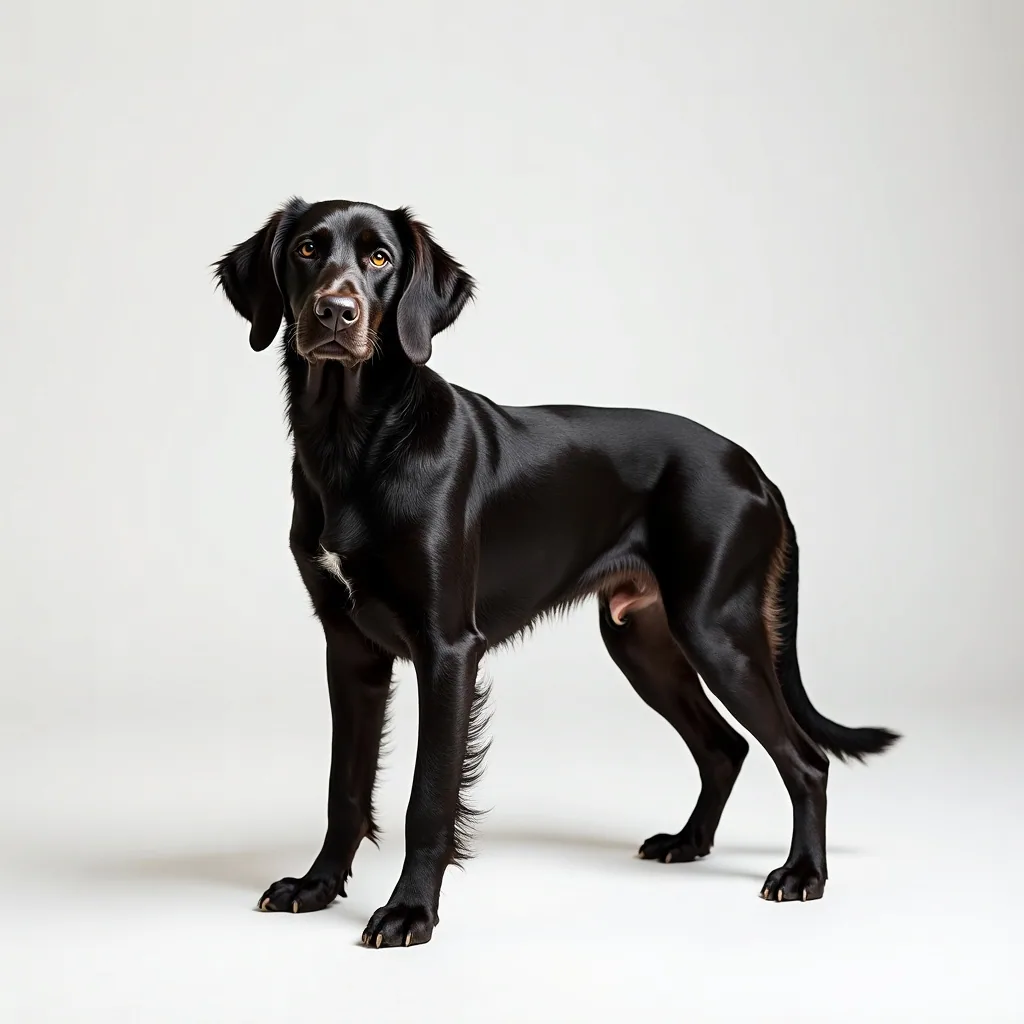
The tallest of the retrievers, with a distinctive coat of tight curls. Confident, intelligent and affectionate, a capable water and upland gundog that is more independent and reserved than other retrievers.
Curly-coated Retriever scorecard
Overview
The Curly-coated Retriever is the tallest of the retriever breeds and one of the oldest, distinguished by a striking coat of small, tight curls covering the entire body except the face. Standing around 63–69 cm at the shoulder and weighing roughly 25–41 kg, it is a substantial, athletic gundog in black or liver. The Kennel Club classes it within the Gundog group, and in Britain it is a recognised but uncommon breed, listed among the native breeds whose numbers warrant attention.
Beneath that distinctive coat is a confident, intelligent and affectionate dog that is, by retriever standards, notably independent and reserved. Curlies bond closely with their families and are gentle at home, but they tend to be more aloof with strangers and more self-reliant than the famously biddable Labrador or Golden Retriever. They are versatile working dogs in water and field, and reward owners who appreciate a thinking, slightly dignified gundog rather than a constant people-pleaser.
Good to know — a Curly-coated Retriever needs plenty of space and manageable for committed beginners. Every dog is an individual, so meet a few and chat to a good breeder or rescue before deciding.
Save the Curly-coated Retriever guide
Thinking about a Curly-coated Retriever? Pop your email in and we’ll send this guide so you can come back to it any time — handy while you compare breeds.
Popular searches for the Curly-coated Retriever
History & origins
The Curly-coated Retriever developed in England during the 19th century and is among the earliest breeds used specifically to retrieve game on land and from water. Its exact make-up is not fully documented, but it is generally thought to descend from old water dogs and retrieving breeds of the period, with later additions sometimes credited to crosses that helped fix the curly coat.
The breed was exhibited at some of the earliest English dog shows and was once a popular gamekeeper's and wildfowler's dog. It has long been overshadowed in popularity by the Labrador and Golden Retriever, and today it is a comparatively rare breed in the UK and worldwide, maintained by a committed band of working and show enthusiasts.
Temperament & family fit
Curly-coated Retrievers are confident, even-tempered and affectionate with their own people, combining the typical retriever love of company with a more independent, self-possessed character. They are often described as slow to mature, retaining a playful streak into adulthood, and they tend to be good-natured and patient with children they are raised with and friendly with other dogs.
What sets them apart from other retrievers is their reserve with strangers and their willingness to think for themselves. This can make them more alert and discerning — useful in a gundog — but it also means they are less inclined to do something simply because they are asked. Owners who understand and respect this independence find them loyal, sensible and deeply rewarding companions.
- Families with children of all ages
- Owners ready for consistent training
- Active homes with plenty of space
Training & intelligence
Intelligent and capable, the Curly-coated Retriever learns well but benefits from training that keeps it engaged, as its independent mind can become bored by repetition. Reward-based, varied training suits it best, and early socialisation helps soften its natural wariness of unfamiliar people and situations.
Because they mature slowly, patience is key — consistency over time pays off more than intensive drilling. Their retrieving heritage means they often take naturally to gundog work, fetch games and scent activities, which double as excellent mental enrichment. A firm but gentle handler who avoids harsh methods will get the most from this thoughtful breed.
- Start socialisation & handling early
- Reward-based methods only — no harsh corrections
- Channel energy into training games & enrichment
Exercise needs
A healthy adult Curly-coated Retriever typically needs 90 minutes to 2 hours a day (roughly 90–120 minutes), split across walks, play and a little training. Higher-energy dogs also need their brains tired — sniffy walks, training games and puzzle feeding go a long way. Puppies, seniors and dogs with health conditions need adjusted amounts — check with your vet.
Grooming & coat
The signature curly coat is surprisingly low-maintenance in some respects: it does not require the regular brushing many breeds need, and excessive brushing can actually spoil the curl, making it frizzy. Instead the coat is generally left to its natural texture, with occasional bathing and, for some owners, light trimming. The dog does shed, with heavier seasonal moults, so periodic care during those times helps. Routine ear, nail and dental care completes the grooming routine.
- Brush occasionally to remove loose hair
- Bathe every few weeks or as needed
- Check ears, nails and teeth weekly
Feeding a Curly-coated Retriever
Provide a complete, good-quality diet suited to the dog's age, size and activity level, fed in measured meals. As a large, deep-chested breed, it is sensible to avoid vigorous exercise immediately before and after eating and to feed split daily portions. Keep the dog lean to protect its joints, monitor body condition regularly, and ensure constant access to fresh water, especially given how much these dogs enjoy water and exercise.
A large breed
An adult Curly-coated Retriever typically weighs 25–41 kg, so a healthy Curly-coated Retriever eats a fair amount compared with other breeds. Every feeding guide on a bag is written per kilo of body weight, not per breed — start there, then adjust to the dog in front of you.
Life stage
A large breed is usually done growing at 15–18 months, which is roughly when a puppy food has finished its job. With a typical lifespan of 10–12 years, there is a long adult stretch in the middle; switch to a senior food when your vet thinks it is worth it rather than on a birthday.
A high-energy dog eats like one
Curly-coated Retrievers sit at the top end for energy, and a dog working through an hour and a half of real exercise a day burns through the feeding guide faster than a dog on a short stroll. Feed to the dog's condition, not to the middle of the range on the bag.
Joint support is worth looking for
Their size and frame put more load through the joints than a smaller dog carries, so a food with joint support on the label is worth reading for — and keeping them lean does more for their joints than any supplement.
Weight matters more than usual here
A long back or a heavy frame makes every extra kilo count twice. Weigh portions rather than eyeballing a scoop, and reduce the food rather than the walks if the waist starts to disappear.
How much should a Curly-coated Retriever weigh?
Adult 25–41 kgfully grown at 15–18 months
| Age | Stage | Typical weight | Of adult size |
|---|---|---|---|
| 8 weeks | Just home | 2.9–4.7 kg | 11% |
| 3 months | Young puppy | 4.6–7.6 kg | 19% |
| 6 months | Growing fast | 9.3–15.2 kg | 37% |
| 12 months | Adolescent | 18.6–30.5 kg | 74% |
| 15–18 months | Fully grown | 25–41 kg | 100% |
A guide, from the same rule of thumb our puppy growth predictor uses — each age is that share of the way to maturity for a large breed. Puppies grow fastest early, so a real puppy usually sits a little above the middle rows. Weigh yours and ask your vet if the number worries you.
Complete dog foods that suit a Curly-coated Retriever
Complete foods from our range, matched to a Curly-coated Retriever's size band and what the breed typically needs. Stock levels and delivery dates are live on each product.


Field & Trial Skinner S Field Trial Light Senior
A lower-fat dry food for older, overweight or less active dogs, including working breeds
From£9.85

Autarky Complete Grain Free Adult Turkey
Grain-free complete dry food for adult dogs, with turkey and a marine-algae joint care package
£12.79

Autarky Grain Free Tasty White Fish & Potato Complete
Grain-free dry dog food built around white fish meal rather than poultry
£12.99

Lily's Kitchen Lily S Kitchen Dog Lovely Lamb
Complete lamb-led dry dog food offered in two practical bag sizes
From£25.15


Burns Adult Large/Giant Breed Chicken and Brown Rice
Complete large-breed dry dog food with 23% chicken and brown rice
£59.99

Burgess Greyhound and Lurcher Chicken
Complete adult dry food formulated for the specific build of greyhounds and lurchers
£35.35


Naturo Senior Rice Poultry Variety 6pk
Six 400g trays across three recipes for senior dogs, with glucosamine and chondroitin
£10.29

Naturo Senior Dog Turkey with Rice and Vegetables 7pk
Turkey at 65% in a senior wet tray, with brown rice, vegetables and added joint support
£11.99

Vitalin Adult Dog Pork with Apple
Complete dry food for adult dogs of any age, led by pork, with citrus extract for dental support
From£11.99
Curly-coated Retriever health & costs
Before bringing a Curly-coated Retriever home it pays to budget for the whole picture — food, insurance, grooming and routine vet care all add up. The figures below are typical UK estimates for a healthy adult; your real costs vary with where you live, your dog's health and the cover you choose.
Food
£600–850 / year
Complete food sized to weight & life stage
Insurance
£35–62 / month
Lifetime cover — varies by age, breed & area
Grooming
£0–60 / year
Mostly DIY at home
Routine vet care
£200–450 / year
Vaccines, flea/worm, annual check
The Curly-coated Retriever is generally a healthy, long-lived retriever for its size, typically living around 10–12 years. As with most large breeds, hip and elbow joint health and certain inherited eye conditions are the main areas to consider, and responsible breeders use the relevant Kennel Club and British Veterinary Association screening schemes for breeding stock.
As a deep-chested breed it carries some risk of gastric dilatation-volvulus (bloat), a sudden, life-threatening emergency, so owners should learn the warning signs. Buying from health-tested parents, keeping the dog at a healthy weight and maintaining routine preventive care — vaccination, parasite control and dental hygiene — give the best chance of a long, sound life.
Common health conditions to be aware of
- Hip dysplasia — malformation of the hip joint; breeders should use BVA/KC hip scoring on breeding dogs
- Elbow dysplasia — a developmental joint problem affecting the forelimbs, screened via the BVA/KC scheme
- Inherited eye conditions — disorders such as progressive retinal atrophy and other defects; eye testing of parents is advised
- Gastric dilatation-volvulus (bloat) — a sudden, life-threatening twisting of the stomach seen in deep-chested breeds requiring emergency treatment
- Exercise-induced collapse — a recognised inherited condition in some retriever lines causing weakness after intense exercise; DNA testing exists
- Glycogen storage disease — a rare inherited metabolic disorder for which DNA testing is available in the breed
These reflect typical, size- and coat-related risks for dogs like the Curly-coated Retriever; individual breeds carry their own predispositions. Always buy from health-tested parents and speak to your vet — this isn't a diagnosis.
Protect against surprise bills
A single emergency can run into thousands. Lifetime insurance spreads the risk.
Estimate insurance →How pet insurance works →Puppy & senior care
Bringing home a Curly-coated Retriever puppy
Puppies need controlled exercise (a rough guide is five minutes per month of age, twice a day) to protect growing joints, little-and-often meals of a complete puppy food, early socialisation, and a calm routine for toilet training and sleep. Book first vaccinations, microchipping and a vet check early.
New puppy checklist →Caring for a senior Curly-coated Retriever
As they age, watch weight, joints and teeth, switch to a senior diet if your vet advises, keep exercise gentle but regular, and consider orthopaedic bedding and ramps. Twice-yearly vet checks help catch issues early — larger breeds age sooner, so start senior care from around 6–7 years.
Orthopaedic beds & mobility →Pros & cons
The good bits
- Versatile, hardy working and family gundog
- Distinctive curly coat needs little brushing
Things to consider
- Needs plenty of exercise and mental work
- More aloof and independent-minded than Labradors or Goldens
Compare the Curly-coated Retriever
See how the Curly-coated Retriever measures up against similar breeds before you decide:
More breeds like the Curly-coated Retriever
Same breed group
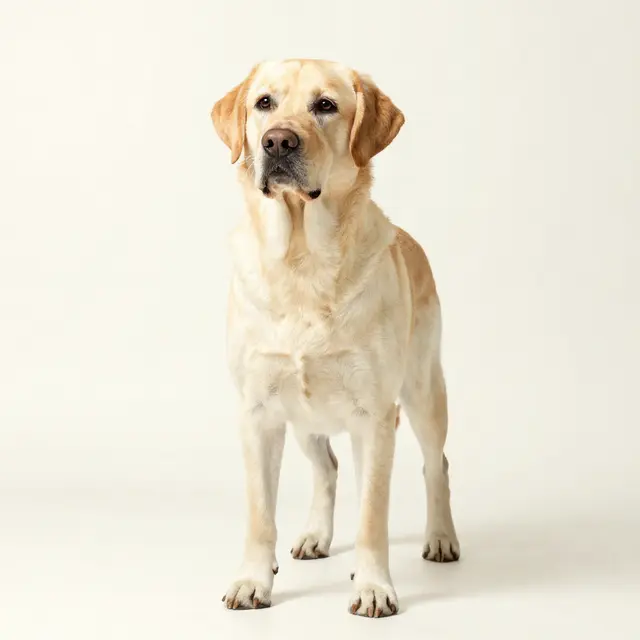
Labrador Retriever
The UK’s most popular family dog — friendly, biddable and brilliant with children, but needs proper exercise.
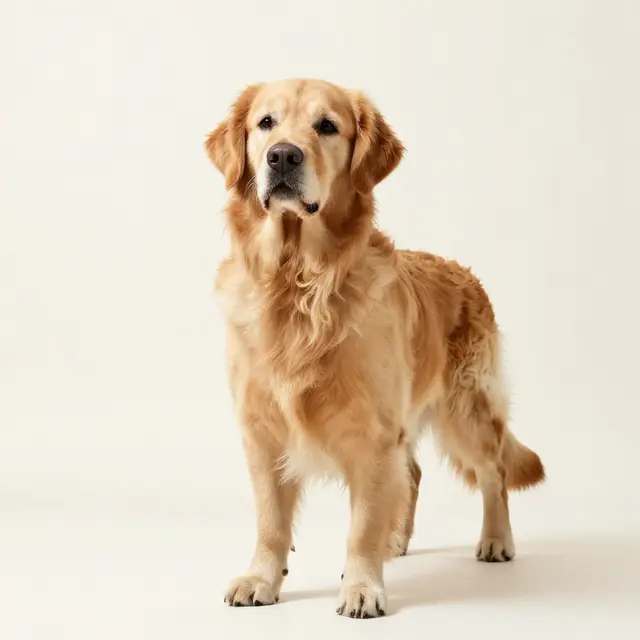
Golden Retriever
Gentle, eager-to-please and devoted — a classic family companion that thrives on company and exercise.
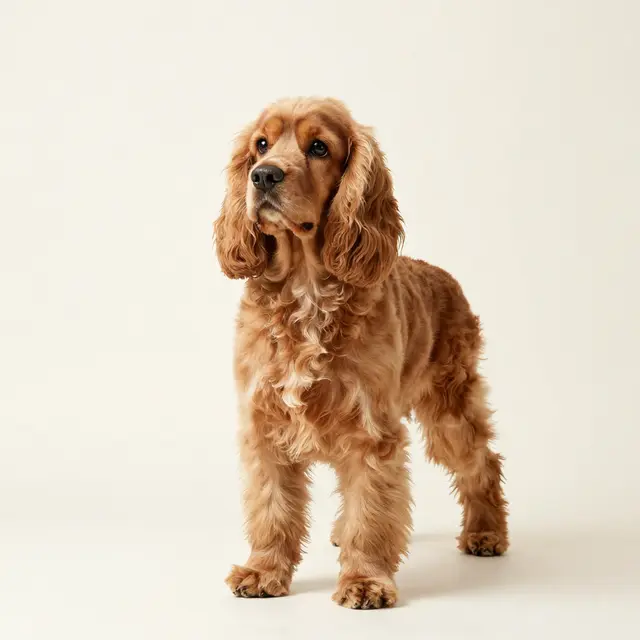
Cocker Spaniel
A merry, affectionate gundog that loves people and activity — happiest with a job and regular grooming.
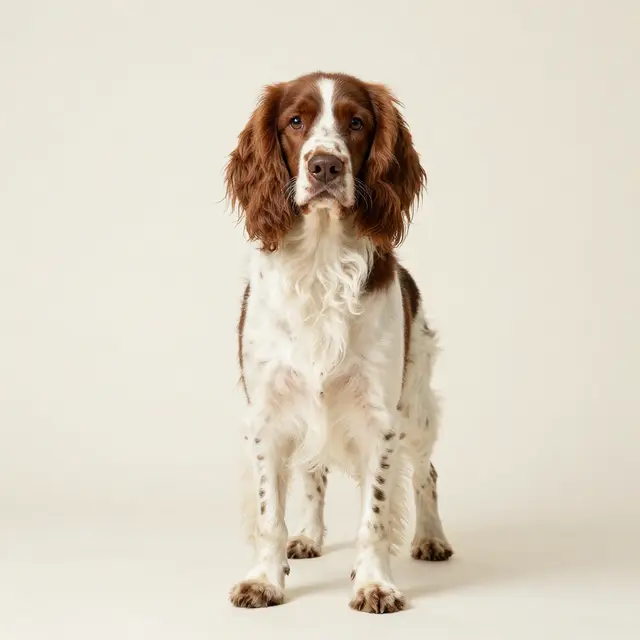
English Springer Spaniel
A tireless, enthusiastic working gundog that needs serious daily exercise and mental stimulation.
Similar temperament
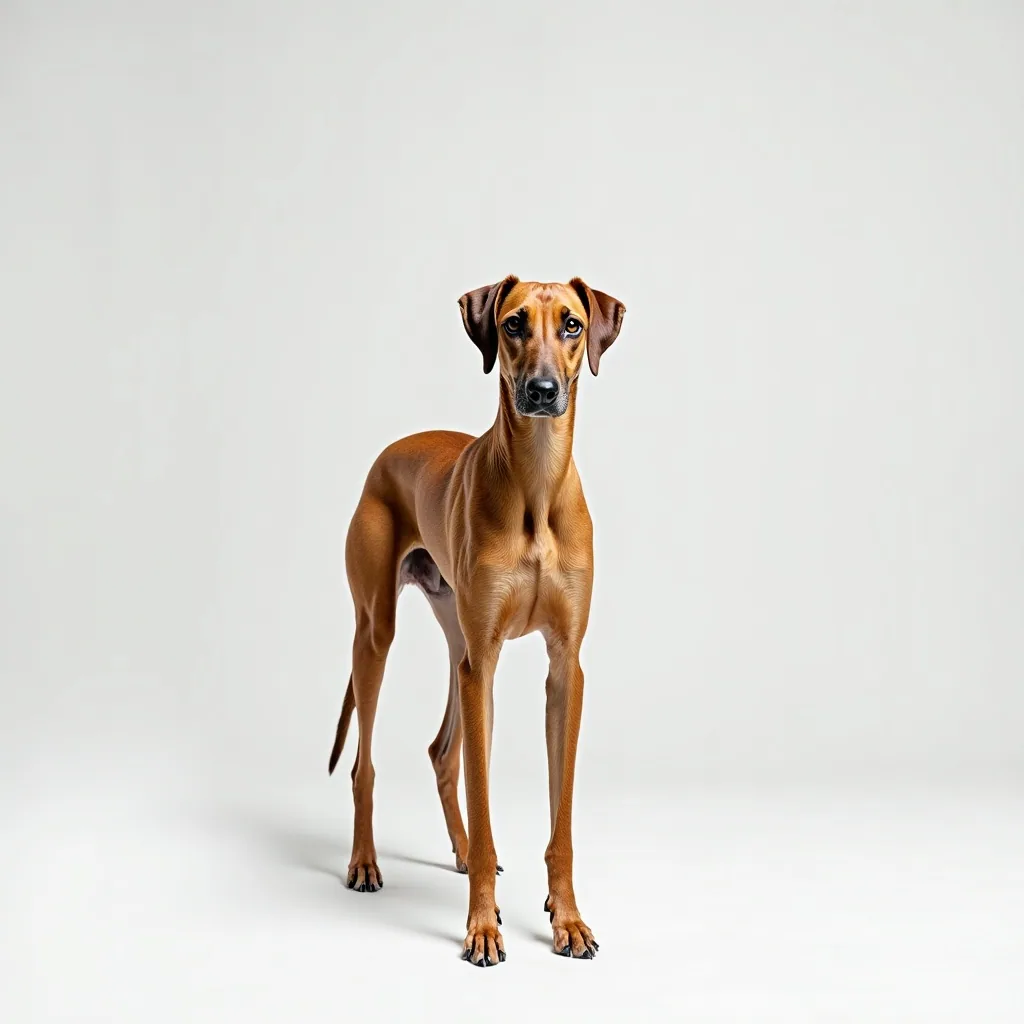
Lurcher
A Lurcher is a sighthound crossed with a working breed such as a collie or terrier — a type rather than a fixed cross. Typically gentle and calm indoors with a strong chase instinct outdoors. Coat, size and drive vary enormously depending on which parents they take after.
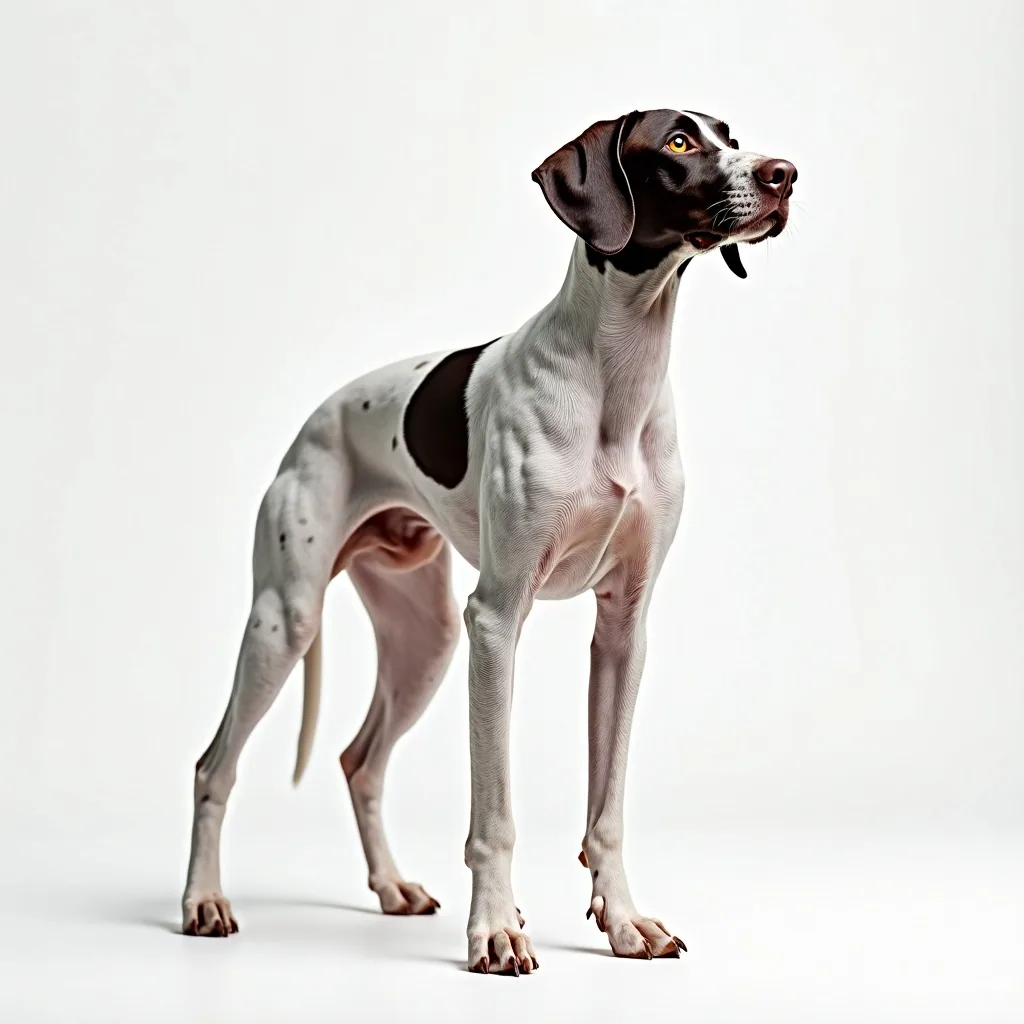
Ariège Pointer
A French pointing gundog (Braque de l'Ariège) bred to work in hot southern terrain. Gentle and affectionate at home, but needs space and plenty of exercise.
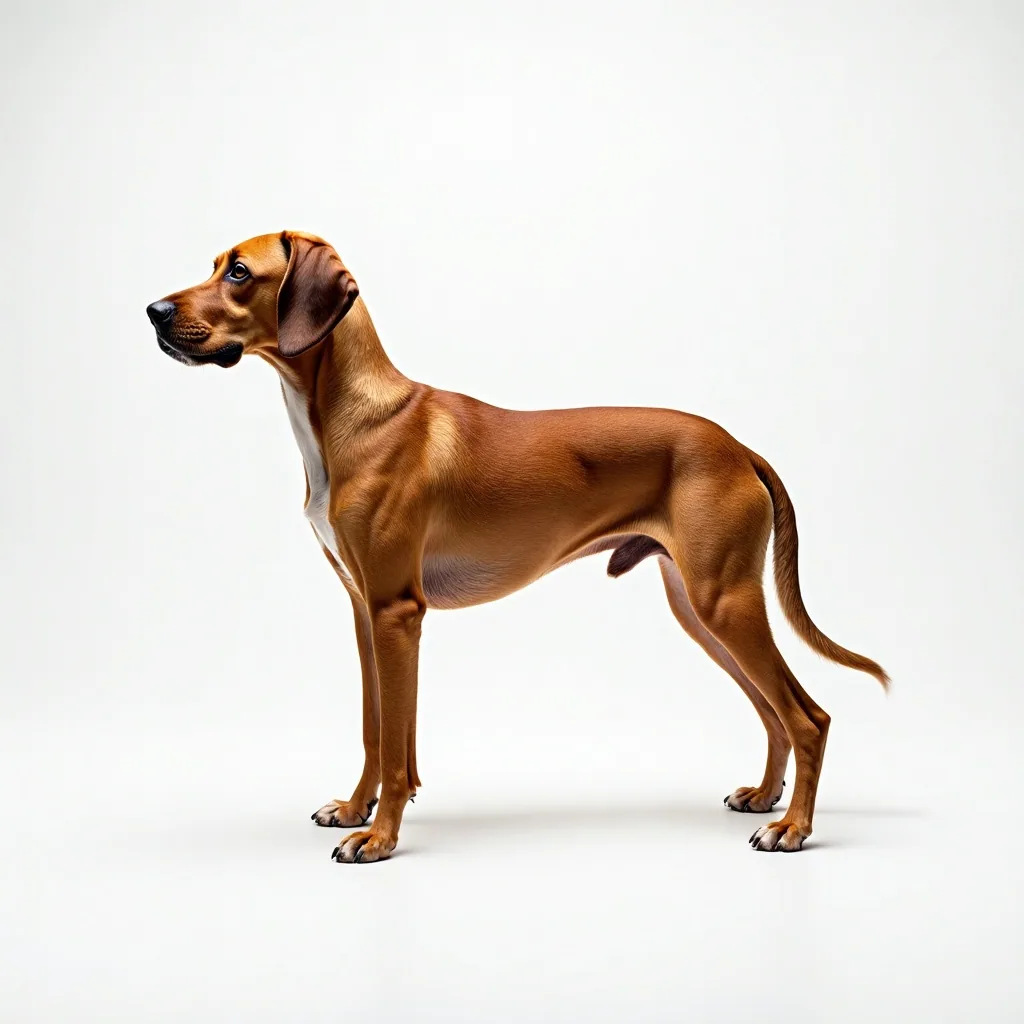
Bracco Italiano
An ancient Italian pointing gundog with a noble, houndy look. Gentle, affectionate and sociable, making a good family gundog, but it needs plenty of exercise and can be sensitive and a little stubborn in training.
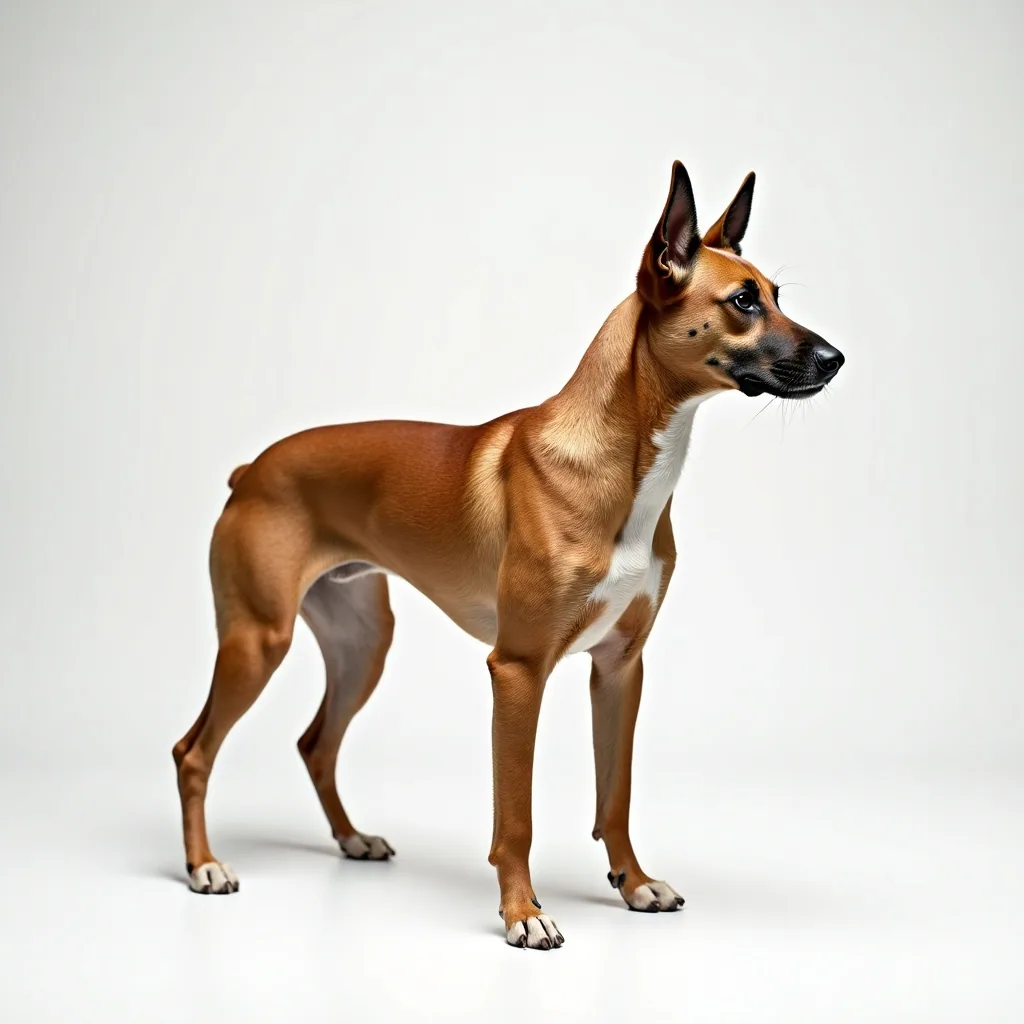
Braque d'Auvergne
A French pointing gundog with a striking black-and-white ticked coat. Gentle, affectionate and biddable, making a friendly family companion and worker that needs plenty of exercise and a job to do.
Similar size, different type
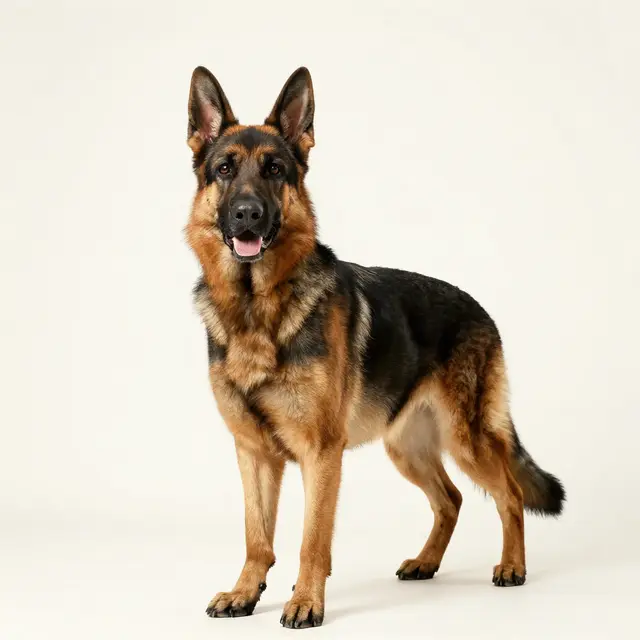
German Shepherd
A loyal, courageous and highly trainable working dog that needs experienced handling and plenty to do.
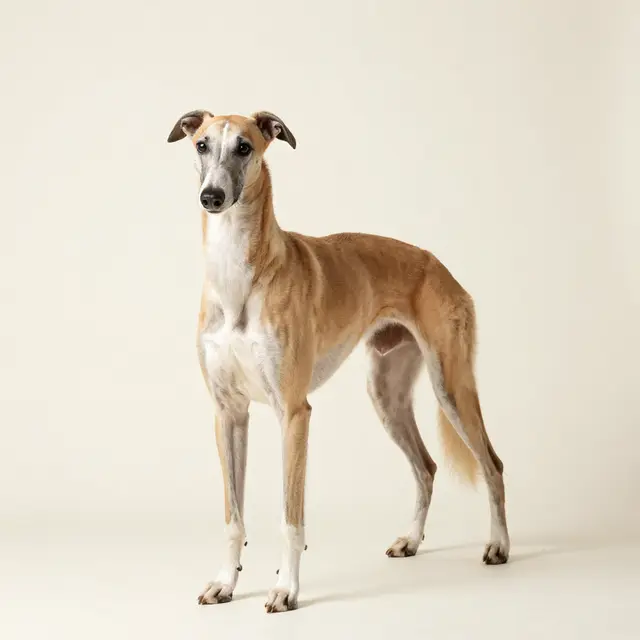
Greyhound
The ultimate couch potato — despite their racing reputation, retired greyhounds need surprisingly little exercise.
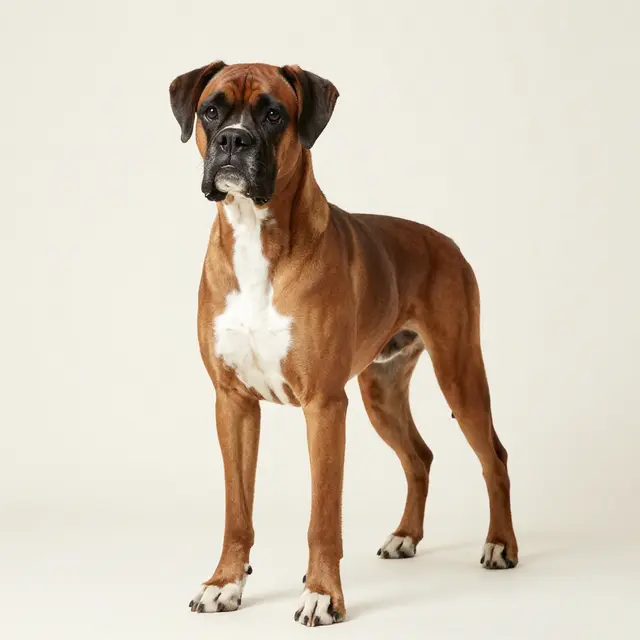
Boxer
A bouncy, playful and devoted family dog that stays puppy-like for years — and needs the exercise to match.
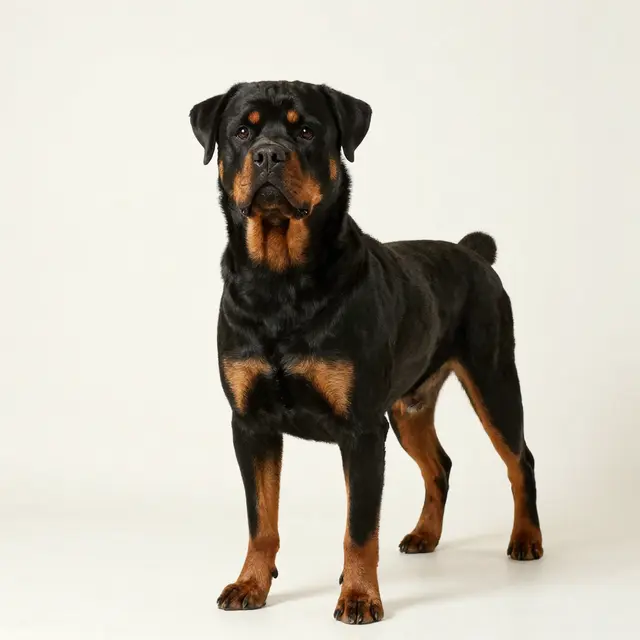
Rottweiler
A powerful, confident guardian that’s calm and devoted in the right hands — but needs an experienced owner.
Is the Curly-coated Retriever your breed?
Create your pet profile and get personalised food, toy, insurance and health recommendations — tailored to your dog.
Frequently asked questions
How big is a Curly-coated Retriever?
The Curly-coated Retriever is the tallest of the retriever breeds, standing around 63–69 cm at the shoulder and weighing roughly 25–41 kg. It is a substantial, athletic gundog in black or liver, distinguished by a striking coat of small, tight curls covering the whole body except the face. It is a recognised but uncommon British breed.
How is a Curly-coated Retriever different from a Labrador or Golden Retriever?
The Curly is one of the oldest retrievers and notably more independent and reserved than its better-known cousins. While Labradors and Goldens are famously biddable people-pleasers, Curlies are confident, self-possessed and more aloof with strangers, preferring to think for themselves. Owners who appreciate a thoughtful, slightly dignified gundog rather than a constant people-pleaser find them deeply rewarding.
What is the Curly-coated Retriever's temperament like?
Curlies are confident, even-tempered and affectionate with their own people, combining the typical retriever love of company with a more independent character. Often described as slow to mature, they keep a playful streak into adulthood and are usually good-natured with children they are raised with and friendly with other dogs, though more reserved and discerning with strangers.
How do you groom a Curly-coated Retriever's coat?
The curly coat is surprisingly low-maintenance in some respects: it does not need the regular brushing many breeds require, and over-brushing can actually spoil the curl by making it frizzy. The coat is generally left to its natural texture, with occasional bathing and, for some owners, light trimming. It does shed, with heavier seasonal moults that warrant extra care.
How much exercise does a Curly-coated Retriever need?
Plenty. This active, hardy gundog needs lots of daily exercise, ideally including free running and, where possible, swimming, which is a passion for many Curlies. It also needs mental stimulation through training, retrieving games or work. Without enough activity it can become restless and frustrated, so it suits active or working homes.
What health issues should Curly-coated Retriever owners watch for?
As with most large breeds, hip and elbow joint health and certain inherited eye conditions are the main concerns, and responsible breeders use the relevant Kennel Club and BVA screening schemes. Being deep-chested, the breed carries some risk of gastric dilatation-volvulus (bloat), a life-threatening emergency, so owners should learn the warning signs and avoid vigorous exercise around mealtimes.
How long do Curly-coated Retrievers live?
The Curly-coated Retriever is generally a healthy, long-lived retriever for its size, typically living around 10–12 years. Buying from health-tested parents, keeping the dog lean to protect its joints, and maintaining routine preventive care — vaccination, parasite control and dental hygiene — give the best chance of a long, sound life.
Are Curly-coated Retrievers good with children?
Good with children. As a general guide, Curly-coated Retrievers tend to be patient and tolerant. Whatever the breed, always supervise dogs and young children and teach kids to interact gently.
How much exercise does a Curly-coated Retriever need?
As a healthy adult, a typical Curly-coated Retriever needs 90 minutes to 2 hours of exercise a day (90–120 minutes), split across walks plus play. Higher-energy dogs also need mental stimulation — sniffing, training games and puzzle feeders — to stay settled. Puppies, seniors and dogs with health conditions need less — ask your vet.
Do Curly-coated Retrievers shed a lot?
Moderate shedding. Coat upkeep is easy-care — a quick brush now and then is usually enough.
Are Curly-coated Retrievers easy to train and good for first-time owners?
Manageable for committed beginners. Curly-coated Retrievers are best for owners ready to commit to consistent training and plenty of activity. Reward-based training and early socialisation help any dog.
Do Curly-coated Retrievers bark a lot?
Quiet. They are usually fairly easy-going about barking, though any dog will bark if bored or under-exercised.
Are Curly-coated Retrievers good with other dogs?
Sociable with other dogs. Early, positive socialisation with other dogs from a young age makes a big difference.
Do Curly-coated Retrievers suit flats or smaller homes?
Needs plenty of space. A Curly-coated Retriever really needs plenty of space and a lot of daily activity — not ideal for a small flat.
Sources
- The Kennel Club (UK) — Curly Coated Retriever breed information — https://www.thekennelclub.org.uk/breed-standards/gundog/retriever-curly-coated/
- British Veterinary Association (BVA) Canine Health Schemes (hip, elbow and eye testing) — https://www.bva.co.uk/canine-health-schemes/
- PDSA — Dog care and health advice — https://www.pdsa.org.uk/pet-help-and-advice
Recommended for your Curly-coated Retriever
Matched to a Curly-coated Retriever's size and their typical need for enrichment & mental stimulation, no-pull walking kit, a cosy bed.


Hollings Choice Cuts Pure Beef Curls
Hollings Choice Cuts Pure Beef Curls: 100g bag, with declared composition and analysis
£3.49

Reflective Two-Tone Dog Harness and Lead Set
A bright two-tone step-in dog harness with a matching lead. Adjustable straps and quick-release buckles give a snug fit, while reflective trim keeps your dog visible on darker walks.
£7.99

L-Shaped Bolster Sofa Dog Bed
A supportive L-shaped sofa bed with a raised bolster back and side for your dog to rest their head. The thick padded base cushions joints, and the soft rose-velvet cover is removable and washable for easy care.
From£44.99

Plush Snuffle Foraging Mat
A roll-up plush snuffle mat with cute animal designs. Hide treats in the folds and let your pet sniff and forage to find them - a rewarding enrichment game that beats boredom and slows feeding.
£13.99

Plush Bee Cat Harness and Lead Set
A soft plush cat harness with a 3D bee charm and a matching lead, adjustable at neck and chest, made for kittens, cats and very small dogs on gentle outings.
£7.99

Corduroy Dog Harness with Bow
A soft corduroy step-in dog harness with breathable mesh lining and gold-tone alloy buckles. The adjustable fit and pretty bow detail make walks comfortable and stylish for small and medium dogs.
From£7.99

Orthopaedic Memory Foam Dog Sofa Bed
An orthopaedic memory-foam dog bed with supportive bolster sides for head and neck resting. The egg-crate foam core cushions joints and distributes weight, ideal for older or larger dogs needing extra support.
From£39.99
Suggestions based on breed traits — always check sizing and suitability for your individual dog.
Got a Curly-coated Retriever? Save them to a pet profile for tailored picks across the whole site.
Happier, healthier pets — in your inbox.
Breed care tips, seasonal advice and first access to new arrivals. No spam, unsubscribe anytime.
Every dog is an individual — temperament and needs vary. Please research thoroughly, meet dogs in person, and consider adopting from a rescue. This is general guidance, not a substitute for advice from your vet or a qualified trainer.