
Persian Cat Grooming & Care (Coat, Eyes & Face)
How to groom and care for a Persian cat — daily coat combing, mat prevention, cleaning the eyes and flat face, dental care, nails and keeping the rear clean.
The quick answer
Daily. A Persian's long, fine, dense coat tangles and mats very quickly, so a thorough comb-through every day is the gold standard — skipping even a few days can let painful mats form, especially behind the ears, in the armpits, on the belly and around the back legs and rear.
The Persian is one of the most recognisable cats in the world: a long, flowing coat, a round face and a famously calm, gentle nature. That beauty comes at a price, though — the Persian is also one of the highest-maintenance breeds you can own. Between the long coat that mats in days and the flat face that needs regular cleaning, a Persian is a genuine daily commitment. Here is how to groom and care for one properly.
Understanding the Persian coat
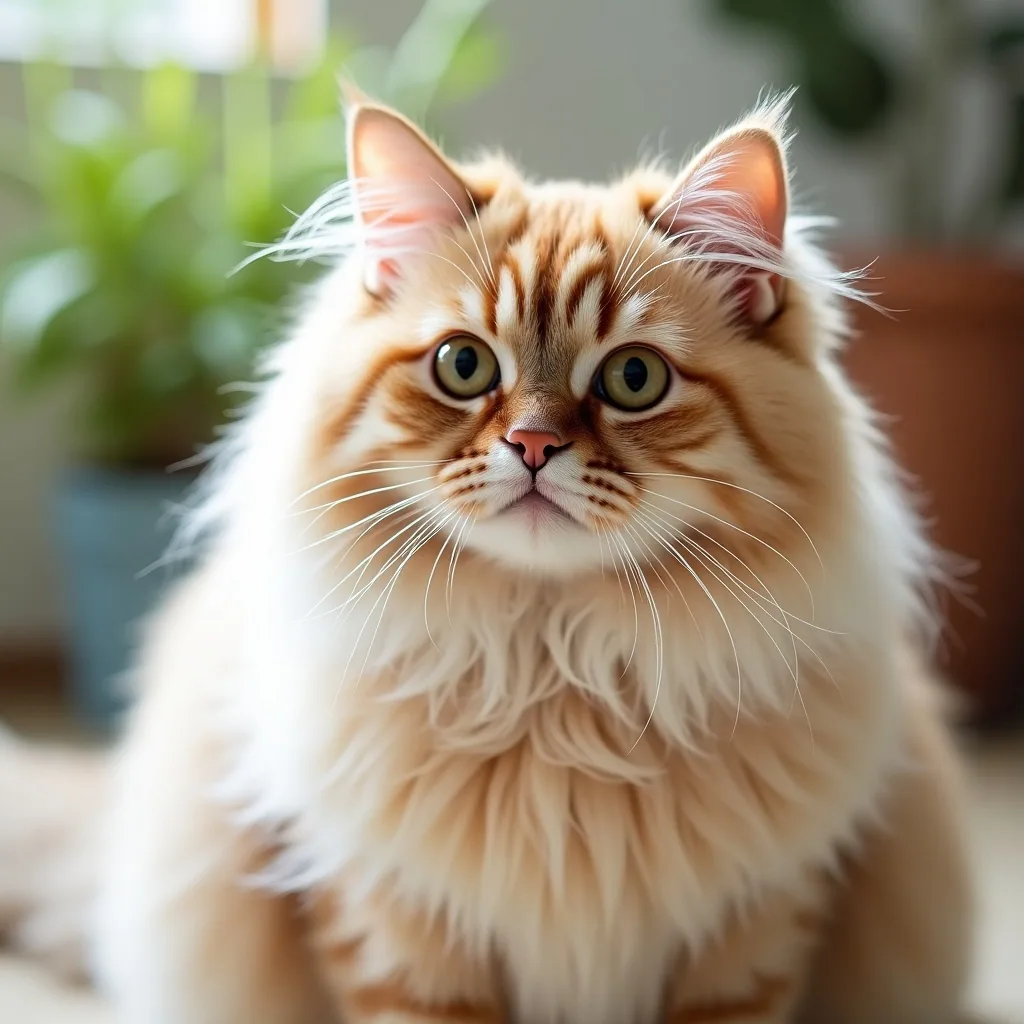
Persians have a long, fine, dense double coat that is among the most demanding of any breed. Unlike a coarser coat, the Persian's soft fur tangles and mats extremely easily, and once a mat forms it tightens and pulls at the skin, which is uncomfortable and can lead to sore, infected areas underneath. Persians groom themselves like any cat, but their coat is far too much for them to manage alone, so daily help from you is not optional — it is essential to the cat's welfare.
Daily combing is the gold standard
Plan on combing your Persian thoroughly every single day. Skipping even a few days can allow mats to form, particularly in the high-friction areas: behind and under the ears, the armpits, the chest, the belly, the britches (back legs) and around the base of the tail and rear. Use a wide-toothed comb to work gently right down to the skin, then a finer comb or slicker to lift loose hair — see our grooming brushes for suitable tools. Work in small sections, support the skin so you never pull, and keep sessions calm and rewarding. Starting this routine in kittenhood, while the coat is shorter, makes a Persian far easier to handle for life.
Dealing with mats
If you find a mat, tease it apart gently with your fingers and the tip of a comb, working from the outer edge inwards while holding the base of the fur to protect the skin. Never cut a mat off with scissors — the skin tents up into the mat and is very easily nicked. For severe, widespread or close-to-skin matting, a professional groomer or your vet can deal with it safely, sometimes clipping the coat short under sedation. Prevention through daily combing is always kinder than dealing with a badly matted cat.
Caring for the flat face and eyes
The Persian's short, flat face means many individuals have eyes that water and overflow because the tear ducts do not drain normally. Tears running onto the face leave wet, sometimes stained marks that can make the skin sore if left. Wipe the eye area gently every day with a clean, damp cloth or a vet-approved eye wipe, using a fresh section for each eye. Check the skin folds around the nose too, keeping them clean and dry. Any persistent redness, heavy discharge, squinting or signs of discomfort should be checked by a vet, as the breed is prone to several eye conditions.
Keeping the rear end clean
Because the coat is so long, Persians often struggle to keep their rear clean themselves, and litter or faeces can become trapped in the fur. Many owners keep the fur around the bottom trimmed short (a "sanitary trim") and check and clean the area daily. A clean, well-maintained litter tray helps, and prompt attention prevents both discomfort and skin problems.
Bathing
Persians are bathed more often than most breeds — many owners and all show cats are bathed regularly to keep the coat clean and free-flowing. Use a cat-specific shampoo, wet and lather thoroughly, rinse extremely well, and dry carefully and completely, as a damp dense coat can mat. Introduce bathing gradually and gently from kittenhood; if your cat finds it very stressful, focus on excellent daily combing and ask a groomer for help with baths.
Nails, teeth and ears
Grooming is about more than the coat:
- Nails. Trim every few weeks if they are not worn down, taking only the clear tip and avoiding the pink quick. Provide a scratching post — see our cat trees and scratchers.
- Teeth. Persians' short jaws often crowd the teeth, raising the risk of dental disease, so brush with cat toothpaste if tolerated and keep up regular vet dental checks. Browse dental care for supportive products.
- Ears. Check occasionally for wax, redness or odour, and wipe only the visible part with a vet-approved cleaner. Never push anything into the ear canal.
Diet, weight and routine
Persians are a calm, often inactive breed, so they can gain weight easily, which strains the body and makes grooming and self-cleaning even harder. Feed a good-quality, complete diet in measured portions and judge condition by body shape. Our cat portion control and obesity guide and the pet calorie calculator help you get it right, and a water fountain can encourage good water intake, which matters for a breed prone to kidney problems.
Grooming is also bonding time. Kept up daily and started young, a good coat, face and dental routine keeps this glorious breed comfortable and healthy. For more on the breed, see our guides on whether Persians make good pets and Persian health problems.
*This is general guidance. If you find sore skin, stubborn mats, eye discharge or any dental or skin problem you cannot easily manage, see your vet or a professional groomer.*
Sources
- International Cat Care — grooming and coat care for long-haired cats and flat-faced welfare (icatcare.org).
- Governing Council of the Cat Fancy (GCCF) — Persian breed and coat information (gccfcats.org).
- PDSA — grooming, dental and weight care for cats (pdsa.org.uk).
- Blue Cross — grooming your cat (bluecross.org.uk).
Common questions
How often should you groom a Persian cat?
Daily. A Persian's long, fine, dense coat tangles and mats very quickly, so a thorough comb-through every day is the gold standard — skipping even a few days can let painful mats form, especially behind the ears, in the armpits, on the belly and around the back legs and rear. Daily grooming also lets you wipe the eyes and face, check the skin, and keep the coat free of trapped debris. Start the routine in kittenhood so your cat accepts it as normal.
Why do Persian cats' eyes water so much?
Persians have a very short, flat face and large, prominent eyes, and many have a tear duct that is distorted or doesn't drain normally. The result is that tears overflow onto the face instead of draining away, leaving wet, sometimes stained marks below the eyes. Gentle daily wiping with a clean damp cloth or a vet-approved wipe keeps the area clean and prevents the skin from becoming sore or infected. Persistent heavy tearing, redness or discomfort should always be checked by a vet.
Are Persian cats high-maintenance?
Yes, compared with most breeds. Their long, dense coat needs daily grooming to prevent mats, and their flat face means the eyes water and the folds around the nose need regular gentle cleaning. Many Persians also need help keeping their rear end clean because the long coat traps mess. Add dental care, claw trims and the health monitoring that a brachycephalic breed deserves, and a Persian is a genuine daily commitment — rewarding, but not a low-effort cat.
About the author
Matt Garnett — founder, Giddy Pets
Matt started Giddy Pets to make getting pets the good stuff simpler and fairer. Everything in these guides comes from real life with pets and a lot of trial and error — it's practical guidance, not veterinary advice. If a guide gets something wrong, tell him directly.
Free tools & more guides
Read next

Are Persian Cats Good Pets? Temperament & Home Fit
What Persian cats are really like to live with — their calm, gentle temperament, quiet nature, the daily care they need, and the homes they suit best.

Persian Cat Health Problems: An Honest Guide
An honest look at Persian cat health problems — polycystic kidney disease (PKD), the brachycephalic flat face, watery eyes and eye conditions, dental crowding and coat or skin issues.

How Long Do Persian Cats Live? Lifespan & Health
How long Persian cats live, the inherited kidney, eye and breathing conditions linked to the breed, and how to help yours reach a healthy old age.
How Much Does a Persian Cat Cost? Buying & Lifetime Costs
What a Persian cat really costs — the purchase price of a health-tested kitten, the lifetime running costs including daily grooming and eye care, and why insurance matters.