
Are Persian Cats Good Pets? Temperament & Home Fit
What Persian cats are really like to live with — their calm, gentle temperament, quiet nature, the daily care they need, and the homes they suit best.

The quick answer
For the right home, yes. Persians are famously calm, gentle and affectionate — quiet, undemanding companions that enjoy a relaxed, indoor lifestyle and gentle attention rather than boisterous play. They suit calm households, including many older owners and families with considerate children.
Few cats are as instantly recognisable as the Persian: a luxurious long coat, a sweet round face and a famously placid, gentle manner. But are Persians actually good pets, and would one suit your home? Here is an honest look at the breed's temperament, the care that comes with it, and the households they fit best.
The calm, gentle temperament
Persians are best known for being calm, gentle and affectionate. They tend to be quiet, undemanding companions who enjoy a relaxed, settled home and gentle attention rather than constant action. Many love to lounge on a comfortable spot, watch the household go by, and accept fuss on their own terms. They are not typically the climbing, acrobatic, into-everything type — they are a more serene, dignified kind of cat, which is a big part of their appeal.
A quiet, low-key companion
Where some breeds are busy and vocal, Persians are usually soft-voiced and low-key. They generally do not demand attention loudly or race around the house, and they often suit people who want a peaceful, gentle presence rather than a whirlwind. That said, they still enjoy gentle play and interaction, and like all cats they benefit from a few toys, scratching options and a chance to express natural behaviours — browse our cat toys for calm, low-key play that suits them. Because they tend to be more sedentary than busier breeds, a little daily play also helps keep their weight in check, which matters for a cat that gains weight easily and carries a flat-faced breed's breathing risks.
A home-loving cat that suits quieter lifestyles
The Persian's placid nature makes the breed a popular choice for people who are home a good deal and want gentle company — including many calmer households and owners who appreciate a cat that is content to share a quiet space rather than constantly seeking stimulation. They are not a breed that copes well with a chaotic, high-energy environment, and they generally prefer predictable routines and familiar surroundings. Provide a few comfortable, draught-free resting spots, easy access to food, water and the litter tray, and a calm atmosphere, and a Persian will usually settle contentedly into the rhythm of your home.
Good with calm children and other pets
Persians are generally gentle and tolerant, which can make them good companions in calm family homes and households with considerate children. They tend to prefer a quiet, predictable environment, so they suit children old enough to handle them gently and respect a cat's need for peace, rather than very boisterous young households. They can live happily alongside other calm pets when introductions are done slowly and gradually. As with any cat, supervise early interactions and give your Persian quiet, undisturbed spaces to retreat to.
The honest caveats: grooming and health
This is where honesty matters. A Persian is a high-maintenance cat, and anyone considering one should go in clear-eyed:
- Daily grooming is essential. The long, fine coat mats within days if neglected, which is uncomfortable and can cause skin problems. You must commit to combing every day — see our grooming and care guide.
- The flat face brings welfare issues. As a brachycephalic breed, Persians can suffer breathing difficulty, overflowing watery eyes, eye conditions and dental crowding. Choosing a kitten with a more moderate face, and a breeder who prioritises health, makes a real difference. Our honest health guide explains what to look for.
None of this means a Persian cannot be a wonderful pet — it means a Persian is the right pet for someone willing to take on that daily care and to support a healthier, more moderate type of cat.
A largely indoor lifestyle
Most Persians suit an indoor or carefully managed lifestyle. The long coat picks up dirt and mats outdoors, the flat face can make them less tolerant of heat and exertion, and as an attractive pedigree they can be a theft target. Many owners keep them indoors with a secure garden or 'catio'. Whatever you choose, provide comfortable resting spots, gentle enrichment and a quiet routine — and remember that microchipping is now a legal requirement for pet cats in England. A cosy cat bed suits this home-loving breed perfectly.
Who do Persians suit?
- Calm, settled households that want a gentle, peaceful companion.
- Owners happy to groom daily and clean the eyes and face every day.
- People who can commit to the breed's health needs and buy a moderate-faced kitten from a responsible breeder.
- Quieter family homes with considerate, gentle children.
- Indoor-focused owners, or those with a secure outdoor space.
They are less ideal for households wanting a low-maintenance, hands-off cat, very boisterous homes, or anyone unable to commit to daily grooming.
The honest verdict
For the right home, Persians make lovely pets: calm, gentle, affectionate and beautifully serene company. In return they ask for daily grooming, attentive eye and face care, and an owner who supports healthier breeding. Meet that, and a Persian rewards you with years of quiet, devoted companionship. For more, see our guides on lifespan and health and cost.
*This is general guidance. Every cat is an individual, so meet the parents and kittens before choosing, and speak to your vet about your specific situation.*
Sources
- International Cat Care — Persian breed, behaviour and brachycephalic welfare (icatcare.org).
- Governing Council of the Cat Fancy (GCCF) — Persian breed information (gccfcats.org).
- Blue Cross — choosing a cat and cat behaviour (bluecross.org.uk).
- PDSA — cat care and welfare needs (pdsa.org.uk).
Common questions
Are Persian cats good pets?
For the right home, yes. Persians are famously calm, gentle and affectionate — quiet, undemanding companions that enjoy a relaxed, indoor lifestyle and gentle attention rather than boisterous play. They suit calm households, including many older owners and families with considerate children. The honest caveats are the daily grooming and the welfare issues that come with the flat face, so a Persian best suits someone willing to commit to that care and to buy from a breeder who prioritises health over an extreme look.
Are Persian cats high-maintenance?
Yes, compared with most breeds. Their long, dense coat needs daily grooming to prevent mats, and their flat face means the eyes water and the folds around the nose need regular gentle cleaning. Many Persians also need help keeping their rear end clean because the long coat traps mess. Add dental care, claw trims and the health monitoring that a brachycephalic breed deserves, and a Persian is a genuine daily commitment — rewarding, but not a low-effort cat.
Do Persian cats need to be indoor cats?
Most Persians are best suited to an indoor or carefully managed lifestyle. Their long coat picks up dirt and debris outdoors and mats easily, the flat face can make them less able to cope with heat and exertion, and as an attractive pedigree they can be a target for theft. Many owners keep them indoors with a secure garden or 'catio'. Whatever you choose, microchipping is now a legal requirement for pet cats in England.
About the author
Matt Garnett — founder, Giddy Pets
Matt started Giddy Pets to make getting pets the good stuff simpler and fairer. Everything in these guides comes from real life with pets and a lot of trial and error — it's practical guidance, not veterinary advice. If a guide gets something wrong, tell him directly.
Free tools & more guides
Read next
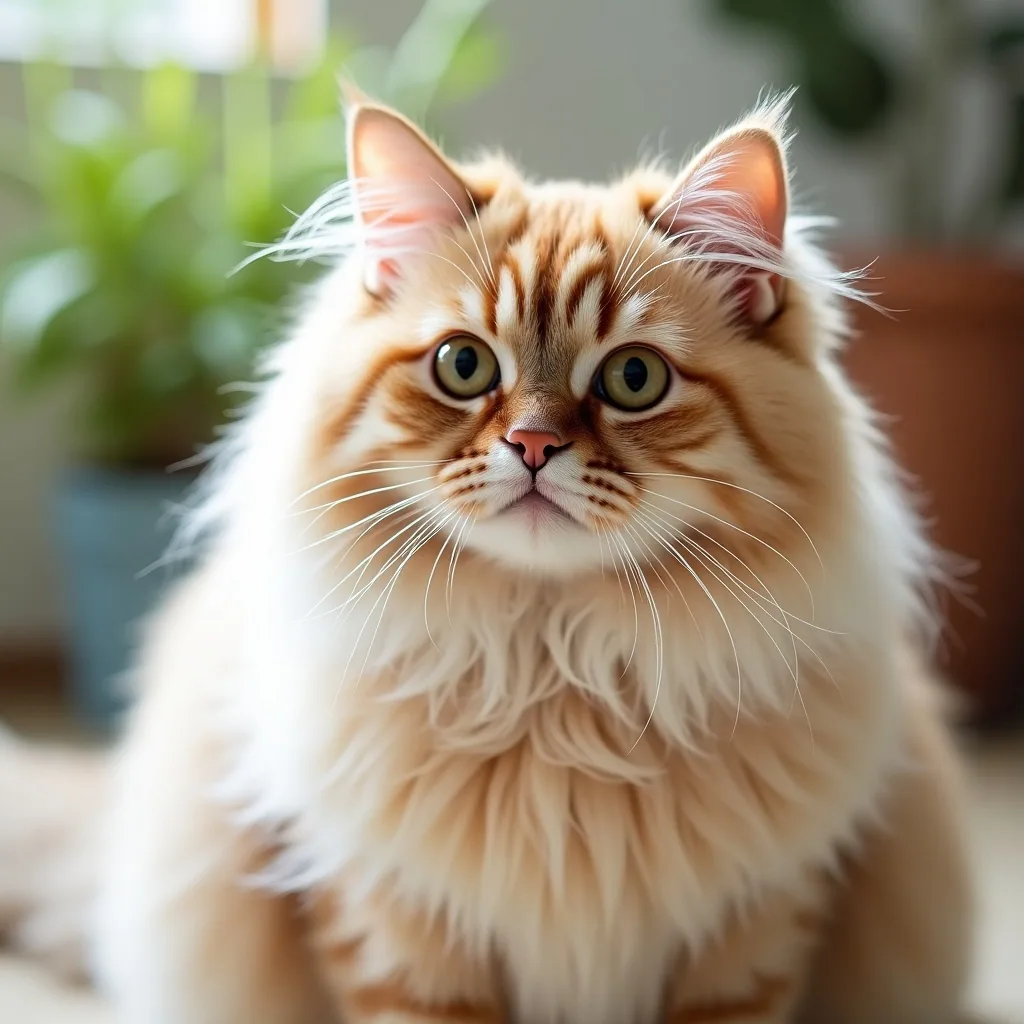
Persian Cat Grooming & Care (Coat, Eyes & Face)
How to groom and care for a Persian cat — daily coat combing, mat prevention, cleaning the eyes and flat face, dental care, nails and keeping the rear clean.
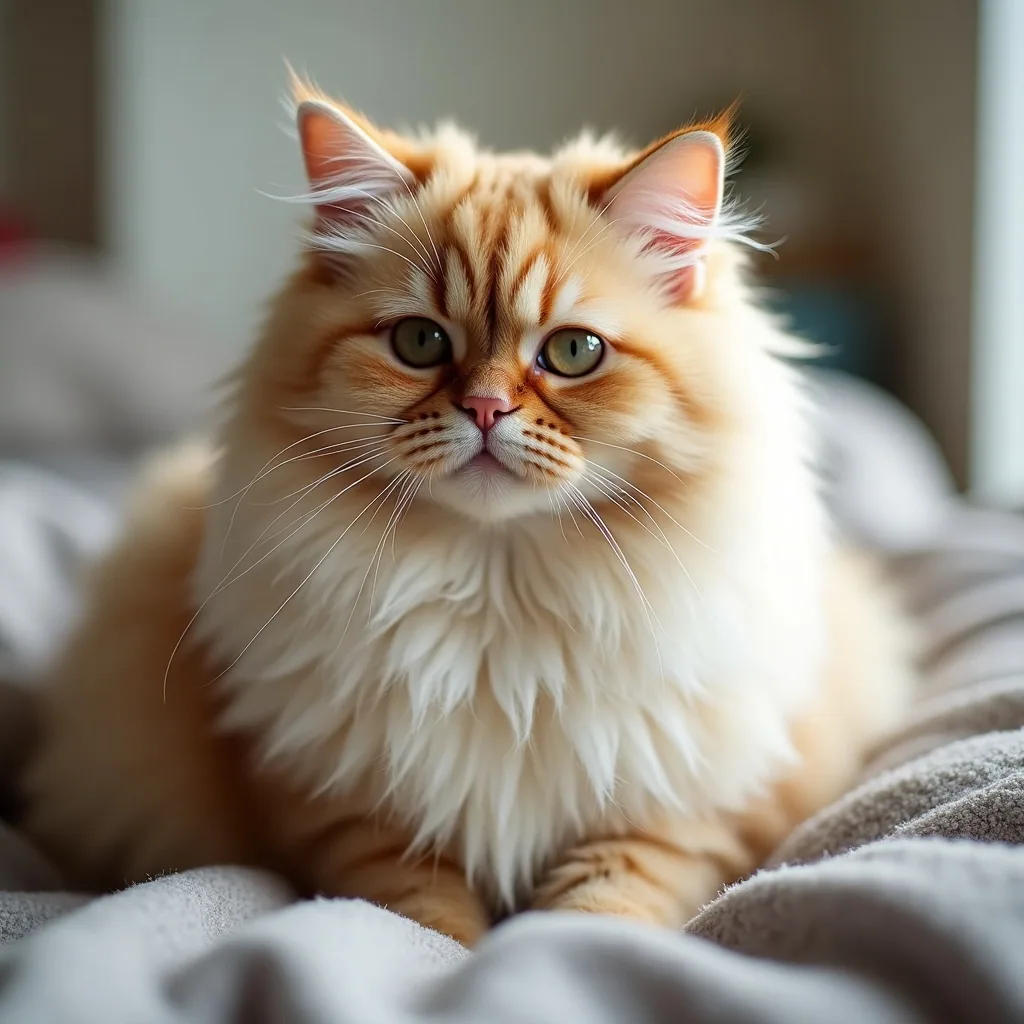
Persian Cat Health Problems: An Honest Guide
An honest look at Persian cat health problems — polycystic kidney disease (PKD), the brachycephalic flat face, watery eyes and eye conditions, dental crowding and coat or skin issues.
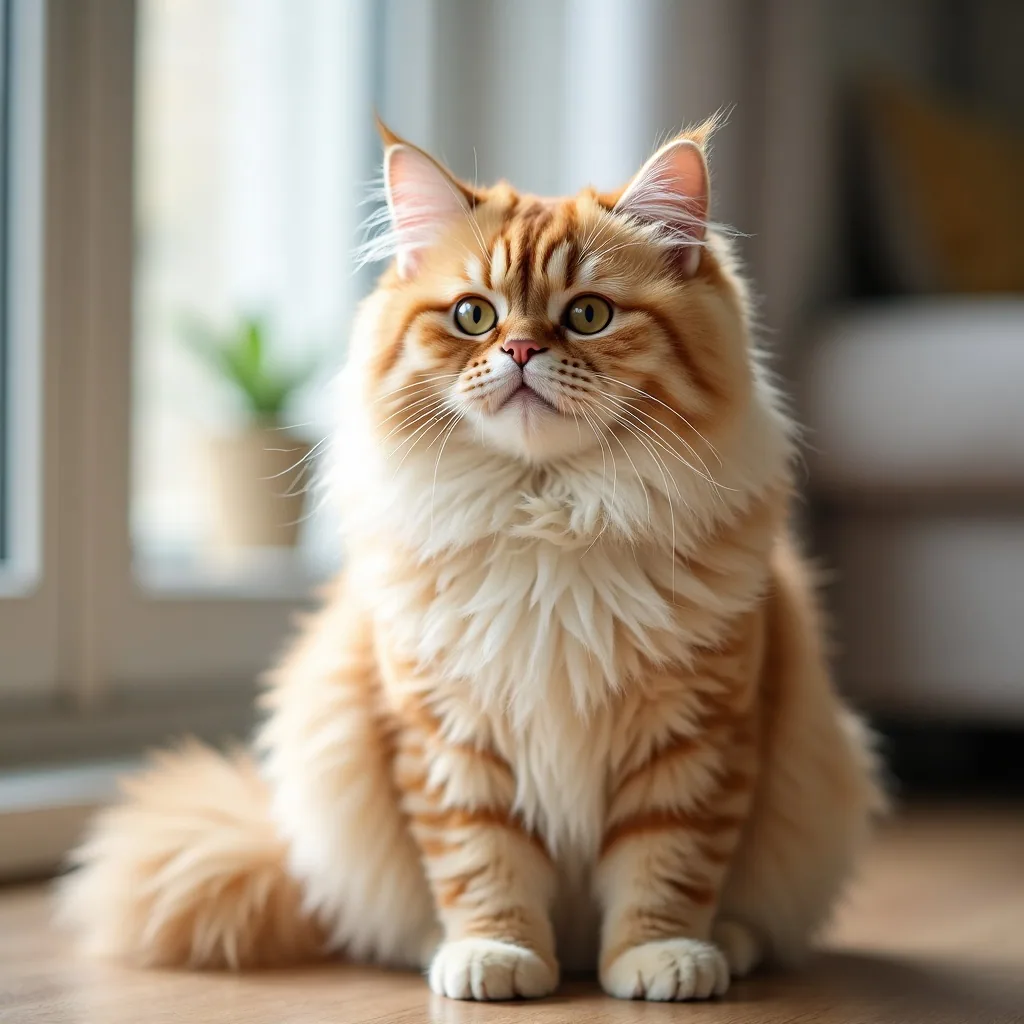
How Much Does a Persian Cat Cost? Buying & Lifetime Costs
What a Persian cat really costs — the purchase price of a health-tested kitten, the lifetime running costs including daily grooming and eye care, and why insurance matters.

How Long Do Persian Cats Live? Lifespan & Health
How long Persian cats live, the inherited kidney, eye and breathing conditions linked to the breed, and how to help yours reach a healthy old age.