
How Long Do Persian Cats Live? Lifespan & Health
How long Persian cats live, the inherited kidney, eye and breathing conditions linked to the breed, and how to help yours reach a healthy old age.

The quick answer
Persian cats typically live to around 12–17 years, with many reaching their mid-to-late teens when well cared for.
The Persian is one of the oldest and most beloved pedigree cats — a calm, affectionate breed with a long, glamorous coat and an unmistakable flat face. If you are thinking of welcoming one, or already share your home with a Persian, an early question is usually how long they live and what to watch for. Here is an honest look at Persian cat lifespan, the conditions the breed can be prone to, and the practical things that help yours stay well.
How long do Persian cats live?
Persian cats typically live to around 12–17 years, and with good care plenty reach their mid-to-late teens. That is a normal range for a pedigree cat. As always, genetics set the outer limits while everyday care — weight, diet, dental health, grooming and routine veterinary attention — strongly influences where an individual cat lands. Because the Persian is a flat-faced, long-coated breed with some known health predispositions, prevention and early checks matter more than in many other breeds.
Kidneys: polycystic kidney disease (PKD)
The single most important inherited condition in Persians is polycystic kidney disease (PKD), in which fluid-filled cysts develop in the kidneys and can, over time, lead to kidney failure. PKD has historically been common in the breed, but there is a reliable DNA test, which means responsible breeders can test their cats and avoid breeding affected animals. If you are buying a kitten, ask to see evidence that the parents are PKD-tested. In an older Persian, watch for increased thirst, weight loss, poor appetite or changes in urination, and have routine senior blood and urine checks. Encouraging good water intake supports kidney health, and some cats drink more readily from a moving source such as a water fountain.
The flat face: breathing and eyes
Persians are brachycephalic (flat-faced), and this conformation is linked to several health and welfare problems. The shortened face can cause breathing difficulty, reduced tolerance of heat and exertion, overflowing, watering eyes because the tear ducts do not drain normally, and eye conditions such as entropion (where the eyelid rolls inward) and corneal problems. The most extreme "peke-faced" Persians tend to be the most affected. Choosing a kitten with a more moderate face and a visible, open nose is one of the most important things a buyer can do for the cat's long-term health. Our honest health guide covers these issues in detail.
Teeth and skin
The short jaw often crowds the teeth, which raises the risk of dental disease — a common and painful problem in cats generally and one to stay ahead of with brushing and regular vet dental checks. The long coat can also lead to skin problems if it mats, trapping moisture and debris against the skin, so daily grooming protects skin health as well as appearance.
It is worth keeping these conditions in perspective. The fact that a breed *can* carry a condition does not mean every cat will be affected — DNA testing for PKD and a move towards healthier, more moderate faces exist precisely so the risks can be reduced rather than left to chance. A kitten from tested parents, with a healthier face, kept lean and well groomed, has every chance of a long and comfortable life.
Weight: the everyday risk
Beyond inherited conditions, a very common day-to-day issue is carrying too much weight. Persians are a calm, often inactive breed, so they gain weight easily, and excess weight strains the body, worsens any breathing difficulty, and makes grooming and self-cleaning harder. Use body-condition scoring and your vet's advice rather than the scales alone. Our cat portion control and obesity guide and the pet calorie calculator help you feed the right amount.
Helping your Persian live a long, healthy life
- Choose a tested kitten with a moderate face — buy from a breeder who DNA-tests for PKD and avoids extreme flat faces (see our cost and buying guide).
- Groom daily and clean the eyes and face to protect skin and comfort (see our grooming and care guide).
- Keep them lean — measure meals rather than free-feeding all day.
- Stay on top of dental care, vaccinations and parasite control.
- See your vet regularly, moving towards twice-yearly checks as your cat ages.
- Insure early — a breed prone to kidney, eye and breathing problems makes lifelong cover genuinely valuable.
You can get a rough sense of lifespan with our pet life expectancy tool, and find local and emergency clinics through our vet finder.
*This is general guidance, not a substitute for advice from your vet, who can assess your individual cat.*
Sources
- International Cat Care — Persian health, PKD and brachycephalic welfare (icatcare.org).
- Governing Council of the Cat Fancy (GCCF) — breed information and health testing (gccfcats.org).
- RVC VetCompass — UK cat health and longevity data (rvc.ac.uk/vetcompass).
- PDSA — cat health, weight and preventive care (pdsa.org.uk).
- Blue Cross — caring for your cat (bluecross.org.uk).
Common questions
How long do Persian cats live?
Persian cats typically live to around 12–17 years, with many reaching their mid-to-late teens when well cared for. As a flat-faced (brachycephalic), long-coated pedigree, the breed can carry inherited problems — notably polycystic kidney disease (PKD), breathing and eye issues linked to the short face, and dental disease — so choosing a kitten from a breeder who DNA-tests for PKD, keeping your cat lean, and staying on top of eye, dental and routine vet care all help yours land at the longer end of that range.
What health problems are Persian cats prone to?
The most important is polycystic kidney disease (PKD), an inherited condition with a reliable DNA test, so responsible breeders test their cats. As a brachycephalic breed Persians are also prone to breathing difficulties, overflowing tears and eye problems (including entropion and corneal issues), and dental crowding from the short jaw. Their coat can develop skin problems if it mats. Buying from a breeder who DNA-tests for PKD and breeds moderate faces, plus good daily care, reduces the risks.
Are Persian cats brachycephalic?
Yes. Persians are a brachycephalic (flat-faced) breed, and the most extreme "peke-faced" types have the shortest noses. This conformation is linked to welfare problems including breathing difficulty, overflowing tears, eye conditions and dental crowding. Welfare organisations encourage breeders and buyers to favour more moderate faces with a visible nose. If you want a Persian, choosing a kitten with a less extreme face and an open, healthy nose is one of the most important decisions you can make.
About the author
Matt Garnett — founder, Giddy Pets
Matt started Giddy Pets to make getting pets the good stuff simpler and fairer. Everything in these guides comes from real life with pets and a lot of trial and error — it's practical guidance, not veterinary advice. If a guide gets something wrong, tell him directly.
Free tools & more guides
Read next
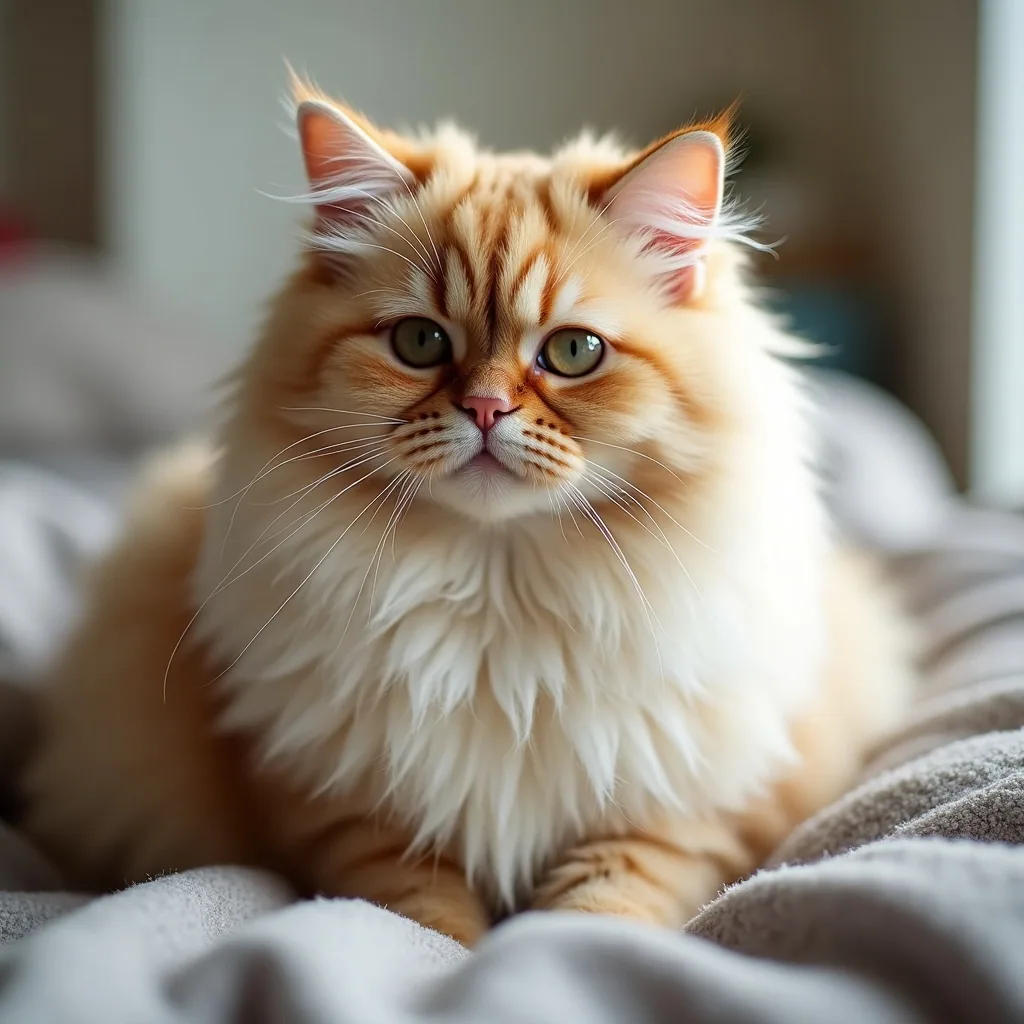
Persian Cat Health Problems: An Honest Guide
An honest look at Persian cat health problems — polycystic kidney disease (PKD), the brachycephalic flat face, watery eyes and eye conditions, dental crowding and coat or skin issues.
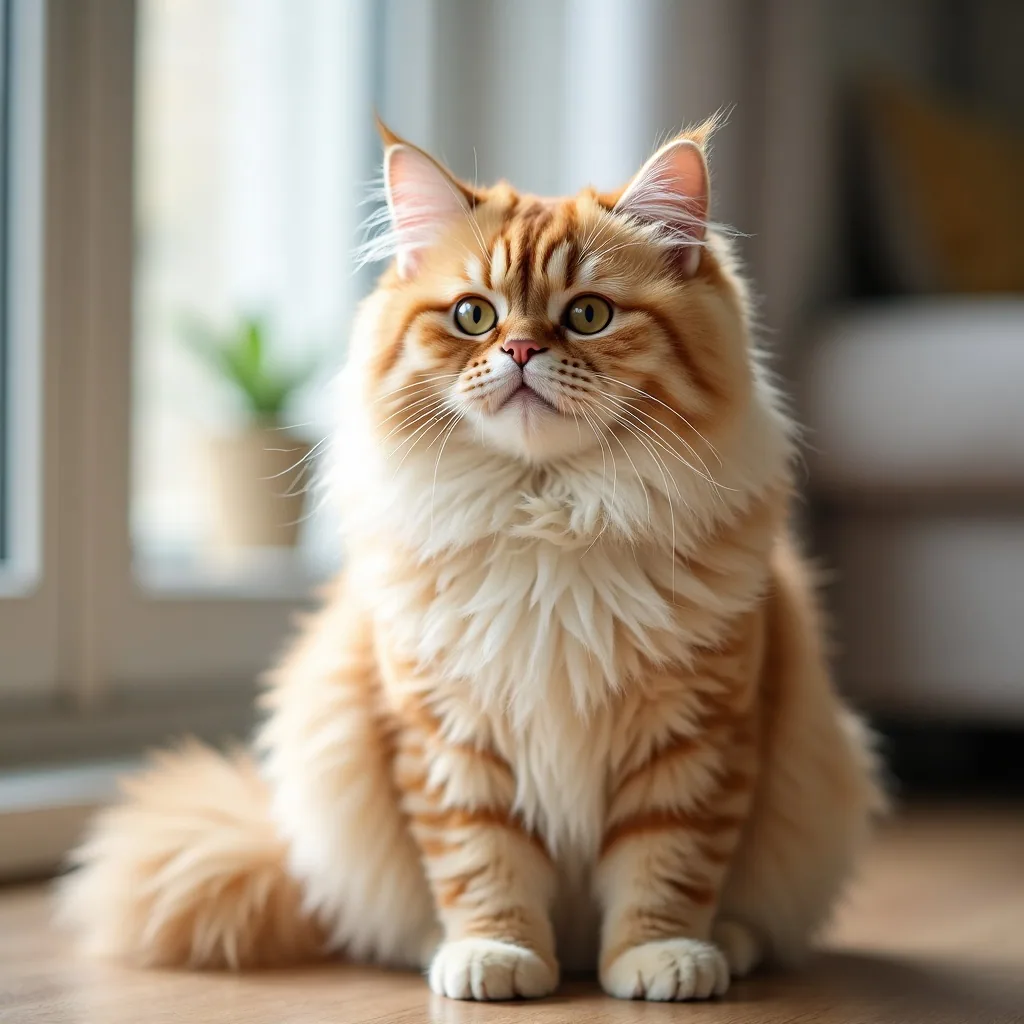
How Much Does a Persian Cat Cost? Buying & Lifetime Costs
What a Persian cat really costs — the purchase price of a health-tested kitten, the lifetime running costs including daily grooming and eye care, and why insurance matters.
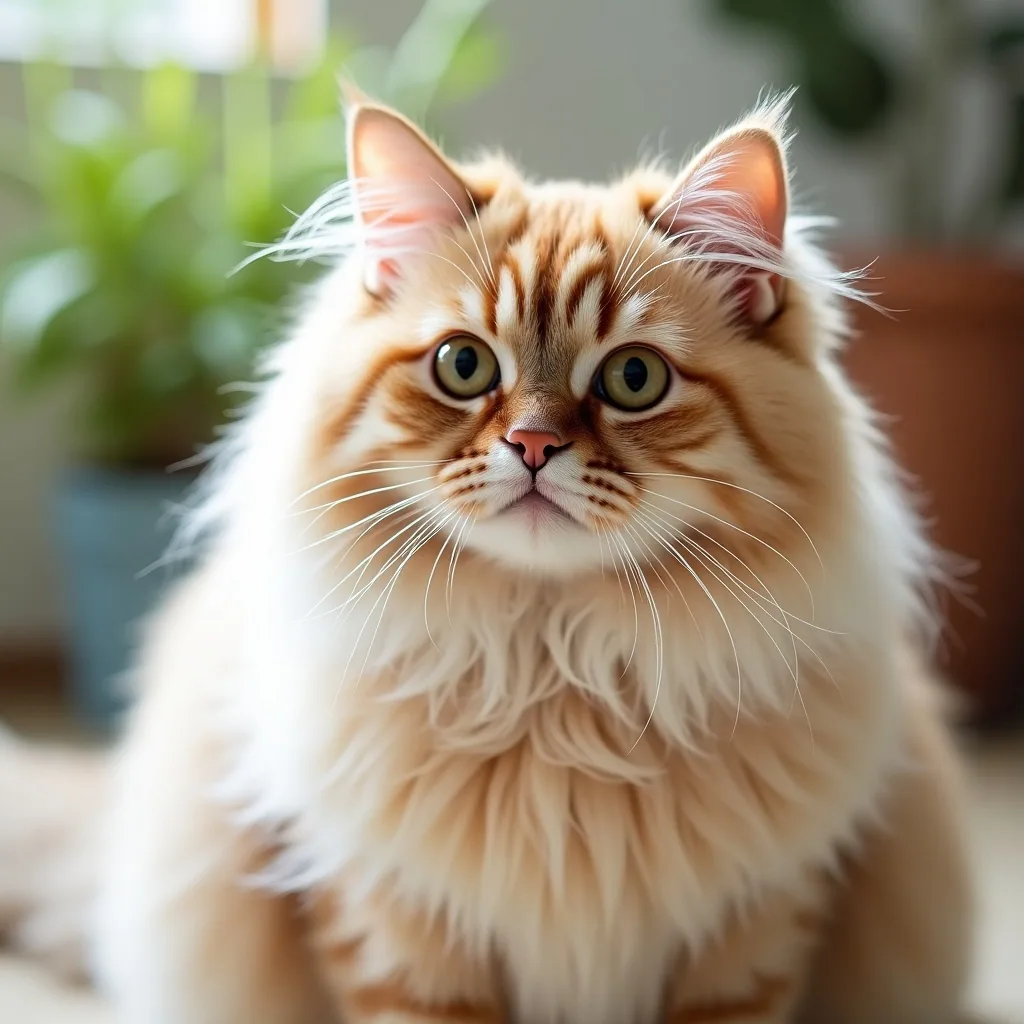
Persian Cat Grooming & Care (Coat, Eyes & Face)
How to groom and care for a Persian cat — daily coat combing, mat prevention, cleaning the eyes and flat face, dental care, nails and keeping the rear clean.

Are Persian Cats Good Pets? Temperament & Home Fit
What Persian cats are really like to live with — their calm, gentle temperament, quiet nature, the daily care they need, and the homes they suit best.