
How to Train & Socialise a Rottweiler
A practical guide to training and socialising a Rottweiler — why early socialisation is critical, how positive methods work best, and the importance of a calm, confident owner.
The quick answer
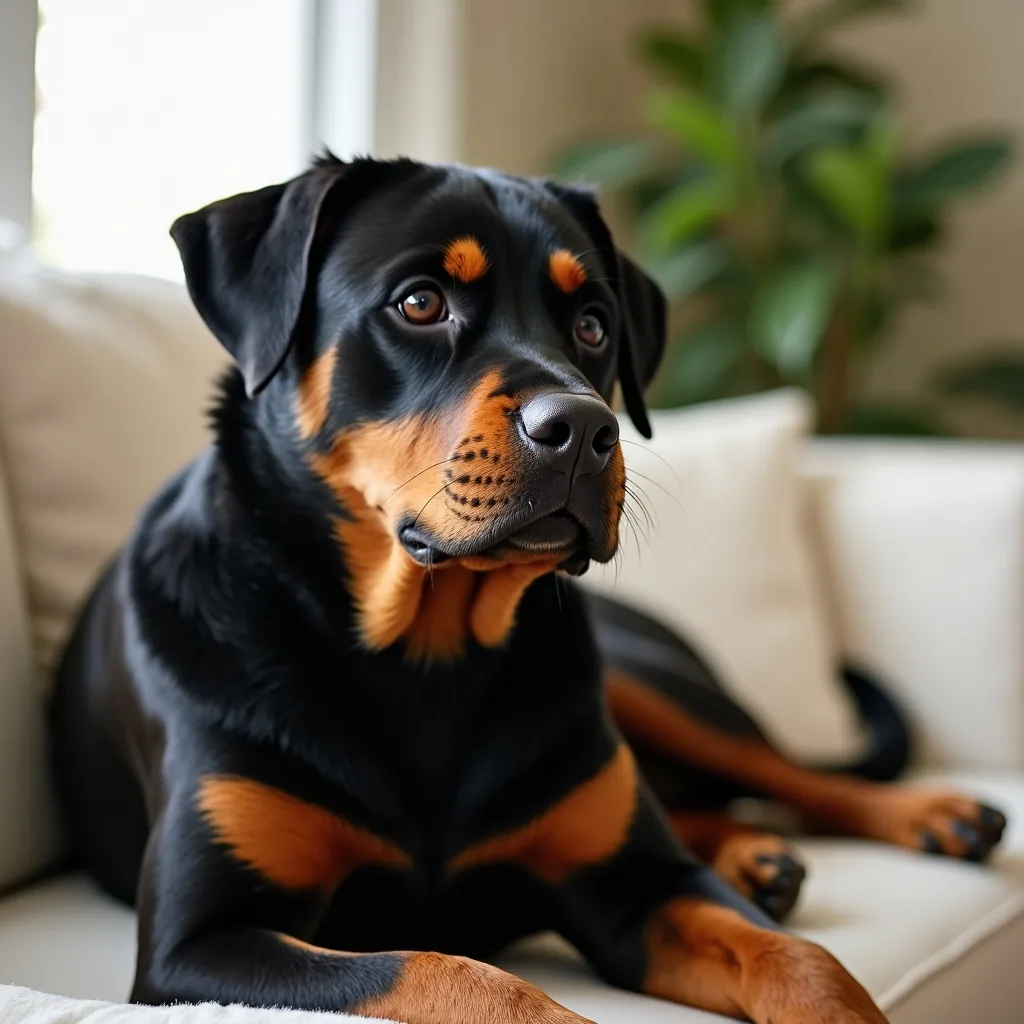
Rottweilers are highly intelligent and eager to work with their owners, which makes them very trainable when training starts early and uses positive, reward-based methods. They respond best to a calm, confident, consistent handler who sets clear boundaries kindly. Because they are large and strong, training should never rely on force or punishment, which can damage trust and worsen behaviour.
Few things matter more to a Rottweiler's future than how it is trained and socialised in its first months and years. This is an intelligent, powerful, deeply loyal breed, and with the right start it becomes a confident, well-mannered companion that is a pleasure to live with. Get it wrong, and a big, strong dog can become harder to manage. The good news is that training a Rottweiler is genuinely rewarding, because they are clever, eager to work with their people and quick to learn. Here is how to do it well.
Why early socialisation is critical
Socialisation means calmly and positively exposing your puppy to the everyday world — different people, friendly dogs, places, surfaces, sounds, traffic, household noises and normal handling — so that they grow into a confident, well-adjusted adult who takes life in their stride. For a breed that is naturally protective and territorial, this is the single most important investment you can make.
The key socialisation window is in early puppyhood, so start as soon as your puppy is home, working within your vet's vaccination advice (you can socialise carefully before full vaccination by carrying your puppy, using safe environments and inviting healthy, vaccinated dogs to visit). Keep every experience positive and unhurried — never force a nervous puppy towards something frightening. The aim is for your Rottweiler to learn that the world is safe and that you are a reliable, calm guide. Puppy classes run by a reputable, reward-based trainer are excellent for both socialisation and early training.
Socialisation does not stop when puppyhood ends. Keep exposing your Rottweiler to varied, positive experiences throughout their life to maintain that confidence and steadiness.
Positive, reward-based training
Modern, evidence-based training is built on rewarding the behaviour you want rather than punishing the behaviour you don't. For a Rottweiler, this matters enormously. They are sensitive to their owner's mood and respond best to clear, kind, consistent guidance. Reward-based methods — using food, praise, play and toys — build trust, motivation and a strong working partnership.
Force, intimidation and harsh corrections are not only unnecessary, they are counterproductive. Punishment can damage the bond with your dog, increase fear and anxiety, and make problem behaviour worse — a serious concern in any large, powerful breed. Choose a trainer or behaviourist who works only with positive, humane methods.
Start with the basics: name recognition, sit, down, a reliable recall, loose-lead walking and a settle. Keep sessions short, fun and frequent, ending on a success. A few minutes several times a day beats one long, frustrating session.
The importance of a confident, calm owner
Rottweilers do best with an owner who is calm, confident and consistent. This does not mean being harsh or domineering — quite the opposite. It means being a steady, dependable presence who sets clear boundaries kindly and sticks to them, so the dog always knows what is expected. Dogs read our body language and emotions, and a relaxed, assured handler helps a powerful dog feel secure and behave well.
Consistency across the whole household is vital. Everyone should use the same cues and the same rules, so the dog is not confused. If jumping up is not allowed, it should never be rewarded by anyone, even when the puppy is small and cute.
Lead manners and recall for a strong dog
Because an adult Rottweiler is so strong, loose-lead walking and a reliable recall are priorities, not optional extras. Teach loose-lead walking early, before the dog is big enough to pull you off your feet, rewarding them for staying near you with a slack lead. A well-fitted harness can give you better control and comfort than a collar alone while you train, and a sturdy lead is essential. Practise recall in safe, low-distraction places first, making coming back to you the best thing that ever happens, then gradually build up to more distracting environments.
Mental stimulation and enrichment
Rottweilers are working dogs that need a job to do. Mental exercise tires them as effectively as physical exercise and prevents the boredom that leads to problem behaviour. Build training games, scent work and problem-solving into daily life. Puzzle feeders and enrichment toys are brilliant for this, as are slow feeders that turn mealtimes into a challenge. A mentally satisfied Rottweiler is a calmer, happier Rottweiler.
Managing the protective instinct
The breed's guarding heritage is part of its appeal, but it must be channelled sensibly. Good socialisation teaches your dog to distinguish normal, everyday situations from genuine concerns. Reward calm behaviour around visitors and on walks, and never encourage aggression or guarding as a game. If you have any concerns about reactivity or guarding behaviour, seek help early from a qualified, reward-based behaviourist rather than waiting.
When to get professional help
There is no shame in asking for help — it is the responsible thing to do. Book into puppy classes early, and consult an accredited, force-free trainer or a clinical animal behaviourist if you encounter problems such as fear, reactivity or guarding. Early intervention is far easier and more effective than trying to undo entrenched behaviour later.
The takeaway
Training and socialising a Rottweiler is a hugely rewarding journey. Start early, keep it positive, be calm and consistent, and channel that clever working mind with plenty of mental stimulation. Do this, and you will raise a confident, well-mannered dog who is a credit to the breed. For more on living with a Rottweiler, see our guides on whether they make good family dogs and their health. You can estimate your dog's daily walking needs with our dog walking calculator.
*This is general guidance, not a substitute for advice from a qualified, reward-based trainer or clinical animal behaviourist, or from your vet.*
Sources
Common questions
Are Rottweilers easy to train?
Rottweilers are highly intelligent and eager to work with their owners, which makes them very trainable when training starts early and uses positive, reward-based methods. They respond best to a calm, confident, consistent handler who sets clear boundaries kindly. Because they are large and strong, training should never rely on force or punishment, which can damage trust and worsen behaviour. Early socialisation and ongoing training are essential to raise a well-mannered, confident adult Rottweiler.
When should I start socialising my Rottweiler puppy?
Start as soon as your puppy comes home, as the key socialisation window is in early puppyhood. Work within your vet's vaccination advice — you can socialise carefully before full vaccination by carrying your puppy, visiting safe environments and inviting healthy, vaccinated dogs to meet them. Keep every experience calm and positive, exposing your puppy gradually to people, friendly dogs, places, sounds and handling. Puppy classes with a reputable reward-based trainer are excellent for both socialisation and training.
Do Rottweilers need a lot of exercise?
Yes. Rottweilers are a working breed and need plenty of daily exercise, generally around two hours a day for a healthy adult, split into walks plus training and play. They are intelligent and thrive on having a job to do, so mental stimulation through training, scent games and puzzle toys is just as important as physical exercise. Be careful not to over-exercise a growing puppy, as too much high-impact activity can harm developing joints in a large breed.
About the author
Matt Garnett — founder, Giddy Pets
Matt started Giddy Pets to make getting pets the good stuff simpler and fairer. Everything in these guides comes from real life with pets and a lot of trial and error — it's practical guidance, not veterinary advice. If a guide gets something wrong, tell him directly.
Free tools & more guides
Read next
Are Rottweilers Good Family Dogs?
An honest look at whether Rottweilers make good family dogs — their loyal, loving nature, the importance of socialisation and experienced ownership, and the truth about UK law.

How Much Does a Rottweiler Cost? Buying & Lifetime Costs
What a Rottweiler really costs — the purchase price of a health-tested puppy, the substantial lifetime running costs, and why insurance matters for a large breed.
Rottweiler Health Problems: An Honest Guide
An honest, factual guide to Rottweiler health problems — hip and elbow dysplasia, bone cancer, heart conditions, cruciate injuries and bloat, and how to reduce the risks.

How Long Do Rottweilers Live? Lifespan & Health
How long Rottweilers live, the conditions a big breed can carry, and the practical things that help your dog reach a healthy old age.