
Are Rottweilers Good Family Dogs?
An honest look at whether Rottweilers make good family dogs — their loyal, loving nature, the importance of socialisation and experienced ownership, and the truth about UK law.

The quick answer
Rottweilers can make wonderful, loving family dogs in the right home. They are loyal, affectionate and deeply bonded to their people, and many are gentle and patient with children they have grown up with. However, they are large, powerful and naturally protective, so they need early socialisation, consistent positive training and experienced, responsible owners who can manage their size and confidence.
The Rottweiler is one of the most misunderstood dogs in Britain. To some, the breed conjures an image of a fearsome guard dog; to the people who actually live with them, the Rottweiler is a loyal, affectionate, often goofy companion that wants nothing more than to be close to its family. So are Rottweilers good family dogs? The honest answer is yes — in the right home, with the right owner, and with the work put in early. Here is a balanced look at what that really means.
The Rottweiler temperament
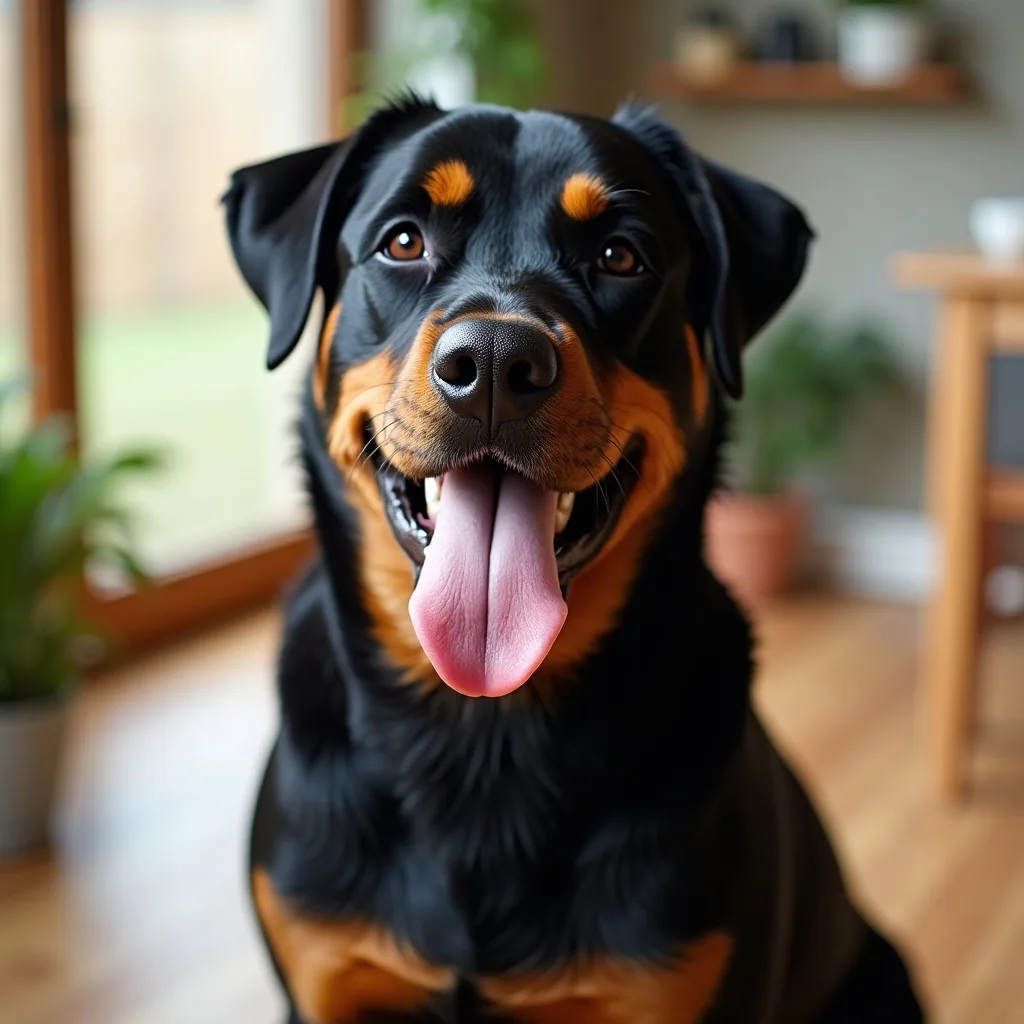
Rottweilers are a working breed with a long history as herding and drovers' dogs, later valued for guarding and as police and service dogs. That heritage shows in their character: they are intelligent, confident, loyal and strongly bonded to their people. A well-raised Rottweiler is typically calm, steady and affectionate at home, often following their family from room to room and happily flopping their considerable weight into a lap that is far too small for them. Many are gentle and patient, with a playful, even clownish, streak.
They are also naturally protective and territorial. This is part of what people love about the breed, but it is exactly why socialisation and training matter so much — a protective instinct must be balanced by confidence, good manners and the ability to settle in everyday situations.
Are Rottweilers good with children?
Many Rottweilers are wonderful with children in their own family, particularly when they have been raised alongside them and properly socialised. They can be tolerant, gentle and devoted. However, two honest caveats apply. First, a Rottweiler is large and powerful — even an affectionate dog can accidentally knock over a toddler with a wag or a bump. Second, no dog of any breed should ever be left unsupervised with young children. Teach children to respect the dog's space, never to disturb it while eating or sleeping, and always supervise interactions. Give the dog a quiet retreat, such as a comfortable dog bed, where it can rest undisturbed.
The need for socialisation and experienced ownership
This is the single most important point about the breed. A Rottweiler is a big, strong, intelligent dog, and raising one well takes commitment. Early, positive socialisation — calm exposure to people, other dogs, places, sounds and everyday life during puppyhood — is essential to produce a confident, well-adjusted adult. Ongoing, reward-based training builds the manners and self-control that a powerful dog needs.
For these reasons, Rottweilers suit experienced, committed owners more than first-time dog owners who are unsure of themselves. The breed responds best to a calm, confident handler who sets clear, kind boundaries. Our guide on how to train and socialise a Rottweiler covers this in detail.
Are Rottweilers banned in the UK?
This is one of the most common questions, and the answer is clear: no, Rottweilers are not banned or restricted in the UK. The breeds currently prohibited under the Dangerous Dogs Act are the Pit Bull Terrier, Japanese Tosa, Dogo Argentino, Fila Brasileiro and, more recently, the XL Bully. The Rottweiler is none of these — it is a fully recognised Kennel Club breed that can be owned freely.
That said, the law applies to every dog, whatever its breed. It is an offence to allow any dog to be dangerously out of control, in public or private. So while there is no breed-specific restriction on Rottweilers, owning one comes with a genuine responsibility to train, socialise and manage your dog properly. With a breed this strong, responsible ownership is not optional.
Exercise, space and lifestyle
Rottweilers are an active working breed and need a fair amount of daily exercise, generally around two hours for a healthy adult, plus mental stimulation through training and games. They are happiest with a job to do. A bored, under-exercised Rottweiler can become frustrated, so the breed suits an active household with the time to meet those needs. Good equipment helps: a strong, well-fitted harness and a sturdy lead make walks safer and more comfortable for a powerful dog.
They also need space. While Rottweilers can adapt to different homes, a large, energetic dog is generally better suited to a household with room to move and ideally access to secure outdoor space.
Who do Rottweilers suit?
- Experienced, confident owners willing to invest in training and socialisation.
- Active households that can provide around two hours of exercise plus mental stimulation daily.
- Families who understand supervision and will teach children to interact respectfully.
- People committed for the long term, who understand the breed's health needs and costs (see our cost guide and health guide).
They are less suited to first-time owners, very busy households with little time for training and exercise, or anyone wanting a low-effort, low-commitment pet.
The honest verdict
For the right home, Rottweilers are superb family dogs: loyal, loving, intelligent and protective in the best sense. But they are powerful animals whose temperament is shaped enormously by socialisation, training and responsible ownership. Get those right, and you will have one of the most devoted companions you could wish for. For a sense of the commitment involved, try our pet life expectancy tool or find local clinics through our vet finder.
*This is general guidance, not a substitute for advice from your vet or a qualified, reward-based trainer or behaviourist, who can assess your individual dog.*
Sources
Common questions
Are Rottweilers good family dogs?
Rottweilers can make wonderful, loving family dogs in the right home. They are loyal, affectionate and deeply bonded to their people, and many are gentle and patient with children they have grown up with. However, they are large, powerful and naturally protective, so they need early socialisation, consistent positive training and experienced, responsible owners who can manage their size and confidence. They are not a banned breed in the UK, but with a strong dog comes a real duty of responsible ownership.
Are Rottweilers banned in the UK?
No. Rottweilers are not banned or restricted under the Dangerous Dogs Act in the UK. The breeds currently prohibited are the Pit Bull Terrier, Japanese Tosa, Dogo Argentino, Fila Brasileiro and the XL Bully. The Rottweiler is a Kennel Club recognised breed and can be owned freely. That said, the law applies to every dog: any dog that is dangerously out of control can lead to prosecution, so responsible ownership, training and socialisation are essential for a breed this powerful.
Are Rottweilers good with children?
Many Rottweilers are gentle, tolerant and devoted to children in their family, especially when they have been raised with them and well socialised. However, their large size means they can knock over a small child by accident, and no dog of any breed should ever be left alone with young children. Teach children to respect the dog's space, supervise all interactions, and give the dog a quiet place to retreat to. Calm, considerate handling builds a safe, happy relationship.
About the author
Matt Garnett — founder, Giddy Pets
Matt started Giddy Pets to make getting pets the good stuff simpler and fairer. Everything in these guides comes from real life with pets and a lot of trial and error — it's practical guidance, not veterinary advice. If a guide gets something wrong, tell him directly.
Free tools & more guides
Read next

How to Train & Socialise a Rottweiler
A practical guide to training and socialising a Rottweiler — why early socialisation is critical, how positive methods work best, and the importance of a calm, confident owner.
Rottweiler Health Problems: An Honest Guide
An honest, factual guide to Rottweiler health problems — hip and elbow dysplasia, bone cancer, heart conditions, cruciate injuries and bloat, and how to reduce the risks.

How Much Does a Rottweiler Cost? Buying & Lifetime Costs
What a Rottweiler really costs — the purchase price of a health-tested puppy, the substantial lifetime running costs, and why insurance matters for a large breed.

How Long Do Rottweilers Live? Lifespan & Health
How long Rottweilers live, the conditions a big breed can carry, and the practical things that help your dog reach a healthy old age.