
How to Train a German Shepherd
German Shepherds are one of the most trainable breeds in the world. Here's how to train one well: start early, socialise hard, build obedience and impulse control, and shape that protective instinct.
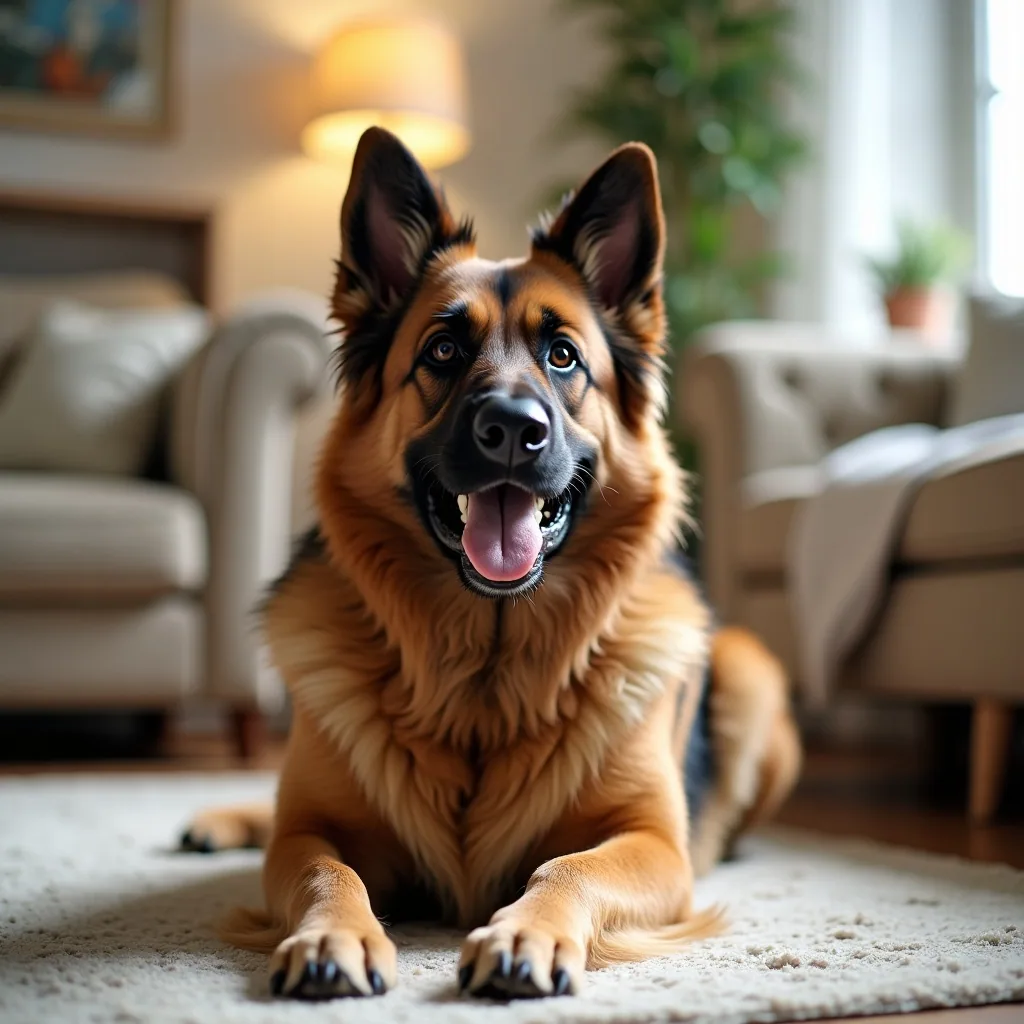
The quick answer
Very — they're among the most trainable breeds in the world, which is exactly why they're used for police, military and assistance work. They're intelligent, eager to work and quick to learn. They do need their minds kept busy, so training is best treated as an ongoing part of life rather than a one-off.
German Shepherds are routinely described as one of the most trainable breeds on the planet — which is exactly why they fill the ranks of police, military, search-and-rescue and assistance work. That intelligence is a gift and a responsibility: a Shepherd's brain needs a job, and a well-trained one is a joy while an untrained one is a great deal of dog to manage. Here's how to train a German Shepherd properly, from the first week home to a steady, reliable adult.
Start early and keep it lifelong
The best time to start is the day your puppy comes home. Early weeks are when foundations form, so begin with simple, positive lessons — name recognition, coming when called, and gentle handling — and build from there. Keep sessions short (a few minutes several times a day suits a young dog far better than one long drill), upbeat and consistent. Crucially, training a Shepherd is never "finished": this is a working breed that stays sharp into adulthood, so treat ongoing training and problem-solving as a permanent part of life rather than a puppy-class box to tick. For the core cues every dog should know, our guide to dog obedience training: the essential commands is a good companion to this one.
Socialisation is the single most important thing
For a German Shepherd, socialisation matters even more than obedience. This is a naturally alert, protective breed, and whether that instinct matures into calm, discerning confidence or tips into suspicion and reactivity depends largely on early, positive exposure. While your puppy is young, introduce them — calmly and at their pace — to as many different people, friendly dogs, places, surfaces, sounds and everyday situations as you sensibly can. The aim is for the world to feel normal and unthreatening. A structured puppy socialisation checklist helps you cover the bases methodically. Get this right and you set up the stable, dependable temperament that makes the breed so admired; skip it and you store up problems that are far harder to fix later.
Use reward-based methods
German Shepherds respond brilliantly to reward-based training — food, toys, play and praise that mark and reinforce the behaviour you want. Harsh, punishment-led methods are not only unnecessary with such a willing breed, they can damage the trust and stability you're trying to build, and may make a sensitive or protective dog more anxious or defensive. Reward the behaviours you like the moment they happen, keep your cues clear and consistent across the whole household, and be patient. Because Shepherds are so quick, they learn good habits and bad ones equally fast, so consistency from everyone in the family is essential.
Obedience and impulse control
Beyond the basics — sit, down, stay, recall, loose-lead walking — German Shepherds benefit enormously from deliberate impulse-control work. Teaching a solid "leave it", a reliable wait at doors and before meals, settling calmly on a mat, and not reacting to every passer-by gives this powerful, switched-on dog an off-switch. These exercises also make daily life with a large, strong dog genuinely manageable. Lots of mental work — scent games, puzzle toys, trick training, learning the names of toys — tires a Shepherd more than miles alone and keeps that busy mind satisfied. Enrichment from our puzzle and enrichment range is useful here.
Channelling the protective instinct
German Shepherds are watchful and protective by nature, and that's part of their appeal — but it must be shaped, never encouraged into reactivity. The goal is a dog with sound judgement that alerts you and then settles on cue, not one that escalates. Reward calm behaviour around visitors, teach a clear "that's enough" and reward the quiet that follows, and never deliberately wind a dog up to be guard-y. Protection-style sport or work should only ever be done with a qualified, reputable trainer. For most owners, a confident, well-socialised, obedient Shepherd is naturally a fine guardian without any specialist training at all.
Common training challenges
- Adolescence: between roughly six and eighteen months, even a well-started Shepherd can become testing and selectively deaf. Stay consistent, keep rewarding the basics, and don't panic — it passes.
- Boredom behaviours: chewing, digging, excessive barking and general mischief almost always mean an under-exercised, under-stimulated dog. The fix is more training and enrichment, not more telling-off.
- Lead pulling and reactivity: common in a strong, alert breed; manage with reward-based loose-lead work and, for reactivity, the help of a qualified force-free trainer.
- Over-attachment: Shepherds bond hard and can struggle with being left, so build up alone-time gradually from the start.
When to get help
Group puppy classes and a good qualified, reward-based trainer are worth their weight in gold with this breed, especially for socialisation and adolescence. If you see genuine fear, aggression or serious reactivity, seek an accredited behaviourist early rather than hoping it resolves — problems are far easier to fix when caught young. A well-trained German Shepherd, much like a well-exercised one, is a calmer, happier dog; our companion guides on whether German Shepherds make good family dogs and how much exercise they need round out the picture.
*This is general guidance, not a substitute for tailored advice from a qualified trainer or behaviourist who can assess your individual dog.*
Sources
- UK Kennel Club — German Shepherd Dog breed information, training and the Good Citizen Dog Scheme (thekennelclub.org.uk).
- PDSA — puppy training, socialisation and behaviour advice (pdsa.org.uk).
- Blue Cross — reward-based training and socialising your dog (bluecross.org.uk).
- RVC VetCompass — German Shepherd Dog research on breed health and common disorders (rvc.ac.uk/vetcompass).
Common questions
Are German Shepherds easy to train?
Very — they're among the most trainable breeds in the world, which is exactly why they're used for police, military and assistance work. They're intelligent, eager to work and quick to learn. They do need their minds kept busy, so training is best treated as an ongoing part of life rather than a one-off. Start early, use reward-based methods, and prioritise socialisation alongside obedience.
When should you start training a German Shepherd puppy?
Straight away — the day your puppy comes home. The early weeks are when foundations and social confidence form, so begin with short, positive sessions covering name recognition, recall and gentle handling, and prioritise socialisation alongside basic obedience. Keep lessons brief and upbeat, reward the behaviour you want, and stay consistent across the whole household. With this breed, training is best treated as a lifelong habit rather than a one-off puppy course.
How do you stop a German Shepherd being over-protective?
Shape the instinct rather than suppress it. Socialise thoroughly from puppyhood so the world feels normal, reward calm behaviour around visitors, and teach a clear cue to settle and then reward the quiet. Never wind a dog up to be 'guard-y', and leave any protection-style work to a qualified, reputable trainer. A confident, well-socialised, obedient Shepherd is naturally a good guardian. If you see genuine fear or aggression, get an accredited behaviourist involved early.
About the author
Matt Garnett — founder, Giddy Pets
Matt started Giddy Pets to make getting pets the good stuff simpler and fairer. Everything in these guides comes from real life with pets and a lot of trial and error — it's practical guidance, not veterinary advice. If a guide gets something wrong, tell him directly.
Free tools & more guides
Read next
Are German Shepherds Good Family Dogs?
German Shepherds can be superb family dogs in the right home — but they're a large working breed that needs training, socialisation and exercise. An honest guide.
How Much Exercise Does a German Shepherd Need?
German Shepherds need around two hours of exercise a day plus mental work — but growing puppies need their joints protected. Here's how much, what kind, and the signs yours isn't getting enough.

German Shepherd Health Problems: What to Watch For
German Shepherds are prone to hip and elbow dysplasia, bloat, DM, EPI and more. Learn the signs, the UK health tests to ask for, and how to lower the risk.
Working Line vs Show Line German Shepherd: What's the Difference?
Working line or show line? They're the same breed bred for different jobs. Here's an honest UK guide to the differences in build, drive and temperament, the welfare debate around the sloped show-line back, and which type suits which home.