
How Much Exercise Does a German Shepherd Need?
German Shepherds need around two hours of exercise a day plus mental work — but growing puppies need their joints protected. Here's how much, what kind, and the signs yours isn't getting enough.
The quick answer
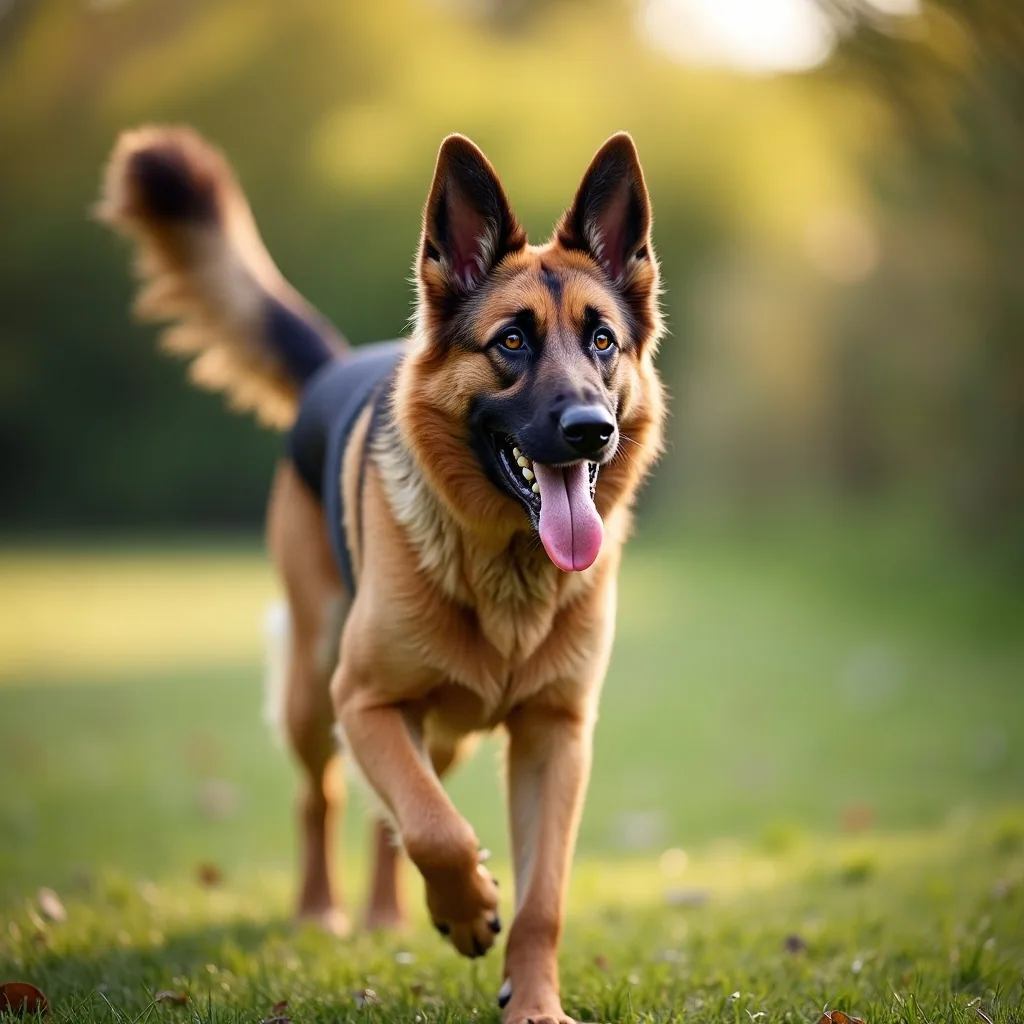
A healthy adult German Shepherd needs around two hours of exercise a day, combining walks and off-lead running with training and mental stimulation. They're an athletic working breed and get bored and destructive without enough to do. Mental work is as important as physical exercise.
German Shepherds are athletic, high-drive working dogs bred to be on the go all day, and their exercise needs reflect that. Meet them and you have a calm, contented companion; fall short and you get a frustrated, destructive one. But there's an important catch with this breed: their well-known joint vulnerabilities mean exercise has to be the right kind at the right age. Here's how much exercise a German Shepherd really needs, what to do, and the signs you're not doing enough.
How much exercise does a German Shepherd need?
A healthy adult German Shepherd needs around two hours of exercise a day. That should be a mix — brisk walks, the chance to run and explore off-lead in safe places, and active play — rather than a single plod round the block. Two hours is a guide, not a ceiling: a young, fit working-line dog may want more, while an older or less robust individual will need less. The key is that it's *quality* activity that engages body and mind, split across the day rather than crammed into one session.
Mental exercise matters just as much
With a German Shepherd, what you do with their brain matters every bit as much as the miles. This is a problem-solving working breed, and physical exercise alone rarely satisfies them. Build in training sessions, scent and search games, puzzle feeders, trick training and tasks that give them something to think about. Mental work is genuinely tiring and often settles a Shepherd more effectively than another lap of the park. A few minutes of training woven through the day, plus enrichment from a puzzle and enrichment toy, goes a long way. Our guide to training a German Shepherd has more on channelling that clever mind.
Protecting growing puppies' joints
This is the part too many new owners miss. German Shepherds are strongly predisposed to hip and elbow dysplasia, and a puppy's joints and growth plates are still developing through their first year and beyond. Over-exercising a young Shepherd — especially repetitive high-impact activity like long runs, jumping, stairs or endless ball-chasing — can put real strain on those vulnerable joints. A common rule of thumb is to keep formal walks short and age-appropriate, letting much of a puppy's exercise come from free play and pottering at their own pace, and to build up gradually as they mature. Avoid forced exercise, jumping from heights and slippery floors. If you use a ball thrower, read our honest look at whether ball launchers are bad for dogs' joints first, as the breed's predisposition makes this especially worth thinking about.
Signs your German Shepherd isn't getting enough
An under-exercised, under-stimulated Shepherd tends to tell you loudly. Watch for:
- Destructive behaviour — chewing furniture, digging, raiding bins.
- Excessive barking or general restlessness and inability to settle.
- Pacing, whining or hyperactivity indoors.
- Attention-seeking or 'naughtiness' that's really boredom.
- Weight gain, which adds avoidable load to vulnerable joints.
These are not character flaws — they're a working dog without a job. The answer is almost always more (and more varied) physical and mental activity, not more discipline.
Activities German Shepherds love
Because they're so versatile and keen to work, Shepherds excel at a huge range of activities. Good options include:
- Long, varied walks and hikes with plenty to sniff and explore.
- Off-lead running in safe, secure spaces (with a solid recall).
- Scentwork and nosework, which suit their brilliant noses and tire them mentally.
- Obedience, rally, agility, tracking and canicross for fit adults.
- Fetch and tug in moderation, mixing in calmer games to avoid relentless high-impact repetition.
- Brain games and training woven into everyday life.
To get a feel for a sensible daily routine for your individual dog, our free dog walking calculator is a handy starting point.
Adapting exercise across life stages
A German Shepherd's needs change over time. Puppies need little-and-often, low-impact activity; healthy adults want that full ~two hours plus brain-work; and senior dogs — or any dog showing stiffness or mobility problems, which this breed is prone to — need gentler, shorter, more frequent outings to stay supple without overdoing it. Keeping your dog lean throughout life is one of the kindest things you can do for those joints. If you notice stiffness, reluctance to exercise, or trouble rising, speak to your vet. For how exercise and joint health tie into longevity, see our guide to how long German Shepherds live.
*This is general guidance, not a substitute for advice from your vet, who can recommend the right exercise plan for your individual dog, particularly a growing puppy or a dog with joint problems.*
Sources
- UK Kennel Club — German Shepherd Dog exercise and breed information (thekennelclub.org.uk).
- PDSA — exercising your dog and puppy exercise guidance (pdsa.org.uk).
- RVC VetCompass — German Shepherd Dog research on hip/elbow dysplasia and musculoskeletal disorders (rvc.ac.uk/vetcompass).
- Blue Cross — keeping your dog active and healthy (bluecross.org.uk).
Common questions
How much exercise does a German Shepherd need?
A healthy adult German Shepherd needs around two hours of exercise a day, combining walks and off-lead running with training and mental stimulation. They're an athletic working breed and get bored and destructive without enough to do. Mental work is as important as physical exercise. Growing puppies need age-appropriate, lower-impact activity to protect their developing joints, which the breed is vulnerable in.
How much exercise should a German Shepherd puppy get?
Far less than an adult, and the kind matters. German Shepherds are prone to hip and elbow dysplasia, and a puppy's joints and growth plates are still developing, so over-exercising or repetitive high-impact activity like long runs, jumping and stairs can cause harm. Keep formal walks short and age-appropriate, let much of their exercise come from free play at their own pace, avoid forced exercise and slippery floors, and build up gradually as they mature. Ask your vet for advice on your individual puppy.
What happens if a German Shepherd doesn't get enough exercise?
An under-exercised, under-stimulated German Shepherd usually becomes frustrated and difficult. Common signs include destructive chewing and digging, excessive barking, restlessness and pacing, hyperactivity indoors, and weight gain that strains vulnerable joints. These aren't character flaws — they're a working dog without a job. The remedy is almost always more and more varied physical and mental activity, including training and enrichment, rather than more discipline.
About the author
Matt Garnett — founder, Giddy Pets
Matt started Giddy Pets to make getting pets the good stuff simpler and fairer. Everything in these guides comes from real life with pets and a lot of trial and error — it's practical guidance, not veterinary advice. If a guide gets something wrong, tell him directly.
Free tools & more guides
Read next
How to Train a German Shepherd
German Shepherds are one of the most trainable breeds in the world. Here's how to train one well: start early, socialise hard, build obedience and impulse control, and shape that protective instinct.
How Long Do German Shepherds Live? Lifespan & Health
How long German Shepherds live, the joint, spinal and digestive conditions the breed is prone to, the bloat signs to know, and how to help yours thrive.
Are German Shepherds Good Family Dogs?
German Shepherds can be superb family dogs in the right home — but they're a large working breed that needs training, socialisation and exercise. An honest guide.

German Shepherd Health Problems: What to Watch For
German Shepherds are prone to hip and elbow dysplasia, bloat, DM, EPI and more. Learn the signs, the UK health tests to ask for, and how to lower the risk.