
How Much Does a Pomeranian Cost? Buying & Lifetime Costs
What a Pomeranian really costs — the price of a responsibly bred puppy, the 'teacup' marketing red flag, lifetime running costs, and why insurance matters.

The quick answer
A well-bred, health-conscious Pomeranian puppy from a responsible UK breeder usually costs from several hundred pounds up to well over a thousand, depending on the breeder and lines.
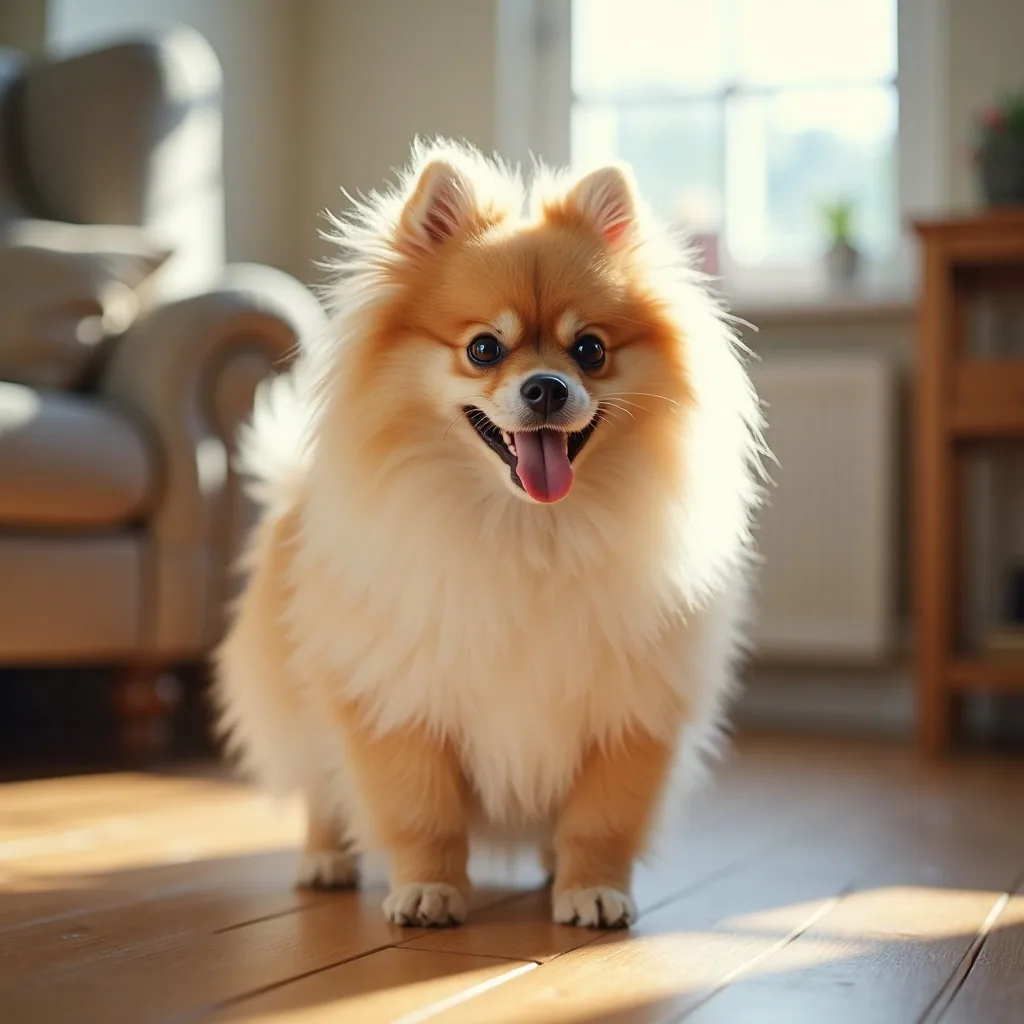
Pomeranians are one of the most popular toy breeds in the UK, and that popularity is reflected in the price tag — both up front and over the dog's lifetime. Before you fall for that fox face and fluffy coat, it pays to understand the full cost of ownership, and to recognise one particular marketing trap that targets the breed. Here is an honest breakdown of what a Pomeranian costs to buy and to keep.
How much does a Pomeranian puppy cost?
The purchase price varies widely with the breeder, the dog's lines, and demand. As a general guide, a well-bred puppy from a responsible UK breeder typically costs from several hundred pounds up to well over a thousand pounds. Puppies advertised very cheaply should be approached with great caution: a suspiciously low price often means no health screening, poor early care, or a puppy from a puppy farm. Equally, a very high price is not a guarantee of quality on its own — what matters is the evidence of responsible breeding and health care behind the puppy, not the figure alone.
The 'teacup' red flag
The Pomeranian's popularity has spawned a whole market for 'teacup' Pomeranians sold at premium prices. It is important to understand that 'teacup' is a marketing term, not a recognised size or type by The Kennel Club. There is no separate 'teacup' breed — just Pomeranians that are, or are claimed to be, unusually tiny. Deliberately breeding dogs to be ever smaller is linked to serious health problems, including fragile bones, dental crowding, low blood sugar, heart issues and difficulties during pregnancy and birth. Paying extra for an 'extreme tiny' is not buying a better dog; it is often buying a more fragile, more health-compromised one. Treat 'teacup' claims as a warning sign about the breeder rather than a selling point.
Why a responsible breeder is worth it
Where you buy matters enormously. A responsible breeder will:
- Follow good breeding practice and, where relevant, use Kennel Club Assured Breeder standards and health screening appropriate to the breed.
- Rear puppies in the home, well socialised, and let you meet the mother with the litter.
- Microchip the puppy (a legal requirement) and provide vaccination and worming records.
- Be happy to answer questions, offer ongoing support, and be as keen to vet you as you are to vet them.
Paying more for a responsibly bred, well-reared puppy can save heartache and significant vet bills later. Our health problems guide explains what to ask about.
The bigger cost: keeping a Pomeranian
The purchase price is only the beginning. Across a 12–16 year life, the running costs dwarf the initial outlay:
- Food. A small dog eats relatively little, so this is one of the more modest costs — but quality still matters. Our pet calorie calculator helps you feed the right amount.
- Insurance. Genuinely worthwhile given the breed's dental, knee and airway risks (more below).
- Veterinary care. Vaccinations, parasite control, neutering, routine checks and any treatment for illness.
- Dental care. Toy breeds are very prone to dental disease, which can mean professional cleaning under anaesthetic over the years — budget for it. See our dental care range.
- Grooming. That double coat needs regular brushing and occasional professional grooming; good tools are essential (our grooming brushes).
- Kit. A well-fitted harness, bed, toys and a carrier for travel.
- Boarding or dog-sitting when you are away.
Why insurance matters for this breed
For a breed with known risks — dental disease, luxating patellas, collapsing trachea and more — pet insurance is genuinely valuable. These conditions can mean ongoing investigation, medication, dental work or surgery, and the bills add up quickly. A lifetime policy taken out while your dog is young and healthy — before any condition is diagnosed and excluded as pre-existing — gives the broadest protection. You can get a rough idea of cover and budget with our pet insurance estimator, and read the pet insurance guide for what to look for.
Avoiding scams and bad breeders
The breed's popularity attracts unscrupulous sellers. Be wary of puppies offered with no health information, sellers who will not let you visit or meet the mother, pressure to pay deposits quickly, and 'teacup' marketing. Take your time, ask for proof of microchipping and any health screening, and walk away if anything feels off.
The honest bottom line
A Pomeranian is a meaningful financial commitment: a notable purchase price for a responsibly bred puppy, and substantial lifetime costs, with dental care a particular long-term expense. Budget realistically, insure early, buy from a responsible breeder, and steer well clear of 'teacup' marketing. For more, see our guides on family suitability and grooming.
*This is general guidance. Costs vary by region, breeder and individual dog, and insurance terms differ between providers.*
Sources
- The Kennel Club — buying a puppy, Assured Breeders and Pomeranian information (thekennelclub.org.uk).
- PDSA — cost of owning a dog (pdsa.org.uk).
- Blue Cross — buying a puppy and avoiding puppy farms (bluecross.org.uk).
- RSPCA — getting a dog responsibly (rspca.org.uk).
Common questions
How much does a Pomeranian cost?
A well-bred, health-conscious Pomeranian puppy from a responsible UK breeder usually costs from several hundred pounds up to well over a thousand, depending on the breeder and lines. Be very cautious of 'teacup' Pomeranians advertised at premium prices: 'teacup' is a marketing term, not a recognised type by The Kennel Club, and deliberately breeding for extreme tininess is linked to serious health problems. The bigger cost is lifetime care — food, insurance, grooming, dental work and vet bills add up across 12–16 years, so budget for the whole life, not just the purchase.
Are 'teacup' Pomeranians a real thing?
No — 'teacup' is a marketing term, not a recognised size or type by The Kennel Club. There is no separate 'teacup' breed, just Pomeranians claimed to be unusually tiny. Deliberately breeding dogs to be ever smaller is linked to serious health problems, including fragile bones, dental crowding, low blood sugar and heart issues. Paying a premium for an 'extreme tiny' often means a more fragile, more health-compromised dog, so treat 'teacup' claims as a warning sign about the breeder.
Why is insurance important for a Pomeranian?
Pomeranians have known risks including dental disease, luxating patellas and collapsing trachea, all of which can need ongoing investigation, medication, dental work or surgery that becomes expensive. A lifetime policy taken out while your dog is young and healthy gives the broadest cover, before any condition can be excluded as pre-existing. For a small breed with these vulnerabilities, good insurance can make serious or chronic illness far more affordable to manage.
About the author
Matt Garnett — founder, Giddy Pets
Matt started Giddy Pets to make getting pets the good stuff simpler and fairer. Everything in these guides comes from real life with pets and a lot of trial and error — it's practical guidance, not veterinary advice. If a guide gets something wrong, tell him directly.
Free tools & more guides
Read next

Pomeranian Health Problems: An Honest Guide
An honest guide to Pomeranian health problems — dental disease, luxating patella, collapsing trachea, Alopecia X, open fontanelle — and why a harness matters.
How Long Do Pomeranians Live? Lifespan & Health
How long Pomeranians live, the health conditions this tiny Spitz breed can carry, and the practical things that help yours reach a healthy old age.

Are Pomeranians Good Family Dogs?
What Pomeranians are really like to live with — affectionate and lively but fragile and vocal — and the homes and families they suit best.

Pomeranian Grooming & Care (Double Coat — Never Shave)
How to groom a Pomeranian's double coat — brushing routine, coat blows, why you must never shave, dealing with mats, plus nails, teeth and ears.