
Pomeranian Grooming & Care (Double Coat — Never Shave)
How to groom a Pomeranian's double coat — brushing routine, coat blows, why you must never shave, dealing with mats, plus nails, teeth and ears.
The quick answer
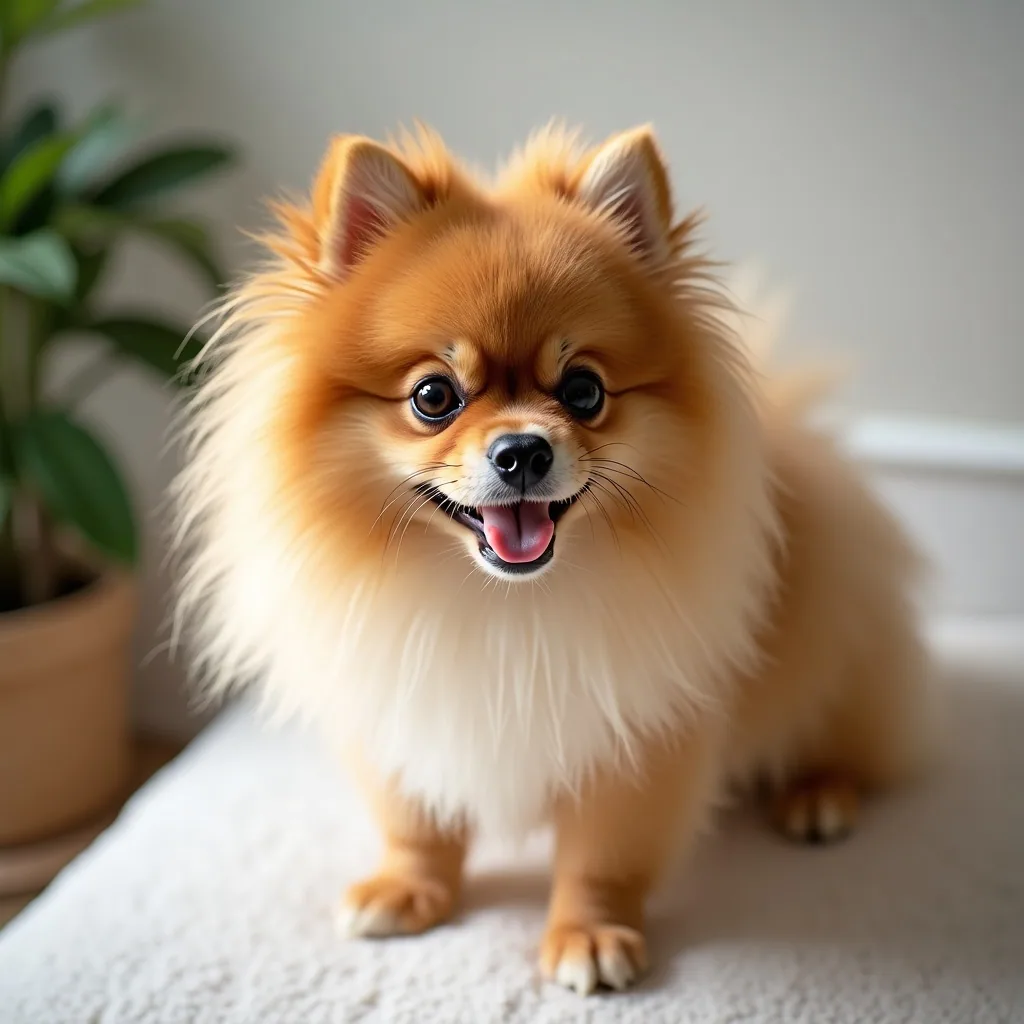
Yes — Pomeranians have a thick double coat that needs brushing several times a week, and more often during a seasonal coat blow when they shed heavily. Regular brushing right down to the skin prevents the matting that traps moisture and irritates the skin.
That magnificent powder-puff coat is the first thing most people notice about a Pomeranian — and it is also the part of owning one that needs the most regular care. Poms are not a wash-and-go breed. With a sensible routine they are very manageable, but their thick double coat asks for consistent attention, and there is one rule above all others: never shave a Pomeranian. Here is how to groom and care for yours properly.
Understanding the Pomeranian coat
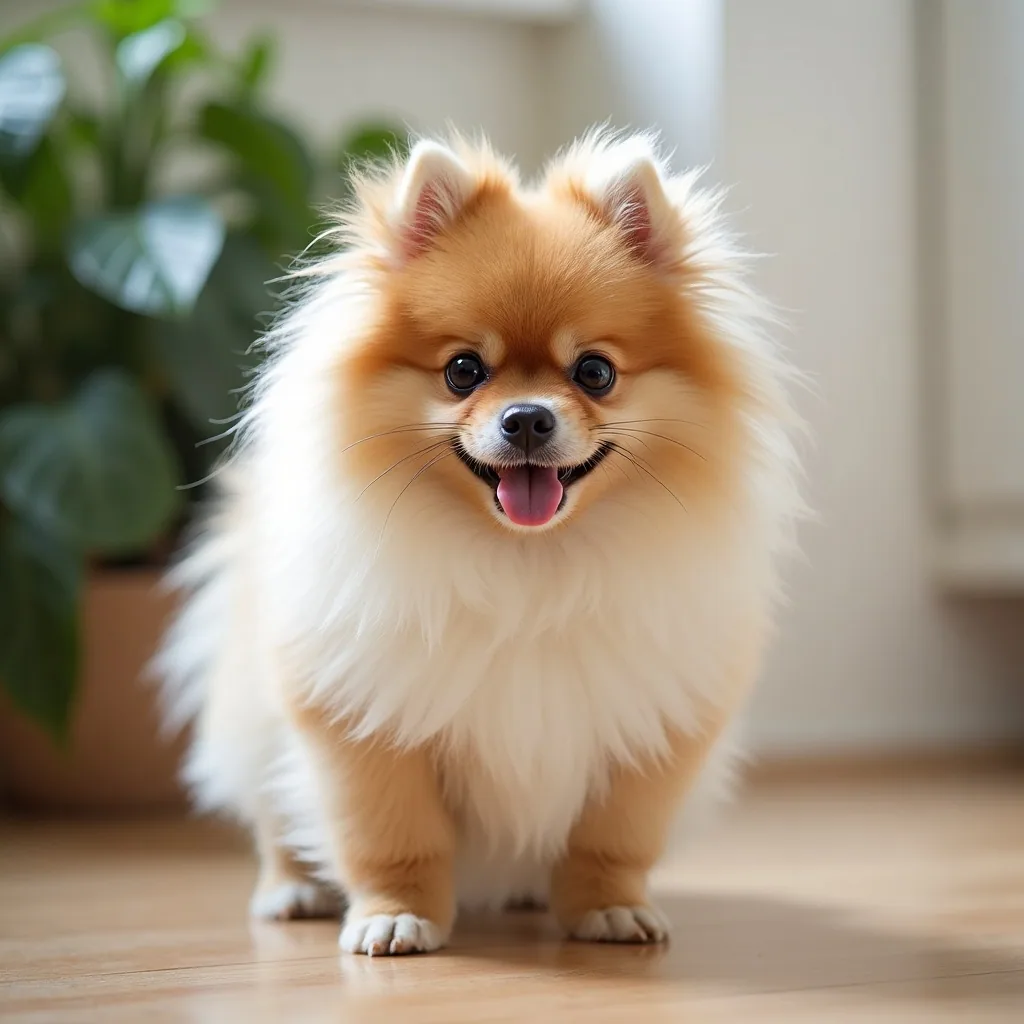
Pomeranians have a double coat: a soft, dense, insulating undercoat beneath a longer, harsher outer coat of guard hairs. Together these create the breed's signature stand-off, fluffy look and the dramatic ruff around the neck. The double coat is not just for show — it insulates against both cold and heat and protects the skin from the sun. Like all Spitz breeds, the Pom carries a lot of coat for its size, which is exactly why grooming is such a central part of caring for one.
Why you must never shave a Pomeranian
This is the single most important grooming rule for the breed. Shaving a double coat down to the skin can damage how it regrows. The undercoat tends to grow back faster than the guard hairs, so a shaved Pom can be left with a patchy, woolly, uneven coat — and in some dogs it never returns to normal. The breed is also prone to coat-loss conditions such as Alopecia X (sometimes called black skin disease), and shaving can trigger or worsen poor regrowth. On top of that, removing the coat strips away the insulation and sun protection it provides. If your Pom is too hot or matted, the answer is brushing, de-shedding and a light tidy from a groomer — not a shave.
How often to brush
Plan on brushing several times a week, working right down to the skin rather than just over the surface. Regular brushing removes loose undercoat before it tangles, distributes natural oils, and lets you spot any skin problems, parasites or sore spots early. Use a slicker brush and a comb, and work methodically across the body, paying attention to the mat-prone areas: behind the ears, under the legs (the armpits), around the collar area, the chest ruff and the trousers on the back legs. Our grooming brushes include suitable tools for a double coat.
Coping with the coat blow
Pomeranians shed steadily and then 'blow' their coat — a heavier seasonal moult, often in spring and autumn, when large amounts of undercoat come away. During a coat blow, increase brushing to daily and use a de-shedding tool or undercoat rake to keep on top of it; otherwise the loose undercoat mats quickly and ends up all over your home. Puppies also lose their soft 'puppy coat' and grow their adult coat over the first year or so, a stage owners sometimes call the 'puppy uglies' — it passes, so do not panic.
Dealing with mats and tangles
Mats form where there is friction and trapped loose hair — behind the ears, in the armpits and around the collar. If you find one, tease it apart gently with your fingers and a comb, working from the edges inwards while supporting the skin so you do not pull. Never cut a mat off with scissors, as it is easy to nick the loose skin underneath. For severe or close-to-skin mats, ask a professional groomer to deal with them safely. As always, prevention through regular brushing is far easier than dealing with mats after the fact.
Bathing
Pomeranians do not need frequent baths — over-bathing dries the skin and coat. Bath occasionally when genuinely dirty, using a dog-specific shampoo, rinsing thoroughly, and drying carefully (a damp double coat left to dry slowly can mat). Always brush out the coat before a bath, as water sets any existing tangles tighter.
Nails, teeth and ears
Grooming is about more than the coat:
- Teeth. Dental disease is very common in toy breeds, so brush the teeth with dog toothpaste and keep up regular vet dental checks — see our dental care range.
- Nails. Trim every few weeks if they are not worn down, taking only the clear tip and avoiding the quick. See our nail care.
- Ears. Check occasionally for wax, redness or odour, and wipe only the visible part with a vet-approved cleaner if needed. Never push anything into the ear canal.
Walks, weight and the harness rule
Grooming and care go hand in hand with the rest of a Pom's routine. Use a harness rather than a collar to protect the windpipe (see our dog harnesses), keep your dog lean to protect those small knees, and feed measured portions — our pet calorie calculator helps. For more on the breed, see our guides on health problems and lifespan.
*This is general guidance. If you find sore skin, stubborn mats, sudden coat loss, or any ear, dental or skin problem you cannot easily manage, see your vet or a professional groomer.*
Sources
- The Kennel Club — Pomeranian breed information and grooming (thekennelclub.org.uk).
- PDSA — dog grooming, coat and dental care (pdsa.org.uk).
- Blue Cross — grooming your dog (bluecross.org.uk).
- RSPCA — dog care and welfare (rspca.org.uk).
Common questions
Do Pomeranians need a lot of grooming?
Yes — Pomeranians have a thick double coat that needs brushing several times a week, and more often during a seasonal coat blow when they shed heavily. Regular brushing right down to the skin prevents the matting that traps moisture and irritates the skin. Crucially, you should never shave a Pomeranian's coat: shaving a double coat can damage how it regrows and is associated with patchy regrowth and coat problems. Add nail trims, dental care and occasional ear checks and they are manageable, but they are not a low-maintenance breed.
Should you ever shave a Pomeranian?
No, you should not shave a Pomeranian down to the skin. Their double coat insulates against both cold and heat and protects the skin from sun. Shaving can interfere with normal regrowth, and the breed is prone to coat-loss conditions such as Alopecia X (sometimes called black skin disease), so shaving can leave a coat that grows back patchy, woolly or not at all. Instead, manage the coat with regular brushing, and for the warmer months ask a groomer for a light tidy and good de-shedding rather than a shave.
How do I stop my Pomeranian's coat matting?
Prevention is far easier than cure: brush several times a week, working a slicker brush and comb right down to the skin, and increase to daily brushing during a seasonal coat blow. Focus on the mat-prone areas behind the ears, in the armpits, around the collar area and on the back legs. If you find a mat, tease it apart gently with fingers and a comb rather than cutting it, which risks nicking the loose skin. For severe mats, ask a professional groomer.
About the author
Matt Garnett — founder, Giddy Pets
Matt started Giddy Pets to make getting pets the good stuff simpler and fairer. Everything in these guides comes from real life with pets and a lot of trial and error — it's practical guidance, not veterinary advice. If a guide gets something wrong, tell him directly.
Free tools & more guides
Read next
Pomeranian Health Problems: An Honest Guide
An honest guide to Pomeranian health problems — dental disease, luxating patella, collapsing trachea, Alopecia X, open fontanelle — and why a harness matters.
How Long Do Pomeranians Live? Lifespan & Health
How long Pomeranians live, the health conditions this tiny Spitz breed can carry, and the practical things that help yours reach a healthy old age.
Are Pomeranians Good Family Dogs?
What Pomeranians are really like to live with — affectionate and lively but fragile and vocal — and the homes and families they suit best.
How Much Does a Pomeranian Cost? Buying & Lifetime Costs
What a Pomeranian really costs — the price of a responsibly bred puppy, the 'teacup' marketing red flag, lifetime running costs, and why insurance matters.