
How Long Do Pomeranians Live? Lifespan & Health
How long Pomeranians live, the health conditions this tiny Spitz breed can carry, and the practical things that help yours reach a healthy old age.
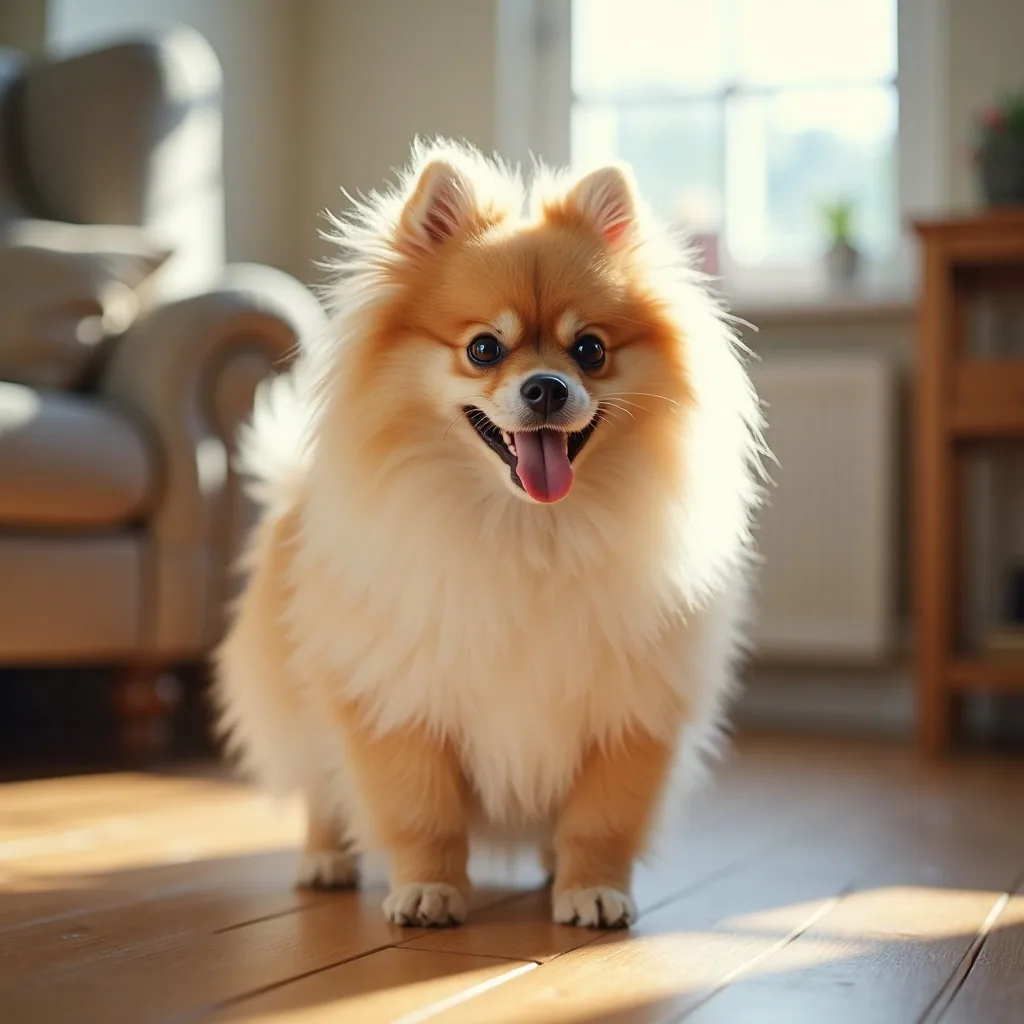
The quick answer
Pomeranians are a long-lived toy breed, typically reaching around 12–16 years, and plenty live into their mid-to-late teens with good care. As a small dog their size works in their favour for longevity, but they do have a few health vulnerabilities — dental disease, luxating patellas, a collapsing trachea and skin and coat conditions among them.
The Pomeranian is one of the most recognisable toy breeds in the world — a tiny, fox-faced Spitz with a glorious puff of a double coat and a personality far bigger than its body. If you are thinking of bringing one home, or already share your life with one of these lively little dogs, one of the first questions is usually how long they live and what to watch for along the way. Here is an honest look at Pomeranian lifespan, the conditions the breed can be prone to, and the everyday choices that help yours stay well.
How long do Pomeranians live?
Pomeranians are a genuinely long-lived breed. Most live to around 12–16 years, and plenty reach their mid-to-late teens with good care. As with all dogs, small breeds tend to live longer than giant ones, and the Pom's tiny size works in its favour here. Genetics set the broad range, but everyday care — weight, dental health, exercise and routine veterinary attention — strongly influences where an individual dog lands. A well-bred, well-looked-after Pomeranian is very much a long-term commitment and a long-term friend.
Dental disease: the toy-breed challenge
The single most common health issue in small breeds like the Pomeranian is dental disease. Tiny mouths mean teeth are crowded, which traps plaque and leads to tartar, gum disease and, in time, painful tooth loss and infection that can affect overall health. Dental care is therefore one of the most important things you can do for a Pom's long-term wellbeing. Daily tooth brushing with dog toothpaste, appropriate dental products, and regular checks and professional cleaning under your vet's guidance all help. Browse our dental care range for tools to get started.
Knees: luxating patella
Like many toy breeds, Pomeranians can be prone to a luxating patella, where the kneecap slips out of its normal groove. It can cause a skipping or hopping gait, intermittent lameness, or a leg held up for a few steps. Mild cases may need little beyond keeping the dog lean and fit; more significant cases sometimes need surgery. Keeping your Pom at a healthy weight takes pressure off those small joints and is one of the best preventive steps you can take.
Airway: collapsing trachea
The breed can also be affected by a collapsing trachea, where the windpipe weakens and narrows, producing a characteristic honking cough, especially with excitement or exertion. This is a major reason a harness is strongly recommended over a collar for Pomeranians: pressure on the throat from a collar, particularly if the dog pulls, can aggravate the airway. Our guide to Pomeranian health problems covers this in more detail, and you can find suitable kit in our dog harnesses.
Skin and coat: Alopecia X
Pomeranians are prone to coat-loss conditions, most notably Alopecia X, sometimes called "black skin disease," where the coat thins or is lost, often symmetrically, leaving darkened skin. It is largely a cosmetic issue rather than a painful one, but it is a reason never to shave the breed, as shaving a double coat can trigger or worsen poor regrowth. If your Pom is losing coat, see your vet to rule out other causes such as hormonal disease. Our grooming and care guide explains coat care in full.
Other conditions to be aware of
Some Pomeranian puppies are born with an open fontanelle (a soft spot on the skull where the bones have not fully closed), which needs careful handling. The breed can also be affected by heart conditions and certain eye problems. None of this means every Pom will be affected — responsible breeding and good care reduce the risks — but it is worth knowing what to look out for and discussing with your vet.
Weight: the everyday risk
Beyond inherited conditions, the most common day-to-day problem is simply carrying too much weight. On such a small frame, even a little extra puts strain on the knees, airway and heart. Because Poms are so fluffy, it is easy to miss weight gain under all that coat, so judge condition by feel — you should be able to feel the ribs easily and see a waist. Our pet calorie calculator helps you feed the right amount.
Helping your Pomeranian live a long, healthy life
- Look after their teeth — daily brushing and regular dental checks.
- Use a harness, not a collar, to protect the airway.
- Keep them lean — measure meals and limit treats.
- Choose a responsible breeder and avoid 'teacup' marketing (see our cost and buying guide).
- Keep up vaccinations, parasite control and routine vet checks, moving towards more frequent checks as they age.
- Insure early so cover is in place before any condition can be excluded as pre-existing.
You can get a rough sense of lifespan with our pet life expectancy tool, and find local and emergency clinics through our vet finder.
*This is general guidance, not a substitute for advice from your vet, who can assess your individual dog.*
Sources
- The Kennel Club — Pomeranian breed information and health (thekennelclub.org.uk).
- PDSA — small-breed dog health, dental care and weight (pdsa.org.uk).
- Blue Cross — caring for your dog (bluecross.org.uk).
- RVC VetCompass — UK dog health and longevity research (rvc.ac.uk/vetcompass).
Common questions
How long do Pomeranians live?
Pomeranians are a long-lived toy breed, typically reaching around 12–16 years, and plenty live into their mid-to-late teens with good care. As a small dog their size works in their favour for longevity, but they do have a few health vulnerabilities — dental disease, luxating patellas, a collapsing trachea and skin and coat conditions among them. Keeping your Pom lean, looking after their teeth, using a harness rather than a collar, and staying on top of routine vet care all help yours reach the longer end of that range.
What health problems are Pomeranians prone to?
Common issues include dental disease (very common in toy breeds), luxating patellas (slipping kneecaps), and collapsing trachea, which is why a harness is recommended over a collar. The breed is also prone to coat-loss conditions such as Alopecia X (black skin disease), and some puppies have an open fontanelle (a soft spot on the skull). Heart and eye conditions can occur too. Buying from a responsible breeder, keeping your dog lean, using a harness, and looking after their teeth all reduce the risks.
Why should Pomeranians wear a harness instead of a collar?
Pomeranians are prone to a collapsing trachea (windpipe), and pressure from a collar — especially if the dog pulls or lunges — can aggravate the airway and trigger the characteristic honking cough. A well-fitted Y-shaped harness spreads the pressure across the chest and shoulders instead of the throat, which is much safer for the neck and airway of a tiny dog. For Pomeranians, a harness should be the default for walks rather than a collar attached to the lead.
About the author
Matt Garnett — founder, Giddy Pets
Matt started Giddy Pets to make getting pets the good stuff simpler and fairer. Everything in these guides comes from real life with pets and a lot of trial and error — it's practical guidance, not veterinary advice. If a guide gets something wrong, tell him directly.
Free tools & more guides
Read next

Pomeranian Health Problems: An Honest Guide
An honest guide to Pomeranian health problems — dental disease, luxating patella, collapsing trachea, Alopecia X, open fontanelle — and why a harness matters.

How Much Does a Pomeranian Cost? Buying & Lifetime Costs
What a Pomeranian really costs — the price of a responsibly bred puppy, the 'teacup' marketing red flag, lifetime running costs, and why insurance matters.

Pomeranian Grooming & Care (Double Coat — Never Shave)
How to groom a Pomeranian's double coat — brushing routine, coat blows, why you must never shave, dealing with mats, plus nails, teeth and ears.

Are Pomeranians Good Family Dogs?
What Pomeranians are really like to live with — affectionate and lively but fragile and vocal — and the homes and families they suit best.